 WhatsApp
 Emergency:
  WhatsApp










Subscribe to our

Sinus infections, also known as sinusitis, are among the most common health issues faced by people across the world. They occur when the sinuses, which are air-filled spaces in the skull, become inflamed or infected. Understanding the causes, symptoms, treatment options, and recovery process of sinus infections is vital for effective management. Whether the condition is acute or chronic, proper care can significantly alleviate symptoms and improve the quality of life.
Sinus infections can greatly impact a person’s daily life, making simple activities such as eating, sleeping, and working difficult due to the discomfort they cause. The prevalence of sinusitis is quite high, with millions of cases reported every year. Recognizing the importance of early diagnosis and treatment, especially from experts at the best hospital for sinus infection (sinusitis), can help prevent complications and promote quicker recovery.
If you’re experiencing symptoms of sinusitis, contact us at +91 9667064100 for prompt diagnosis and effective treatment.
Sinusitis refers to the inflammation or swelling of the tissue lining the sinuses. The sinuses are hollow cavities behind the cheekbones, forehead, nose, and eyes. When the sinuses become blocked or filled with fluid, germs such as bacteria, viruses, or fungi can grow and cause an infection.
There are four primary types of sinusitis:
Acute Sinusitis: This is the most common form, typically lasting for a few days to weeks. It often follows a cold or viral infection.
Subacute Sinusitis: This type lasts between 4 and 12 weeks and may be caused by persistent viral infections or an allergic reaction.
Chronic Sinusitis: If sinusitis persists for more than 12 weeks despite treatment, it becomes chronic. It may require ongoing medical management.
Recurrent Sinusitis: This refers to multiple episodes of acute sinusitis that occur throughout the year.
Sinus infections can significantly affect overall health and are often associated with colds, allergies, and respiratory infections.
Various factors contribute to the development of sinusitis. Some of the most common causes include:
Viral Infections:
The most frequent cause of acute sinusitis is viral infections, often triggered by the common cold. When the viral infection affects the upper respiratory system, it can spread to the sinuses, causing inflammation and swelling.
Bacterial Infections:
A secondary bacterial infection can occur following a viral sinus infection. When the sinuses become blocked due to swelling, bacteria can grow and lead to an infection. This often requires antibiotic treatment.
Fungal Infections:
Fungal infections of the sinuses are rare but can occur, particularly in individuals with weakened immune systems. These infections may be more severe and challenging to treat.
Allergies:
Allergic reactions, such as those triggered by pollen, dust, or mold, can lead to sinus inflammation. These allergens can cause the sinuses to swell, blocking airflow and increasing the risk of infection.
Environmental Factors:
Exposure to irritants such as cigarette smoke, air pollution, or chemical fumes can inflame the sinuses. Prolonged exposure to such irritants can make the sinuses more susceptible to infections.
Sinusitis symptoms vary depending on the type of sinus infection. Common symptoms include:
Nasal congestion and blockage: Difficulty breathing through the nose.
Facial pain or pressure: Pain around the forehead, eyes, nose, and cheeks.
Thick nasal discharge: Yellow or green discharge from the nose.
Reduced sense of smell or taste: A stuffy or congested feeling in the nose, affecting smell and taste.
Headache or ear pressure: Pressure in the head or ears.
Sore throat or coughing: Especially at night, a sore throat or persistent cough may occur.
Fatigue and general malaise: Feeling run down and lacking energy.
Bad breath (halitosis): Caused by the infection and sinus drainage.
Fever: This may accompany an infection, though it is not always present.
Persistent symptoms lasting more than 12 weeks despite treatment.
To diagnose sinusitis, healthcare professionals typically conduct the following:
Medical History and Physical Exam:
A doctor will assess the patient’s symptoms and medical history, considering any recent infections, allergies, or structural issues that may contribute to sinusitis.
Imaging Tests:
X-rays, CT scans, or MRIs are often used to assess sinus blockage, inflammation, or structural abnormalities in the sinuses.
Nasal Endoscopy:
A nasal endoscope allows a doctor to directly view the nasal passages and sinuses, checking for blockages or polyps.
Lab Tests:
In cases of suspected bacterial infection, a culture may be taken from nasal discharge to identify the type of bacteria and determine the best course of treatment.
Treatment for sinusitis aims to relieve symptoms, treat infections, and reduce inflammation. The following options are commonly used:
Rest and Hydration: Adequate rest and drinking plenty of fluids help the body recover.
Warm Compresses: Applying warm compresses to the affected areas can relieve facial pain and pressure.
Saline Nasal Sprays or Irrigation: Using a saline solution or neti pot can help clear the nasal passages and reduce congestion.
Over-the-counter medications: Decongestants, antihistamines, or pain relievers can provide temporary relief.
Antibiotics: Prescribed for bacterial sinusitis or secondary infections.
Steroids: Nasal sprays or oral steroids help reduce inflammation in chronic cases.
Antihistamines and Decongestants: Effective for allergy-related sinusitis.
Pain Relievers: Medications like acetaminophen or ibuprofen manage pain and fever.
Endoscopic Sinus Surgery: A minimally invasive procedure for chronic or severe sinusitis, aimed at opening blocked sinuses.
Balloon Sinuplasty: A procedure in which a balloon is inflated in the sinus passages to open them and improve airflow.
Some patients seek relief through acupuncture, herbal remedies, or essential oils, though these should be used under the guidance of a healthcare provider.
Prevention is key in managing sinus health. Here are some strategies to avoid sinus infections:
Avoid Allergens: Use air purifiers and avoid exposure to environmental allergens like pollen or dust.
Good Hygiene Practices: Wash hands regularly, and avoid contact with sick individuals.
Proper Hydration: Keep the nasal passages moist by drinking enough water.
Manage Allergies: Use allergy medications or immunotherapy regularly.
Quit Smoking: Avoid smoking and exposure to secondhand smoke.
Regular Check-Ups: Address underlying conditions like nasal polyps or a deviated septum to prevent sinus issues.
The recovery process for sinusitis depends on the type and severity of the condition:
Acute Sinusitis:
Most cases resolve within 1 to 2 weeks with proper treatment. Over-the-counter medications and home remedies can alleviate symptoms effectively.
Chronic Sinusitis:
Chronic sinusitis may require long-term management, including ongoing medication and possibly surgery.
Surgical Outcomes:
For individuals who undergo surgery, recovery typically takes 1-2 weeks. Many patients experience long-term improvement in symptoms following surgical intervention.
When to Seek Medical Help:
If symptoms persist or worsen despite treatment, or if complications like meningitis or orbital cellulitis occur, seek medical attention immediately.
For those experiencing sinusitis, consulting with a highly experienced ENT specialist is essential. At Felix Hospitals, some of the best ENT specialists in Noida include:
Dr. Arvinder Pal Singh: Renowned for his expertise in sinusitis and nasal surgeries.
Dr. Kunwar Parvez: Specializes in managing complex sinus conditions with personalized treatment.
Dr. Arjun Saini: Known for providing cutting-edge treatments for chronic sinusitis.
These specialists offer comprehensive care and advanced treatment options to help patients manage and recover from sinus infections.
Struggling with sinus infections? Don’t let sinusitis control your life – book your consultation now!
Sinusitis is a common condition that can significantly impact daily life if left untreated. Understanding its causes, symptoms, and treatment options is crucial for effective management. Early diagnosis and appropriate treatment are essential, and seeking help from the best ENT specialists ensures that you receive the best care possible. For individuals in Noida, Felix Hospitals offers high-quality sinusitis treatment at an affordable cost. Don’t let sinus infections disrupt your life—consult with an expert today to find the right solution for your sinus health.
Q- What are the early warning signs of chronic sinusitis?
ANS: Chronic sinusitis can develop gradually and may present symptoms like persistent nasal congestion, facial pain, or a post-nasal drip that lasts for more than 12 weeks despite treatment. If these symptoms are ongoing, it’s crucial to consult with an ENT specialist.
Q- How do I differentiate between a sinus infection and a cold?
ANS: A cold typically resolves within a week, while a sinus infection lasts longer and may cause more intense symptoms such as facial pain, thick nasal discharge, and reduced sense of smell. If symptoms last longer than 10 days, it may be a sinus infection.
Q- Can allergies cause sinusitis?
ANS: Yes, allergies are a common trigger for sinusitis. When allergens like pollen, mold, or dust irritate the sinuses, they can become inflamed and blocked, leading to sinusitis. Managing allergies can help prevent sinus infections.
Q- Is sinus surgery always necessary for chronic sinusitis?
ANS: No, sinus surgery is typically considered when all other treatments, including medication and nasal irrigation, fail to provide relief. Your doctor will assess the severity of your condition and recommend the best treatment option.
Q- Can sinus infections be treated without antibiotics?
ANS: Many cases of sinusitis, especially viral infections, do not require antibiotics and can be treated with rest, hydration, and over-the-counter medications. However, bacterial sinus infections may need antibiotics to resolve the infection.
Q- What lifestyle changes can I make to prevent sinusitis during allergy season?
ANS: To prevent sinusitis during allergy season, avoid exposure to allergens, keep windows closed during high pollen times, use air purifiers, and regularly clean your living spaces. If necessary, take allergy medications as prescribed by your doctor.
Q- What is balloon sinuplasty, and when is it recommended for sinusitis?
ANS: Balloon sinuplasty is a minimally invasive procedure that uses a balloon to open up blocked sinus passages. It is typically recommended for patients with chronic or recurrent sinusitis who have not responded well to other treatments. This procedure can provide long-term relief from sinus issues.
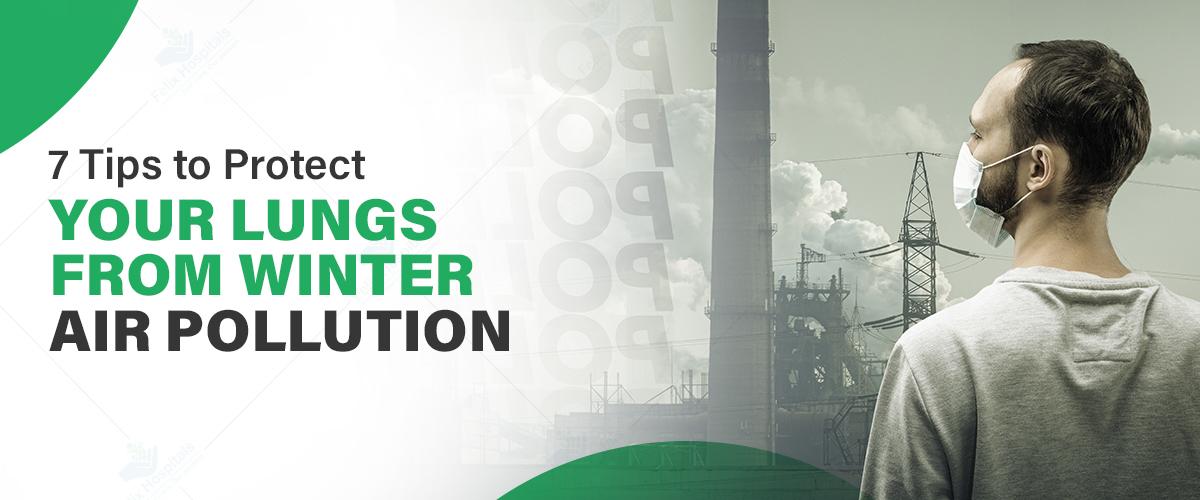
The winter season gives us respite from hot and sweaty days but it also brings with it a sharp rise in air pollution, posing a serious threat to our lung health. More so, because the calm and cool weather can make poisonous pollutants like particulate matter (PM2.5) and harmful gases remain trapped near the ground, making breathing hazardous. Prolonged exposure to this extreme level of polluted air can lead to respiratory issues, ranging from mild irritation to severe conditions like asthma or chronic obstructive pulmonary disease (COPD). Therefore, protecting your lungs from winter air pollution is essential, especially for children, the elderly, and individuals with pre-existing respiratory conditions. So let’s understand the basics of air-pollution related lung diseases, its causes, symptoms, and preventive measures that can help you breathe easier this winter.
At Felix Hospitals, the best hospital for lungs treatment in Noida, we offer advanced care to combat lung diseases. Book a consultation with us and get expert advice on managing air pollution effects on your lungs!
As mentioned, being exposed to air pollution for long can trigger and cause a variety of lung diseases, including asthma, bronchitis, pneumonia, and even lung cancer in some extreme cases.
Some air pollutants cause the airways to narrow, reduce oxygen intake, and weaken lung function over time. Patients often report symptoms like chronic coughing, wheezing, chest discomfort and shortness of breath, which, if left untreated, can worsen. It can even exacerbate pre-existing conditions like asthma or chronic obstructive pulmonary disease (COPD).
Some of the common causes of pollution-related lung diseases include:
While we cannot restrict ourselves from going out, we can certainly take some precautions to protect our lungs from winter air pollution.
Here are seven simple yet effective tips for protecting us from the dangers of outdoor air pollution:
Use an Air Purifier: Install air purifiers with HEPA filters at home to reduce and protect yourself from air pollution effects on your lungs. Keep windows and doors closed to prevent outdoor contaminants from entering indoors. Also, you may incorporate air-purifying plants to naturally improve air quality and help maintain a healthier living space.
Wear N95 Mask While Stepping Outdoors: Use N95 masks to filter out harmful pollutants, especially if you commute through polluted areas.
However, if you experience persistent symptoms, consult our pulmonologist. Understand that early diagnosis and treatment can prevent long-term damage to your lungs.
Exposure to air pollution can have both short-term and long-term effects on lung health.
Short-term exposure may lead to symptoms such as:
To diagnose air pollution-related lung conditions or for a routine lung function test, specialists may use chest X-rays, lung function tests, blood tests, and a detailed assessment of exposure history. Early diagnosis is the key to effective treatment and better outcomes.
Treatment options for lung diseases vary based on the severity of the condition. Mild symptoms are often managed with bronchodilators and anti-inflammatory medications, while severe cases may require oxygen therapy or pulmonary rehabilitation.
That said, taking proactive steps to prevent and care for your lungs during the winter is essential for maintaining overall respiratory health. By understanding the challenges of winter weather, adopting preventative measures, and managing respiratory conditions effectively, you can ensure that your lungs stay healthy.
Felix Hospitals offers comprehensive care. Our lungs treatment cost depends on the severity of your condition and your diagnosis.
To know more, speak to our representative.
Air pollution is a leading cause of death worldwide. Preventing or reducing exposure to outdoor air pollutants is crucial to reducing both the acute as well as chronic risk of air pollution–related illness. Respirators provide some protection but vary in effectiveness. Also, regular screening is recommended for those exposed to lung-damaging substances to detect disorders early.
The levels of pollutants in the air depends on your geographical location, so the best way to keep lung diseases at bay is by taking precautions as listed above and reducing your exposure to obnoxious air pollutants. However, if you encounter persistent symptoms like coughing, shortness of breath, chest discomfort, or worsening respiratory conditions due to deteriorating air quality, consult our pulmonologist to seek expert care.
At Felix Hospitals, Noida, you can consult our best doctor for lungs treatment, Dr. Priyadarshi Jitendra Kumar, who specializes in diagnosing and treating a wide range of respiratory conditions. Our specialists are well-equipped to diagnose and treat pollution-induced lung disorders. They are experts in performing comprehensive evaluations, including lung function tests, and recommending appropriate treatments.
Early intervention is important for prevention and progression of lung diseases and reduces complications. So, don't compromise on your health. Visit Felix Hospitals today to protect your lungs. Book your appointment now!
Winter air pollution can take a toll on your lungs, but preventive measures and timely medical intervention can make a significant difference. By understanding the causes, symptoms, and protective strategies, you can ensure better respiratory health for yourself and your loved ones. Contact Felix Hospitals for comprehensive care and expert advice to keep your lungs healthy this winter.
Q- What treatments are available for pollution-related lung problems?
Ans: Treatments depend on your symptoms and general health. However, they may include medications to manage symptoms, lifestyle modifications, and, in severe cases, oxygen therapy. Reducing exposure to pollution is crucial.
Q- When should I seek an appointment for pollution-related lung issues?
Ans: If you experience symptoms such as cough, shortness of breath, chest pain, or worsening of pre-existing conditions due to polluted air, you must consult a pulmonologist at the earliest.
Q- How does air pollution damage the lungs?
Ans: Air pollution effects on your lungs include inflammation, oxidative stress, and scarring of lung tissues. It impairs lung function and can lead to chronic health problems.
Q- What are the risks of worsening air pollution on the lungs?
Ans: Worsening air pollution can lead to respiratory issues, exacerbate existing conditions like asthma and COPD, and increase the risk of lung infections, and even lung cancer.
Q- How can I book an appointment with the best doctor for lungs treatment?
Ans: If you wish to schedule a consultation with our pulmonologist, you may speak to our representative at: +91 9667064100.
What is the lungs treatment cost at Felix Hospitals?
Lung treatment cost depends on a couple of factors such as severity of your condition, your diagnosis and your general health.
Lung cancer is a serious condition that starts in the lungs and can spread to other parts of the body.
The cost of a Pulmonary Endarterectomy surgery depends on factors such as hospital facilities, surgeon fees, and post-operative care requirements.
Winter brings with it a crisp, cold air that many of us associate with the holiday season, cozy evenings, and festive celebrations. However, for individuals with pre-existing heart conditions or even for those who are generally healthy, Winter can also signal an increase in heart-related issues. In Noida hospitals, recognized for being among the best heart health hospitals in Noida, are at the forefront of offering critical care for heart-related issues. The importance of taking proactive steps to protect your heart during Winter cannot be overstated, as it can help prevent serious complications, including heart attacks and strokes.
Winter is the perfect time to get a heart health check-up. Contact us now at +91 9667064100 for your appointment!
During the winter months, the body is exposed to low temperatures, which can have significant effects on the cardiovascular system. One of the key physiological responses to cold weather is vasoconstriction, where blood vessels narrow to conserve heat. While this is an adaptive mechanism to maintain body temperature, it also places additional strain on the heart. The heart has to work harder to pump blood through these constricted vessels, increasing blood pressure and raising the risk of heart attacks, strokes, and other cardiovascular issues.
Several factors come together during Winter that contribute to the increased risk of heart problems. These include the effects of cold weather, holiday stress, overeating, reduced physical activity, and the flu season.
The drop in temperatures forces the body to work harder to maintain warmth. Cold temperatures trigger vasoconstriction, which causes the blood vessels to narrow, making the heart work harder to pump blood. As a result, blood pressure increases and heart rate can rise, which puts additional strain on the heart.
The holiday season can be a stressful time for many individuals. From organizing family gatherings to managing financial stress, travel plans, and social obligations, the pressure can build up. High-stress levels can negatively affect the heart by raising blood pressure, increasing the risk of arrhythmias (irregular heartbeats), and triggering heart attacks.
During the colder months, fewer people engage in outdoor activities like walking, jogging, or cycling due to the low temperatures. Physical inactivity is a significant risk factor for heart disease. Without regular exercise, the heart becomes weaker, and the risk of developing cardiovascular diseases rises.
Winter also marks the onset of flu season, and respiratory infections like the flu or pneumonia can increase the risk of heart complications. For individuals with existing heart conditions, the stress that an illness places on the body can be dangerous, as it can lead to heart failure or worsen existing conditions like arrhythmias.
The winter months, particularly Winter, contribute to the increase in several heart problems. Some of the most common cardiovascular issues seen during this period include:
Cold weather is a known trigger for heart attacks. During Winter, there is an increase in the occurrence of heart attacks due to the combined effects of cold temperatures and heightened stress. People with underlying heart disease or undiagnosed heart conditions are particularly vulnerable.
Cold temperatures can also affect the blood vessels, leading to clot formation, which increases the risk of a stroke. Vasoconstriction (narrowing of blood vessels) can lead to the rupture of plaque in the arteries, causing blood clots to form and potentially block the blood flow to the brain.
Winter conditions can exacerbate existing heart conditions, leading to heart failure. The increased strain on the heart due to cold temperatures, combined with stress and lack of physical activity, can worsen the condition and lead to complications. In heart failure, the heart is unable to pump enough blood to meet the body’s needs, leading to fluid retention, shortness of breath, and fatigue.
Arrhythmias, or irregular heartbeats, can also be more common in Winter. The combination of stress, physical strain, and the physiological effects of cold temperatures can trigger an arrhythmia. For people with heart disease, an arrhythmia can increase the risk of more severe complications, such as heart failure or a stroke.
While the winter months present challenges for heart health, there are several proactive measures you can take to protect your heart and reduce the risk of cardiovascular problems.
One of the easiest ways to reduce the strain on your heart during winter is to dress warmly and avoid prolonged exposure to extreme cold. Layering your clothing, wearing hats, scarves, and gloves, and keeping your extremities warm can help prevent the body from overexerting itself in cold weather. If possible, stay indoors during the coldest parts of the day.
Managing holiday stress is essential for heart health. Techniques such as mindfulness, meditation, and deep breathing exercises can help reduce the body’s stress response. Prioritize your time and avoid taking on more than you can handle. If you find yourself overwhelmed by holiday preparations or financial pressures, take breaks to relax and recharge.
While outdoor exercise may be limited during winter, it is still important to stay active. Indoor exercises such as yoga, pilates, and light cardio (like walking on a treadmill) can help maintain cardiovascular health. Regular exercise helps keep blood pressure in check, strengthens the heart, and improves overall fitness.
The holiday season often brings with it indulgent foods, but maintaining a heart-healthy diet is crucial. Limit consumption of high-fat, high-salt, and sugary foods that can lead to elevated cholesterol levels and high blood pressure. Incorporate heart-healthy foods such as fruits, vegetables, whole grains, lean proteins, and healthy fats like omega-3 fatty acids. Additionally, monitor your alcohol intake to avoid exacerbating heart-related issues.
Regular monitoring of your heart health is critical. Keep track of your blood pressure, cholesterol levels, and blood sugar levels. Getting flu vaccinations is also important to protect yourself from respiratory infections, which can increase the risk of heart complications. Early detection of any underlying health problems allows for timely intervention.
It’s easy to forget to drink water during the winter months, but staying hydrated is vital for heart health. Dehydration can lead to increased blood pressure and strain on the cardiovascular system. Aim to drink plenty of water throughout the day, even in colder weather.
At Felix Hospital, we are proud to have some of the best cardiologists in Noida on our team, dedicated to providing exceptional care for heart health. Whether you are seeking advice on managing existing heart conditions or looking for preventative care, our team of experts, including Dr. Rahul Arora, and Dr. Virendra Singh, is here to help. With state-of-the-art diagnostic tools and personalized treatment plans, Felix Hospital ensures the best care for all heart-related concerns.
Don’t wait for symptoms to appear, Your heart deserves the best care—schedule an appointment now!
The winter months, particularly Winter, bring with them an increased risk of heart problems due to a combination of factors such as cold weather, holiday stress, and reduced physical activity. Understanding the connection between these seasonal changes and heart health is crucial for taking proactive steps to protect your heart. By staying warm, managing stress, exercising regularly, watching your diet, and monitoring your health, you can reduce the risk of heart complications during the colder months. Don't let the cost of heart health treatment in Noida deter you—investing in your heart health now can help prevent serious complications down the line.
Q- Why are heart attacks more common during the winter months?
ANS: The cold weather causes blood vessels to constrict, which increases blood pressure and heart rate, putting extra strain on the heart. This can lead to heart attacks, especially in individuals with pre-existing heart conditions.
Q- How does stress during the holiday season affect heart health?
ANS: Holiday stress can elevate blood pressure, increase the risk of irregular heartbeats, and even trigger heart attacks. It is important to manage stress through relaxation techniques and avoid overexertion.
Q- Can physical inactivity during winter increase the risk of heart disease?
ANS: Yes, reduced physical activity in the winter months can weaken the heart and increase the risk of heart disease. Staying active indoors with exercises like yoga or light cardio can help maintain cardiovascular health.
Q- Is it safe to exercise outdoors during winter?
ANS: Exercising outdoors in cold weather can be risky for individuals with heart conditions. It’s best to bundle up and avoid prolonged exposure to extreme cold. Indoor exercises are a safer alternative.
Q- How can I lower my risk of heart problems in Winter?
ANS: You can lower your risk by staying warm, managing stress, exercising regularly, eating a heart-healthy diet, monitoring your health, and staying hydrated. Getting the flu vaccine can also protect you from respiratory infections that can strain the heart.
Q- Should I get a flu shot if I have heart disease?
ANS: Yes, people with heart conditions should get the flu vaccine to reduce the risk of complications. Respiratory infections can exacerbate existing heart problems and lead to severe outcomes.

हार्ट अटैक के मुख्य लक्षण, कारण और तुरंत किए जाने वाले उपचार के बारे में जानें। समय पर पहचान और सही इलाज से जीवन बचाया जा सकता है।

Heart attack signs early is crucial because timely intervention can significantly reduce the risk of severe complications and improve outcomes.

Chronic Obstructive Pulmonary Disease (COPD) significantly impacts daily life, affecting breathing and energy levels. Managing COPD often requires a multifaceted approach, including medical care, lifestyle adjustments, and dietary changes. A nutritious diet plays a vital role in managing COPD symptoms, reducing inflammation, and improving overall quality of life. Selecting the right foods can enhance lung function, provide sustained energy, and minimize complications. Recognized as the best hospital for Chronic Obstructive Pulmonary Disease (COPD) treatment, a hospital that emphasizes holistic health through expert care and patient education.
Reach out to Felix Hospital at +91 9667064100 for comprehensive COPD care and dietary consultations.
Nutrition directly influences lung function and energy levels by providing essential nutrients that combat inflammation and oxidative stress. Here’s why diet matters:
Anti-inflammatory foods can alleviate airway irritation, reducing the frequency and severity of COPD symptoms.
Maintaining a healthy weight is crucial for COPD patients:
Being underweight weakens respiratory muscles.
Being overweight can exert pressure on the lungs, making breathing more difficult.
A well-balanced diet enhances overall symptom management and improves the effectiveness of medical treatments.
Living with Chronic Obstructive Pulmonary Disease (COPD) can be challenging, but adopting a nutritious diet can significantly enhance your overall well-being and lung health. Including specific foods in your diet helps manage inflammation, improves energy levels, and supports respiratory function. Here is an in-depth look at the top nine foods that are highly beneficial for those managing COPD:
Fatty fish like salmon and mackerel are excellent sources of omega-3 fatty acids, known for their powerful anti-inflammatory properties. These healthy fats help reduce inflammation in the airways, promote lung health, and enhance immune function to ward off infections. Omega-3s are particularly beneficial for improving breathing and reducing the frequency of COPD exacerbations.
How to include: Grill or bake fatty fish to retain their nutritional value. Serve them with a side of vegetables or whole grains for a complete and balanced meal. Aim to include fatty fish in your diet at least two to three times per week.
Leafy greens are nutritional powerhouses packed with antioxidants and essential vitamins like A, C, and K. These nutrients help protect lung tissue from oxidative damage caused by environmental toxins and stress. Additionally, the high nutrient content of greens supports oxygen transport in the blood, aiding in better energy levels and lung function.
How to include: Add spinach, kale, or other greens to salads, soups, and smoothies. You can also sauté them lightly with garlic and olive oil for a delicious and easy side dish. Regular consumption of these greens can significantly improve your overall health.
Berries are rich in antioxidants, particularly flavonoids, which combat oxidative stress in the lungs. This can lead to improved lung capacity and a reduced risk of COPD flare-ups. Their natural sweetness also makes them a delightful and healthy addition to your meals.
How to include: Incorporate berries into your breakfast by adding them to yogurt, oatmeal, or cereals. They also make a refreshing snack on their own or blend into smoothies.
Nuts and seeds are excellent sources of healthy fats, magnesium, and antioxidants. Magnesium is particularly important for maintaining healthy lung function, as it supports relaxation in the bronchial muscles, easing breathing. These nutrient-dense foods provide an energy boost, which is crucial for individuals managing COPD-related fatigue.
How to include: Sprinkle nuts and seeds onto salads, yogurt, or breakfast bowls. Blend flaxseeds into your smoothies or mix them into baked goods for added nutrition. A handful of nuts also makes for a convenient and heart-healthy snack.
Whole grains like quinoa and oats are high in fiber and provide sustained energy without causing bloating—a common issue that can make breathing harder for those with COPD. These grains also help regulate blood sugar levels, preventing energy crashes and reducing fatigue.
How to include: Replace refined grains like white rice or pasta with whole-grain alternatives. Use quinoa as a base for salads, and start your day with a bowl of oats topped with fruits and nuts for a wholesome breakfast.
Apples are a rich source of flavonoids and vitamin C, both of which are associated with improved lung function. Regular consumption of apples has been linked to a lower risk of respiratory diseases and a slower progression of COPD symptoms.
How to include: Enjoy apples as a portable snack, or slice them into salads for added crunch and flavor. They pair well with nut butter for a nutrient-packed treat.
Beets and their greens are high in nitrates, which are natural compounds that enhance oxygen uptake in the body. Improved oxygen delivery can help reduce shortness of breath and enhance overall energy levels. Additionally, beets are rich in antioxidants, supporting lung health.
How to include: Add beets to salads, roast them as a side dish, or blend them into juices and smoothies. Beet greens can also be sautéed or added to soups for a nutritional boost.
Turmeric contains curcumin, a potent anti-inflammatory compound that helps reduce airway inflammation. This golden spice has been widely recognized for its ability to alleviate symptoms associated with chronic respiratory conditions. Its natural healing properties make it a valuable addition to a COPD-friendly diet.
How to include: Use turmeric in curries, soups, or stews to enhance flavor and health benefits. You can also brew turmeric tea by mixing it with hot water, honey, and a dash of black pepper for improved absorption.
Staying hydrated is essential for thinning mucus, making it easier to breathe. Dehydration can exacerbate COPD symptoms, so it's vital to drink enough water and include hydrating foods in your diet. Foods with high water content, like cucumbers and watermelon, also provide additional vitamins and minerals.
How to include: Drink plenty of water throughout the day, aiming for at least 8 cups. Snack on hydrating fruits like watermelon, oranges, and grapes, or include soups and broths in your meals for added hydration.
Certain foods can worsen COPD symptoms and should be avoided:
Increase inflammation and contribute to poor lung health.
High-Sodium Foods:
Causes fluid retention, leading to swelling and difficulty breathing.
Sugary Snacks and Beverages:
Leads to energy spikes and crashes, worsening fatigue, and COPD symptoms.
Plan Meals: Include nutrient-dense foods while avoiding triggers.
Opt for Smaller, Frequent Meals: Prevent bloating and reduce lung pressure.
Seek Professional Guidance: Work with a nutritionist or healthcare provider to create a personalized meal plan.
At Felix Hospital, your respiratory health is our priority. Consult Dr. Priyadarshi Jitendra Kumar, the Best Doctor for Chronic Obstructive Pulmonary Disease (COPD), for advanced medical care combined with personalized dietary recommendations. Supporting Dr. Kumar are our skilled dietitians—Dt. Pooja Yadav, Dt. Nida Zafar, and Dt. Shivani Ahlawat—who designs tailored nutrition plans to reduce inflammation and improve lung function.
Together, our team provides holistic and compassionate care to help you breathe easier and live healthier. Visit Felix Hospital today for expert COPD management.
For expert care at Felix Hospitals from our Best pulmonologist, Contact us at +91 9667064100.
The nine foods discussed—fatty fish, leafy greens, berries, nuts, seeds, whole grains, apples, beets, turmeric, and hydrating foods—can significantly benefit individuals living with COPD. A balanced diet not only reduces inflammation and improves lung function but also enhances overall health and energy levels. Managing COPD effectively involves understanding the COPD treatment cost in Noida to plan your care and combining a nutritious diet with expert medical attention.
Q- How can fatty fish, like salmon, improve lung function in COPD patients?
ANS: Fatty fish are rich in omega-3s, which reduce airway inflammation and support immune function, improving lung health and reducing COPD flare-ups.
Q- Why is magnesium important in managing COPD symptoms, and how can nuts and seeds help?
ANS: Magnesium relaxes bronchial muscles, easing breathing. Nuts and seeds are good sources of magnesium and also provide antioxidants and healthy fats for lung health.
Q- What is the role of antioxidants in berries for COPD management?
ANS: Antioxidants in berries, like flavonoids, reduce oxidative stress in the lungs, improving lung capacity and reducing inflammation.
Q- How does a diet high in fiber from whole grains benefit COPD patients?
ANS: Fiber from whole grains supports digestion and provides steady energy without bloating, reducing lung pressure and improving comfort.
Q- Can apples reduce the risk of COPD progression, and if so, how?
ANS: Apples are high in flavonoids and vitamin C, which protect lung tissue from damage and help slow COPD progression.
Q- Why are hydrating foods and water important for individuals with COPD?
ANS: Hydrating foods and water help thin mucus in the lungs, making it easier to clear and improving breathing.
Q- What foods should COPD patients avoid, and why?
ANS: Processed and fried foods, high-sodium foods, and sugary snacks should be avoided as they increase inflammation, fluid retention, and fatigue.
Additionally, many COPD patients experience unintended weight loss and muscle wasting, a condition known as Pulmonary cachexia.

A COPD friendly diet is important for several reasons as discussed before. It can assist in relieving symptoms, controlling life threats and managing overweight.

Winter gives us respite from the sweltering heat, but it also means an increased risk for heart disease. For those already diagnosed with heart conditions, the colder months can be particularly challenging. More so, because the cold weather can raise blood pressure and lead to a higher risk of heart attacks and other heart-related problems. Therefore, it is essential to understand how heart disease in winter can get challenging and that by taking timely precautions one can reduce the risk of winter-related heart complications.
Here are some practical tips for heart patients in Winter. Follow these regularly so as to ensure that your heart stays protected during harsh cold weather.
However, if you’re concerned about your heart health during winter or need treatment for heart disease, reach out to Felix Hospital, the best hospital for heart attack treatment. Schedule a consultation with our expert cardiologists today!
As mentioned, heart disease in winter is a significant concern, especially for elderly and individuals already diagnosed and living with cardiovascular conditions. The cold weather makes the heart work harder to maintain body heat. This tends to increase the likelihood of heart attacks, angina, and other heart-related complications. Besides, reduced blood flow during cold temperatures can cause blood vessels to constrict, thus leading to a rise in blood pressure. People with hypertension and heart disease have to be extra cautious, as this constriction can further restrict the flow of oxygen to the heart, putting extra strain on it.
As compared to summer months, the risk of heart disease in winter increases. Firstly, blood vessels tend to constrict during cold weather, which can raise blood pressure. Secondly, in response to the cold, the body’s metabolism speeds up, requiring more energy. So for people with pre-existing heart conditions, this added stress on the heart can result in complications. Besides, reduced physical activity and a tendency to consume fried foods, can increase risks for heart attacks and other cardiovascular events. Additionally, winter can trigger respiratory infections like flu, which again puts extra strain on the heart.
Some of the common symptoms associated with heart disease in winter include:
• Shortness of breath
• Chest pain or discomfort
• Fatigue
• Pain in the neck, jaw, shoulder, back, or abdomen
• Lightheadedness or dizziness
• Nausea
Sometimes, symptoms associated with heart disease are subtle, and people often tend to overlook those as something less. So, if you experience any of these symptoms listed above, don't delay -- seek medical attention immediately!
Depending on your general health and symptoms, your doctor may prescribe you some diagnostic tests to assess your heart health. Some of these tests include:
• Electrocardiograms (ECG): Electrocardiograms, often called ECGs, are machines used to measure your heart's electrical activity.
• Echocardiograms: An ECHO or echocardiography is an imaging test that uses ultrasound to study the structure and function of the heart. It helps in checking the size, shape, and any abnormality present in the heart.
• Stress test: This test is usually performed to check how the heart functions under physical exertion.
• Blood tests: These tests measure the levels of cholesterol and triglyceride levels.
If diagnosed with heart disease or any heart-related complications, consulting an experienced cardiologist at a best hospital for heart attacks treatment is the key. The treatment for heart disease varies depending on the severity of the condition and the patient’s health history. Some of the common treatments for heart disease include:
Medications: This is normally the first line of treatment that helps to manage your blood pressure, cholesterol level, and prevent blood clotting.
Surgery: Common heart surgeries such as coronary artery bypass grafting (CABG) or angioplasty, among others may be required for severe cases. Heart attack surgery will be necessary if you experience a heart attack.
Lifestyle changes: Slight modification in terms of a healthy lifestyle, such as consuming a balanced diet and frequent exercising can help to improve your cardiovascular health.
At Felix Hospital, the best Hospital for heart attacks treatment in Noida and Greater Noida, we are equipped with state-of-the-art diagnostic machines and world class equipment to provide effective treatments and cardiac care.
Preventing heart disease, especially during winter, requires proactive measures. Here are some handy tips for heart patients to follow during the cold weather:
Dress warm and in layers: It’s important to wear layers of warm clothing, including hats, gloves, and scarves, to prevent heat loss. Keeping the body warm helps reduce constriction of blood vessels, thereby lowering stress on the heart.
Monitor blood pressure regularly: Monitor your blood pressure and cholesterol levels regularly, especially if you have a history of heart issues or hypertension. Managing these parameters can prevent complications in colder months.
Exercise Regularly: Continue regular exercise even in winter months when the outdoor activities are limited. Engage in home workouts, yoga, or indoor walking to maintain cardiovascular health.
Eat heart-healthy food: Have a balanced diet rich in fruits, vegetables, whole grains, and lean proteins. Avoid eating heavy, fatty meals that can increase cholesterol levels and strain your heart.
Stay Hydrated: Dehydration which is common in winter can thicken blood, thereby increasing the risk of clots. Drink sufficient water throughout the day, even if you don't feel as thirsty as in summer.
Protect Yourself Against Flu and Pneumonia: Respiratory infections can worsen heart conditions, so it’s advisable to get vaccine shots to protect yourself against flu.
Felix Hospitals is recognized as the best Hospital for heart attacks treatment in Noida and Greater Noida. We offer world-class cardiology services and are equipped to provide expert treatment for heart diseases in winter months.
Our team of best cardiologists in Noida, led by a team of doctors that include Dr. Virendra Singh, Dr. Siddharth Samrat, and Dr Rahul Arora , ensure accurate diagnosis, and provide personalized treatment plans. From comprehensive heart health evaluation to surgery for heart attack, Felix Hospital supports cardiac patients at every step of their journey.
If you’re concerned about your heart health or have questions regarding heart attacks surgery treatment cost, get in touch with Felix Hospitals today. Our expert cardiologists are here to provide guidance and the best possible treatment options for you.
To book your heart check-up and consult with the best cardiologists in Noida, speak to our representative at: +91 9667064100.
Winter can be a little challenging for people with existing heart disease, but with the right preventive measures, you can significantly reduce the risk of winter-related heart complications and maintain your cardiovascular health. By following these handy tips in winter, maintaining a healthy lifestyle, and staying proactive about your heart health, you can certainly reduce the risks associated with cold weather.
1. Why are winter months more challenging for heart patients?
ANS: Cold weather constricts your blood vessels which increases your blood pressure and the risk of heart attack or stroke.
2. Can symptoms of heart disease worsen in winter?
ANS: Yes, the cold weather can be stressful for the heart, leading to increased symptoms of heart disease, such as chest pain and shortness of breath.
3. What are the warning signs of a heart attack in winter?
ANS: Common symptoms include chest pain, shortness of breath, fatigue, and pain in the arms, neck, jaw, or back.
4. How much does heart attacks surgery treatment cost?
ANS: Heart attack surgery treatment costs depend on the procedure, but at Felix Hospitals, we offer affordable options with high-quality care.
5. Can heart patients exercise in winter safely?
ANS: Instead of strenuous or rigorous physical exercise, moderate indoor exercise is recommended during extreme winter months.
हार्ट अटैक के मुख्य लक्षण, कारण और तुरंत किए जाने वाले उपचार के बारे में जानें। समय पर पहचान और सही इलाज से जीवन बचाया जा सकता है।

Chronic Obstructive Pulmonary Disease (COPD) is a progressive condition that significantly impacts lung health, making daily tasks challenging for millions worldwide. Characterized by persistent airflow limitation, COPD includes emphysema and chronic bronchitis, often caused by long-term exposure to harmful particles or gases. Managing COPD requires a multifaceted approach, including medical intervention and essential lifestyle changes. For those seeking the best hospital for lung health, effective COPD management is within reach, allowing individuals to lead a fulfilling life despite their condition.
Contact us at +91 9667064100 for more information or to book an appointment.
COPD is a chronic lung disease that worsens over time, primarily affecting individuals over the age of 40 with a history of smoking or prolonged exposure to environmental pollutants.
COPD is categorized into four stages: mild, moderate, severe, and very severe, based on lung function and symptom severity. Early stages may involve mild symptoms, but as the condition progresses, patients experience increasing difficulty breathing and significant limitations in their daily lives.
Chronic Cough: Persistent cough with mucus production.
Shortness of Breath: Even mild exertion can cause breathing difficulties.
Wheezing: A whistling sound during breathing.
Fatigue: Ongoing tiredness due to reduced oxygen levels.
COPD impacts mobility, independence, and emotional well-being. Patients often find it hard to perform simple tasks, leading to frustration and isolation.
Early diagnosis through pulmonary function tests and imaging can help slow disease progression. Identifying symptoms early allows for timely medical care, reducing complications.
Collaboration with healthcare providers ensures a tailored approach to COPD management, combining medication, lifestyle changes, and therapies to suit individual needs.
Inhalers: Bronchodilators and corticosteroids for easing breathing.
Pulmonary Rehabilitation: Exercise programs to strengthen respiratory muscles.
Oxygen Therapy: Helps advanced COPD patients maintain optimal oxygen levels.
Managing COPD requires more than just medical interventions; it involves adopting specific lifestyle changes that can significantly improve symptoms, prevent flare-ups, and enhance overall well-being. Here are key lifestyle adjustments to help you live better with COPD.
Smoking is the leading cause of COPD and contributes to its progression. Quitting smoking is the single most important step in slowing the disease and improving lung health. Even exposure to secondhand smoke or environmental pollutants can worsen symptoms and accelerate lung damage.
Why Quitting Smoking is Crucial: Smoking damages the airways and reduces lung capacity, leading to increased breathlessness and chronic inflammation. Once you quit smoking, the progression of COPD slows, and the body starts to repair some of the damage, improving overall quality of life.
Avoiding Smoke and Pollutants: Limit exposure to secondhand smoke, industrial pollutants, and household irritants like strong cleaning agents, perfumes, and smoke from burning fuels. Ensure proper ventilation in your living space.
Explore nicotine replacement therapy, such as patches, gums, or lozenges, under medical supervision.
Seek professional counseling to address emotional and psychological triggers for smoking.
Engage in stress-relief activities to overcome cravings, such as meditation or deep-breathing exercises.
Physical activity is vital for maintaining lung health and overall fitness, even for those with COPD. Exercise improves respiratory muscle strength, boosts endurance, and helps reduce symptoms like breathlessness and fatigue.
Choose low-impact exercises like walking, cycling, or light aerobics to enhance stamina.
Perform stretching and strengthening exercises to maintain flexibility and muscle tone.
Consult your doctor before starting any exercise routine to ensure it's suitable for your condition.
Diet plays a critical role in supporting overall health and lung function. Proper nutrition provides energy, strengthens the immune system, and helps manage symptoms like fatigue and shortness of breath.
Fruits and Vegetables: Rich in antioxidants, vitamins, and minerals to combat inflammation and strengthen immunity.
Lean Proteins: Sources like chicken, fish, eggs, and legumes support muscle repair and energy levels.
Healthy Fats: Incorporate nuts, seeds, avocados, and olive oil for their anti-inflammatory properties.
Complex Carbohydrates: Whole grains like oats, quinoa, and brown rice provide sustained energy.
Processed and fried foods that can lead to inflammation and weight gain.
Excessive salt, which contributes to water retention and bloating.
Carbonated beverages, which may increase bloating and worsen breathing difficulties.
Stress and anxiety can significantly worsen COPD symptoms, triggering breathlessness, chest tightness, and fatigue. Chronic stress also affects overall health by weakening the immune system.
Living with COPD can lead to emotional strain, particularly during flare-ups or physical limitations. The fear of breathlessness can create a cycle of stress and worsening symptoms.
Relaxation Exercises: Practice techniques such as progressive muscle relaxation, which involves tensing and relaxing muscle groups to reduce physical tension.
Yoga and Tai Chi: These gentle forms of exercise focus on breath control, relaxation, and mindfulness, helping to ease anxiety and improve lung capacity.
Mindfulness and Meditation: Engage in daily mindfulness activities to stay present and calm, which helps reduce the mental burden of living with COPD.
Consider seeking professional support if stress or anxiety becomes overwhelming, as counseling or therapy can provide coping strategies tailored to your needs.
Weight management is crucial for individuals with COPD. Excess weight increases the strain on the respiratory system and heart, while being underweight can weaken immunity and energy levels, making it harder to cope with the disease.
Overweight individuals may experience increased breathlessness due to added pressure on the diaphragm and chest.
Underweight patients may lack the muscle strength needed for effective breathing and daily activities.
Work with a dietitian to create a balanced meal plan tailored to your nutritional needs and energy requirements.
Incorporate both aerobic and strength-training exercises to maintain muscle mass and support respiratory health.
Monitor portion sizes to avoid overeating, and choose nutrient-dense foods to meet energy needs efficiently.
At Felix Hospital, patients receive expert care under the guidance of Dr. Priyadarshi Jitendra Kumar, renowned as the best pulmonologist for COPD Treatment. With over 20 years of experience, Dr. Kumar specializes in managing complex respiratory conditions. His patient-centric approach, combined with advanced diagnostic techniques, ensures comprehensive care tailored to individual needs.
Schedule a consultation with Felix Hospital’s expert pulmonologists to create a personalized COPD management plan by Clicking Here.
Adopting lifestyle changes is essential for effectively managing COPD and enhancing the quality of life. From quitting smoking to maintaining a balanced diet and staying active, these adjustments can make a significant difference. Additionally, early diagnosis and expert care can help prevent disease progression. For those concerned about the cost of COPD treatment in Noida, Felix Hospital offers affordable and high-quality care options.
COPD may be a lifelong condition, but proactive measures and the right medical support can empower you to live a fulfilling and active life.
1. How can I differentiate between normal breathlessness and COPD symptoms?
ANS: Breathlessness from exertion is common, but COPD-related breathlessness typically occurs with mild activity or even at rest in advanced stages. It may be accompanied by chronic coughing, wheezing, and mucus production. Consulting a pulmonologist for pulmonary function tests is essential for accurate diagnosis.
2. What are some lesser-known environmental irritants that could worsen COPD?
ANS: Aside from smoking and air pollution, common irritants include strong cleaning agents, scented candles, aerosol sprays, mold, and pet dander. Using unscented products and maintaining good indoor air quality with air purifiers can help.
3. Can certain weather conditions aggravate COPD symptoms?
ANS: Yes, extreme temperatures, high humidity, and cold weather can exacerbate COPD symptoms. Patients should monitor weather forecasts and take precautions such as staying indoors on high-pollution or extreme-weather days.
4. Are there specific exercises for strengthening respiratory muscles?
ANS: Yes, breathing exercises like pursed-lip breathing and diaphragmatic breathing specifically target respiratory muscles. Additionally, light resistance training for the chest and shoulders can help support lung function.
5. How does COPD affect sleep, and what can I do to improve sleep quality?
ANS: COPD can cause sleep disruptions due to nighttime coughing, wheezing, or conditions like sleep apnea. Elevating the head during sleep, using a humidifier, and avoiding heavy meals before bedtime can improve sleep quality. Consulting a doctor about sleep studies might also help identify underlying issues.
6. What dietary supplements can benefit COPD patients?
ANS: Certain supplements, such as omega-3 fatty acids, vitamin D, and magnesium, may support lung health. However, always consult with a healthcare provider before starting any supplements to ensure they align with your overall treatment plan.
Additionally, many COPD patients experience unintended weight loss and muscle wasting, a condition known as Pulmonary cachexia.
A COPD friendly diet is important for several reasons as discussed before. It can assist in relieving symptoms, controlling life threats and managing overweight.
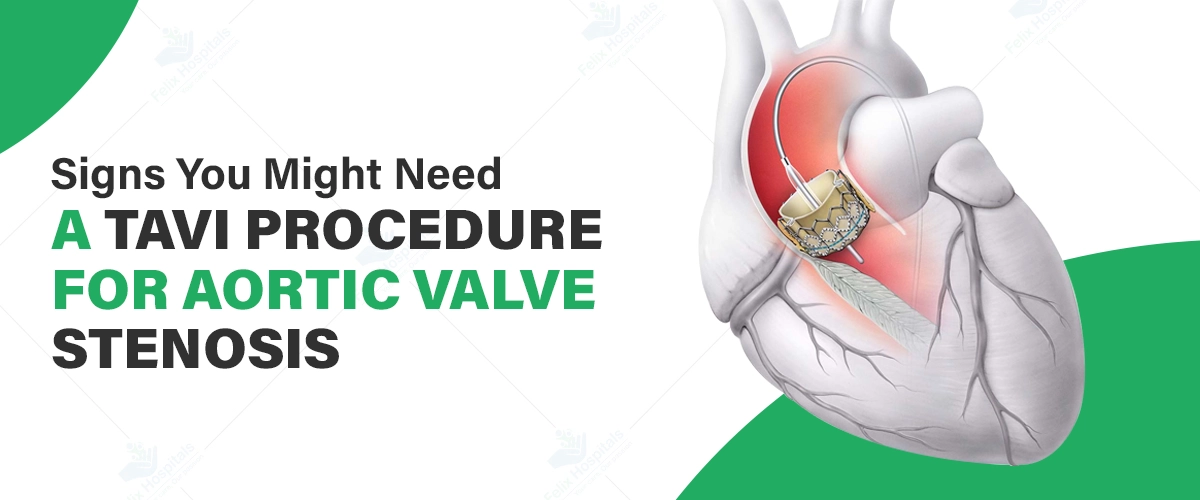
Aortic valve stenosis is a serious heart condition that occurs when the aortic valve narrows, making it difficult for the heart to pump blood effectively. This condition can lead to severe complications, including heart failure if left untreated. For patients with aortic valve stenosis, the best hospital for heart health offers comprehensive diagnostic services and treatment options, including the innovative Transcatheter Aortic Valve Implantation (TAVI) procedure. TAVI is a minimally invasive treatment that offers hope for patients who are not candidates for traditional open-heart surgery.
Recognizing the signs that you might need TAVI is crucial to managing your heart health and improving your quality of life. For consultations, call +91 9667064100.
Aortic valve stenosis is a condition where the aortic valve, which controls blood flow from the heart to the rest of the body, becomes narrowed. This narrowing restricts blood flow, making the heart work harder to pump blood. Over time, this can lead to complications like heart failure. Symptoms of aortic valve stenosis include:
Shortness of breath
Chest pain
Fatigue If left untreated, these symptoms can worsen and affect daily life, which is why it’s essential to seek treatment early.
Transcatheter Aortic Valve Implantation (TAVI) is a minimally invasive procedure used to replace a narrowed aortic valve. Unlike traditional open-heart surgery, which requires a large incision and a long recovery time, TAVI involves inserting a new valve through a catheter that is usually inserted into a blood vessel in the leg. This approach offers several benefits:
Minimally invasive procedure with smaller incisions
Shorter recovery time compared to open-heart surgery
Less risk for patients who are not candidates for traditional surgery
TAVI is a great option for patients who are considered too high-risk for open-heart surgery due to factors like age or other health conditions.
Several key signs indicate that you may need a TAVI (Transcatheter Aortic Valve Implantation) procedure for aortic valve stenosis. This condition can worsen over time, making early intervention crucial. Here are the signs that may point toward the need for TAVI:
Persistent Symptoms of Aortic Valve Stenosis: If you continue to experience symptoms such as fatigue, shortness of breath, chest pain, dizziness, or palpitations, it could signal that the aortic valve is severely narrowed. These ongoing symptoms often indicate that the heart is struggling to pump blood effectively, which can lead to further complications if left untreated.
Worsening Symptoms Over Time: When the symptoms of aortic valve stenosis become more severe or frequent, it could indicate that the condition is progressing. If you notice that your symptoms are worsening, even with rest, this may be a sign that the aortic valve is narrowing further and may require intervention, such as TAVI.
Limitations in Physical Activity: Difficulty with everyday activities, such as climbing stairs, walking, or engaging in exercise due to shortness of breath, fatigue, or chest pain, is a significant concern. If you find yourself avoiding physical activity because of these symptoms, it's important to consult a cardiologist. This limitation can impact your overall quality of life and is a strong indicator that intervention might be needed.
Heart Failure Symptoms: Swelling in the legs, ankles, or abdomen, along with reduced exercise tolerance, may be signs of heart failure caused by aortic valve stenosis. The heart’s inability to pump blood efficiently can lead to fluid buildup in various parts of the body. If you experience any of these symptoms, it could mean that the heart is struggling to function properly and that treatment is necessary.
Presence of Syncope (Fainting): Fainting or near-fainting episodes are more common in patients with severe aortic valve stenosis. This happens because the heart is unable to pump sufficient blood to the brain due to the restricted blood flow caused by the narrowed valve. If you experience syncope or lightheadedness, it is important to seek medical attention to assess the severity of the condition.
Echocardiogram Findings: A critical diagnostic tool, an echocardiogram can confirm the degree of narrowing of the aortic valve. If your test results show that the aortic valve is severely stenosed and is impacting blood flow significantly, a TAVI procedure may be recommended as a treatment option. An echocardiogram provides a clear picture of the condition of your heart, guiding your doctor in determining the best course of action.
Risk of Complications: If you are at high risk for complications with traditional open-heart surgery due to factors like age, comorbidities, or general health, TAVI may offer a safer, minimally invasive alternative. TAVI is often recommended for patients who are considered poor candidates for conventional valve replacement surgeries but still require valve intervention to avoid worsening heart failure or other life-threatening complications.
Recognizing these signs and seeking early intervention can significantly improve outcomes for patients with aortic valve stenosis. If you experience any of these symptoms, it's essential to consult with a cardiologist to determine whether TAVI is the appropriate treatment option for you.
Candidates for TAVI are typically those with severe aortic valve stenosis who are not suitable for traditional open-heart surgery due to factors like:
Age: Older patients may have higher risks associated with surgery.
Comorbidities: Individuals with other health conditions, such as lung disease, kidney disease, or obesity, may not be able to tolerate open-heart surgery. Doctors assess eligibility for TAVI based on a patient's overall health, age, and the severity of the stenosis.
TAVI offers numerous advantages for those who qualify:
Minimally invasive with smaller incisions and quicker recovery times
Improved quality of life by relieving symptoms like chest pain and shortness of breath
Lower risk of complications for patients who are not suitable candidates for traditional surgery TAVI can provide significant relief from the debilitating symptoms of aortic valve stenosis, allowing patients to regain their daily activities and improve their overall health.
Before recommending a TAVI procedure, doctors use several diagnostic tests to confirm the severity of aortic valve stenosis:
Echocardiogram: To measure the narrowing of the valve and assess heart function.
CT scans: To evaluate the anatomy of the heart and blood vessels.
Cardiac catheterization: To check the severity of the blockage and measure the pressures inside the heart.
Clinical evaluation: A cardiologist will assess symptoms and overall health to determine the best course of treatment.
Early consultation is crucial if you experience symptoms like shortness of breath, chest pain, or dizziness. At Felix Hospitals, we have a team of highly skilled cardiologists, including Dr. Rahul Arora, Dr. Siddharth Samrat, and Dr. Virendra Singh, who specialize in heart valve treatments and TAVI procedures. Consulting with the best cardiologists at Felix Hospitals ensures you receive expert advice and care tailored to your specific condition. Timely intervention can prevent severe complications and improve outcomes.
Call +91 9667064100 for consultation or visit our website to learn more about our heart health services.
Recognizing the signs of aortic valve stenosis is essential in determining the need for treatment like TAVI. Early detection and intervention can significantly improve your quality of life. If you experience symptoms or suspect you might have aortic valve stenosis, seeking medical advice is crucial. The cost of TAVI varies depending on the severity of the condition, but it’s an investment in your heart health that can lead to better long-term outcomes. Don't delay—contact us today to learn more about the best treatment options available.
Q- What are the main risks associated with the TAVI procedure?
ANS: TAVI carries risks such as bleeding, stroke, infection, and arrhythmias. These risks vary depending on the patient's health, age, and the severity of the valve condition.
Q- Can TAVI be performed on all patients with aortic valve stenosis?
ANS: TAVI is ideal for high-risk patients who can't undergo traditional surgery, often due to age or other health conditions like lung or kidney disease.
Q- How long does it take to recover from a TAVI procedure?
ANS: Recovery from TAVI is typically quick, with most patients returning to normal activities in 1-2 weeks, but avoiding intense exertion for 4-6 weeks.
Q- How effective is the TAVI procedure in improving symptoms of aortic valve stenosis?
ANS: TAVI significantly improves symptoms like shortness of breath and chest pain, often leading to a better quality of life post-procedure.
Q- Are there any long-term risks or considerations after undergoing TAVI?
ANS: While TAVI is generally safe, valve degeneration over time may require future interventions. Regular follow-up is essential to monitor valve health.

For those seeking guidance and treatment for stress-related heart issues, consulting the best hospital for heart health can provide the necessary support and resources for maintaining overall well-being.
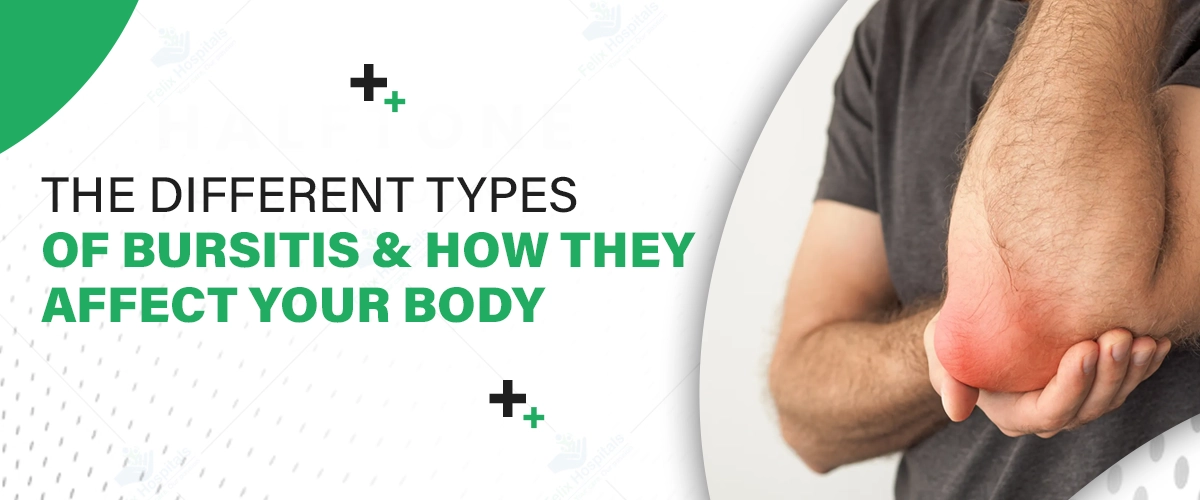

Bursitis is the inflammation of a bursa—a small fluid-filled sac that cushions bones, tendons, and muscles near joints. It commonly affects the shoulder, elbow, hip, or knee.
Bone fractures are common injuries from accidents or falls. While many heal well, complications can arise, affecting recovery. Learn more about these issues and treatments.

डेंगू बुखार एक सामान्य लेकिन गंभीर वायरल बीमारी है, जो मुख्य रूप से एडीज मच्छरों के काटने से फैलती है। यह बीमारी सभी उम्र के लोगों को प्रभावित कर सकती है, लेकिन बच्चों में इसके लक्षण ज्यादा गंभीर और खतरनाक हो सकते हैं बच्चों में डेंगू बुखार का जल्दी पता न लगने पर यह गंभीर रूप ले सकता है। माता-पिता को बच्चों में डेंगू के लक्षणों के प्रति सतर्क रहना बेहद जरूरी है साथ ही बच्चे को डेंगू के इलाज के लिए सर्वश्रेष्ठ अस्पताल भी लेकर जाना चाहिए ताकि किसी भी खतरनाक स्थिति को समय रहते टाला जा सके इस ब्लॉग में, हम बच्चों में डेंगू के लक्षण, इसके खतरनाक संकेत और बचाव के उपायों पर चर्चा करेंगे।
ज्यादा जानकारी के लिए हमें कॉल करें +91 9667064100.
डेंगू बुखार क्या है? (What is dengue fever) ?
बच्चों में डेंगू के सामान्य लक्षण (Common Symptoms of Dengue in Children)
खतरनाक लक्षण जिन्हें न करें नजरअंदाज (Dangerous symptoms that should not be ignored)
डेंगू की पहचान कैसे करें? (How to identify dengue) ?
बच्चों में डेंगू से बचाव के उपाय (Tips to Prevent Dengue in Children)
डेंगू का उपचार और घरेलू उपाय (Dengue treatment and home remedies)
माता-पिता के लिए सुझाव (Tips for parents)
फेलिक्स हॉस्पिटल्स में डेंगू के विशेषज्ञ के बारे में जाने (Know about Dengue Specialists at Felix Hospitals)
निष्कर्ष (Conclusion)
अक्सर पूछे जाने वाले प्रश्न और उनके उत्तर (Frequently asked questions and their answers)
डेंगू बुखार एक वायरल संक्रमण है, जो डेंगू वायरस के कारण होता है। यह एडीज इजिप्टी और एडीज एल्बोपिक्टस मच्छरों के काटने से फैलता है, जो आमतौर पर दिन के समय सक्रिय होते हैं। यह बीमारी मुख्य रूप से उष्णकटिबंधीय और उपोष्णकटिबंधीय क्षेत्रों में होती है, लेकिन अब इसका प्रभाव शहरी और ग्रामीण इलाकों में भी बढ़ रहा है। डेंगू की गंभीरता को समझना और बच्चों में इसके शुरुआती लक्षणों की पहचान करना बहुत जरूरी है। समय पर डॉक्टर से परामर्श और उचित उपचार से इसे नियंत्रित किया जा सकता है।
डेंगू वायरस चार प्रकार के होते हैं (DENV-1, DENV-2, DENV-3, DENV-4)।
मादा एडीज मच्छर किसी संक्रमित व्यक्ति का खून चूसने के बाद वायरस को स्वस्थ व्यक्ति में फैलाता है।
पानी जमा होने वाले क्षेत्रों जैसे गमले, कूलर, टायर, या खुली जगहों में रुके हुए पानी में यह मच्छर पनपते हैं।
1-क्लासिकल डेंगू बुखारः
यह डेंगू का सामान्य रूप है। इसमें तेज बुखार, सिरदर्द, मांसपेशियों और जोड़ों में दर्द, आंखों के पीछे दर्द, और त्वचा पर लाल चकत्ते दिखाई देते हैं। यह आमतौर पर 5-7 दिनों में ठीक हो जाता है।
2-डेंगू हेमरेजिक फीवर (डीएचएफ) :
यह डेंगू का गंभीर रूप है। इसमें खून बहने की समस्या, प्लेटलेट्स का तेजी से गिरना, और रक्त वाहिकाओं का रिसाव होता है। समय पर इलाज न मिलने पर यह जानलेवा हो सकता है।
बच्चों में डेंगू बुखार की शुरुआत अक्सर अचानक होती है। इसके लक्षण कभी-कभी सामान्य बुखार से मिलते-जुलते होते हैं, लेकिन इन लक्षणों को नजरअंदाज करना गंभीर हो सकता है। इन लक्षणों को सामान्य बुखार समझकर अनदेखा न करें। यदि इनमें से एक या अधिक लक्षण बच्चे में दिखें, तो तुरंत डॉक्टर से संपर्क करें। समय पर इलाज और देखभाल से डेंगू के प्रभाव को नियंत्रित किया जा सकता है। माता-पिता को बच्चों में इन सामान्य लक्षणों पर ध्यान देना चाहिए:
1-अचानक तेज बुखारः
डेंगू बुखार का सबसे पहला और मुख्य लक्षण तेज बुखार है। बुखार 102-104°F तक जा सकता है और यह कई दिनों तक रह सकता है।
2-सिरदर्द, मांसपेशियों और जोड़ों में दर्द :
बच्चे सिरदर्द की शिकायत कर सकते हैं, विशेषकर माथे के पास। मांसपेशियों और जोड़ों में दर्द इतना अधिक हो सकता है कि बच्चा चलने-फिरने में असहज महसूस करे।
3-त्वचा पर लाल चकत्ते :
त्वचा पर लाल रंग के चकत्ते डेंगू के प्रमुख लक्षणों में से एक हैं। ये चकत्ते बुखार के 2-3 दिन बाद दिखाई दे सकते हैं और यह पूरे शरीर में फैल सकते हैं।
4-भूख न लगना और कमजोरीः
बच्चे खाने-पीने में रुचि नहीं दिखाते। कमजोरी के कारण वे सुस्त और थके हुए महसूस करते हैं।
डेंगू बुखार में कुछ लक्षण ऐसे होते हैं, जो यह संकेत देते हैं कि स्थिति गंभीर हो सकती है। यदि बच्चों में ये लक्षण दिखाई दें, तो इसे नजरअंदाज न करें और तुरंत चिकित्सकीय मदद लें। ये लक्षण डेंगू हेमरेजिक फीवर (डीएचएफ) या डेंगू शॉक सिंड्रोम (डीएसएस) का संकेत हो सकते हैं। समय पर सतर्कता और सही इलाज से इन खतरनाक स्थितियों को नियंत्रित किया जा सकता है। बच्चों की सेहत में किसी भी बदलाव को हल्के में न लें।
1-लगातार पेट दर्द:
बच्चा पेट के निचले हिस्से में तेज और लगातार दर्द की शिकायत कर सकता है। यह डेंगू के गंभीर होने का संकेत है, खासकर जब यह दर्द बुखार के साथ हो।
2-उल्टी या खून आना:
बार-बार उल्टी आना या उल्टी में खून के धब्बे दिखाई देना खतरनाक है। मल में खून के निशान दिखना भी गंभीर स्थिति का संकेत हो सकता है।
3-नाक या मसूड़ों से खून बहना
बच्चों के नाक या मसूड़ों से खून बहने लगना प्लेटलेट्स की कमी का संकेत है। यह शरीर में खून जमने की प्रक्रिया में रुकावट के कारण होता है।
4-ठंडा पसीना, बेचैनी और त्वचा का पीला पड़ना:
बच्चों की त्वचा का रंग अचानक पीला, ठंडा, और नम हो सकता है। ये लक्षण शरीर में रक्त प्रवाह के असंतुलन का संकेत देते हैं, जो डेंगू शॉक सिंड्रोम की ओर इशारा कर सकते हैं।
5-प्लेटलेट्स का गिरना और खून जमने की समस्या
डेंगू में प्लेटलेट काउंट तेजी से गिरता है। खून के जमने में समस्या होने से आंतरिक रक्तस्राव हो सकता है, जो जानलेवा हो सकता है।
डेंगू बुखार के लक्षण कई अन्य वायरल बुखारों से मिलते-जुलते हो सकते हैं, इसलिए इसकी सही पहचान के लिए चिकित्सा जांच आवश्यक है। सही समय पर परीक्षण से डेंगू की पुष्टि होती है, जिससे इलाज में देरी नहीं होती। डॉक्टर से परामर्श और सही समय पर टेस्ट डेंगू से लड़ने का सबसे महत्वपूर्ण कदम है।
1-डॉक्टर से परामर्श और प्राथमिक जांचः
यदि बच्चे में डेंगू के लक्षण दिखते हैं, तो तुरंत डॉक्टर से संपर्क करें। डॉक्टर शारीरिक लक्षणों की जांच करते हुए रोगी की पूरी चिकित्सा पृष्ठभूमि (मेडिकल हिस्ट्री) की जानकारी लेंगे। बुखार, सिरदर्द, चकत्ते, और प्लेटलेट काउंट की स्थिति के आधार पर डेंगू की संभावना का आकलन किया जाएगा।
2-ब्लड टेस्ट के माध्यम से पुष्टिः
a> प्लेटलेट काउंट टेस्ट
डेंगू में प्लेटलेट्स तेजी से गिरते हैं। सामान्य प्लेटलेट काउंट 1,50,000–4,50,000 प्रति माइक्रोलीटर होता है, लेकिन डेंगू में यह 20,000-50,000 तक गिर सकता है।
b>एनएस 1 एंटीजन टेस्ट
यह डेंगू वायरस की प्रारंभिक पहचान के लिए किया जाता है। बुखार के पहले 5 दिनों के भीतर यह टेस्ट अधिक प्रभावी होता है।
c>आईजीएम और आईजीजी एंटीबॉडी टेस्ट
यह टेस्ट डेंगू वायरस के प्रति शरीर में बनी एंटीबॉडी का पता लगाने के लिए किया जाता है। आईजीएम एंटीबॉडी प्रारंभिक संक्रमण का संकेत देती है, जबकि आईजीजी एंटीबॉडी पुराने या दोबारा संक्रमण का।
d>सीबीसी (पूर्ण रक्त गणना)
यह सफेद रक्त कोशिकाओं (डब्ल्यूबीसी), लाल रक्त कोशिकाओं (आरबीसी), और हीमोग्लोबिन के स्तर की जांच करता है। डेंगू में डब्ल्यूबीसी और प्लेटलेट्स की संख्या घट सकती है।
3-अन्य चिकित्सा जांच
यदि लक्षण गंभीर हैं, तो डॉक्टर लीवर फंक्शन टेस्ट (एलएफटी) या कोएगुलेशन प्रोफाइल की सलाह दे सकते हैं। आंतरिक रक्तस्राव की संभावना होने पर अल्ट्रासाउंड या अन्य स्कैन किया जा सकता है।
डेंगू जैसी खतरनाक बीमारी से बचने के लिए मच्छरों के काटने से बचाव और मच्छरों की उत्पत्ति को रोकना सबसे महत्वपूर्ण कदम है। बच्चों को इस बीमारी से सुरक्षित रखने के लिए माता-पिता को विशेष सतर्कता बरतनी चाहिए। डेंगू से बचाव के लिए ये छोटे-छोटे कदम बच्चों को इस गंभीर बीमारी से सुरक्षित रखने में मदद कर सकते हैं। ध्यान रखें कि रोकथाम इलाज से बेहतर है। यहां कुछ प्रभावी उपाय दिए गए हैं:
1-मच्छरदानी और मच्छर भगाने वाले क्रीम का उपयोग
सोते समय मच्छरदानी का उपयोग करें, खासकर छोटे बच्चों के लिए। बच्चों की त्वचा पर मच्छर भगाने वाले क्रीम या लोशन (जो बच्चों के लिए सुरक्षित हों) का इस्तेमाल करें। घर में मच्छर भगाने वाले उपकरण, जैसे कि इलेक्ट्रिक रिपेलेंट्स या कॉइल, का उपयोग करें।
2-घर और आसपास पानी जमा न होने देंः
मच्छर रुके हुए साफ पानी में अंडे देते हैं, इसलिए यह सुनिश्चित करें कि घर और आसपास पानी जमा न हो। कूलर, गमले, टायर, और पानी के बर्तन नियमित रूप से खाली और साफ करें। छत या बालकनी में रखे अनुपयोगी सामान में पानी जमा न होने दें।
3-बच्चों को पूरी आस्तीन के कपड़े पहनानाः
बच्चों को हल्के रंग के, पूरी आस्तीन वाले कपड़े पहनाएं, जो उनके शरीर को अधिकतम रूप से ढक सकें। स्कूल जाते समय और बाहर खेलते समय यह उपाय विशेष रूप से उपयोगी होता है।
4-स्कूल और अन्य स्थानों पर स्वच्छता का ध्यानः
बच्चों के स्कूल और खेलने के स्थानों पर साफ-सफाई का ध्यान दें। स्कूल प्रशासन से मच्छर नियंत्रण उपायों, जैसे फॉगिंग और पानी के जमाव की रोकथाम, की जानकारी लें। बच्चों को स्वच्छता के महत्व के बारे में सिखाएं, जैसे पानी के बर्तनों को ढककर रखना।
बच्चों को डेंगू जैसी गंभीर बीमारी से सुरक्षित रखने के लिए माता-पिता की सतर्कता और सही कदम बेहद जरूरी हैं। डेंगू के लक्षणों और उपचार प्रक्रिया को समझते हुए बच्चों की देखभाल करने से स्थिति को नियंत्रित करना संभव है। माता-पिता की सतर्कता और सही समय पर लिए गए निर्णय बच्चों को डेंगू से सुरक्षित रखने में मदद कर सकते हैं। आपकी सावधानी ही बच्चों की सेहत का सबसे बड़ा सुरक्षा कवच है। यहां माता-पिता के लिए कुछ सुझाव दिए गए हैं:
1-बच्चों के स्वास्थ्य पर लगातार नजर रखेंः
बच्चों में किसी भी असामान्य लक्षण, जैसे बुखार, थकान, चकत्ते, या भूख न लगना दिखे तो सतर्क हो जाएं। डेंगू के मौसम (मानसून और उसके बाद) में बच्चों के स्वास्थ्य पर अधिक ध्यान दें। नियमित रूप से उनकी शारीरिक स्थिति की जांच करें और तरल पदार्थ का सेवन सुनिश्चित करें।
2-लक्षण दिखने पर तुरंत डॉक्टर से संपर्क करेंः
यदि बच्चे को तेज बुखार, लगातार पेट दर्द, उल्टी, या खून बहने जैसे लक्षण दिखें तो समय बर्बाद न करें। शुरुआती चरण में डॉक्टर से परामर्श लेने से जटिलताओं को रोका जा सकता है। नियमित ब्लड टेस्ट करवाकर प्लेटलेट काउंट और अन्य आवश्यक मापदंडों की निगरानी करें।
3-डेंगू को हल्के में न लेंः
डेंगू को सामान्य बुखार समझकर नजरअंदाज न करें। खतरनाक लक्षण जैसे ठंडा पसीना, कमजोरी, और नाक या मसूड़ों से खून बहना गंभीर स्थिति का संकेत हो सकते हैं। बच्चों की शिकायतों को समझें और उनकी बातों को महत्व दें।
4-रोकथाम के उपाय अपनाएंः
मच्छरों से बचाव के लिए बच्चों को पूरी आस्तीन के कपड़े पहनाएं और मच्छर भगाने वाले उत्पादों का उपयोग करें। घर और आसपास की साफ-सफाई का ध्यान रखें और पानी जमा न होने दें। बच्चों को सुरक्षित आदतें सिखाएं, जैसे मच्छरों के काटने से बचने के तरीके।
5-भावनात्मक और शारीरिक समर्थन दें
बीमारी के दौरान बच्चों को आरामदायक माहौल दें और उनकी देखभाल करें। उन्हें पौष्टिक भोजन और भरपूर तरल पदार्थ देकर उनका स्वास्थ्य बनाए रखें। बच्चों को सकारात्मक बनाए रखें ताकि वे मानसिक रूप से भी मजबूत महसूस करें।
फेलिक्स हॉस्पिटल्स में डेंगू के इलाज के लिए सर्वश्रेष्ठ डॉक्टर की टीम उपलब्ध है, जो मरीजों को उच्चतम स्तर की चिकित्सा सेवाएं प्रदान करती है।
नोएडा सेक्टर 137 में फेलिक्स हॉस्पिटल
नोएडा सेक्टर 137 में स्थित फेलिक्स हॉस्पिटल अत्याधुनिक सुविधाओं से सुसज्जित है और यहां डेंगू के इलाज के लिए अनुभवी चिकित्सक उपलब्ध हैं। डॉ. अंशुमाला सिन्हा, डॉ. नीलाभ प्रताप, डॉ. प्रियंका सिंह, और डॉ. सोनाक्षी सक्सेना जैसे विशेषज्ञ जनरल फिजिशियन आपकी स्वास्थ्य आवश्यकताओं को समझते हुए व्यक्तिगत इलाज प्रदान करते हैं।
ग्रेटर नोएडा गामा 1 में फेलिक्स हॉस्पिटल
ग्रेटर नोएडा गामा 1 में फेलिक्स हॉस्पिटल भी डेंगू जैसी बीमारियों के इलाज के लिए एक भरोसेमंद केंद्र है। यहां डॉ. रवि शर्मा, डॉ. अपूर्वा शेट्टी, और डॉ. केशव कुमार गर्ग जैसे चिकित्सक अपनी विशेषज्ञता और अनुभव के साथ मरीजों की तेजी से रिकवरी सुनिश्चित करते हैं।
यदि आपके बच्चे में डेंगू के लक्षण दिखें, तो जनरल फिजिशियन से संपर्क करना सबसे उपयुक्त होता है। डॉक्टर की सलाह के लिए आज ही फोन करें - +91 9667064100.
डेंगू बुखार एक गंभीर बीमारी है, जो बच्चों को अधिक प्रभावित कर सकती है। लेकिन सही समय पर पहचान, उपचार और सतर्कता से इसे नियंत्रित किया जा सकता है। माता-पिता और समाज को डेंगू के लक्षण, बचाव के उपाय, और इलाज के तरीकों के बारे में जानकारी होनी चाहिए। बच्चों में डेंगू के लक्षणों को नजरअंदाज न करें और समय पर डॉक्टर से संपर्क करें। मच्छरों की संख्या को नियंत्रित करना और साफ-सफाई बनाए रखना डेंगू के प्रसार को रोकने का सबसे प्रभावी तरीका है। डेंगू के प्रति जागरूक रहकर, सही कदम उठाकर और बच्चों की देखभाल में सक्रिय भूमिका निभाकर हम उन्हें इस बीमारी से सुरक्षित रख सकते हैं। ध्यान रखें, सतर्कता और समय पर की गई कार्रवाई से बड़ी से बड़ी समस्या का समाधान संभव है।
प्रश्न 1. क्या डेंगू के दौरान घरेलू उपाय प्रभावी होते हैं ?
उत्तर: कुछ घरेलू उपाय जैसे पपीते के पत्तों का रस और गिलोय का सेवन डेंगू के दौरान सहायक हो सकते हैं, लेकिन इन्हें डॉक्टर की सलाह के बाद ही अपनाएं। घरेलू उपाय उपचार का विकल्प नहीं होते, और डॉक्टर द्वारा दी गई दवाइयों का पालन करना जरूरी है।
प्रश्न 2. बच्चों में डेंगू की पहचान कैसे करें ?
उत्तर: बच्चों में डेंगू की पहचान के लिए डॉक्टर से संपर्क करना सबसे सही तरीका है। अगर बच्चे में बुखार, सिरदर्द, मांसपेशियों और जोड़ों में दर्द, लाल चकत्ते, या कमजोरी के लक्षण दिखाई दें, तो तुरंत डॉक्टर से जांच करवाएं। प्लेटलेट काउंट और NS1 एंटीजन टेस्ट जैसे ब्लड टेस्ट से डेंगू की पुष्टि की जाती है।
प्रश्न 3. क्या डेंगू के बाद कोई जटिलताएँ हो सकती हैं ?
उत्तर: डेंगू के बाद यदि इलाज समय पर नहीं किया जाता, तो यह डेंगू हेमरेजिक फीवर (डीएचएफ) या डेंगू शॉक सिंड्रोम (डीएसएस) का कारण बन सकता है, जिससे रक्तस्राव, प्लेटलेट्स की कमी, और शरीर में रक्त का संचार कम हो सकता है। इसलिये, डेंगू को हल्के में नहीं लें और उचित इलाज लें।
प्रश्न 4. क्या डेंगू एक बार होने के बाद फिर से हो सकता है ?
उत्तर: हां, डेंगू एक बार होने के बाद फिर से हो सकता है। डेंगू के वायरस के चार प्रकार होते हैं, और किसी भी प्रकार के वायरस से संक्रमित होने पर आपको भविष्य में दूसरे प्रकार के वायरस से संक्रमित होने का खतरा हो सकता है।
प्रश्न 5. क्या डेंगू के लिए कोई टीका है ?
उत्तर: डेंगू के लिए कुछ देशों में टीका उपलब्ध है, लेकिन यह सभी आयु समूहों के लिए नहीं है। अभी तक डेंगू के लिए पूर्ण रूप से प्रभावी और सार्वभौमिक रूप से उपलब्ध टीका नहीं है। डेंगू से बचाव के लिए मच्छरों से बचाव के उपायों पर ध्यान देना जरूरी है।
प्रश्न 6. डेंगू के दौरान बच्चों को किस प्रकार का आहार देना चाहिए ?
उत्तर: डेंगू के दौरान बच्चों को हल्का, सुपाच्य और पौष्टिक भोजन देना चाहिए, जैसे खिचड़ी, दलिया, उबले हुए सब्जियां, और फल। ताजे फलों जैसे पपीता, अमरूद, और अनार का सेवन भी प्लेटलेट्स बढ़ाने में मदद कर सकता है।
प्रश्न 7. क्या डेंगू के इलाज में अस्पताल में भर्ती की आवश्यकता होती है ?
उत्तर: यदि डेंगू के लक्षण गंभीर हों, जैसे कि प्लेटलेट्स की अत्यधिक कमी, पेट में दर्द, उल्टी, या रक्तस्राव, तो अस्पताल में भर्ती की आवश्यकता हो सकती है। हल्के मामलों में घर पर उपचार संभव है, लेकिन डॉक्टर की सलाह के बिना किसी भी स्थिति में इलाज न करें।
Dengue is a mosquito-borne viral disease causing high fever, body pain, and rashes. It spreads through Aedes mosquitoes. Early treatment and mosquito control help prevent complications.
Consult the best general physician for dengue fever at Felix Hospital. Their expertise in diagnosing and managing dengue virus infections can lead to timely and effective treatment.
At Felix Hospital, we have a team of highly skilled internal medicine specialists, including Dr. Anshumala Sinha, Dr. Sonakshi Saxena, and Dr. Priyanka Singh, who are experienced in managing dengue fever and its complications.

Chronic Obstructive Pulmonary Disease (COPD) can significantly impact your quality of life, making it essential to adopt strategies that enhance lung health and overall respiratory function. Nutrition plays a crucial role in managing COPD and improving lung capacity. This guide explores the importance of diet in supporting respiratory health and provides actionable dietary tips for better lung health. If you’re seeking advanced care, the best hospital for lung disease treatments is here to help you breathe easier and live healthier.
Take the first step towards better lung health. Contact Felix Hospitals today by Calling +91 9667064100!
Proper nutrition is essential for managing COPD and other lung-related conditions. The right diet can:
Improve Lung Function: Nutrients like antioxidants and vitamins reduce inflammation and support tissue repair.
Boost Energy Levels: COPD can increase the effort needed to breathe, requiring more energy. A balanced diet ensures you meet these increased energy demands.
Strengthen Immunity: A well-rounded diet can help prevent respiratory infections exacerbating COPD.
Maintain a Healthy Weight: Being overweight can strain your lungs, while being underweight may weaken your respiratory muscles.
Nutrition is pivotal in maintaining and enhancing lung health, especially for individuals managing lung disease and respiratory health. Including the right foods in your diet can reduce inflammation, improve lung function, and provide essential nutrients that support the respiratory system. Here's a detailed guide on foods that promote better lung health:
Fruits and vegetables are packed with antioxidants, vitamins, and minerals that help combat oxidative stress and inflammation in the lungs. Consuming a variety of these can also boost your immune system, protecting you against respiratory infections.
Berries: Blueberries, raspberries, and strawberries are rich in anthocyanins, antioxidants that protect lung tissues.
Leafy Greens: Spinach, kale, and arugula provide vitamins like A, C, and K, crucial for lung repair and maintenance.
Citrus Fruits: Oranges, grapefruits, and lemons are high in vitamin C, which supports immune health and reduces inflammation.
Other Vegetables: Bell peppers, carrots, and broccoli are excellent sources of beta-carotene and antioxidants, promoting better oxygen uptake.

Whole grains are low in saturated fat and high in fiber, making them an excellent energy source without causing inflammation in the body. They also regulate blood sugar levels, preventing spikes that can worsen lung conditions.
Brown Rice: A nutritious alternative to white rice, providing magnesium for lung function.
Oats: High in soluble fiber, oats help improve digestion and provide sustained energy.
Quinoa: Rich in protein and amino acids, quinoa supports muscle health, including respiratory muscles.
Healthy fats, especially omega-3 fatty acids, have anti-inflammatory properties that can help reduce airway inflammation and improve lung function.
Fatty Fish: Salmon, mackerel, and sardines are rich in omega-3 fatty acids and help improve oxygen flow to the lungs.
Nuts and Seeds: Flaxseeds, chia seeds, and walnuts are plant-based sources of omega-3s that also provide fiber and essential minerals.
Avocado: A rich source of monounsaturated fats, avocados support overall cardiovascular and lung health.
Protein is essential for muscle strength, including the diaphragm and other respiratory muscles. A diet rich in lean proteins ensures that the body has the resources to repair and maintain tissues effectively.
Poultry: Chicken and turkey are low-fat protein sources that help build and repair tissues.
Fish: Besides omega-3s, fish provides lean protein essential for overall health.
Legumes: Lentils, chickpeas, and black beans are high in protein and fiber, promoting muscle health and aiding digestion.
Hydration is key to maintaining thin mucus in the lungs, which makes it easier to breathe and reduces the risk of lung infections. Along with drinking plenty of water, include water-rich foods in your diet:
Cucumbers: Hydrating and refreshing, they are low in calories and high in water content.
Watermelon: Provides hydration and is a good source of antioxidants.
Soups and Broths: A warm and comforting way to stay hydrated, soups made with healthy ingredients can also boost immunity.
Herbs and spices not only add flavor to your meals but also offer anti-inflammatory and antioxidant benefits that support lung health.
Turmeric: Contains curcumin, a powerful anti-inflammatory compound that helps alleviate respiratory inflammation.
Ginger: Known for its soothing properties, ginger can help reduce airway inflammation and improve lung function.
Garlic: Packed with allicin, garlic has antimicrobial properties that may protect against lung infections.
Peppermint: Helps relax the muscles of the respiratory tract, improving airflow and easing breathing.

To maximize the benefits of these foods, combine them with a balanced lifestyle that includes regular exercise, adequate sleep, and stress management. Cooking methods also matter—steaming, grilling, or baking are healthier options than frying.
Felix Hospitals is dedicated to providing holistic care for patients with lung diseases, offering expert medical advice, nutrition counseling, and personalized treatment plans. Our state-of-the-art facilities and compassionate team make us the best hospital for lung disease treatments.
Comprehensive care for COPD, asthma, and other lung conditions
Advanced diagnostic and treatment technologies
Collaborative care involving pulmonologists, dieticians, and therapists
At Felix Hospitals, we are proud to house some of the Best Pulmonologists In Noida and respiratory health.
Dr. Pooja Yadav: Specializes in creating COPD-friendly meal plans.
Dr. Nida Zafar: Known for personalized nutrition strategies for lung health.
Dr. Shivani Ahlawat: Expert in balancing nutritional needs with COPD management.
Dr. Priyadarshi Jitendra Kumar: With over two decades of experience, he specializes in treating COPD, asthma, and other chronic lung diseases.
Let us help you breathe easier and live better. Schedule a consultation with our expert pulmonologists and dieticians at Felix Hospitals by Clicking Here.
Managing COPD and other respiratory conditions starts with the right nutritional choices. Incorporating lung-friendly foods into your diet can significantly improve your respiratory health and overall well-being. For those seeking expert care and advice, Felix Hospitals is your trusted partner, offering tailored solutions and advanced treatments. Whether you’re managing COPD or seeking information on lung cancer treatment costs in Noida, Felix Hospitals is here to guide you every step of the way.
Q- How can a high-protein diet improve respiratory muscle function in COPD patients?
ANS: A high-protein diet helps strengthen the diaphragm and other respiratory muscles, which are crucial for effective breathing. Proteins repair muscle tissues and support overall energy needs in individuals with increased respiratory effort.
Q- Are there any specific fruits or vegetables that help reduce mucus production in the lungs?
ANS: Pineapple and papaya contain enzymes like bromelain and papain, which can help reduce mucus and inflammation in the respiratory system. Leafy greens like spinach are also beneficial due to their vitamin K content.
Q- Can omega-3 fatty acids directly improve symptoms of chronic lung inflammation?
ANS: Yes, omega-3 fatty acids found in salmon, flaxseeds, and walnuts have anti-inflammatory properties that can help reduce airway inflammation, a common issue in COPD and other lung conditions.
Q- How does staying hydrated affect mucus thickness in COPD patients?
ANS: Proper hydration keeps mucus thin and less sticky, making it easier for the lungs to expel, which reduces the risk of infections and breathing difficulties. Water-rich foods like cucumbers and watermelon can aid in hydration.
Q- Are there specific herbs or spices that can act as natural bronchodilators?
ANS: Herbs like thyme and spices like turmeric and ginger have natural anti-inflammatory and bronchodilator properties. They can help relax the airways and improve airflow, especially in people with COPD.
Q- What role does magnesium play in lung health, and which foods are rich in it?
ANS: Magnesium is vital for muscle relaxation, including the bronchial muscles, which can ease breathing. Foods like nuts, seeds, quinoa, and dark leafy greens are excellent sources of magnesium.
Q- Can COPD patients benefit from intermittent fasting or meal-timing strategies?
ANS: Controlled meal timing can help manage bloating and reduce pressure on the diaphragm, improving breathing. For example, eating smaller, frequent meals prevents fullness and allows easier lung expansion.
A COPD friendly diet is important for several reasons as discussed before. It can assist in relieving symptoms, controlling life threats and managing overweight.

Breathing is Life," highlights the importance of lung health. Discover essential prevention tips to protect your lungs and improve quality of life.
Additionally, many COPD patients experience unintended weight loss and muscle wasting, a condition known as Pulmonary cachexia.


Subscribe to our
© Copyright 2026. All Rights Reserved by Felix Healthcare Private Limited
Design and development by :


 +(91)9667064100
 Emergency : +(91)9667064100