 WhatsApp
 Emergency:
  WhatsApp



Subscribe to our

Glaucoma is a group of eye conditions that cause damage to the optic nerve, which is essential for vision. It is one of the leading causes of blindness worldwide. While the symptoms of glaucoma can be subtle and go unnoticed until significant damage has been done, early prevention and management can make a huge difference in maintaining good vision. The best hospital for glaucoma surgery will provide not only treatment but also guidance on lifestyle choices that help prevent this debilitating condition.
In this blog, we will explore how various lifestyle choices play a role in reducing the risk of glaucoma and its symptoms. Through proper care, regular check-ups, and informed decisions, you can protect your eyesight and prevent the onset of glaucoma.
Remember, vision is precious—take the steps today for a clearer tomorrow! Call us Now at +91 9667064100.
Glaucoma is a condition where the optic nerve, which transmits visual information to the brain, gets damaged, often due to high intraocular pressure. Over time, this can lead to a gradual loss of vision. There are several types of glaucoma, the most common being:
The symptoms of glaucoma are often not noticeable in the early stages. However, as the condition progresses, symptoms may include:
Recognizing glaucoma symptoms early and seeking medical intervention is crucial to prevent severe damage.
Lifestyle choices directly influence eye health. A balanced lifestyle, including a healthy diet, regular exercise, and stress management, can contribute to lower the risk of developing glaucoma. By maintaining overall health, you can support the health of your eyes and reduce the chance of experiencing the symptoms of glaucoma.
Certain foods can contribute to the health of your eyes and may help prevent glaucoma:
Regular physical activity can help maintain eye health by improving circulation and reducing intraocular pressure. Exercise like yoga, swimming, and aerobics is especially beneficial. Maintaining a healthy weight and reducing stress also have positive effects on eye health and overall well-being.
Taking care of your eyes and protecting them from environmental harm is essential in glaucoma prevention:
Chronic stress can affect your overall health, including eye health, and contribute to increased intraocular pressure. Practices such as meditation, deep breathing, and yoga can reduce stress levels and help maintain eye pressure within healthy limits.
Poor sleep habits have been linked to an increased risk of glaucoma. During sleep, the body regulates intraocular pressure, so maintaining a healthy sleep schedule is critical. Ensure you get 7-8 hours of quality sleep each night to support eye health.
Certain habits and medical conditions increase the risk of glaucoma:
Regular eye exams are the best way to detect glaucoma early. Those who should consider getting screened include:
Individuals over 40, especially those with a family history of glaucoma.
People with high intraocular pressure or those on medications that may increase eye pressure.
The frequency of eye exams depends on your risk factors, so consult your healthcare provider for a personalized schedule.
If you are looking for expert care for glaucoma, Felix Hospitals is home to some of the best ophthalmologists in Noida:
Experiencing glaucoma? Don't worry—Felix Hospital is here to help. Click here for more information and get the expert care you need.
Glaucoma is a serious condition that can lead to irreversible vision loss if not managed properly. However, by adopting a healthy lifestyle, maintaining regular eye exams, and managing risk factors, you can reduce your risk and maintain your vision.
The glaucoma surgery cost may vary depending on various factors, but early detection can prevent the need for advanced treatments later on.
Q1- How can I prevent glaucoma with a family history?
ANS: Regular eye exams, managing health conditions like hypertension, and maintaining a healthy lifestyle with proper diet, exercise, and stress management can reduce the risk. Early detection is key.
Q2- What’s the connection between intraocular pressure (IOP) and glaucoma?
ANS: High IOP can damage the optic nerve and lead to vision loss. Regular eye exams, hydration, and exercise help regulate pressure and reduce risks.
Q3- Can exercise help manage glaucoma?
ANS: Yes! Activities like yoga, swimming, and aerobics help lower IOP, improve circulation, and reduce stress, benefiting eye health.
Q4- What dietary changes can reduce glaucoma risk?
ANS: Eating antioxidant-rich foods, such as leafy greens, citrus fruits, and fatty fish, along with staying hydrated, supports eye health and maintains IOP.
Q5- How does sleep affect glaucoma risk?
ANS: Poor sleep raises IOP, increasing glaucoma risk. A regular 7-8 hour sleep schedule helps regulate eye pressure.
Q5- Is smoking linked to glaucoma?
ANS: Yes, smoking reduces blood flow to the eyes and increases IOP. Quitting smoking reduces glaucoma risk.
Q6- What are the latest advancements in glaucoma treatment?
ANS: Minimally invasive surgeries like MIGS and new treatments focus on managing IOP. Discuss all options with your ophthalmologist.
Glaucoma remains a formidable threat to vision health, yet with early detection, proactive management, and adherence to treatment, individuals can mitigate its impact.
By adhering to your treatment plan, making healthy lifestyle choices, and staying informed about your condition, you can effectively manage glaucoma and preserve your vision.
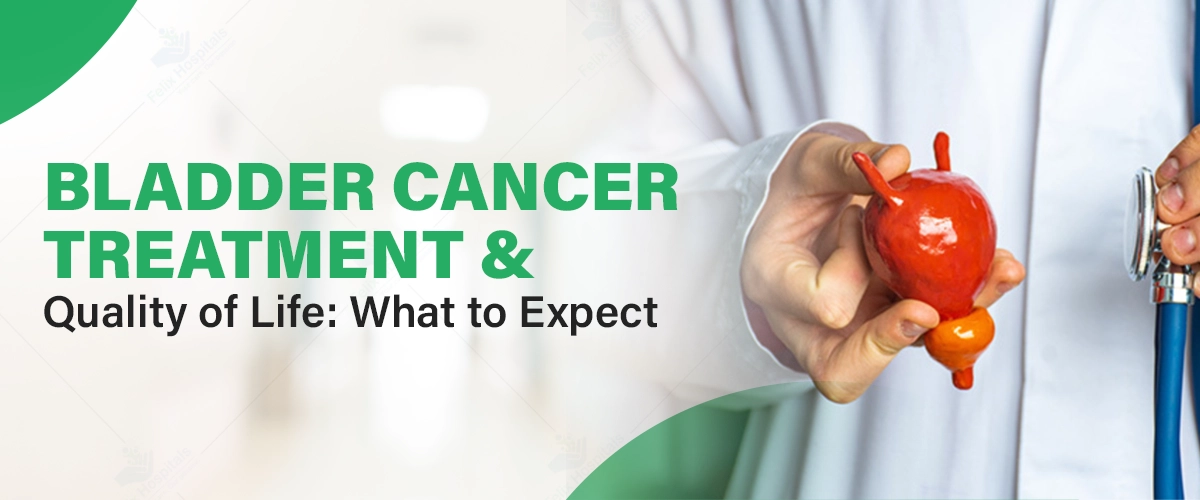
Bladder cancer is one of the most common cancers that starts when cells in the urinary bladder begin to grow out of control. Bladder cancer is five times more common in men than in women. Also, the risk of developing bladder cancer increases with age as about 70% of bladder cancer patients are above 65 years of age.
Most bladder cancers are diagnosed at an early stage, when the cancer is highly treatable. With new treatment modalities such as minimally invasive surgeries, targeted therapies, immunotherapies, and personalized approaches, bladder cancer patients now have access to more effective care options. However, the focus on quality of life after bladder cancer treatment remains just as crucial as it is during the treatment. But what if we told you that even early-stage bladder cancers can come back after successful treatment? Therefore, cancer bladder survivors need to be regular with their follow-up tests for years even after successful treatment.
If you or a loved one is diagnosed with bladder cancer, it’s essential to consult with an experienced urologist who can tailor a treatment plan that balances both life expectancy and quality of life after bladder cancer.
If you are experiencing early signs of bladder cancer, don’t wait! For cancer diagnosis, treatment and second opinion, consult Felix Hospital by calling +91 9667064100.
Bladder cancer begins in the cells of the bladder. The bladder is a hollow muscular organ in your lower abdomen that stores urine.
Bladder cancer most often begins in the urothelial cells that line the inside of your bladder. Urothelial cells are also found in your kidneys and ureters that connect the kidneys to the bladder. Urothelial cancer can happen in the kidneys and ureters, too, but it's much more common in the bladder.
There is no exact cause of bladder cancer known yet, but it is said to be a result of mutations or changes in cell’s DNA. Also, there are certain risk factors such as smoking cigarettes, cigars or pipes that increase an individual’s chance of developing bladder cancer. Infact, smoking is believed to cause half of all bladder cancers in men and women.
Among other bladder cancer risk factors that increase the risk of developing the condition, the common ones include:
• Exposure to cancer-causing chemicals such as the ones used in the manufacture of dyes, rubber, leather, textiles and paint products
• Chronic bladder or urinary infections
• Low fluid consumption
• Being male, as men are more likely to develop the disease
• Being over the age of 55 years
• High-fat diet
• Family history of bladder cancer
There are a number of symptoms that indicate presence of bladder cancer. These include: blood in urine, fatigue, weight loss, and bone tenderness, etc.
Other common symptoms include:
• Frequent urination
• Painful urination
• Pain in lower back and abdominal area
• Urinary incontinence
If an individual experiences any of the above listed symptoms that indicate bladder cancer, then the doctor may perform some specific tests to confirm the diagnosis. These tests also reveal if the cancer has spread to any other part of the body.
The following tests may be used to confirm the diagnosis:
Urinalysis: This lab test of urine is used to detect cells and substances in the urine to screen and diagnose urinary tract infections, kidney disease and other illnesses.
Internal examination: As the bladder is close to the rectum and vagina, your doctor may do an internal examination by inserting a gloved finger into the rectum or vagina to feel for anything unusual.
Cystoscopy: It is the key diagnostic procedure for diagnosis of bladder cancer.
Biopsy/Transurethral Resection of Bladder Tumor (TURBT): If abnormal tissue is found during a cystoscopy, the doctor will do a biopsy. A biopsy is a surgical procedure where a small amount of tissue is removed to examine it under a microscope. This is called Transurethral Bladder Tumor Resection (TURBT). The procedure is used to diagnose bladder cancer and find out the type of tumor. It also helps to find how deeply the tumor has grown into the layers of the bladder.
Computed tomography (CT): Imaging tests, such as computerized tomography (CT) urogram allows your doctor to examine the structures of your urinary tract. Images taken during the test provide a detailed view of your urinary tract and help your doctor identify any areas that might be cancer.
Magnetic resonance imaging (MRI): MRI uses magnetic fields to produce detailed images of the body which are helpful in measuring the tumor’s size and identifying enlarged lymph nodes.
Positron emission tomography (PET): A PET scan creates pictures of organs and tissues inside the body. A PET scan is usually combined with a CT scan, called a PET-CT Scan to diagnose bladder cancer.
Ultrasound: This procedure uses sound waves to create a picture of the internal organs and determine if there are polyps within the bladder.
IVP: This is an X-ray exam that uses a special dye to outline the kidneys, ureters and bladder and helps your doctor identify problems (if any) in the urinary tract. The test shows how your renal and urinary system handles fluid waste accumulated inside the body.
Retrograde pyelogram: During this diagnostic test, a catheter is put in through the urethra and up into the bladder or into a ureter. This test may be done along with ultrasound of the kidneys to look for tumors in the urinary tract.
Bladder cancer treatment involves a multidisciplinary approach. Therefore, the team of professionals from different specialities including Pathologists, Surgical Oncologists, Uro-Oncologists, Medical Oncologists, etc., are part of the bladder cancer care team.
Treatment for bladder cancer and the bladder cancer treatment cost depends on a number of factors, including the type and stage of the cancer, which are taken into consideration along with overall health of the patient.
Surgery: Transurethral Resection of Bladder Tumor: TURBT is a procedure that helps to diagnose as well as remove bladder cancers that are confined to the inner layers of the bladder, ones that aren't yet muscle-invasive. During the procedure, a high-energy laser may be used to kill the cancer cells.
Cystectomy: The surgery deals with the removal of all or part of the bladder. During partial cystectomy, your surgeon removes only the portion of the bladder that contains a single cancerous tumor. On the other hand, during the radical cystectomy, the entire bladder and the surrounding lymph nodes are removed.
Neobladder Reconstruction: After a radical cystectomy, your surgeon creates a urinary diversion or a way through which urine leaves your body.
• Intravesical chemotherapy is best suited for treatment of cancers that are confined to the lining of the bladder but at the same time have a high risk of recurrence
• Systemic chemotherapy is given when surgery isn't an option or to increase the chance of cure post surgery.
Immunotherapy: Immunotherapy is the use of medicines to promote the immune system to recognize and attack cancer cells. The treatment is sometimes effective in destroying bladder cancer cells.
Targeted Therapy: The therapy helps to treat advanced cancer when other treatments fail.
Although there's no guaranteed way to prevent bladder cancer, you can certainly reduce your risk by adopting some lifestyle changes. These include:
Quit smoke: Stop smoking as consumption of tobacco increases your chance of developing bladder cancer again.
Working with chemicals: If you work with chemicals, follow all safety instructions to avoid exposure.
Eat a balanced diet: Choose a diet that’s rich in a variety of fruits and vegetables as it may help reduce your risk of cancer.
Stay hydrated: Not drinking enough fluids may be a risk factor for developing bladder cancer.
Get screened regularly: If you have a family history of bladder cancer or if you experience signs of bladder cancer, such as blood in urine, make sure to get yourself checked because early detection of bladder cancer increases the likelihood of successful treatment.
Felix Hospitals, the best hospital for cancer treatment in Noida has some of the most experienced cancer specialists and the best urologist in Noida like Dr. Mukta Baxi, Dr. Abhishek Shrivastava, and Dr. Bhanwar Lal Barkesiya. We offer state-of-the-art diagnostic and advanced surgical facilities, ensuring comprehensive care for patients requiring bladder cancer treatment. With a multidisciplinary approach, our team provides personalized treatment plans for optimal outcomes.
Care for people diagnosed with bladder cancer does not end with active treatment because the fear of cancer recurrence is always there. Therefore, follow up visits to lead quality of life after bladder cancer are a must.
At Felix Hospital, Leading as the best hospital for bladder cancer treatment our teams work together to diagnose and develop the best possible individualized treatment that’s focused on preserving quality of life after . So seek an appointment with our bladder cancer specialist and gain as much information as you can about your condition, treatment options, outcome and quality of life after bladder cancer treatment.
If you’d like to talk to our bladder cancer specialist at Felix Hospitals or wish to know more about our urinary bladder surgery cost, Click Here for more.
Q1- Are there any bladder cancer complications?
ANS: Some of the known complications associated with bladder cancers are that the cancer cells spread to the nearby organs, like the liver, lungs and bones.
Other complications of bladder cancer include: anemia, swelling of the ureters, urinary incontinence, erectile dysfunction in men and sexual dysfunction in women.
Q2- Is bladder cancer hereditary?
ANS: Bladder cancer does not often run in families, and inherited gene mutations are not thought to be a major cause of this cancer.
Q3- What is chemotherapy treatment for bladder cancer?
ANS: Chemotherapy destroys cancer cells by keeping them from growing, dividing, and multiplying. Chemotherapy treatment for bladder cancer usually involves two or more chemotherapy drugs in a combination. Depending on the stage and grade of bladder cancer, a patient may receive one drug at a time or a cocktail of different chemo drugs are given the same day.
Q4- What is Ileal Conduit?
ANS: It’s a type of urinary diversion where your surgeon creates a tube (ileal conduit) using a piece of your intestine. The tube runs from the patient’s ureters, which drain their kidneys, to the outside of the body, into a pouch that the patient wears on their abdomen.
Q5- Why do I experience frequent urination after TURBT Surgery?
ANS: The need to urinate frequently for a while after the surgery is normal, but this should improve with time. It may also burn when you urinate. So, drink lots of fluids and stay hydrated.
Q6- How often should I be screened for bladder cancer?
ANS: Based on your risk of developing bladder cancer, it is important to get examined regularly. But if symptoms do appear, they should be evaluated promptly so that bladder cancer can be detected in its earliest and most treatable stages.
Gallbladder stone surgery, or cholecystectomy, is typically performed when gallstones lead to significant health issues.

Radical cystectomy is a critical surgical procedure often performed for patients with bladder cancer or severe bladder dysfunction. It involves the removal of the bladder, and sometimes, nearby organs and lymph nodes, depending on the case. If you or a loved one are facing this procedure, understanding what to expect can help alleviate concerns and prepare for a smoother journey. At the best hospital for radical cystectomy, patients receive the best care, ensuring the best possible outcomes throughout the process. It's essential to be informed about the procedure, recovery, and potential lifestyle changes to navigate this significant step with confidence.
Have questions? Contact us at +91 9667064100 for a detailed discussion about the procedure, recovery, and costs involved.
Radical cystectomy is a surgery that entails the complete removal of the bladder. For men, this may also involve the prostate and seminal vesicles, while for women, it may include the uterus, ovaries, and a portion of the vagina. This procedure is primarily recommended for bladder cancer, chronic bladder dysfunction, or congenital abnormalities that impair bladder function.
The surgery is typically performed when the bladder is no longer able to function properly or when there’s a need to prevent the spread of cancer. It’s a life-changing procedure that requires careful consideration and a comprehensive treatment plan.
Before undergoing radical cystectomy, thorough medical evaluations are essential to ensure the procedure’s safety and success. The following steps are involved:
The surgery is performed under general anesthesia. The key steps of the procedure include:
Recovery at home requires time, patience, and support. While some individuals may resume light activities in a few weeks, full recovery can take several months. Here’s what to expect:
Like any major surgery, radical cystectomy comes with potential complications:
Life after radical cystectomy involves significant changes, but many individuals successfully adjust to their new reality. Here are a few things to keep in mind:
When considering radical cystectomy, it’s important to choose the right healthcare provider. Felix Hospitals boasts some of the best urologists specializing in radical cystectomy. For patients seeking expert care, Dr. Bhanwar Lal Barkesiya is a renowned urologist with years of experience in performing radical cystectomy surgeries. His expertise in personalized care ensures that each patient receives the highest standard of treatment, both before and after surgery. Regular screenings, ongoing communication, and early intervention are key to achieving the best outcomes.
Reach out to the best doctors today and take the first step toward your recovery. Click Here for Booking your consultation at Felix Hospitals.
Radical cystectomy is a significant procedure, but with the right preparation, medical support, and mindset, patients can recover successfully and lead fulfilling lives. Understanding the procedure, recovery process, and long-term care needs is crucial to managing expectations and improving outcomes. If you’re considering this surgery, be sure to consult experienced urologists at the best hospitals for radical cystectomy to ensure you receive the best care.
To better understand the procedure and its cost in India, schedule a consultation today with experienced surgeons. Radical cystectomy costs in India may vary depending on the hospital and location, but at specialized medical facilities, you can rest assured that the care provided will align with global standards for optimal recovery.
Q- What are the different urinary diversion options after radical cystectomy, and how do I decide the best one for me?
Ans- The choice depends on various factors, including your health condition, lifestyle, and surgeon’s recommendation. Options like ileal conduit, continent reservoir, and orthotopic neobladder each have unique benefits and care requirements.
Q- What kind of pain management is provided after radical cystectomy?
Ans- Post-surgery, patients are provided with a combination of medications and techniques, including IV pain relief and oral medications, to ensure comfort during recovery.
Q- How soon after surgery can I return to work or normal activities?
Ans- The timeline for resuming daily activities depends on the nature of your job and the type of urinary diversion performed. Most patients can engage in light activities within 4–6 weeks.
Q- What are the dietary changes needed after radical cystectomy?
Ans- You’ll need a fiber-rich diet to prevent constipation and may be advised to avoid foods that can irritate your digestive system. Your doctor will provide specific guidelines tailored to your recovery.
Q- How do I care for a stoma if I have an ileal conduit?
Ans- Stoma care involves cleaning, applying a fresh pouch, and monitoring for signs of irritation or infection. Felix Hospitals provides stoma education to help patients manage this effectively.
Q- What are the risks of long-term complications like hernias or recurring infections?
Ans- Long-term complications are rare but can occur. Regular follow-ups and adopting a healthy lifestyle can help prevent or address these issues promptly.
Q- Can bladder cancer recur after a radical cystectomy?
Ans- Though radical cystectomy is a definitive treatment, there is a small chance of recurrence. Regular screenings and follow-ups are crucial for early detection and intervention.
Q- What support systems are available for patients recovering from radical cystectomy?
Ans- Felix Hospitals offers access to support groups, counseling services, and patient education programs to help patients adjust emotionally and physically after surgery.
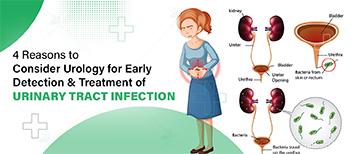
One of the best hospitals for urinary tract treatment in Noida offers comprehensive urology care, featuring expert urologists and advanced diagnostic and treatment facilities.
Explore the connection between diabetes, neurological disorders, and other health issues that contribute to OAB symptoms.
Hormones are the chemicals that regulate various bodily functions in both men and women.
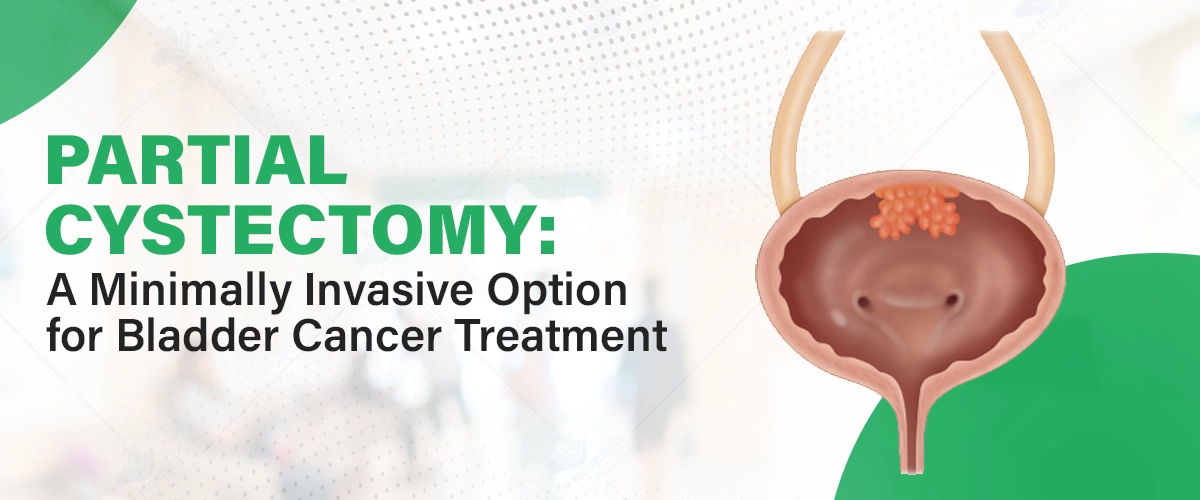
Bladder cancer is a serious and often aggressive condition that primarily affects older adults. The treatment for bladder cancer typically involves a variety of surgical and non-surgical options, depending on the stage and location of the cancer. Among these options, bladder removal surgery (cystectomy) is considered a standard treatment for more advanced stages. However, for those with localized bladder cancer, partial cystectomy—an approach that removes only part of the bladder—has emerged as a minimally invasive alternative. Early diagnosis and treatment are essential to prevent cancer progression and to preserve bladder function. Seeking treatment at the best hospital for bladder cancer treatment with a specialized urology team can provide the personalized care required for a successful outcome.
Don’t wait—early diagnosis and treatment can make all the difference in bladder cancer outcomes. Connect from Felix Hospitals by calling +91 9667064100.
Partial cystectomy refers to the surgical removal of a portion of the bladder affected by cancer. Unlike radical cystectomy, which involves the removal of the entire bladder, partial cystectomy allows the patient to retain some bladder function. This option is typically recommended when the cancer is localized to a specific area of the bladder and does not involve the entire organ. In addition to treating bladder cancer, partial cystectomy may also be used for other bladder dysfunctions or conditions, such as bladder trauma.
This approach offers a significant advantage for those who wish to preserve their bladder function, as it avoids the need for a full bladder removal and subsequent urinary diversion.
Partial cystectomy is usually recommended in cases where bladder cancer is confined to a specific area of the bladder and has not spread extensively. Ideal candidates include those with small, localized tumors or superficial tumors that can be removed without compromising the entire bladder. Additionally, partial cystectomy can be an option for individuals with non-cancerous bladder conditions or bladder trauma. In these cases, the goal is to preserve bladder function and improve the patient’s quality of life.
Before undergoing partial cystectomy, a thorough medical evaluation is essential. This evaluation typically includes imaging tests such as CT scans and cystoscopy, which help identify the location and size of the tumor. Blood work and other pre-operative assessments will also be conducted to ensure the patient is fit for surgery. Patients will be given guidelines on fasting and dietary adjustments before the procedure, as well as instructions on which medications to continue or discontinue.
Mental preparation is equally important, as it allows patients to discuss their expectations with the surgical team and understand the potential outcomes of the procedure.
During partial cystectomy, the surgeon removes the part of the bladder that contains cancerous tissue. This procedure can be performed either through traditional open surgery or using a minimally invasive laparoscopic approach. The laparoscopic method, which involves smaller incisions and the use of a camera, typically offers shorter recovery times, reduced pain, and fewer complications.
In cases where the bladder’s function needs to be preserved, reconstruction techniques may be used to help maintain normal bladder function. The surgery typically takes several hours, and general anesthesia is used.
After partial cystectomy, the patient will be monitored in the hospital for a few days, usually 2-3 days, to ensure proper recovery. Pain management, hydration, and rest are essential during this phase. Patients are encouraged to begin moving around as soon as possible to promote healing.
It is important to be aware of potential complications, such as infection, bleeding, and urine leakage. Regular follow-up appointments are necessary to monitor the patient’s healing and to ensure that the bladder is functioning properly after surgery.
Once discharged, the recovery process continues at home. Most patients can return to normal activities within a few weeks, but this can vary depending on the individual’s health and recovery pace. Patients are encouraged to maintain a healthy diet, rich in fiber and hydration, to support the healing process.
Emotional and psychological adjustments are also a key component of recovery. Patients may experience anxiety or depression during this time, and counseling or support groups can help manage these feelings.
As with any surgery, partial cystectomy carries risks. Short-term risks include infection, bleeding, and urinary retention. Long-term risks may involve bladder dysfunction, recurrence of cancer, or scarring. Preventive care, such as proper wound care, regular follow-up, and bladder health monitoring, is critical to reducing the likelihood of these complications.
After partial cystectomy, patients may need to adjust to changes in their urinary habits. While some bladder function is preserved, patients may experience increased frequency of urination or other changes. Regular follow-up visits and cancer screenings are essential to monitor for any signs of recurrence and to ensure bladder health is maintained.
Patients who undergo partial cystectomy generally experience a better quality of life than those who undergo radical cystectomy, as they can preserve some bladder function. Emotional and psychological support is crucial during this adjustment period.
Felix Hospitals is home to some of the best Urologists for bladder cancer treatment, including Dr. Bhanwar Lal Barkesiya, a renowned specialist in partial cystectomy. With years of experience and a patient-centered approach, Dr. Barkesiya ensures that each patient receives the highest quality of care and treatment. Success stories and patient testimonials from those who have undergone partial cystectomy at Felix Hospitals highlight the hospital’s commitment to providing life-changing care.
Partial cystectomy offers a minimally invasive alternative to traditional bladder removal surgery (cystectomy) for patients with localized bladder cancer. By preserving bladder function, partial cystectomy allows patients to maintain a higher quality of life while effectively treating cancer. If you or a loved one is considering bladder cancer treatment, it’s important to consult with a specialist who can help guide you through the decision-making process.
The bladder cancer surgery cost with Minimally Invasive treatments like partial cystectomy is typically lower than that of more extensive procedures, making it an appealing option for many patients. To learn more about partial cystectomy and to receive personalized care, schedule a consultation with the experienced urologists at Felix Hospitals today.
Q1- What factors determine if partial cystectomy is the right choice for bladder cancer treatment?
ANS: The decision is based on tumor size, location, and whether the cancer is confined to a specific area of the bladder. Patients with small, superficial tumors or those who wish to preserve bladder function are ideal candidates for partial cystectomy.
Q2- How does partial cystectomy compare to other bladder cancer surgeries?
ANS: Unlike radical cystectomy, which removes the entire bladder, partial cystectomy removes only the tumor-affected portion, preserving bladder function. This approach results in shorter recovery times and fewer complications.
Q3- What are the long-term effects of partial cystectomy on bladder function?
ANS: Most patients retain some bladder function after partial cystectomy. However, they may experience changes in urinary habits, such as increased frequency of urination or mild incontinence. Regular follow-ups are essential for monitoring bladder health.
Q4- Is partial cystectomy suitable for elderly patients or those with other health conditions?
ANS: Yes, partial cystectomy is often a viable option for elderly patients or those with other health conditions, as it is less invasive than radical cystectomy and can be tailored to preserve bladder function.
Q5- How soon after partial cystectomy can I resume normal activities?
ANS: Most patients can return to normal daily activities within 4 to 6 weeks, though this can vary. It’s essential to follow your surgeon's instructions and attend follow-up appointments for optimal recovery.
Q6- Will I need any changes in my diet or lifestyle post-surgery?
ANS: Yes, it’s important to maintain a healthy diet post-surgery, especially one rich in fiber to prevent constipation and stay well-hydrated. Maintaining a healthy weight and avoiding excessive strain on the bladder is crucial.
Q7- What is the role of minimally invasive techniques in partial cystectomy?
ANS: Minimally invasive techniques, such as laparoscopic surgery, use smaller incisions and specialized equipment, leading to reduced pain, quicker recovery times, and fewer complications compared to traditional open surgery.
Gallbladder stone surgery, or cholecystectomy, is typically performed when gallstones lead to significant health issues.

Eye flu, also known as viral conjunctivitis eye flu, is a common and highly contagious eye infection that can affect anyone. If you're experiencing discomfort, redness, or watery eyes, understanding eye flu symptoms and how to manage them effectively is essential. Seeking timely medical attention at the best hospital for eye flu treatment is key to preventing complications. Let’s delve into the details of eye flu symptoms, its causes, and how it can be treated.
If you're experiencing eye flu symptoms, schedule an appointment with our specialists today by Calling +91 9667064100.
Eye flu, commonly referred to as viral conjunctivitis, is an infection caused by a virus that affects the conjunctiva, the transparent membrane that covers the white part of the eye and the inner surface of the eyelids. This condition is characterized by redness, irritation, and sometimes a watery discharge. It's often mistaken for regular eye irritation but can be highly contagious. The virus-causing viral conjunctivitis eye flu spreads rapidly through direct contact with infected fluids or airborne particles.
Eye flu is spread primarily through contact with infected eye secretions. This can happen when you touch something that has been contaminated by the virus, such as a towel, pillowcase, or makeup, and then touch your eyes. Additionally, viral conjunctivitis eye flu can also spread through the air when someone with the infection coughs or sneezes. It’s important to maintain good hygiene and avoid sharing personal items to prevent the spread of the infection.
Eye flu symptoms can vary in severity, but common signs include:
To diagnose eye flu, your doctor will conduct a thorough examination of your eyes, considering symptoms and any discharge. Here's a breakdown of the diagnostic process:
Treatment for eye flu typically focuses on relieving symptoms, as the condition is usually caused by a virus that doesn’t require antibiotics. Here’s a look at common treatments:
In more severe cases, your ophthalmologist may prescribe antiviral medication or recommend other treatments to reduce inflammation. If you’re looking for the best doctor for eye flu, consult Dr. Deepanjali Arya or Dr. Mohammad Uzair Zakai at Felix Hospitals, who specialize in treating viral conjunctivitis eye flu, and other eye conditions.
Preventing eye flu involves simple yet effective practices:
If you are experiencing symptoms of viral conjunctivitis eye flu, seeking prompt medical attention is essential. At Felix Hospitals, we are proud to have two of the best ophthalmologists who specialize in eye flu treatment:
Consult an experienced ophthalmologist for a quick diagnosis and effective treatment, Just Click Here for more information.
If left untreated, eye flu can lead to complications, so it's vital to seek timely care. The cost of eye treatment can vary depending on the severity of the condition and the required treatments. Felix Hospitals offers competitive rates for eye care, ensuring high-quality treatment without financial stress. To learn more about eye treatment costs, reach out to our hospital for a personalized consultation.
Q- What causes eye flu?
Ans- Eye flu is primarily caused by a viral infection, most commonly from adenoviruses, which affect the conjunctiva—the clear membrane that covers the white part of the eye. This infection results in redness, irritation, and discomfort.
Q- Can eye flu be treated with antibiotics?
Ans- No, antibiotics are ineffective against viral infections like eye flu. The condition is typically managed with supportive care, including eye drops to soothe irritation, and other comfort measures such as cold compresses.
Q- Is eye flu contagious?
Ans- Yes, eye flu is highly contagious. It spreads easily through direct contact with infected eye secretions or respiratory droplets from coughing or sneezing. It's important to practice good hygiene to prevent transmission.
Q- How long does eye flu last?
Ans- The symptoms of eye flu typically last between 1 to 2 weeks, although the duration can vary depending on the severity of the infection. Most people recover within this time frame with appropriate care.
Q- What are the best remedies for eye flu?
Ans- The best remedies for eye flu include using artificial tears to relieve dryness, applying cold compresses to reduce swelling, and maintaining excellent hygiene to prevent the spread of the virus. Avoiding touching the eyes is also crucial.
Q- Can eye flu affect both eyes?
Ans- Yes, while eye flu often starts in one eye, it can quickly spread to the other eye within a few days. It is important to take preventive measures as soon as symptoms appear.
Q- How can I prevent the spreading of eye flu?
Ans- To prevent the spread of eye flu, wash your hands frequently, avoid sharing personal items like towels or makeup, and minimize close contact with anyone who is infected. Additionally, disinfecting frequently touched surfaces can help reduce the risk.
Q- Is eye flu related to allergies?
Ans- Although eye flu and allergic conjunctivitis share similar symptoms like redness and watering, they are not the same. Eye flu is caused by a viral infection, while allergic conjunctivitis is an allergic response to irritants like pollen or dust.
The right ophthalmologist is a crucial step in your eye surgery journey

Air pollution is a major health risk for all ages, causing respiratory and eye issues.
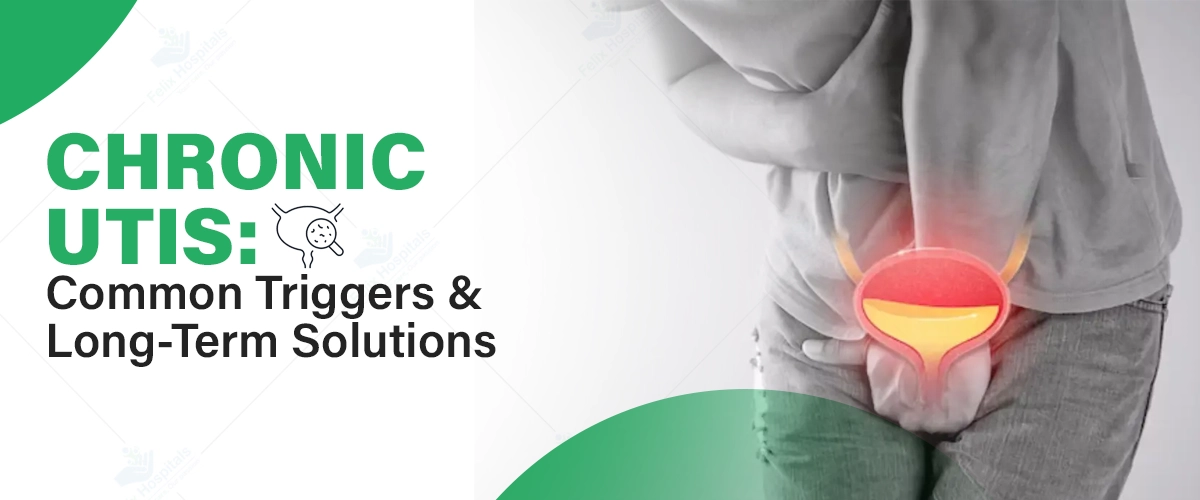
Chronic urinary tract infections (UTIs) typically keep recurring despite getting the right treatment. These infections don’t respond to the treatment and therefore, will continue to affect your urinary tract.
The urinary tract is the pathway that makes up your urinary system. It includes kidneys, ureters, bladder and urethra. If you have two or more bladder infections in a year, you might have chronic, or recurrent, bladder infection.
While urinary tract infections can happen to anyone at any age, some women suffer from repeated or recurrent infections more often. Recurring UTIs usually lead to severe complications, but treatment options are available. However, it’s important to seek immediate treatment to avoid any kind of complications. So to understand the common triggers and long term solutions for UTIs, let’s dive into the details of chronic UTIs, including their causes, symptoms, and the treatments.
If you are prone to recurrent UTIs, you can head them off before they take hold. For personalized treatment and care, consult the experts by calling +91 9667064100.
Chronic urinary tract infections (UTIs) are infections of the urinary tract that either don’t respond to treatment or keep recurring.
A UTI can affect any part of your urinary system. When an infection only affects your bladder, it’s usually a minor illness that can be easily treated. However, if a UTI reaches the kidneys, it can be more serious as a person may need to go to the hospital for treatment.
A UTI is the result of a bacterial infection, caused by bacteria E coli. In most cases, the bacteria enter the urinary system through the urethra and then multiply in the bladder.
UTIs in men are often related to an enlarged prostate blocking the flow of urine.
Sex may trigger a UTI in women as intercourse can move bacteria from the anal area toward the opening of the urethra.
Using spermicides, diaphragms, and condoms may also raise the risk of a UTI.
Being female: Chronic UTIs are most common in females.
Lifestyle factors: Certain habits can put you at extra risk of developing a chronic UTI.
Menopause: Menopause causes hormonal changes that can cause changes in your vaginal bacteria which increases your risk of chronic UTIs.
Weak immunity: The risk is higher in people with a weakened immune system.
Women are prone to get chronic UTIs due to the basic human anatomy.
First, the urethra is close to the rectum in females. As a result, it’s easier for bacteria from the rectum to reach the urethra.
Second, the female urethra is shorter. This means that bacteria have a shorter distance to travel to get to the bladder, where they can multiply and cause infection.
The symptoms of a chronic UTI affecting your bladder include:
Frequent urination
Blood-tinged, cloudy urine
Burning sensation while urinating
Pain in lower back, bladder region or below your ribs
If the UTI spreads to your kidneys, it might cause:
Nausea
Vomiting
Chills
Fever
Fatigue
A doctor may carry out the following tests to reach a diagnosis and understand why a UTI is recurring:
Urine culture test to check for bacterial cultures in urine.
Visual bladder and urethra exam to check for any abnormalities.
Computed tomography (CT) scan of the urinary tract allows the doctor to see the urinary tract in more detail.
Medications: A course of antibiotics for almost a week is the primary treatment for UTIs.
However, in case of chronic UTIs, your doctor may prescribe long term, low dose antibiotics for more than a week after the initial symptoms subside. In many cases, this helps prevent symptoms from recurring.
Depending on your cause and symptoms, you may also be recommended a course of antibiotics after each time you have intercourse.
If your chronic UTIs occur with menopause, you’ll be prescribed vaginal estrogen therapy.
In addition to medications, your doctor may ask you to perform regular home urine tests to check for infections.
Natural Remedies: Drinking plenty of water and fluids can help dilute urine and flush out bacteria in the urinary tract.
If you’re experiencing pain, a hot water bottle on your bladder may provide you relief.
If a bladder infection remains untreated, it can spread to the kidneys, which is more dangerous. Without proper treatment, a kidney infection may lead to permanent kidney damage.
Drink plenty of water/fluids, about 2-3 liters every day.
Use alternative contraception that does not include a spermicide.
Following sexual intercourse, empty your bladder immediately.
If you are postmenopausal, consider vaginal estrogen therapy.
Wipe your genital area front to back.
Probiotics may be effective in treating and preventing UTIs when used alongside standard antibiotic therapy.
Wearing cotton-lined and loose-fitting clothing may ease symptoms of an existing UTI infection by helping to keep the area dry and clean.
As mentioned, chronic UTIs usually clear up with long-term antibiotics. However, getting to know the early signs of infection will help a person take their antibiotics as soon as they are needed. It is important to seek further treatment if UTIs continue to recur. Seek expert treatment and patient-centric care at Felix Hospitals, the best hospital for chronic UTIs treatment in Noida.
At Felix Hospitals, we have the best doctors for the treatment of chronic UTIs. Our highly experienced team of urologists, uro-surgeons, robotic surgeons, nurses, and laboratory technicians are committed to providing quality patient care. Our top urologists, led by Dr. Bhanwar Lal Barkesiya specializes in offering you personalized treatment plans for chronic UTIs. We provide comprehensive treatments for urological problems, both in men and women, including the urinary tract infections, incontinence, kidney stones, erectile dysfunction, prostate cancer, etc.
Urinary tract infections are uncomfortable and painful. While most chronic UTIs will resolve with a course of antibiotics, monitoring for further symptoms is equally important since they have a tendency to recur.
People with UTIs should seek immediate treatment at the start of a new infection. Early treatment decreases your risk of more serious, long-term complications.
If you have recurrent UTIs or if you wish to know the chronic UTIs treatment cost, speak to our representative at: +(91) 9667064100.
Q1- Can you treat a UTI without antibiotics?
ANS: A short course of antibiotics is typically the first-line treatment for UTIs. But for chronic infections, a doctor might prescribe a long-term, low dose antibiotic. If left untreated, UTIs can lead to serious complications and health problems.
Q2- What happens if UTI isn’t treated?
ANS: The infection can sometimes spread to the kidneys and bloodstream. The kidney infection can cause kidney damage and kidney scarring.
Q3- How long do UTIs last?
ANS: With antibiotic treatment, symptoms of a UTI typically improve within 2–4 days.
But this can vary depending on factors such as how quickly you receive treatment, the severity of your infection, and whether any complications arise.
Q4- Is there any hygienic measure that prevents infection?
ANS: Urinary tract infections are not caused by inadequate hygiene. However, patients with recurrent urinary tract infections should pay special attention to avoiding persistent moisture in the vaginal area and should wipe their genital area front to back.
Q5- Is it harmful to take too many antibiotics?
ANS: Like all drugs, antibiotics also have side effects that should not be underestimated. Antibiotic treatment is the only option has been proven to be highly effective against urinary tract infection, both in acute treatment and to prevent recurrence.
Explore the connection between diabetes, neurological disorders, and other health issues that contribute to OAB symptoms.
Bladder tumor (TURBT) is a serious condition that occurs when abnormal growths develop in the bladder, requiring transurethral resection to diagnose and treat effectively.
One of the best hospitals for urinary tract treatment in Noida offers comprehensive urology care, featuring expert urologists and advanced diagnostic and treatment facilities.
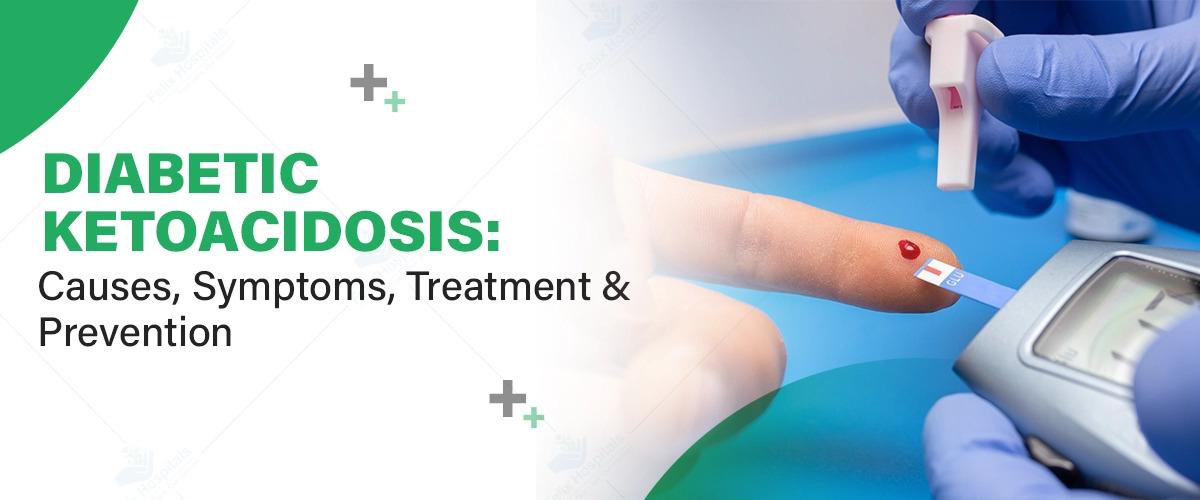
Diabetic Ketoacidosis (DKA) is a serious condition that affects people with diabetes. It requires immediate medical attention as it can lead to diabetic coma, organ failure and even death. The condition occurs when the body can’t produce enough insulin, and instead, it produces high levels of blood acids called ketones. DKA is more common in individuals with type 1 diabetes. Since it is a potentially fatal condition, early detection and timely treatment are essential to avoid its serious side effects.
So, if you or someone you know is diabetic and suspect symptoms of Diabetic Ketoacidosis, seek immediate care at Felix Hospital, the best endocrinology hospital in Noida. Our diabetes experts are trained to provide accurate diagnosis and advanced treatment.
Book a consultation with our endocrinology team for expert care and personalized treatment plans for diabetes and its complications.
When the body doesn’t have enough insulin to control blood sugar (glucose) levels effectively, it causes Diabetic Ketoacidosis. Without insulin, glucose cannot enter cells, forcing the liver to break down fat too fast for fuel. This process produces ketones that are normally used by the muscles and the heart. However, when ketones are produced too fast, they start to accumulate in the blood, thereby making the blood more acidic. This condition is known as ketoacidosis.
DKA should be treated as a medical emergency since it is a potentially fatal condition. It typically occurs in people with type 1 diabetes who miss insulin doses, experience illness, or encounter emotional stress or trauma. Understanding its causes and symptoms can help with early detection and treatment.
Several factors can contribute to the onset of Diabetic Ketoacidosis. In fact, DKA is sometimes the first sign of type 1 diabetes in people who have not yet been diagnosed.
Recognizing the symptoms of Diabetic Ketoacidosis early is critical for prompt intervention. Some of the common symptoms include:
As mentioned, diabetics, especially the type 1 types, can get Diabetic Ketoacidosis. Some people find out that they have diabetes only after they get DKA. However, there are certain risk factors that make you more likely to get DKA. These include:
Ketone testing is used in diabetes patients to check for early ketoacidosis. The ketone test is usually done using:
Early diagnosis can prevent complications, so it’s crucial to consult an endocrinology specialist for a thorough evaluation.
The primary goal of DKA treatment is to stabilize high blood sugar levels with insulin and correct metabolic imbalances. This involves:
Diabetes patients can check ketones at home with home kits available over the counter. Some glucose meters can also test for ketones in the blood sample when patients do a finger prick.
Most people respond to DKA treatment within 24 hours. Sometimes, it takes longer to recover. If DKA is not treated, it can lead to severe illness or a patient could go into a coma, and possibly die.
DKA complications are possible if you don’t seek emergency treatment. Some of the health problems that may result from DKA include:
Therefore, it’s advisable to prevent Diabetic Ketoacidosis. This is possible with good blood sugar control and careful management of diabetes, that includes:
Recognized as one of the best Endocrinology hospitals in Noida, Felix Hospitals has a team of experienced endocrinologists and diabetologists dedicated to providing top-notch care for diabetes and its complications, including Diabetic Ketoacidosis. Our team, led by Dr Vimal Gupta, uses advanced diagnostic tools and evidence-based treatments to ensure patient safety and recovery.
Whether you’re seeking preventive advice or emergency care, Felix Hospitals offers comprehensive support for managing diabetes and maintaining endocrine health. Schedule an appointment today to meet the best diabetes specialist.
We also provide diagnosis and treatment for pediatric and gestational diabetes. Contact us at: +91 9667064100.
Diabetic Ketoacidosis is a serious medical condition that requires immediate attention and proper management. While it can be life-threatening, early detection and timely treatment significantly can improve outcomes. By understanding the causes, symptoms, and taking preventive measures, individuals with diabetes can minimize their risk of developing DKA.
Felix Hospitals, Noida offers expert endocrinology care to help you manage your diabetes effectively. From state-of-the-art diagnostics to personalized treatment plans, our team is dedicated to your health and well-being.
1. How long does it take to recover from diabetic ketoacidosis?
Ans: The goal of diabetic ketoacidosis treatment is to get your blood back into balance and lower your blood sugar. That way, your body won’t make ketones anymore. This usually takes about 24 hours, but it might take longer if your DKA was severe or didn’t get treated soon enough.
2. Who is at risk of DKA?
Ans: People with type 1 diabetes are at the highest risk, but it can also occur in individuals with type 2 diabetes under certain conditions.
3. Can DKA be prevented?
Ans: Yes, by managing blood sugar levels, taking insulin as prescribed, and monitoring for ketones during illness or stress.
4. What are the two types of Ketoacidosis?
Ans: Two types of diabetic ketoacidosis include: hyperglycemic and euglycemic. Hyperglycemic means that you have high blood sugar levels, and euglycemic means you do not.
5. What are possible complications of diabetic ketoacidosis?
Ans:
6. At what sugar level is diabetic coma?
Ans: When an individual's sugar level in the blood and the brain drops to below 3.5 mmol/l, they are at risk of falling into a diabetic coma.
7. What are signs of a diabetic emergency?
Ans: Someone who is hypoglycaemic (having a low blood sugar) may have symptoms including: sweating, feeling drowsy and confused, unconscious and unresponsive.

Manage diabetes effectively with a well-planned Indian vegetarian diet chart. Explore healthy meal options and tips for blood sugar control.
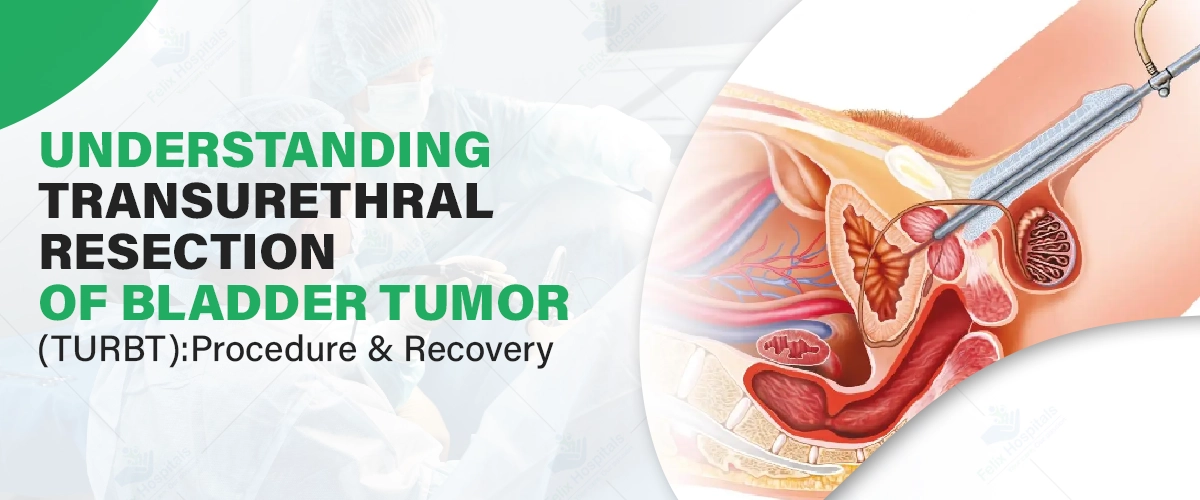
Bladder cancer is a prevalent health concern, affecting millions globally. It ranks among the most common types of cancer, especially in older adults. Early detection and treatment are critical for improving outcomes and minimizing complications. For patients diagnosed with bladder tumors, Transurethral Resection of Bladder Tumor (TURBT) is a standard and effective surgical procedure.
When it comes to bladder tumor treatment, choosing the best hospital in noida is vital. Renowned for their state-of-the-art facilities and expert specialists, are some of the best in the world for treating bladder tumors. Here, patients receive comprehensive care tailored to their needs.
Don’t wait—book your appointment now and experience world-class care for bladder tumor treatment. Call us at +91 9667064100.
Transurethral Resection of Bladder Tumor (TURBT) is a minimally invasive surgical procedure designed to remove abnormal growths or tumors from the bladder. Performed using a cystoscope—a thin tube equipped with a camera and surgical tools—the procedure allows surgeons to access and treat the bladder through the urethra, eliminating the need for external incisions.
The primary goal of TURBT is to diagnose and manage bladder tumors. It is typically employed for:
TURBT is recommended for individuals with symptoms or diagnostic results indicating bladder abnormalities. These may include:
Diagnostic procedures such as urine cytology, cystoscopy, and imaging confirm the need for TURBT, ensuring precise treatment planning.
Preparation is crucial for a successful TURBT procedure. Patients typically undergo:
The TURBT procedure involves several steps, typically performed under general or spinal anesthesia:
The procedure usually takes 60-90 minutes, depending on the complexity and size of the tumor.
While TURBT is generally safe, like any surgical procedure, it carries potential risks:
Recovery from TURBT is typically swift. Patients can expect:
Post-TURBT care includes:
TURBT is highly effective in treating non-muscle-invasive bladder tumors, often serving as the first line of defense against bladder cancer. The prognosis depends on factors such as tumor type, size, and stage. Early intervention, combined with diligent follow-up, significantly enhances long-term outcomes.
For world-class care, consult:
With extensive expertise in urology and bladder tumor treatments, Dr. Barkesia ensures each patient receives personalized and cutting-edge care. Recognized as one of the best doctors for bladder tumor management, he has transformed countless lives with his compassionate approach.
Your journey toward better health begins here. Contact Felix Hospital today and Click Here to schedule a consultation with our expert urologists.
TURBT is a cornerstone in bladder cancer management, offering a minimally invasive solution to diagnose and treat bladder tumors effectively. Early detection, timely intervention, and expert care can make a profound difference.
Felix Hospital provides unparalleled bladder tumor treatment at competitive costs, ensuring quality care for all. If you or a loved one faces a bladder tumor diagnosis, don’t hesitate to seek professional guidance and support. Together, we can fight bladder cancer and restore health.
Q- How long does it take to recover fully after TURBT?
Ans- Recovery typically takes 1-2 weeks, but full recovery may vary depending on the individual and the extent of the tumor.
Q- Is TURBT suitable for muscle-invasive bladder cancer?
Ans- TURBT is primarily used for non-muscle-invasive tumors. For muscle-invasive cases, additional treatments like chemotherapy or surgery may be required.
Q- Can TURBT completely cure bladder cancer?
Ans- TURBT is effective for removing tumors, but regular follow-ups are essential as bladder cancer has a recurrence risk.
Q- What dietary changes should I follow after TURBT?
Ans- A healthy, balanced diet with adequate hydration is recommended to promote healing and maintain bladder health.
Q- Are there alternatives to TURBT for bladder tumor removal?
Ans- While TURBT is the gold standard, advanced cases may require other interventions, such as radical cystectomy or immunotherapy.
Q- How often should I have follow-up check-ups after TURBT?
Ans- Typically, follow-ups include cystoscopies every 3-6 months initially, and the frequency decreases over time if no recurrence is detected.
Q- What precautions should I take post-surgery to avoid complications?
Ans- Avoid heavy lifting, follow your doctor’s instructions on medications, and maintain good hydration to support recovery.
One of the best hospitals for urinary tract treatment in Noida offers comprehensive urology care, featuring expert urologists and advanced diagnostic and treatment facilities.
Explore the connection between diabetes, neurological disorders, and other health issues that contribute to OAB symptoms.
Have you ever wondered why heart and kidney health is interlinked? Why is it that when our heart health deteriorates, its impact is seen on our kidney health as well? Before we dive deeper into the connection that exists between these two vital organs, it’s important to understand that early detection plays a crucial role in prevention and management of conditions related to both heart and kidneys.
With timely intervention, complications can be minimized and the quality of life improved. Most importantly, regular check-ups and awareness of risk factors help to identify subtle warning signs before they escalate into severe health issues.
So, don’t wait until it’s too late. If you are hypertensive, diabetic or obese, schedule your heart and kidney health check-up today at Felix Hospitals and take the first step toward a healthier future.
Heart disease refers to conditions affecting the heart, such as coronary artery disease, arrhythmias, and heart failure. Kidney disease, on the other hand, involves the gradual loss of kidney function, often caused by diabetes, high blood pressure, or other chronic conditions.
The connection between the two is significant. Let’s understand how they work together. The heart’s job is to send a continuous supply of oxygenated blood around the body. The kidney’s prime function is to filter the blood, extract waste in the form of urine, and also control the blood pressure. When the heart fails to pump blood effectively, the kidneys receive reduced oxygen and nutrients, leading to impaired function. Conversely, damaged kidneys cannot regulate blood pressure properly, putting additional strain on the heart. This interdependence underscores the need for early detection and comprehensive care, especially in individuals already diagnosed or at risk of developing hypertension, diabetes and obesity.
Several factors contribute to the risk of developing heart and kidney diseases, including:
Early symptoms of both the diseases are often subtle but should not be ignored. In fact, most people don't experience any symptoms of chronic kidney disease or heart disease until it's at an advanced stage. Therefore, regular testing for everyone is important, but it is especially important for people at risk.
Timely diagnosis is critical for prevention as well as management of heart and kidney diseases effectively. Regular screenings, especially for individuals at higher risk, can identify issues in their earliest stages, allowing for prompt treatment. Key diagnostic tests include:
Treatment for heart and kidney diseases typically involves a combination of lifestyle changes, medications, and sometimes surgical interventions.
Adopting a balanced diet rich in fruits, vegetables and whole grains. However, if you've been diagnosed with CKD or kidney diseases, you may have to cut down on protein intake.
Limiting salt and sugar intake. Excess sugar intake can cause diabetes and excess salt intake can elevate blood pressure. Both the conditions can impact your kidneys.
Engaging in regular physical activity. Sedentary lifestyle is correlated to CVDs and decreased kidney function.
Avoiding smoking and excessive alcohol consumption.
Depending on your diagnosis, your doctor may prescribe you blood pressure medications, statins to manage cholesterol levels, medications to control blood sugar in diabetic patients or diuretics to manage fluid retention.
Depending on your diagnosis, common heart surgeries such as coronary artery bypass grafting (CABG) or angioplasty, among others may be required. Heart attack surgery will be necessary if you experience a heart attack.
Dialysis and kidney transplant surgery are treatments in advanced kidney disease cases. There are two types of dialysis: hemodialysis and peritoneal dialysis. As the kidneys lose their ability to function, fluid, waste products, and electrolytes begin to build up in the blood. A kidney transplant should be performed or dialysis should begin before kidney disease has advanced to the point where life-threatening complications occur.
To protect your heart and kidneys from getting damaged, prevention is always better than cure. To reduce your risk of developing heart and kidney diseases:
Felix Hospitals, Noida provides comprehensive care for heart and kidney health. Our team of experienced cardiologists led by Dr. Virendra Singh, and Dr Rahul Arora and nephrologists led by Dr Sameer Tawakley utilizes cutting-edge technology to ensure accurate diagnoses and effective treatments. With a patient-centric approach, we aim to empower you with the knowledge and tools needed to take control of your health.
Our holistic care programs include regular screenings, lifestyle counseling, and personalized treatment plans to help you achieve optimal health.
Schedule an appointment with the experts at Felix Hospitals and benefit from world-class heart and kidney care.
Early detection, identifying risks and addressing them promptly can prevent serious complications of heart and kidneys, thereby improving your quality of life. By understanding the causes, symptoms, and available treatments, individuals can take proactive steps to protect these vital organs.
At Felix Hospitals, we are committed to guiding you on your healthcare journey. With the right care and timely interventions, a healthier life is within reach. To book an appointment, contact us at + (91) 9667064100.
Q- Why are heart and kidney diseases often linked?
Ans- The heart and kidneys are interconnected; when one is damaged, it often affects the other due to shared blood circulation and regulatory functions.
Q- How often should I get screened for heart and kidney health?
Ans- Individuals with risk factors like diabetes, high blood pressure, or a family history should undergo annual check-ups. It’s important to consult your doctor for personalized recommendations.
Q- Can I reduce my risk of getting diseases of the heart and kidneys?
Ans- Absolutely! Adopt a healthy diet, exercise regularly, avoid smoking and excessive alcohol, and manage chronic conditions like diabetes or hypertension.
Q- Are heart and kidney diseases reversible?
Ans- While damage cannot always be reversed, early detection and treatment can slow progression and significantly improve quality of life.
Q- Can a kidney infection affect your heart?
Ans- If you have kidney disease, you are more likely to get heart disease. Heart disease is the most common cause of death among people who have kidney disease.
A stent procedure can be life-saving for those with blocked arteries. This guide walks you through the stent experience—from the angioplasty process to post-procedure recovery and lifestyle changes.
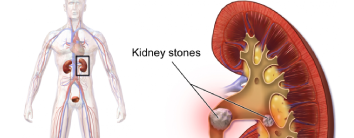
Find out the best methods to pass kidney stones quickly, ease pain, and protect your kidneys with proven home remedies and advanced treatment options.
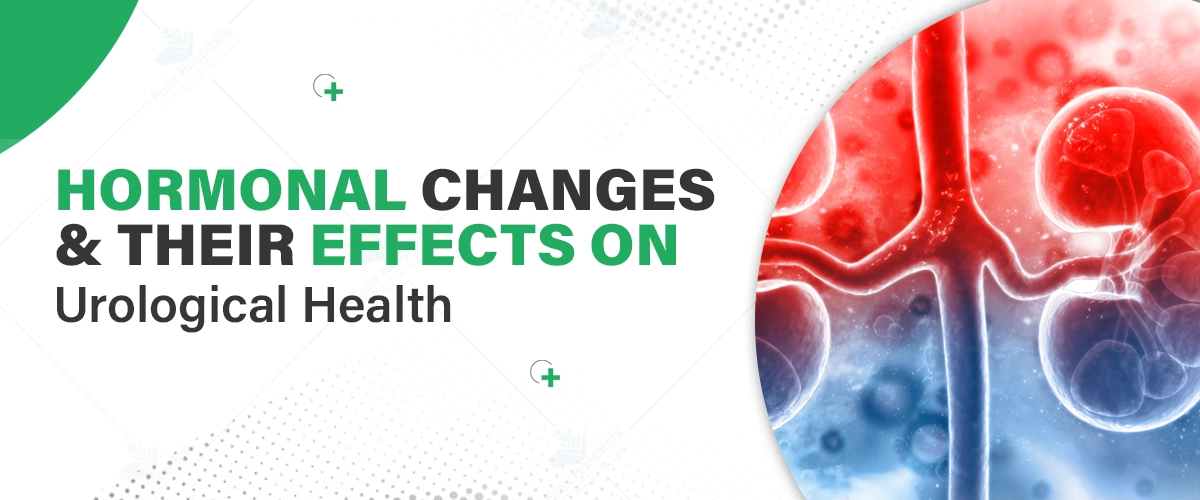
Hormones are the chemicals that regulate various bodily functions in both men and women. Any imbalance can significantly affect overall health, especially the urological system, which governs bladder, kidney function, as well as the reproductive organs. Whether it is due to old age, pregnancy, menopause, or some other medical reasons, hormonal shift can cause urological disorders such as urinary incontinence problems, infections, and kidney problems. However, if the relationship between hormonal shift and urological health is well understood and timely addressed, future complications related to kidney and overall health can be prevented.
So if you are facing any changes in your urological health or imbalance in your hormones, consult Felix Hospitals, Noida. We are the best hospital for hormonal imbalance treatment in Delhi-NCR region.
Hormones regulate many physiological activities, ranging from metabolism, mood, sexual health, reproductive health, and urinary function. Any hormonal imbalance in our body can affect our urological health in many ways. For example, the decline of estrogen in women during menopause can weaken the pelvic muscles, thus increasing the chance of urinary incontinence. Similarly, the hormonal levels of testosterone in males can affect prostate health and lead to urinary obstruction.
Other hormones, such as cortisol and aldosterone, also significantly affect kidney function and fluid regulation. When these hormone levels are disrupted, they can lead to kidney disease or chronic urinary tract infections (UTIs). Therefore, by understanding how these hormonal changes impact our body helps us to maintain urologic health.
Adrenal Hormones: Cortisol and other hormones of the adrenal glands are associated with the process of stress mechanisms and fluid balance. They affect urinary output and function.
Testosterone: This hormone is linked with male sexual activity, but has strong effects on the kidneys as well. Low levels may lead to a decrease in libido, and even frequency/urgency pertaining to urination.
Estrogen: A drop in the levels of this hormone during menopause may cause incontinence, vaginal dryness, and heightened susceptibility to UTIs.
Progesterone: This hormone is associated with menstrual cycle and pregnancy. Any imbalance in this hormone will affect the bladder and can cause problems with urination.
Hormonal change that affects urological health can be caused by the following changes in our life cycle:
Menopause: Decreased levels of estrogen affect the strength and elasticity of pelvic tissue.
Pregnancy and Postpartum Changes: Changes in progesterone and estrogen, combined with physical stress, can weaken the ladder's control.
Andropause in Men: Depletion of testosterone can make the prostate gland enlarged and cause bladder problems.
Hypothyroidism or Hyperthyroidism: Thyroid disorder influences renal functionality
PCOS (polycystic ovary syndrome): Hormonal disorder often causes problems related to kidney, and urinary infections.
Chronic Stress: The elevated level of cortisol affects kidney functioning along with fluid retention
Obesity: The extra amount of fat in the body disturbs hormonal functions, which can add to urinary problems, among other health ailments.
The common symptoms arising from hormonal imbalances include:
If any of these symptoms persist, getting an appointment with a urologist is crucial to determine the underlying cause.
Diagnosing urological conditions associated with hormonal changes requires a holistic approach. These assessments help doctors plan the treatment.
Early treatment of urological health and hormonal imbalance ensures better results, thereby decreasing the risk of complications such as CKD or irreversible bladder damage. Depending on your symptoms and diagnosis, your Urologist will plan a course of treatment that is well-suited to your specific problem.
Preventive measures can greatly reduce the risk of urological problems associated with hormonal shifts. These include:
At Felix Hospitals, the best hospital for hormonal imbalance in Noida, we provide specialized attention to issues related to the urogenital system and hormonal imbalances. Our team of highly experienced urologists include Dr Bhanwar Lal Barkesiya. The team of urologists and endocrinologists collaborate to provide comprehensive care in diagnosis, treatment, and prevention of urologic and hormonal problems. Whether you need attention for menopause-bladder problems or prostate concern, our state-of-the-art facilities ensure that you get personalized yet compassionate care.
So, do not let hormonal imbalances affect your quality of life. If you are looking for the best doctor for hormonal imbalance treatment in Noida, then book an appointment at Felix Hospitals today!
Hormonal changes are a part of life. Understanding the causes, symptoms, and available treatments can make individuals take proactive steps towards managing their urology health effectively.
Q1- Can hormones cause urinary frequency?
ANS: Yes, hormones are related to lower urinary tract symptoms, such as frequency, urgency, nocturia, and recurrent infection.
Q2- Do hormonal changes cause urological problems in men?
ANS: Yes, decreasing testosterone levels can cause prostatic enlargement and urinary troubles in men.
Q3- Can stress cause frequent urination?
ANS: Yes, chronic psychological stress can result in urinary frequency, urgency, incontinence, and pelvic pain.
Q4- How often should the hormone levels be tested?
ANS: Hormones need regular check-up, more importantly during transitional periods like menopause, pregnancy, or andropause.
Q5- What treatments are available at Felix Hospitals for urological issues?
ANS: Felix Hospitals is the best hospital for hormonal imbalance treatment in Noida. We offer a range of treatments, including hormone therapy, medication, lifestyle counseling, and advanced surgical options for urological issues.
Explore the connection between diabetes, neurological disorders, and other health issues that contribute to OAB symptoms.

Urological health is vital for well-being, influenced by diet and exercise. Good nutrition and activity help prevent conditions like UTIs, kidney stones, and cancers.
One of the best hospitals for urinary tract treatment in Noida offers comprehensive urology care, featuring expert urologists and advanced diagnostic and treatment facilities.


Subscribe to our
© Copyright 2026. All Rights Reserved by Felix Healthcare Private Limited
Design and development by :


 +(91)9667064100
 Emergency : +(91)9667064100