 WhatsApp
 Emergency:
  WhatsApp







Subscribe to our
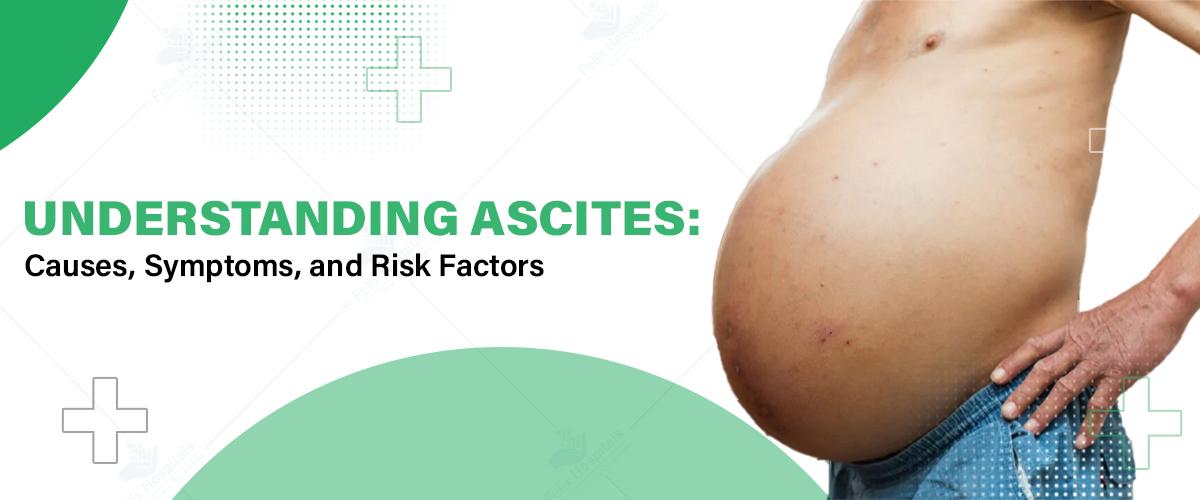
Ascites is a medical condition characterized by the abnormal accumulation of fluid in the peritoneal cavity, the space between the abdominal organs and the abdominal wall. While it is often associated with liver diseases, ascites can also result from a variety of other health conditions. This blog will delve into the causes, symptoms, risk factors, and management of ascites, providing valuable insights to help you recognize and address the condition. If you are experiencing symptoms of ascites or suspect an underlying issue, it is crucial to consult a specialist promptly.
Call us now at +91 9667064100 to book an appointment with the best gastroenterologists at Felix Hospital.
Ascites occur when excess fluid accumulates in the peritoneal cavity, leading to abdominal swelling and discomfort. This condition is often a sign of underlying systemic or organ-specific diseases, particularly those affecting the liver, kidneys, or heart. Ascites is not a disease in itself but a symptom of other medical conditions, making accurate diagnosis and management essential to prevent complications.
Ascites can result from a variety of underlying health issues, most commonly those affecting the liver and other abdominal organs. Here are the primary causes:
The symptoms of ascites range from mild discomfort to severe complications, depending on the underlying cause and the volume of fluid accumulated.
To diagnose ascites, doctors utilize a combination of clinical evaluations, imaging, and laboratory tests:
Managing ascites effectively requires addressing the underlying cause and alleviating symptoms. Treatment approaches include:
For specialized care and advanced treatment options, consider visiting the best gastro hospital near you. Felix Hospital is renowned for its comprehensive approach to managing ascites and their underlying causes.
Certain factors significantly increase the likelihood of developing ascites:
While it is not possible to prevent all cases of ascites, adopting healthy lifestyle habits can significantly reduce the risk:
At Felix Hospital, we pride ourselves on providing world-class gastroenterological care. Our team of experienced specialists includes:
Take the first step towards better health—call us now at +91 9667064100 to book your consultation.
Ascites is a serious medical condition that requires prompt attention and management. Understanding its causes, symptoms, and risk factors can help in early detection and prevention. With timely diagnosis and treatment, patients can manage ascites effectively and improve their quality of life. If you are experiencing any symptoms or are at risk, consult a trusted gastroenterologist immediately. Felix Hospital is here to provide expert care and support for your journey to recovery.
1. What lifestyle changes can help manage ascites caused by liver disease?
Ans: Adopting a low-sodium diet is critical to reducing fluid retention. Avoiding alcohol completely is essential for protecting liver function. Regular monitoring of body weight and abdominal girth can help detect changes early. Consulting a dietitian for a liver-friendly meal plan can also be beneficial.
2. How does paracentesis differ from other treatments for ascites?
Ans: Paracentesis provides immediate relief by draining accumulated fluid from the abdomen, which is particularly helpful for severe cases causing respiratory or abdominal discomfort. However, it addresses symptoms rather than the underlying cause, requiring repeated procedures for recurrent ascites.
3. Can ascites recur after successful treatment?
Ans: Yes, ascites can recur, especially if the underlying cause, such as cirrhosis or cancer, remains untreated or worsens. Adherence to medical advice, including dietary changes, medications, and follow-ups, is crucial to managing recurrence.
4. What is the role of the TIPS procedure in managing ascites?
Ans: The TIPS (Transjugular Intrahepatic Portosystemic Shunt) procedure is used to reduce portal hypertension, a common cause of ascites in liver disease. It involves creating a bypass for blood flow within the liver, helping to reduce fluid accumulation when medications and other treatments are ineffective.
5. Can ascites lead to long-term complications if untreated?
Ans: Yes, untreated ascites can lead to complications like spontaneous bacterial peritonitis (SBP), kidney failure (hepatorenal syndrome), or respiratory distress. Additionally, severe fluid accumulation can impair mobility and significantly reduce quality of life.
6. Are there specific dietary restrictions other than sodium for ascites management?
Ans: While sodium restriction is paramount, patients may also need to monitor protein intake depending on liver function. For some, low protein can help manage hepatic encephalopathy, but others may require high protein to prevent muscle wasting. Consulting a specialist is essential for personalized dietary advice.
7. What are the early warning signs of malignant ascites?
Ans: Malignant ascites often present with symptoms like rapid abdominal swelling, unexplained weight gain, nausea, and fatigue. Patients with a history of cancer should seek immediate evaluation if these symptoms arise, as they may indicate advanced disease progression.
8. How do kidney and heart conditions contribute to ascites development?
Ans: Kidney disease can lead to fluid and electrolyte imbalances, while heart failure results in increased venous pressure and fluid retention. Both conditions can disrupt normal fluid dynamics, causing fluid to accumulate in the abdominal cavity. Managing these conditions is key to preventing ascites.
Expert gastroenterology care for better digestive health, offering advanced diagnosis and treatment for GERD, IBS, ulcers, and liver disorders.
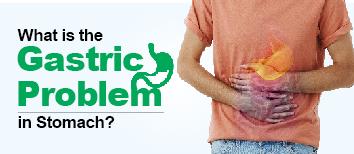
Gastric problems occur when excess acid or digestive disturbances affect the stomach lining, causing symptoms like bloating, acidity, and pain. Timely diagnosis ensures effective treatment.

Sexually transmitted infection is one of the significant public health problems. And the bigger problem is people hide sexual dysfunction instead of discussing it.
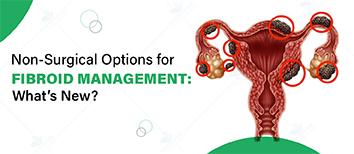
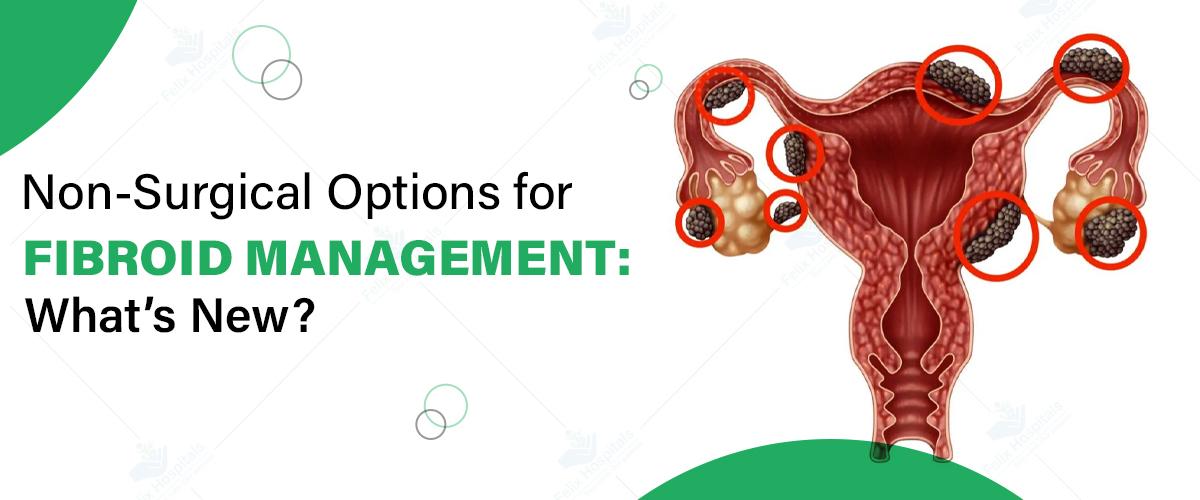
Explore the latest non-surgical treatments for fibroid management. Learn about advanced options to relieve symptoms and improve your quality of life.
Heart disease is a leading cause of illness and death worldwide, but many people are unaware of the hidden risks that can silently impact their heart health. Research shows that 1 in 4 people may overlook significant warning signs, risk factors, and preventive measures, putting themselves at greater risk of heart disease. Understanding these often-overlooked risks, recognizing early symptoms, and taking proactive steps are essential to protecting heart health and reducing the likelihood of future complications.
In this blog, we will discuss some of the hidden heart risks, common symptoms, preventative measures, treatments, and key risk factors associated with heart disease. If you're looking for the best hospital for heart attack risk treatment, expert care and guidance are essential to managing your heart health and preventing complications effectively.
Trust Felix Hospitals for the best Heart treatment, specialized medical services, and compassionate support during your critical moments by Clicking Here.
Heart disease symptoms are not always obvious. Some signs can be subtle, and people often ignore them until they become severe. Here are some of the hidden symptoms to watch out for:
Persistent fatigue that doesn’t improve with rest can be a sign of heart problems, especially in women. This fatigue might be associated with poor blood circulation due to blockages or reduced heart function.
Shortness of breath, particularly during regular activities, can indicate heart issues. It may be a sign of heart failure or blockages in the arteries, as these conditions reduce the oxygen supply to your muscles and organs.
Chest pain or discomfort, often described as a pressure, squeezing, or burning sensation, is a classic symptom. This pain might not be severe but could still indicate a heart problem, particularly if it occurs during physical activity or emotional stress.
Heart-related pain can sometimes radiate to other areas, such as the jaw, neck, back, or even shoulders. This is particularly common in women and should not be ignored, especially if it happens suddenly or is accompanied by other symptoms.
Experiencing dizziness or lightheadedness, especially when combined with shortness of breath or chest discomfort, can signal heart issues, particularly arrhythmias or heart failure.
Swelling, or edema, in the lower extremities or abdomen, can occur when the heart struggles to pump blood efficiently, leading to fluid buildup.
Some risk factors for heart disease are well known, such as high blood pressure, high cholesterol, and smoking. However, other lesser-known factors also increase the likelihood of heart problems. Here are some often-overlooked risk factors:
Prolonged stress elevates cortisol levels, which can lead to high blood pressure, weight gain, and inflammation – all risk factors for heart disease. Managing stress through relaxation techniques, physical activity, or mindfulness can improve heart health.
Consistently poor sleep, particularly sleep apnea, significantly raises the risk of heart disease. Sleep apnea reduces oxygen levels and puts strain on the cardiovascular system. Prioritizing good sleep hygiene and treating sleep disorders is essential for heart health.
Physical inactivity leads to obesity, high cholesterol, and high blood pressure – all major contributors to heart disease. Incorporating regular exercise helps maintain heart health, improves circulation, and reduces blood pressure.
Many people overlook the connection between diabetes and heart disease. High blood sugar levels can damage blood vessels and nerves that control the heart. Proper diabetes management is crucial in reducing heart disease risks.
Genetic predisposition plays a role in heart health. If there’s a family history of heart disease, it’s essential to adopt a heart-healthy lifestyle early and have regular checkups to monitor any potential risks.
Conditions like lupus and rheumatoid arthritis can increase the risk of heart disease due to inflammation. Autoimmune disease patients should work closely with their healthcare providers to reduce heart disease risk.
Preventing heart disease involves a multi-faceted approach focusing on lifestyle changes, regular monitoring, and preventive care. Here are some preventive strategies to consider:
A diet rich in fruits, vegetables, whole grains, lean protein, and healthy fats supports heart health. Avoiding processed foods, excessive salt, and trans fats can reduce cholesterol levels and blood pressure.
Aim for at least 150 minutes of moderate aerobic exercise each week. Physical activity improves circulation, reduces stress, and helps control weight, all of which are beneficial for the heart.
Regular screenings for blood pressure and cholesterol can help detect issues early. If your levels are high, work with your healthcare provider to develop a management plan.
Smoking damages blood vessels and contributes to plaque buildup, while excessive alcohol consumption can raise blood pressure. Avoiding these habits significantly reduces heart disease risk.
Practicing mindfulness, engaging in relaxing hobbies, and spending time with loved ones can help alleviate stress. Stress management can prevent the adverse effects of chronic stress on the heart.
Prioritize 7–9 hours of restful sleep each night, and consider a sleep study if you experience symptoms of sleep apnea, such as snoring or frequent waking.
If diagnosed with heart disease, early treatment can improve outcomes and prevent complications. Treatments vary depending on the condition but often include:
Common medications for heart disease include beta-blockers, ACE inhibitors, statins, and anticoagulants. These medications help control blood pressure, reduce cholesterol, and prevent clot formation.
Adopting a heart-healthy lifestyle, including diet, exercise, and stress management, is crucial in controlling heart disease progression.
For more severe cases, procedures like angioplasty, stent placement, or bypass surgery may be necessary to restore blood flow and improve heart function.
Cardiac rehab is a supervised program that combines exercise, education, and counseling to support recovery from heart disease. It helps patients build a heart-healthy lifestyle with expert guidance.
Regular follow-up appointments with a cardiologist and monitoring of vital signs are essential for managing heart disease. Continuous assessment allows healthcare providers to adjust treatment as needed.
At Felix Hospitals, we are dedicated to providing world-class cardiovascular care with a focus on prevention, diagnosis, and advanced treatments. Our team of the best doctors for heart attack risk treatment expertise with cutting-edge technology to ensure personalized care tailored to your unique needs.
Trust Felix Hospitals for the best Heart treatment, specialized medical services, and compassionate support during your critical moments by Clicking Here.
Heart disease is often preventable, but many people overlook significant risks that could threaten their health. By recognizing symptoms early, understanding hidden risk factors, and adopting heart-healthy lifestyle changes, you can protect your heart and reduce the risk of serious complications. Knowledge is the first step toward prevention, and taking action can help you lead a healthier, longer life.
If you're concerned about your heart health, understanding the heart attack risk treatment cost can help you plan for proactive care. Early intervention and professional guidance are key to safeguarding your heart and overall well-being.
At Felix Hospitals, we’re committed to providing exceptional cardiovascular care, from diagnosis and prevention to advanced treatment options. Our team of experienced cardiologists and specialists use state-of-the-art technology to deliver personalized care that prioritizes patient comfort and health. Whether you need preventive guidance, diagnostic testing, or comprehensive heart treatment, Felix Hospitals offers a trusted environment to support your heart health journey.
Q- What are some early warning signs of heart disease that are often missed?
ANS: Early signs like unusual fatigue, shortness of breath, chest discomfort, and dizziness are commonly overlooked but can indicate potential heart issues.
Q- Can stress affect heart health?
ANS: Yes, chronic stress raises cortisol levels, which can lead to high blood pressure, weight gain, and inflammation, all of which increase heart disease risk.
Q- How does family history influence heart disease risk?
ANS: A family history of heart disease increases the likelihood of developing heart problems. Regular monitoring and lifestyle adjustments are important for those with a genetic predisposition.
Q- Is there a connection between sleep apnea and heart disease?
ANS: Yes, untreated sleep apnea can lead to reduced oxygen levels and increased blood pressure, straining the cardiovascular system and raising the risk of heart disease.
Q- What lifestyle changes are most effective in preventing heart disease?
ANS: Eating a heart-healthy diet, exercising regularly, quitting smoking, managing stress, and ensuring good sleep quality are all essential steps in preventing heart disease.
As temperatures drop, parents need to be aware of how cold weather can affect their children’s heart health. While children are generally resilient, cold weather brings unique challenges, particularly for those with pre-existing heart conditions. Let’s explores the impact of cold weather on heart health, symptoms to watch for, risk factors, preventive measures, and treatment options at the best heart hospital in Noida to help parents protect their children during colder months.
Trust Felix Hospitals for the best Heart treatment, specialized medical services, and compassionate support during your critical moments by Clicking Here.
Cold temperatures cause blood vessels to constrict, leading to increased blood pressure and making the heart work harder to pump blood. For children with cardiovascular conditions, this extra effort can be taxing, potentially exacerbating symptoms or causing complications. Even in otherwise healthy children, cold weather can strain the heart, especially during physical activities like playing outdoors in the snow. The cold impacts blood circulation, and oxygen levels, and can increase the risk of respiratory issues, all of which play into the overall burden on the cardiovascular system.
Cold weather can trigger various symptoms that may indicate heart stress or other related issues. Here are key symptoms parents should monitor:
Shortness of breath during mild activity or rest may indicate that the heart is under strain, especially concerning children with known heart conditions.
Complaints of chest pain or tightness should not be ignored, as they may signal increased heart stress or circulatory issues due to the cold.
If your child appears fatigued, particularly after outdoor activity, this could indicate that their heart is working too hard to circulate blood in response to the cold.
A blue tint on the lips, fingertips, or toes can be a sign of poor blood circulation, often due to the cold impacting oxygen levels. This can indicate that the heart is struggling to maintain adequate circulation.
An unusually fast heart rate or a feeling of the heart “racing” can occur when the heart works harder to circulate blood in cold conditions.
Understanding risk factors is key to protecting your child’s heart health during winter. Here are some primary risk factors that may increase a child’s susceptibility to heart-related issues in colder weather:
Children with congenital heart defects or other heart conditions face higher risks in cold weather. The extra work required by the heart in colder temperatures may strain the cardiovascular system, increasing the chance of complications.
Respiratory illnesses, such as asthma, are common in winter and can compound heart-related issues. Cold air may trigger asthma attacks, making it harder for the heart and lungs to work effectively together.
Children with obesity or those who lead a sedentary lifestyle are more susceptible to cold-related heart stress. Limited exercise may lead to weaker cardiovascular health, putting added pressure on the heart.
A family history of heart disease can predispose children to cardiac issues. Cold weather may aggravate these tendencies, making heart health monitoring particularly important.
Children who spend extended periods outdoors without adequate warm clothing may experience hypothermia or frostbite, both of which impact blood circulation and heart health.
While the winter months bring extra challenges, there are practical ways parents can minimize their child’s risk of cold-related heart stress. Here are some preventive tips:
Ensure your child wears multiple layers of clothing, including gloves, hats, and scarves, to retain body heat. Keeping extremities warm helps maintain overall circulation and reduces the heart's workload.
On extremely cold days, consider indoor activities to reduce exposure to low temperatures. Encourage children to stay active indoors through fun games or exercises that stimulate the heart without the risks posed by cold weather.
Proper nutrition is key to supporting heart health. Include fruits, vegetables, whole grains, and lean proteins in your child’s diet to keep their heart strong and resilient.
Hydration can often be overlooked in winter, but it’s just as important as in warm months. Staying well-hydrated helps maintain blood volume and eases the heart’s workload.
Intense physical activities in cold weather can put added strain on the heart. Encourage children to take frequent breaks, particularly if they have known cardiovascular concerns.
Cold weather can trigger respiratory issues, so monitor for coughing, wheezing, or other breathing difficulties. Proper asthma or respiratory condition management can also help alleviate heart strain.
Schedule routine check-ups with your child’s healthcare provider, especially if they have a known heart condition. Regular monitoring helps in early identification of potential problems.
If your child experiences symptoms of heat stress during the winter, it’s important to know the appropriate treatments. Prompt attention can prevent minor issues from escalating:
If symptoms like chest pain, breathlessness, or a blue tint in extremities occur, bring your child indoors to a warm environment and have them rest. This allows the heart rate to return to normal and helps the body regain temperature equilibrium.
For children with heart or respiratory conditions, ensure they are following their medication regimen as prescribed. Asthma medications, for example, can be especially important during winter to maintain optimal lung and heart function.
If your child has asthma or other respiratory issues, use inhalers or nebulizers to ease breathing difficulties. Respiratory treatments can support better oxygenation, thereby reducing the workload on the heart.
Persistent symptoms such as chest pain, severe shortness of breath, or fainting should be addressed by a healthcare professional. Cold weather can worsen existing heart conditions, so medical intervention may be necessary for children showing serious signs of heat stress.
For children who experience ongoing issues, a rehabilitation program or guided exercise plan under medical supervision can strengthen cardiovascular health. These programs can be beneficial in both reducing symptoms and preventing complications.
Trust Felix Hospitals for the best Heart treatment during your critical moments by Calling +91 9667064100.
At Felix Hospital, we prioritize your child’s heart health with specialized and the best care. Our expert team of the best heart specialists in Noida for perfect services, from routine checkups to advanced treatments for heart conditions.
Dr. Rahul Arora: An expert in pediatric cardiology, specializing in congenital heart defects and rhythm disorders, delivering personalized care for every child.
Dr. Virendra Singh: Known for his compassionate care, he excels in treating congenital heart defects, murmurs, and high-risk cardiac cases.
Trust Felix Hospitals for the best Heart treatment during your critical moments by Calling +91 9667064100.
Cold weather presents distinct challenges for children’s heart health, especially for those with underlying cardiovascular or respiratory conditions. By understanding the risks, monitoring symptoms, and taking preventive steps, parents can help protect their children’s hearts during winter. Always consult healthcare professionals if you have concerns, and remember that warm clothing, balanced nutrition, and regular check-ups play a crucial role in ensuring your child’s well-being. Felix Hospitals is here to support you and your child every step of the way, providing expert care to navigate the winter months with confidence and peace of mind. If you're concerned about your child's heart health, be sure to inquire about the Heart Treatment cost in Noida for expert care and guidance.
Q- How does cold weather impact my child’s heart health?
ANS: Cold weather causes blood vessels to constrict, making the heart work harder. This can be particularly concerning for children with heart conditions or respiratory illnesses, as it increases heart strain.
Q- What symptoms should I look for in my child during cold weather?
ANS: Watch for shortness of breath, chest pain, excessive fatigue, a bluish tint on lips or fingers, and rapid heart rate. These could indicate that the heart is struggling to cope with cold conditions.
Q- How can I prevent heart-related issues in my child during winter?
ANS: Dress them warmly in layers, encourage indoor play on very cold days, maintain a balanced diet, and ensure they stay hydrated. Limiting intense outdoor activities also helps reduce strain on the heart.
Q- What treatments are available if my child shows heart-related symptoms in cold weather?
ANS: Immediate warmth, rest, medication management, and respiratory treatments like inhalers can help. If symptoms persist, seek medical attention for proper care.
Q- Why is Felix Hospitals a good choice for my child’s heart health care?
ANS: Felix Hospitals offers specialized pediatric heart care with a team dedicated to personalized, comprehensive care. We focus on prevention, monitoring, and advanced treatments to support your child’s heart health year-round.
At Felix Hospital, our team of expert cardiologists is dedicated to providing the best care and personalized treatment plans. Dr. Rahul Arora is the best cardiologists in Noida
Cold Weather and Blood Pressure Cold temperatures cause blood vessels to constrict, which raises blood pressure—a major risk factor for heart attacks and strokes.
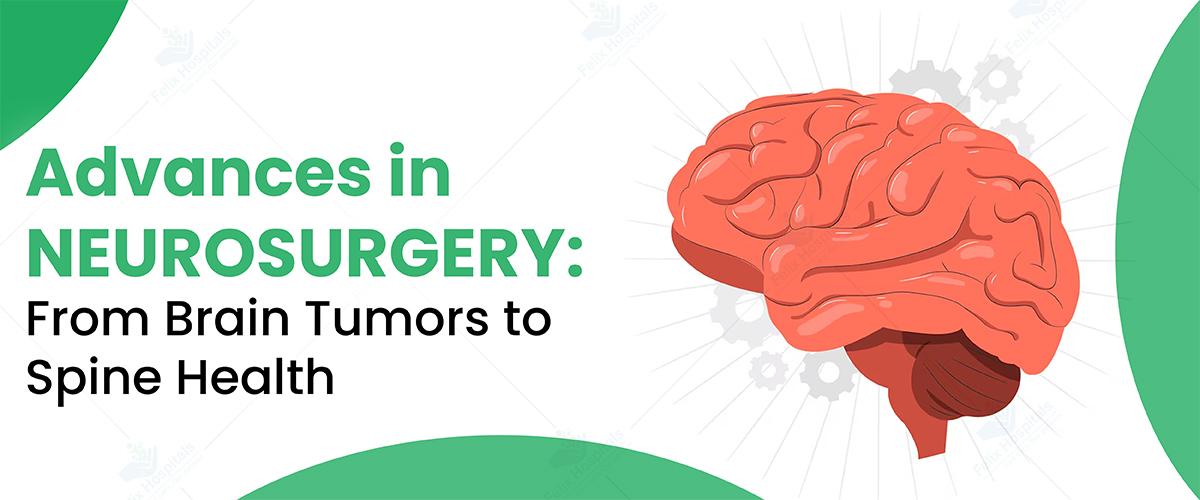
Neurosurgery deals with the entire nervous system that starts in your brain, runs through your spine, and branches out to all areas of your body. It addresses critical conditions like brain tumors, spine disorders, and nerve injuries. Hence, the highly technical surgery is dependent upon specialized equipment and techniques that often help a neurosurgeon to perform surgery with utmost precision and through least invasive procedures.
With innovations such as robotic-assisted surgeries, artificial intelligence in diagnostics, and minimally invasive techniques, patients now have access to safer and more effective treatments. These advancements not only improve surgical outcomes but also minimize recovery time, reduce complications, and enhance overall quality of life. At a leading neuro hospital in Noida, cutting-edge technology is revolutionizing the field of neurosurgery. Whether it’s about treating malignant brain tumors or correcting spinal issues, neurosurgery, leveraging the latest advancements, has transformed countless lives. Trust in expert care combined with modern innovations to ensure the best possible outcomes.
Schedule a consultation at Felix Hospital, the best neurosurgery hospital in Noida to meet our team Call on: +91 9667064100 of experienced neurosurgeons and explore personalized treatment options.
Neurosurgery addresses a variety of conditions affecting the nervous system, including:
Brain and Spine Tumors: These tumors are masses of abnormal cells in the brain or spinal cord that multiply and grow out of control. These affect the functioning of the brain and spine.
Spinal Disorders: Spinal disease refers to conditions that impair the backbone. These include various diseases of the back or spine and include conditions like herniated discs, spinal stenosis, and degenerative diseases that affect mobility and quality of life.
Traumatic Injuries: Brain and spinal injuries caused by accidents, falls, or sports-related incidents fall into this category.
Functional Neurological Disorder (FND): These disorders are related to how the brain receives and sends information to the rest of the body and include neurological conditions such as epilepsy, Parkinson’s disease, and chronic pain.
Congenital Abnormalities: These are birth-related disorders affecting the form and function of the nervous system. These conditions require early surgical intervention.
Some of the most common diagnostic procedures include:
1. Biopsies: Biopsies help diagnose tumors of the spine and brain, infection, swelling, or abnormal growth. Three common types of biopsies are:
2. Computerized tomography (CT): CT scans are a type of X-ray that uses computers to create images of the inside of the head or spine. They help create three-dimensional simulations for surgical planning and medical modeling.
3. Magnetic resonance imaging (MRI): These scans are crucial in the diagnosis of brain and spine injuries and check the effectiveness of medicines or other treatments. Also, it can be used to create 3D simulations for surgical planning.
4. Electrophysiology: The procedure helps to locate any abnormal electrical signals in the brain and treat the specific areas that are affected by the injured or diseased tissue.
5. Electroencephalograms (EEG): The procedure involves use of sensors that are placed on the head to monitor the brain's electrical activity. EEGs are particularly helpful in diagnosing and determining the side effects of seizures, brain trauma, coma, and brain infections.
6. Myelography: It is an imaging test that produces a detailed picture of the spinal cord, nerve roots, and spinal column. The test helps in diagnosis of spinal tumors, herniated disks, and narrowing of the spinal canal.
Endoscopic Surgery: One of the biggest advances in neurosurgery, of late, has been the development of the endoscopic technique for treating tumors in the skull base and brain. In fact, tumors treated endoscopically include pituitary adenomas, meningiomas, nasal tumors, chondrosarcomas and craniopharyngiomas, as well as lymphomas and melanomas.
Basically, with the endoscope, a surgeon can look up towards the skull base and resect the bone, the tumor and the dura, which can be invaded by the tumor, and even take out the tumor that's abutting the brain. Another major advantage of endoscopy is that it can help the surgeon find and repair a cerebrospinal fluid (CSF) leak, which can occur after the removal of a large skull base tumor.
Similarly, spinal surgery may also be performed endoscopically for a range of conditions affecting the spinal column, including lumbar and thoracic hernias, chronic back pain, and compression fractures, among others.
3DNavigation: 3D navigation is rightly referred to as "a surgeon's sixth sense". With the advancement in the 3D navigation technology in neurosurgery, it helps surgeons to precisely locate even the deep-seated tumors which further help in guiding safe surgical routes for the surgery. Basically, Neuro navigation is the use of a set of computer-aided technology, utilizing patient's CT/MRI and C-arm radiographic images and proprietary software to create a 3D roadmap of a patient’s anatomy during surgery.
Similarly, spinal navigation is a technique gaining increasing popularity for spine surgeries.
Deep Brain Stimulation: DBS is a surgical procedure used to treat a variety of disabling neurological symptoms—most commonly the debilitating symptoms of Parkinson’s disease (PD), such as tremor, rigidity, stiffness, slowed movement, and walking problem. DBS uses a surgically implanted battery-operated medical device called a neurostimulator, which is similar to a heart pacemaker and approximately the size of a stopwatch, to deliver electrical stimulation to targeted areas in the brain that control movement, thereby blocking the abnormal nerve signals that cause tremor and PD symptoms.
Kyphoplasty: This minimally invasive surgical procedure is designed to immediately stabilize a vertebral fracture to treat the patient's pain and prevent progressive spinal deformity.
Minimally Invasive Approaches: Minimally invasive spine surgery (MISS) or robotic-assisted spine surgery requires a small incision for performing the spine surgery to treat various spinal disorders. It is a safe and most effective technique and is often used as an alternative to traditional open surgical procedures.
Some of the major conditions that can be treated with MISS include: Degenerative Disc Disease, Disc Herniation, Spinal Compression Fractures, Spinal Cord Injury and Spinal Trauma, Spinal Stenosis and Pinched Nerves, etc.
Spinal Fusion: It is one of the most common spine surgeon in Noida performed to join two or more vertebrae with the help of metallic wires, screws, pins, rods and plates. This minimally invasive surgical procedure is used to treat problems with the small bones in the spine (vertebrae). The surgery involves the fusion of two or more vertebrae into one single structure and aims to prevent back pain.
Laser Surgery: The procedure involves the use of laser to remove a small bone from the spine so as to get rid of nerve root compression which causes chronic pain in the back or lower limbs.
At Felix Hospital, the best hospital for neurology in Noida, our Center for Neurosciences is equipped with state-of-the-art technology and a team of experienced neurologists, backed by neurosurgeons to provide comprehensive diagnosis and treatment for a wide range of neurological disorders. Our Center for Neurosciences is led by some renowned specialists such as Dr. Alok Kumar Dubey, and Dr. Sumit Sharma Best Neurosurgeon In Noida provides round-the-clock services for early management of neurological emergencies like epilepsy and seizure disorders, stroke and neuromuscular weakness, and other neuro infectious diseases and behavior changes.
Dr. Sumit Sharma: Dr. Sumit Sharma is a highly experienced neurosurgeon with 10+ years of expertise in the field. He specializes in diagnosing and treating a wide range of neurological and neurosurgical conditions, including brain tumors, spinal injuries, spinal tumors, hydrocephalus, and complex spine and brain disorders.

Dr. Alok Kumar Dubey: Dr. Alok Kumar Dubey brings over 50 years of extensive experience to his practice, specializing in various neurological procedures. His vast expertise encompasses decades of dedicated service, making him a highly respected and renowned figure in neurology.

At Felix Hospital, our multidisciplinary approach integrates expertise for our patients. To book an appointment contact us at: +(91) 9667064100
Advances in neurosurgery have transformed the way brain tumors and spine conditions are treated, offering hope to millions of patients.
Early diagnosis, cutting-edge technology, and expert care are the cornerstones of successful outcomes. By recognizing symptoms early, seeking timely intervention, and following preventive measures, individuals can protect their neurological health.
Recognized as the best neurologist in Noida, Felix Hospitals are committed to delivering you the best care.
If you wish to seek an appointment with our team of top neurosurgeons in Noida, contact us at: +(91) 9667064100
Q. 1. What are the benefits of minimally invasive neurosurgery?
Ans: Minimally invasive techniques reduce recovery time, minimize scarring, and lower the risk of complications.
Q. 2. How do I know if my symptoms require neurosurgical attention?
Ans: Persistent headaches, numbness, seizures, or chronic back pain should prompt a consultation with a neurosurgeon.
Q. 3. Can brain tumors be cured completely?
Ans: Depending on a tumor’s location and size, it may be possible to surgically remove a brain tumor completely. However, larger brain tumors or those deep inside brain tissue may be more difficult to surgically remove.
Q. 4. What are the most common spine problems?
Ans: The most common spine issues include herniated discs, degenerative disc disease, and spinal stenosis.
Q. 5. When should I see a specialist for spine issues?
Ans: Consult a specialist if you experience persistent pain, limited mobility, or neurological symptoms like tingling or weakness.
Explore the cost of laminectomy surgery in Noida, including factors, benefits, and options for affordable care. Get informed for better decisions.
Recognizing the symptoms of a brain stroke is critical for getting prompt medical attention. The acronym F.A.S.T. is often used to remember the most common Brain stroke symptoms.
A concise guide explaining brain tumor surgery cost in Noida, including key factors, treatment options, and expert care.
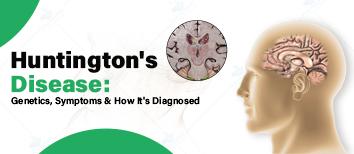
Huntington’s disease is a genetic brain disorder that causes movement, cognitive, and behavioral problems

Rhinoplasty, commonly known as a nose job, has become one of the most sought-after cosmetic surgeries worldwide. India, with its highly skilled surgeons and cost-effective healthcare system, is a preferred destination for this procedure. If you’re exploring Rhinoplasty surgery costs in India, this detailed guide will give you everything you need to know.
Schedule your rhinoplasty consultation at Felix Hospitals now and embrace the new you! Contact us by Calling +91 9667064100.
Rhinoplasty is a surgical procedure to alter the shape, size, or structure of the nose for aesthetic or functional reasons. This versatile surgery can address:
Correcting deformities caused by injuries or birth defects.
Improving breathing by rectifying structural issues such as a deviated septum.
Enhancing facial harmony by refining the nose's size or shape.
Rhinoplasty can be performed as an open surgery, where an external incision is made at the base of the nose, or as a closed surgery with incisions hidden inside the nose. The choice of technique depends on individual needs and the surgeon’s recommendations.
India offers high-quality rhinoplasty at competitive prices, making it an attractive option for patients worldwide. Below is a breakdown of the rhinoplasty surgery cost in India:
| Type of Cost | Cost (INR) |
|---|---|
| Minimum Cost | 75,000 |
| Maximum Cost | 2,50,000 |
| Average Cost | 1,50,000 |
The actual cost may vary based on multiple factors, which we will explore below.
| City | Average Cost |
|---|---|
| Noida | 1,25,000 – 1,75,000 |
| Delhi | 1,25,000 – 2,50,000 |
| Mumbai | 1,50,000 – 3,00,000 |
| Bengaluru | 1,20,000 – 2,50,000 |
| Chennai | 1,10,000 – 2,40,000 |
| Hyderabad | 1,00,000 – 2,30,000 |
| Kolkata | 1,00,000 – 2,00,000 |
| Pune | 1,00,000 – 2,20,000 |
Several elements influence the overall cost of rhinoplasty surgery:
1. Type of Procedure:
Aesthetic rhinoplasty tends to be less complex than functional rhinoplasty, which may involve additional corrections.
2. Surgeon’s Expertise:
Surgeons with extensive experience and specialized skills may charge higher fees.
3. Hospital Facilities:
Hospitals with advanced technology and luxury amenities may increase the total cost.
4. Geographical Location:
Costs vary between cities. Metropolitan areas generally have higher rates than smaller towns.
5. Anesthesia Fees:
Whether general or local anesthesia is used impacts the final bill.
6. Post-Surgery Care:
Follow-up consultations, medications, and additional treatments influence overall expenses.
Here are some effective ways to manage the cost of rhinoplasty without compromising quality:
1. Choose Reputed Hospitals: Opt for the best rhinoplasty surgery hospital like Felix Hospitals that offer affordable packages without compromising care standards.
2. Health Insurance: Check if your insurance policy covers functional rhinoplasty to reduce out-of-pocket expenses.
Early Booking Discounts: Look for seasonal discounts or early bird offers provided by hospitals.
3. Combine Treatments: If you require multiple procedures, combining them can reduce overall costs.
4. Seek Expert Advice: Consult with experienced surgeons to minimize the risk of revision surgeries, which can be expensive.
Felix Hospitals stands out as a trusted destination as a plastic surgery hospital, offering unparalleled expertise and patient-focused care. Here’s why it’s the ideal choice for your rhinoplasty procedure:
1. Expert Rhinoplasty Surgeons
Our skilled surgeons have years of experience in both cosmetic and functional nasal surgeries. They deliver personalized solutions, ensuring aesthetically pleasing and functional outcomes tailored to each patient’s needs.
2. Cutting-Edge Technology
Felix Hospitals employs state-of-the-art equipment for precision and safety in every procedure. From advanced imaging for planning to minimally invasive tools, we use the latest innovations to enhance results and minimize recovery time.
3. Affordable and Transparent Pricing
We provide competitive pricing with no hidden costs, making world-class rhinoplasty accessible to everyone. Our financial guidance ensures clarity and confidence throughout your journey.
4. Personalized Patient Care
From consultation to recovery, our team offers individualized support. Customized treatment plans, regular follow-ups, and compassionate care ensure a seamless and satisfying experience.
Dr. Pragya Priya is a renowned rhinoplasty surgeon known for her exceptional skills and personalized approach. With a stellar track record of successful surgeries, Dr. Priya tailors each treatment to meet her patients' unique needs, ensuring optimal aesthetic and functional outcomes. Her dedication to precision and patient care makes her a trusted choice for those seeking a transformative experience.
Dr. Vishvendu Gaur, serving at Felix Hospitals, Gamma 1, Greater Noida, is equally esteemed for his expertise in rhinoplasty and other advanced surgical procedures. His patient-centric approach and commitment to excellence have earned him a reputation as one of the finest rhinoplasty specialists in the region.
Transform Your Confidence with Rhinoplasty at Felix Hospitals. Book a consultation today to discuss your transformation with our specialists!
Rhinoplasty surgery is a life-changing procedure that enhances both appearance and functionality. With competitive pricing and expert care, India has become a hub for this transformative surgery. Felix Hospitals, with its team of skilled professionals and state-of-the-art facilities, is the ideal choice for patients seeking rhinoplasty surgery in Noida. Start your journey today and let Felix Hospitals help you achieve the confidence you’ve always desired.
1. Can rhinoplasty surgery address both cosmetic and functional issues simultaneously?
Ans: Yes, rhinoplasty can be customized to address both aesthetic concerns and functional issues, such as breathing difficulties caused by a deviated septum. Discuss your needs with your surgeon to design a tailored surgical plan.
2. Is the recovery process different for open and closed rhinoplasty techniques?
Ans: Recovery timelines may vary between open and closed rhinoplasty. Open rhinoplasty generally requires more healing time due to the external incision, while closed rhinoplasty involves less visible scarring and a potentially quicker recovery.
3. Are there any risks of revision surgery after rhinoplasty, and how can they be minimized?
Ans: Revision surgeries are rare but may be necessary if the initial results do not meet expectations. Choosing an experienced surgeon like Dr. Pragya Priya and following post-operative care instructions diligently can significantly reduce this risk.
4. What specific technologies or techniques are used at Felix Hospitals for rhinoplasty surgery?
Ans: At Felix Hospitals, we use advanced imaging systems for pre-surgery planning, precision tools for shaping the nasal structure, and minimally invasive techniques to ensure optimal results and faster recovery.
5. How can I determine if I’m a suitable candidate for rhinoplasty at Felix Hospitals?
Ans: A thorough consultation with Dr. Pragya Priya includes a detailed evaluation of your medical history, nasal structure, and desired outcomes. This ensures that you are an ideal candidate for the procedure.
6. Does Felix Hospitals provide any aftercare packages to ensure a smooth recovery from rhinoplasty surgery?
Ans: Yes, Felix Hospitals offers comprehensive aftercare packages, including follow-up consultations, medication guidance, and personalized recovery plans to ensure the best results and a seamless healing process.
7. How long do the results of rhinoplasty surgery typically last?
Ans: Rhinoplasty results are usually permanent, as the procedure reshapes the nasal structure. However, natural aging and lifestyle factors may cause subtle changes over time. A skilled surgeon ensures long-lasting, aesthetically pleasing outcomes.
8. What steps can I take to prepare for my rhinoplasty surgery at Felix Hospitals?
Ans: Preparation includes a detailed pre-surgery consultation, avoiding smoking and certain medications, and undergoing any necessary tests as recommended by your surgeon. Felix Hospitals provides a comprehensive guide to ensure you’re fully prepared for the procedure.

Plastic surgery cost in Noida depends on the procedure type, surgeon expertise, hospital infrastructure, and post-surgery care.
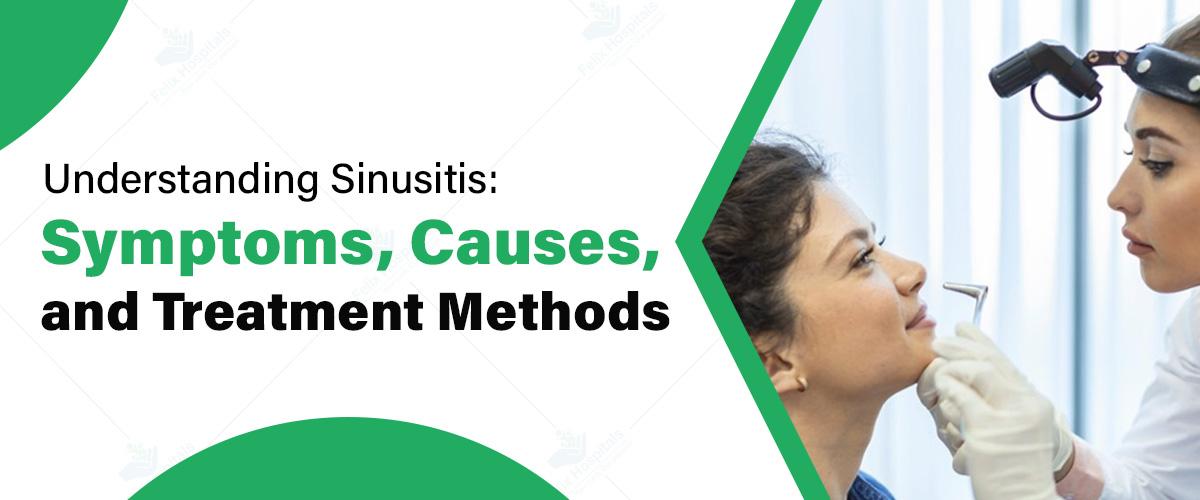
Sinusitis is a common condition that affects millions of people worldwide, leading to discomfort and disrupted daily life. It occurs when the sinuses, the hollow cavities in the skull, become inflamed due to infection, allergies, or other factors. The symptoms can range from mild to severe, affecting one's ability to breathe easily, sleep well, and go about daily tasks. At Felix Hospital, our team of experienced doctors is here to help you understand the condition and find effective treatment options for sinusitis. This comprehensive guide will explain the symptoms, causes, and treatment methods, helping you take the right steps toward relief.
Trust Felix Hospitals for the best Neurologist, specialized medical services, and compassionate support during your critical moments by Clicking Here.
Sinusitis is the inflammation or infection of the sinus cavities, which are located behind the forehead, nose, eyes, and cheeks. The condition typically causes swelling and blockage of the sinuses, leading to difficulty in draining mucus. This blockage may result in facial pain, nasal congestion, headaches, and other discomforting symptoms. For effective diagnosis and treatment of sinusitis, it’s important to consult with the best ENT hospital in Noida, where experienced specialists offer comprehensive care tailored to your needs.
Sinusitis can be classified into different types based on the duration of the symptoms and the underlying causes. The most common types include:
Acute Sinusitis:
Lasts for a short period, usually less than four weeks. It’s often caused by a viral infection, such as the common cold.
Subacute Sinusitis:
Symptoms persist for 4-12 weeks and may result from bacterial infections or untreated acute sinusitis.
Chronic Sinusitis:
Symptoms last for more than 12 weeks and can be caused by persistent bacterial infections, allergies, or structural problems in the sinuses.
Recurrent Sinusitis:
Multiple episodes of sinusitis occur within a year, often requiring long-term management strategies.
The symptoms of sinusitis can vary in severity and duration, depending on the type of sinusitis you have. Common symptoms include:
Nasal congestion and blockage: Difficulty breathing through the nose due to inflammation.
Facial pain or pressure: Pain in the forehead, cheeks, or around the eyes.
Thick, yellow, or green nasal discharge: Indicates infection or the presence of mucus.
Headache: Often felt in the forehead or behind the eyes.
Post-nasal drip: Mucus dripping down the back of the throat, causing a sore throat or coughing.
Decreased sense of smell or taste: A blocked or stuffy nose can reduce your ability to smell and taste.
Fever: Occasional with bacterial infections or more severe cases.
Fatigue: Chronic inflammation can make you feel tired or worn out.
Sinusitis can result from various factors, which can either block the sinuses or cause inflammation. Common causes include:
Viral Infections: The common cold is the leading cause of acute sinusitis.
Bacterial Infections: When a viral infection leads to bacteria infiltrating the sinuses, it can cause a bacterial sinus infection.
Allergies: Allergic reactions, such as pollen, dust, or mold, can inflame the sinuses and contribute to sinusitis.
Nasal Polyps: Noncancerous growths in the nasal passages can obstruct airflow and contribute to chronic sinusitis.
Structural Problems: Conditions like a deviated septum or other anatomical issues in the nose can affect drainage and lead to sinus problems.
Environmental Factors: Pollution, smoke, or dry air can irritate and inflame the sinuses, leading to sinusitis.
Certain factors can increase your risk of developing sinusitis, including:
Weakened immune system: Conditions like diabetes, HIV/AIDS, or certain medications can make you more prone to infections.
Frequent respiratory infections: If you often suffer from colds, you're at a higher risk of developing sinusitis.
Allergies: If you have seasonal allergies or chronic allergic rhinitis, you may be more susceptible.
Exposure to irritants: Pollution, tobacco smoke, and chemicals can irritate the nasal passages and increase the risk.
Family history: If sinusitis runs in your family, you may be more likely to experience it as well.
If you experience persistent sinusitis symptoms, it's important to seek medical attention for a proper diagnosis. Your doctor may conduct the following:
Physical Examination: Checking for nasal congestion, facial tenderness, and other visible signs of sinusitis.
Nasal Endoscopy: A thin tube with a camera may be inserted into your nose to view the sinuses.
Imaging Tests: A CT scan or MRI can help assess the extent of the sinus blockage or detect any underlying issues like nasal polyps or structural problems.
Allergy Tests: If allergies are suspected, skin tests or blood tests may help identify allergens.
Microbial Culture: If a bacterial infection is suspected, a sample of mucus may be taken to identify the causative bacteria.
The treatment for sinusitis varies depending on the cause and type of condition. Common treatment options include:
Antibiotics: For bacterial sinusitis, antibiotics may be prescribed.
Decongestants: To reduce nasal swelling and ease congestion.
Nasal corticosteroids: To reduce inflammation and relieve symptoms.
Pain relievers: Over-the-counter medications like ibuprofen or acetaminophen can help manage pain and headaches.
Saline nasal irrigation: Helps rinse out mucus and allergens from the nasal passages.
Steam inhalation: Breathing in steam can help loosen mucus and relieve sinus pressure.
Warm compresses: Applying a warm compress over the sinuses can reduce pain and inflammation.
Rest and hydration: Drinking plenty of fluids and getting adequate rest is essential for recovery.
Endoscopic sinus surgery: If other treatments fail, surgery may be needed to clear blocked sinuses or remove polyps.
Balloon sinuplasty: A minimally invasive procedure that opens up blocked sinuses with a small balloon.
Dr. Kunwar Parvez: With extensive experience in treating a wide range of ENT conditions, Dr. Kunwar Parvez specializes in sinusitis management and offers advanced treatment options to ensure effective relief. To learn more about Dr. Parvez, visit his profile at Felix Hospital.
Dr. Arvinder Pal Singh: A highly experienced ENT specialist at Felix Hospitals, Dr. Singh is dedicated to providing comprehensive care for sinusitis and other nasal conditions. With a patient-focused approach, he offers personalized treatments to improve your quality of life. Visit Dr. Singh’s profile on Felix Hospital.
Sinusitis is a common condition that can range from a mild inconvenience to a serious health issue. Understanding its symptoms, causes, and treatment options can help you manage the condition effectively. If you experience persistent or severe symptoms, it’s essential to consult with a medical professional for proper diagnosis and treatment. At Felix Hospital, our team of experienced specialists provides the latest treatments and personalized care for sinusitis to ensure you achieve lasting relief and a better quality of life. Consult the Best Doctor for Sinusitis at Felix Hospital for the most effective care.
Trust Felix Hospitals for the best Neurologist, specialized medical services during your critical moments by Clicking Here.
Q- What is the most common cause of sinusitis?
ANS: Viral infections like the common cold are the most common cause of acute sinusitis.
Q- Can sinusitis go away on its own?
ANS: In many cases, mild sinusitis caused by viral infections can resolve on its own within a few weeks.
Q- How can I prevent sinusitis?
ANS: Practice good hygiene, avoid allergens, and manage allergies to reduce your risk of developing sinusitis.
Q- Is sinus surgery always necessary?
ANS: Surgery is usually a last resort when other treatments fail or if structural issues are causing recurrent sinusitis.
Q- How long does it take to recover from sinusitis?
ANS: Recovery time depends on the severity of the condition. Acute sinusitis may resolve in a few weeks, while chronic sinusitis may require longer-term management.
It uses radiofrequency energy to create a low-temperature plasma field that gently dissolves the tissue, rather than burning it.
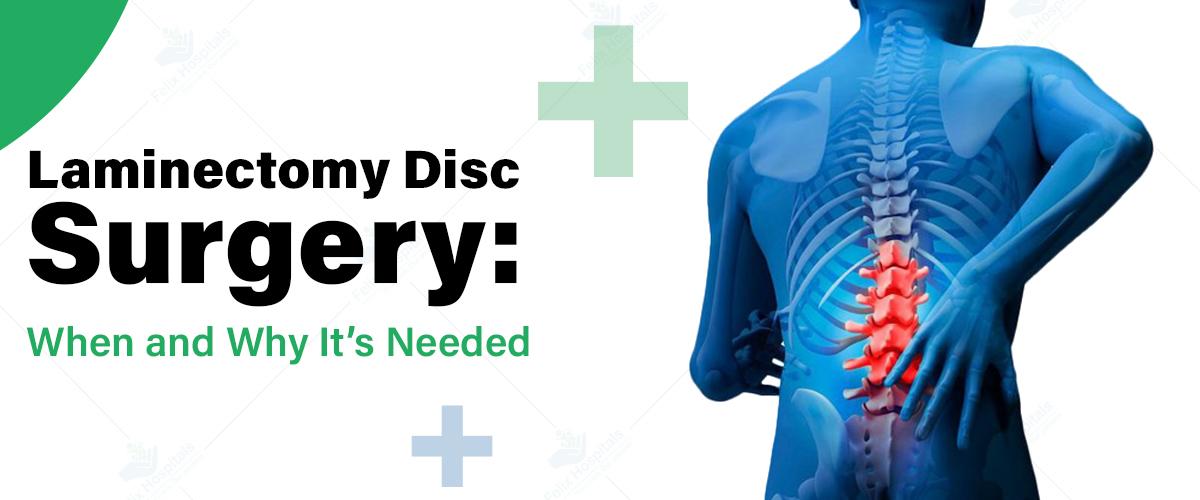
If you’ve tried almost all the non-invasive medical treatments for your persistent low back or neck pain but nothing seems to work, then maybe you should consider Laminectomy. A laminectomy is a common surgical procedure to remove the lamina or bony arch that protects and supports the back part of your spinal cord. It relieves pressure on your spinal cord nerves that can cause pain, numbness or tingling in your back, arms and legs.
To relieve pressure on your nerves and treat conditions like arthritis, bone fractures, spinal stenosis, degenerative back conditions, spinal tumors, etc., a surgeon typically performs a Laminectomy in the lower spine. It is a common yet effective surgical solution for individuals who have tried conservative treatments like physical therapy or medication without success. To explore this option further, consider consulting a neuro hospital in Noida for expert advice and treatment. But what exactly is Laminectomy, and how does it work? Let’s dive into the details.
If the pain in your back is restricting your ability to move or function, or if you’re experiencing severe neck pain or nerve-related symptoms, consult the experts at Felix Hospitals, the leading neuro hospital in Noida. We provide personalized treatment and care.
Experiencing persistent back pain or nerve compression symptoms? Consult our expert spine surgeons Call on: +91 9667064100 today to find out if laminectomy disc surgery is the right solution for you.
Laminectomy disc surgery primarily addresses spine-related conditions such as:
Spinal Stenosis: The spinal stenosis is narrowing of spaces in the spine (backbone) that exerts pressure on the spinal cord or nerve roots. This can cause tremendous pain and discomfort.
Herniated Disc: A herniated disk happens when the soft inner portion of the disk pushes outside its fibrous external covering.
Degenerative Conditions: These are age-related conditions like arthritis or spondylosis that weaken the spinal structure over time.
Tumor in Spine: The surgical procedure removes the lamina portion of vertebrae to provide access to the tumor to remove it and eliminate pressure on the spinal cord.
Several factors can contribute to conditions requiring Laminectomy surgery:
Age-Related Changes: All parts of the spine undergo degenerative changes as we age. The two most prevalent conditions are degenerative disc disease (DDD) and osteoarthritis.
Injury: Trauma from motor accidents or falls can damage the spine.
Herniated Discs: A herniated disk is a condition that occurs when one of the disks in your spine tears or leaks due to natural wear and tear or injury. It puts pressure on spinal nerves and is one of the most common causes of lower back pain.
Tumors: It is an abnormal mass of tissue within or surrounding the spinal cord and/or spinal column. |
Congenital Conditions: Some children are born with narrower spinal canals and defects.
If your neuro & spine surgeon has suggested you Laminectomy, you could be experiencing a wide range of symptoms, such as:
Numbness, or weakness in the arms or legs.
Difficulty walking or maintaining balance.
Loss of bladder or bowel control in severe cases.
Sciatica: Pain radiating from the lower back to the legs.
Accurate diagnosis of a spinal condition is crucial for determining the need for laminectomy disc surgery. Common diagnostic methods include:
Physical Examination: During the exam, your doctor will assess your symptoms, reflexes, and muscle strength.
Imaging Tests: These may include X-rays that will help to detect bone abnormalities, MRI scans to visualize soft tissues, including discs and nerves and CT Scans that will provide detailed cross-sectional images of the spine.
Nerve Tests: Tests such as Electromyography (EMG) and nerve conduction studies help in evaluating nerve function.
Laminectomy disc surgery is often recommended when assistive devices, such as mechanical back supports and conservative treatments such as medications, spinal injections, physical therapy, and occupational therapy fail to provide relief.
A laminectomy procedure may vary, as depending on your condition, the surgeon may perform a minimally invasive surgery. It may be done while you are asleep under general anesthesia. A typical Laminectomy surgery involves the following steps:
Preparation: Pre-operative tests are performed to ensure the patient is fit for surgery. Before the procedure general anesthesia is administered.
Procedure: The surgeon makes an incision in the back to access the affected vertebrae.
The surgeon then removes the bony arch of the posterior part of the vertebra, called lamina. This is done to ease the pressure on the nerves in the area and may involve removing bone spurs or growths, or removing all or part of a disk.
In some cases, spinal fusion where the surgeon will connect two or more bones in your spine, may also be done at the same time.
The incision will be closed with stitches or surgical staples.
Postoperative Care: Laminectomy may need you to stay in the hospital. Pain management is done through medication. Depending on your condition, physical therapy may be suggested to restore mobility and strength. Patients typically resume normal activities within 4-6 weeks.
While not all spinal conditions are preventable, adopting healthy habits can reduce the risk of developing issues:
Good Posture: Make sure to avoid slouching and practice ergonomics, at home and at the workplace to maintain good posture.
Exercise Regularly: Strengthen your core muscles to support spine health.
Healthy Weight: Excess weight puts pressure on the spine, therefore, make sure you are not overweight.
Avoid Smoking: Smoking tends to weaken your spinal discs and accelerate degeneration.
Proper Lifting Techniques: While lifting heavy objects, make sure to use your legs and not your back.
Healthy Diet: A well-balanced diet rich in essential nutrients like calcium and Vitamin D plays a crucial role in maintaining spine health.
Recognized as one of the best neuro hospitals in Noida & Greater Noida, Felix Hospital offers state-of-the-art diagnostic and surgical facilities, ensuring comprehensive care for patients requiring laminectomy disc surgery. We have a team of most experienced neuro & spine surgeons and neurologists in the country. With a multidisciplinary approach, our team, led by Dr. Sumit Sharma and Dr Anumeha Mishra provides personalized treatment plans for optimal outcomes.
Felix Hospital, dedicated to providing comprehensive care for disorders of the brain, spine, and nervous system. With advanced diagnostic tools and a patient-centric approach, our neurologist ensures accurate evaluation, effective treatment, and improved quality of life for every patient.
Dr. Sumit Sharma is a highly experienced neurosurgeon with 10+ years of expertise in the field. He specializes in diagnosing and treating a wide range of neurological and neurosurgical conditions, including brain tumors, spinal injuries, spinal tumors, hydrocephalus, and complex spine and brain disorders.
Don’t let back pain limit your life. Book an appointment with Felix Hospitals and take the first step toward recovery.
Laminectomy disc surgery is a highly effective surgical solution for individuals suffering from debilitating back pain and nerve compression. By relieving pressure on the spinal cord and nerves, the procedure restores mobility and improves the quality of life. With advancements in surgical techniques and rehabilitation, recovery is faster and safer than ever.
At Felix Hospitals, we combine cutting-edge technology with compassionate care to help patients achieve long-term relief. For details, contact us at: +(91) 9667064100.
Q. 1. How long does recovery take after a Laminectomy?
Ans: Recovery typically takes 4-6 weeks, although some patients may need longer, depending on the complexity of the surgery.
Q. 2. Is Laminectomy a major surgery?
Ans: Yes, it is considered a major surgery, but advancements in techniques have made it safer and more effective.
Q. 3. Can Laminectomy disc surgery prevent future spinal issues?
Ans: While it addresses the immediate problem, maintaining a healthy lifestyle is crucial to prevent further issues.
Q. 4. Are there any risks involved in the surgery?
Ans: As with any surgery, risks include infection, blood clots, and nerve damage, but these are rare with experienced surgeons.
Q. 5. How do I know if I need Laminectomy surgery?
Ans: If you experience persistent back pain, weakness, or numbness that doesn’t improve with conservative treatments, consult a specialist for evaluation.
Explore the cost of laminectomy surgery in Noida, including factors, benefits, and options for affordable care. Get informed for better decisions.
Recognizing the symptoms of a brain stroke is critical for getting prompt medical attention. The acronym F.A.S.T. is often used to remember the most common Brain stroke symptoms.
A concise guide explaining brain tumor surgery cost in Noida, including key factors, treatment options, and expert care.
Huntington’s disease is a genetic brain disorder that causes movement, cognitive, and behavioral problems
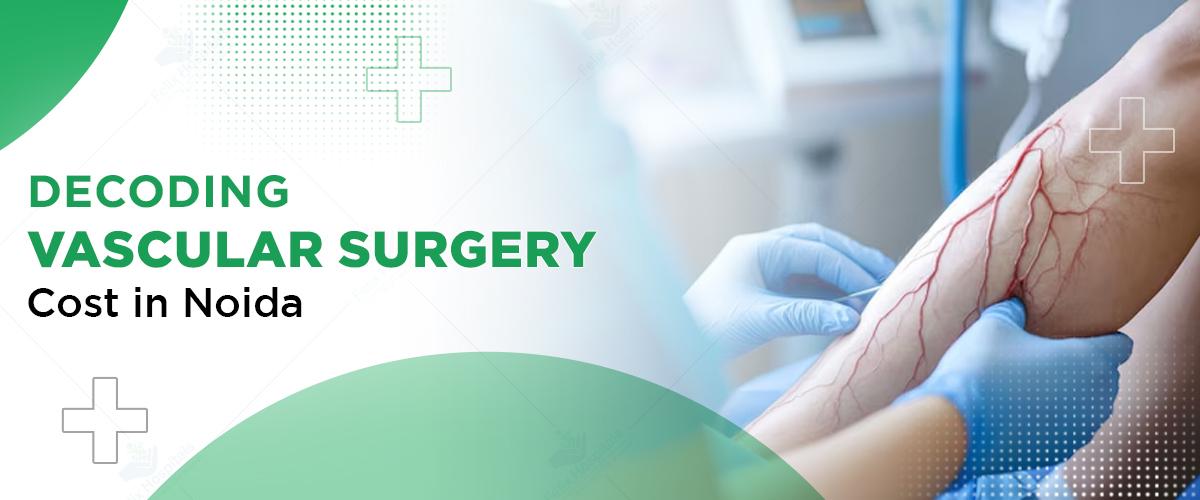
Vascular surgery is a specialized field within medicine that focuses on the diagnosis, treatment, and management of conditions affecting the blood vessels. This includes arteries, veins, and lymphatic vessels. Vascular surgery is crucial in treating various conditions like varicose veins, aneurysms, peripheral artery disease (PAD), and other circulatory system issues. In this blog, we’ll explore the cost of vascular surgery hospital in Noida, factors influencing the price, ways to reduce expenses, and why Felix Hospital is an excellent choice for cardiac and vascular care.
Call +91 9667064100 now for a quick cost estimate on Vascular surgery.
Vascular surgery is a medical procedure performed to treat conditions related to the blood vessels. These include procedures for blocked arteries, bulging veins, or blood clots that can cause severe health problems. Vascular surgeons employ both surgical and minimally invasive techniques to restore normal blood flow, reduce pain, and prevent complications like stroke, heart attack, or amputation.
Some common vascular surgeries include:
Endovenous laser therapy (EVLT) for varicose veins
Angioplasty and stenting to treat narrowed arteries
Bypass surgery for blocked blood vessels
Aneurysm repair
These procedures aim to restore proper circulation and reduce the risk of severe complications.
The cost of vascular surgery in Noida varies depending on several factors, such as the complexity of the condition, type of surgery, hospital facilities, and the expertise of the surgeon. On average, vascular surgeries in Noida can cost is:
| Maximum Cost | 5,00,000 |
| Minimum Cost | 50,000 |
| Average Cost | 3,00,000 |
It’s important to consult with a vascular surgeon to get a personalized estimate based on the individual’s needs.
Several factors influence the overall cost of vascular surgery, including:
Type of Procedure: Non-invasive procedures like endovenous laser therapy are typically less expensive compared to complex surgeries like bypass surgery or aneurysm repairs.
Hospital Charges: The hospital’s infrastructure, technology, and patient care services can affect the cost. Top hospitals with advanced equipment and higher standards may have a higher fee structure.
Surgeon’s Expertise: Highly experienced vascular surgeons in noida with specialized training may charge higher consultation and surgery fees, but their expertise can improve outcomes and reduce the risk of complications.
Duration of Surgery: The length and complexity of the procedure also affect the overall cost. Longer surgeries require more resources, anesthesia, and recovery time, which can increase the cost.
Post-Operative Care: Recovery and follow-up visits are also a crucial part of the cost. Some surgeries may require prolonged hospital stays, rehabilitation, or long-term follow-up visits, which can contribute to higher expenses.
While vascular surgery can be expensive, there are several strategies to reduce costs without compromising on quality:
Opt for Government or Non-Profit Hospitals: Some government and non-profit hospitals offer advanced vascular surgery procedures at a significantly lower cost than private institutions.
Insurance Coverage: Many health insurance policies cover vascular surgery. Ensure your policy includes vascular surgery and check the network of hospitals available for treatment. If you don’t have insurance, consider getting a policy that covers these procedures.
Consult Multiple Hospitals: Get estimates from different hospitals in Noida. Compare the services offered, the surgeon’s experience, and the overall treatment plan to find a balance between cost and quality of care.
Minimally Invasive Options: Whenever possible, choose minimally invasive techniques. These surgeries usually have shorter recovery times and lower hospital charges, which can make them more affordable.
Negotiate Payment Plans: Some hospitals offer flexible payment plans or discounts for cash payments. It’s worth inquiring about these options.
Felix Hospital in Noida is a leading healthcare provider renowned for its world-class cardiac and vascular surgery services. Here’s why you should consider Felix Hospital for vascular surgery:
Experienced Surgeons: Felix Hospital has a team of highly skilled vascular surgeons who specialize in treating a wide range of vascular conditions with expertise in both surgical and non-surgical treatments.
State-of-the-Art Infrastructure: The hospital is equipped with the latest technology and modern operating theaters to ensure precise and successful procedures.
Comprehensive Care: Felix Hospital provides comprehensive care from diagnosis to post-surgery rehabilitation, ensuring the best possible recovery outcomes.
Affordable Treatment: Felix Hospital offers competitive pricing without compromising on the quality of treatment, making it an affordable choice for vascular surgery.
Here’s a brief summary:
Dr. Ritesh Agrawal is a leading specialist in varicose vein treatment at Felix Hospital. With vast experience and a patient-focused approach, he is committed to delivering top-quality care for those managing varicose veins.
Dr. Shruti Sharma is a leading specialist in varicose vein treatment at Felix Hospital. With extensive experience and a patient-centered approach, she is dedicated to providing exceptional care for individuals managing varicose veins.
For further queries, simply click here or call +91 9667064100.
Vascular surgery is an essential procedure to treat circulatory system issues, but its cost can be a concern for many patients. Understanding the factors that influence the cost, finding ways to reduce expenses, and choosing the right hospital can help you manage the financial aspect of surgery. Felix Hospital in Noida stands out as a premier choice for affordable, high-quality vascular care. With expert surgeons and advanced facilities, it ensures that every patient receives the best possible treatment at a reasonable cost.
Q.1. What are the signs that I need vascular surgery?
Ans: Common signs include pain in the legs, difficulty walking, swelling in the legs, and the presence of varicose veins. Consult a vascular surgeon for a proper diagnosis.
Q.2. How long does recovery take after vascular surgery?
Ans: Recovery time depends on the type of surgery performed. Minimally invasive procedures may have a shorter recovery time, while major surgeries like bypass may require longer recovery periods.
Q.3. Is vascular surgery covered by insurance?
Ans: Many health insurance policies cover vascular surgery. It’s essential to check with your insurer to ensure the surgery is included in your plan.
Q.4. What should I expect during my consultation with a vascular surgeon?
Ans: During your consultation, the vascular surgeon will evaluate your medical history, conduct tests such as ultrasounds or CT scans, and discuss your treatment options.
Q.5. Are there any risks associated with vascular surgery?
Ans: As with any surgery, vascular surgery carries risks such as infection, bleeding, or complications from anesthesia. However, these risks are generally low, especially in experienced hands.
The primary goal of the Treadmill Stress Test is to evaluate how well the heart responds to increased physical activity
By working closely with experienced vascular surgeons and following their guidance, patients can achieve positive outcomes and enjoy a better quality of life.
Vascular surgery involves surgical procedures designed to treat disorders of the vascular system.
Expert vascular care in Noida for conditions like varicose veins and artery blockages, ensuring timely treatment and smooth recovery.
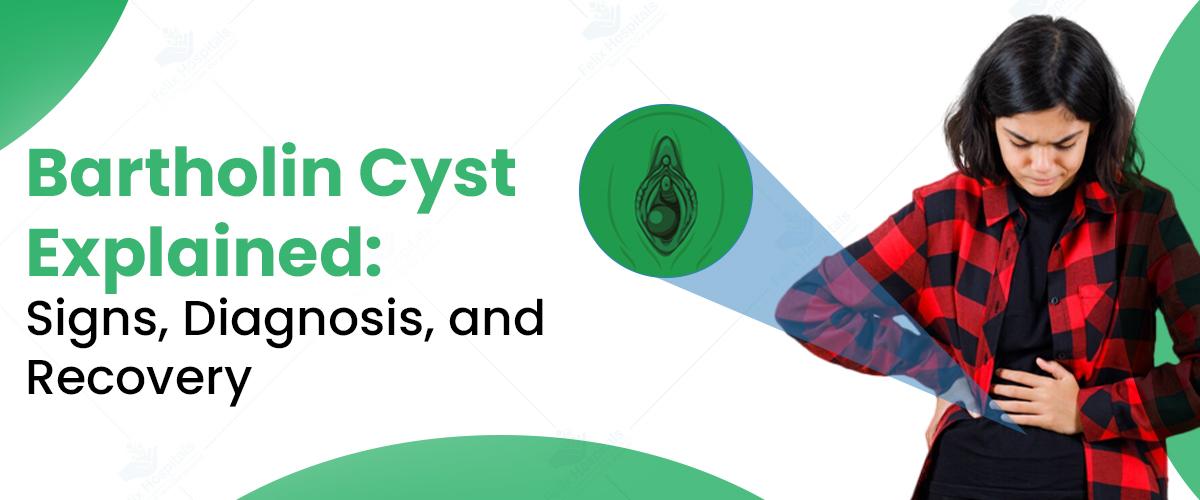
A Bartholin cyst is a condition that affects many women but is often overlooked or misunderstood. It occurs when one of the Bartholin glands, located on either side of the vaginal opening, becomes blocked, leading to a cyst. Though it can be uncomfortable, it’s important to know the signs, understand how it is diagnosed, and learn about the available treatments. At the best gynecologist hospital in Noida, expert care and accurate diagnosis are crucial in managing this condition effectively. In this blog, we’ll explore the key details about Bartholin cysts, including their signs, causes, diagnosis, treatment, and recovery options, as well as the expertise available to help you through the process.
Book an appointment with a top gynecologist by Clicking Here to get a proper diagnosis and personalized treatment plan!
A Bartholin cyst is a fluid-filled sac that forms when the Bartholin gland, located on either side of the vaginal opening, becomes blocked. The Bartholin glands are responsible for producing fluid that helps lubricate the vagina. When the duct that carries this fluid becomes obstructed, the fluid builds up inside the gland, causing a cyst to form.
These cysts can vary in size, ranging from tiny, non-painful cysts that may not require treatment, to larger, more painful cysts that can cause discomfort and require medical intervention. In some cases, a Bartholin cyst can become infected, leading to a painful abscess that may require surgical drainage.
The symptoms of a Bartholin cyst can vary depending on the size of the cyst and whether it becomes infected. In many cases, women may not experience any noticeable symptoms, especially if the cyst is small. However, when symptoms do occur, they may include:
If you notice any of these symptoms, it's important to seek medical attention promptly to avoid complications.
Bartholin cysts occur when the duct of the Bartholin gland becomes blocked, leading to fluid buildup. While the exact cause of the blockage is not always clear, several factors can contribute to the formation of a Bartholin cyst:
While these are some of the common causes, it is important to remember that Bartholin cysts can occur for no apparent reason in some women.
The diagnosis of a Bartholin cyst is typically straightforward and can often be made during a pelvic examination by a qualified Best gynecologist in noida. The doctor will visually inspect the vaginal area and may gently palpate the affected area to feel the cyst.
In some cases, additional tests may be necessary to rule out other conditions or to assess if the cyst is infected. These may include:
It’s essential to visit a gynecologist to ensure an accurate diagnosis, as other conditions like tumors or abscesses may present with similar symptoms.
The treatment for a Bartholin cyst depends on the size of the cyst, whether it’s infected, and how much discomfort it’s causing. Here are some of the most common treatment options:
Recovery from Bartholin cyst treatment depends on the type of treatment administered. For minor cases, recovery may take just a few days, with little to no downtime required. For surgical treatments, the recovery period may be slightly longer:
It is important to follow your doctor’s instructions carefully to avoid complications during recovery and to reduce the risk of recurrence.
If you're looking for expert care for Bartholin cysts, it's essential to consult with experienced gynecologists who can guide you through the diagnosis and treatment process. At the best hospital for gynecology issues in Noida, the Felix Hospital we have a team of top-rated gynecologists specializing in women’s health:
If you are experiencing symptoms or suspect you have a Bartholin cyst, don’t hesitate to contact us at +91 9667064100.
Bartholin cysts are common but manageable conditions that, when treated promptly, often lead to full recovery. By understanding the signs, seeking timely diagnosis, and exploring the right treatment options, you can minimize discomfort and ensure your reproductive health is well cared for. At Felix Hospital, the best hospital in Noida, you can receive personalized and effective treatment for Bartholin cysts, ensuring optimal outcomes for your health.
1. What is the most common cause of a Bartholin cyst?
Ans: The most common cause is the blockage of the Bartholin gland duct, often due to infection or injury.
2. Can a Bartholin cyst be prevented?
Ans: While it cannot always be prevented, maintaining good hygiene and avoiding irritants may reduce the risk.
3. Is Bartholin cyst treatment painful?
Ans: Most treatments, including warm compresses and drainage, are minimally painful. Surgical interventions may require a longer recovery period.
4. How long does it take to recover from Bartholin cyst surgery?
Ans: Recovery times vary, but most women can expect to return to normal activities within a few days to a week after drainage or marsupialization.
5. Can a Bartholin cyst come back after treatment?
Ans: Yes, Bartholin cysts can recur. Marsupialization is a procedure often used to reduce the chances of recurrence.
6. Are Bartholin cysts dangerous?
Ans: While Bartholin cysts are not typically dangerous, they can cause discomfort and lead to infection if left untreated.
7. Can Bartholin cysts affect fertility?
Ans: Bartholin cysts typically do not affect fertility, but they may cause discomfort during intercourse or pelvic exams.
8. What happens if a Bartholin cyst is left untreated?
Ans: If left untreated, a Bartholin cyst may become infected and form an abscess, leading to more severe pain and potential complications.
9. What are the risks of Bartholin cyst surgery?
Ans: Risks are minimal but can include infection, scarring, or recurrence. Your doctor will discuss the potential risks with you before any surgical procedure.
Dr. Charu Yadav is an obstetrician and gynecologist with 12+ years of experience, specializing in high-risk and twin pregnancies, ectopic pregnancy, and menstrual disorders. Trained in laparoscopic surgery, she provides care for pregnancy, infertility, menopause, and gynae procedures. She is also recognized among the Best Gynecologists in Noida for her patient-focused treatment.

Subscribe to our
© Copyright 2026. All Rights Reserved by Felix Healthcare Private Limited
Design and development by :


 +(91)9667064100
 Emergency : +(91)9667064100