 WhatsApp
 Emergency:
  WhatsApp









Subscribe to our
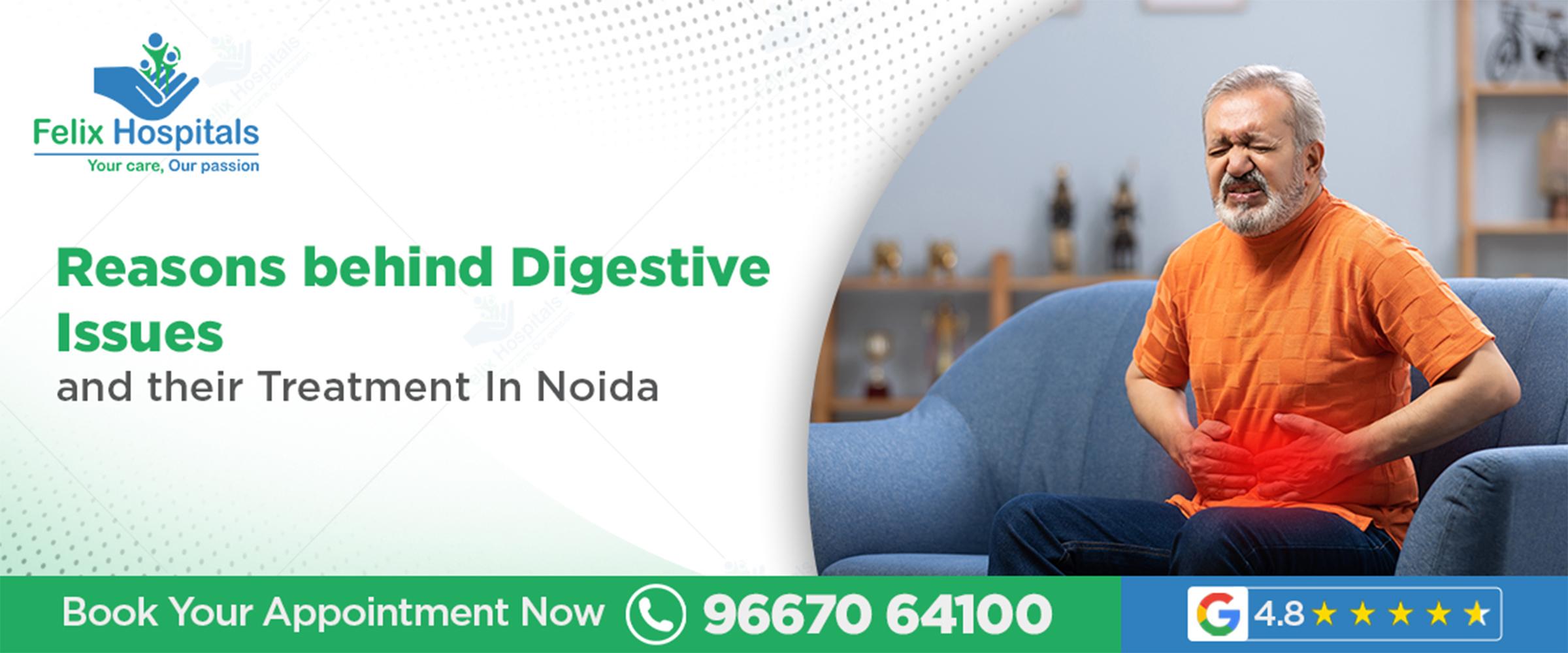
Good digestive function is important for physical and mental health, but stomach pain is something most people avoid thinking about until it is too painful to endure. Discomfort is often attributed to temporary or food-related causes, resulting in the delay in seeking the medical care that is necessary. Chronic gastrointestinal disease can significantly impair an individual’s ability to work, engage in social activities, or maintain emotional well-being. This includes understanding the root causes of these conditions, which enables long-term relief and prevention. “Many of the gastrointestinal problems are associated with lifestyle, diet, and stress and sometimes with medical problems that need evaluation and treatment by appropriate medical people".
With the right procedures most stomach conditions are curable. But the relief is often temporary, and unavailable over-the-counter medications often do not fix the underlying issue. When you consult a top gastroenterologist in Noida, you can be sure that it is not just your symptoms which are confined to the short-term, but the reasons behind them will also be found and treated in a holistic manner, helping you avoid any complications and enhancing your long-term digestive health.
Call +91 9667064100 to consult an experienced gastroenterologist in Noida for accurate diagnosis and digestive care.
Many people wonder why they still develop stomach problems despite eating healthy and avoiding junk food. Irregular eating time, poor hydration, stress and lack of physical activity are highly sensitive to the digestive system. Modern lifestyles often include processed foods, late-night eating, and prolonged sitting — all of which disrupt digestion. Emotional stress directly impairs gut function, leading to pain, bloating, or acidity. The symptoms may become common or intense, in such cases, consulting a stomach problem doctor near me can help determine whether the problem is of functional or underlying disorder.
Understanding common digestive problems and their solutions helps patients recognise symptoms early and seek appropriate careProblems of digestion come and go, but the frequent ones cannot be ignored. Common complaints include indigestion, gas, acidity, constipation, diarrhoea, and abdominal discomfort.
stomach pain or indigestion.
Irregular bowel movements
Excessive gas or bloating
Acid reflux and heartburn
Nausea after meals
Early medical guidance from a gastroenterologist in Noida ensures accurate diagnosis and tailored treatment plans that prevent complications.
These symptoms are commonly associated with dietary habits and digestive sensitivity. Eating too quickly, overeating, consuming carbonated drinks, or skipping meals can all lead to digestive problems. Certain foods ferment in the gut, producing excess gas and abdominal distension. Acidity commonly occurs when the stomach produces too much acid or empties too slowly. Symptoms are also worsened with stress and smoking. Persistent bloating or acidity should be evaluated to rule out conditions such as gastritis or food intolerance, and timely treatment helps restore digestive balance.
Unhealthy habits are major contributors to digestive discomfort. Sleep irregularities, insufficient consumption of water, and physical inactivity, adversely impact digestion. Individuals that miss meals or consume canned food are most likely to develop digestive issues. Smoking, excessive caffeine intake, and alcohol consumption weaken the digestive lining and worsen acidity. These are some of the habits that can be identified and altered to help in alleviating digestive symptoms and the performance of the gut on the whole.
Sometimes stomach pain is not serious, but when symptoms occur frequently or worsen over time, it is time to see a doctor. Persistent digestive problems may indicate underlying health conditions. Patients need to visit a stomach problem doctor near me in case their symptoms affect their daily activities or are not going away despite the home remedies. The warning signs are unidentified loss of weight, blood in stool, chronic vomiting, severe abdominal pain, or chronic constipation. Timely consultation helps to avoid complications as well as provide treatment on time.
A gastroenterologist in Noida specialises in diagnosing and treating disorders of the digestive system. From evaluating symptoms to conducting diagnostic tests, gastroenterologists provide comprehensive care for a wide range of digestive conditions. They are concerned with finding the cause of symptoms without providing short-term relief. The medication, diet, and lifestyle instructions can be part of the treatment plans. Continuous monitoring is required to control the symptoms and maintain stable digestive health in the long run.
Effective treatment is only possible by accurate diagnosis. An elaborate medical history, physical examination, and analysis of the symptoms are used to know reasons and develop a treatment plan. The use of diagnostic tests can be recommended depending on the severity and length of the symptoms. Tests assist in diagnosing inflammation, infection or functional problems. Consulting a gastroenterologist in Noida ensures that the diagnosis is precise and the treatment evidence‑based, reducing unnecessary medication use.Understanding the causes and available treatments is crucial for long-term digestive health. Infections, inflammation,slow gut movement, or deficiency of enzymes could result in problems of the digestive system. In other instances, digestion can also be affected by hormonal changes and medicines. The treatment is directed toward identifying triggers, correcting dietary principles, application of drugs if necessary, and improving gut health through lifestyle modifications. An experienced gastroenterologist in Noida conducts comprehensive analysis of symptoms before suggesting treatment, thus facilitating personalised care and improved results..
The treatment is directed at the symptoms and their causes. The treatment depends on the diagnosis and how severe the symptoms are. Without symptoms or mild problems, it is possible to treat by diet and drugs, but for chronic problems should be managed. These may include: deciding on treatment options such as:
Drugs to decrease acidity or inflammation
Dietary adjustments based on digestive tolerance
Changes in lifestyle
Regular monitoring for progress
With specialist treatment, most patients say they experience good improvement and lasting relief.
Prevention is the best way to keep your digestive system healthy. A few hours of work and live life hacks (don’t skip meals, drink water, don’t get stressed) can help you avoid digestive issues. Regular exercise promotes healthy bowel movement and prevents constipation. These preventive strategies can decrease symptom exacerbations and medication requirements. Permanent advice for long term digestive strength can be supplied by your local doctor.
Contact now at +91 9667064100 and book your appointment right away to receive professional help from a reliable specialist.
Digestive issues may start as small discomfort but can impact overall health. Understanding the reasons for digestive problems allows patients to take steps toward prevention and treatment. From lifestyle changes to medical care, early treatment ensures better comfort and long-term gut health. Consulting an experienced gastroenterologist in Noida provides accurate diagnosis, personalized treatment, and continuous care for all digestive conditions.
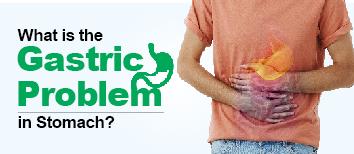
Gastric problems occur when excess acid or digestive disturbances affect the stomach lining, causing symptoms like bloating, acidity, and pain. Timely diagnosis ensures effective treatment.

Understand the key differences between stomach flu and food poisoning. Learn about their causes, symptoms, and when it's time to seek medical help for safe and effective treatment.
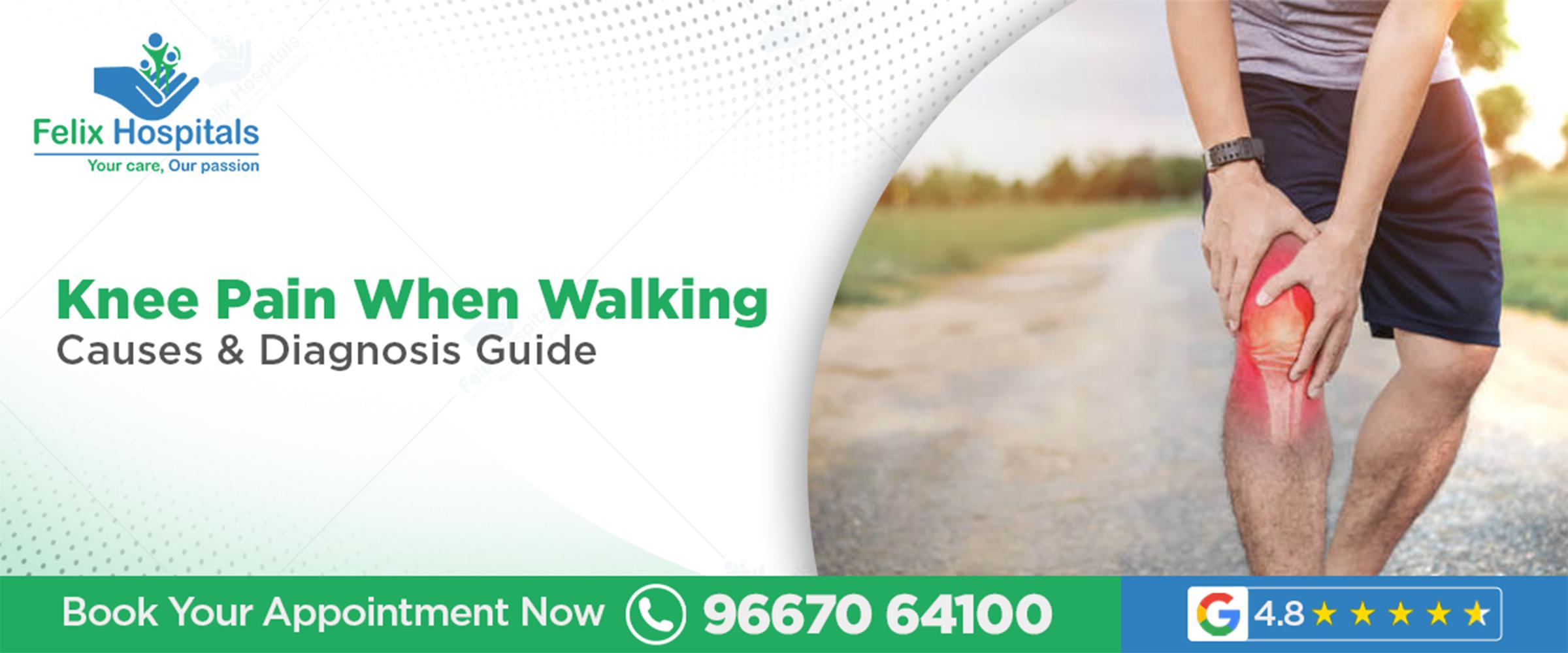
Walking should be simple and pain-free, but for many people, every step comes with discomfort. Knee pain while walking is common and affects people of all ages. Whether you are feeling slight pain after a walk or a sharp discomfort after climbing the stairs, your knees are trying to tell you something.
According to a statistical survey, in places such as Noida, there is an increasing number of people having knee issues due to the desk jobs, being overweight and other causes like sports injuries and ageing. If got diagnosed in time, the best orthopedic hospital in Noida can help you to recover fast.
Persistent knee pain needs expert evaluation before it worsens. Call +91 9667064100 to consult an orthopedic specialist in Noida.
A knee joint is a complex joint that works together to support body weight and movement. It consists of bones, cartilages, connecting bands (ligament) and muscles. While walking, knees can support 1.5 times your body weight; when climbing on stairs this number rises to 3 to 4 times, and when running the number becomes 7 times. This is the reason why one activity can be more painful than another. Difficulty walking due to knee pain may indicate underlying joint inflammation, ligament strain, or early arthritis. Early evaluation helps prevent worsening mobility issues.
Think about tires getting worn out with time , similar to the joint in your knee that slowly wears away resulting in bone-on-bone contact which will cause pain, stiffness, and swelling during walking or standing. This has become the most frequent cause of chronic knee pain.
Menisci are special cushions which can get torn due to constant movement, or with sudden pressure or injury. This causes sharp knee pain when walking, especially on uneven ground. A lot of individuals over the age of 50 have small tears, and they face a sharp pinching pain.
Ligaments are like rubber bands that hold your knee together. When injured, the knee becomes unsteady resulting in painful walking.
This is characterised by pain that occurs in the anterior part of the knee joint (the kneecap), with sharp popping sound that is characteristic to this syndrome.
The discomfort around the kneecap is typical of youth and athletes. The principal sign is the pain in the knee when bending and walking. This is 2-3 times more common among women as compared to men.
The cords which connect muscles to bones are called tendons. When the tendons become inflamed, it results in pain. Sportsmen refer to this as a jumper knee.
Swelling in knee joints might result from fluid buildup, overuse, or injury. Proper rest, ice therapy, and medical assessment are important if swelling persists.
Knee pain while walking long distances usually points to:
Early joint wear
Muscle weakness
Meniscal tear
Loose cartilage
Ligament strain
Increased body weight
Flat feet or unusual walking style
Have you ever noticed the worsening of knee pain while walking and climbing stairs? Stairs exert additional load on your knee joints. The main causes include teared cushioning, weakened muscles around the knee, or injury of the kneecap.
It is a red flag when one experiences pain in the knee at night and during walking. It implies a high level of wear of the joints, arthritis, inflammation, or potential infection. Your pain that wakes you up at night demands rapid attention of the doctor- it usually is due to active inflammation or nerve issues.
How It Feels | Likely Problem | What To Do |
Slow start, hurts more with activity | Joint wear | Consult doctor within 2 weeks |
Sharp pain with twisting | Torn cushion | See doctor within days |
Hurts on stair climbing | Kneecap issue | See doctor within 2 weeks |
Aches after long walks | Overuse | Rest and watch |
Sudden severe pain | Serious injury | Visit your doctor immediately |
Night pain | Inflammation | See doctor in 1-2 days |
Don’t wait if you have:
Pain over more than several days.
Increasing swelling
Difficulty walking
Pain that disrupts sleep
Subsequent swelling.
A visibly crooked knee
Fever with knee pain
Observe your walk
Test knee movement
Evaluate stability
Look for swelling
Bones and joint space X-rays.
MRI of the soft tissues around knee joint
CT scans for complex issues
Ultrasound of the Tendons
Blood Tests: Used when inflammation or infection are suspected. Early diagnosis helps avoid surgery in 70% of cases.
Painkiller Medicines: When knee pain strikes, the first line of defence is usually pain-relieving medicines. These medications help reduce both pain and swelling in the affected joint, making daily movement more comfortable. However, they should always be taken when prescribed by a doctor.
Physiotherapy: Physiotherapy is one of the main non-surgical options for knee pain. A trained physiotherapist designs personalised exercises to strengthen the muscles around the knee, improve flexibility and restore normal movement.
Weight Management: Excess body weight puts tremendous pressure on the knee joints with every step you take. But, do you know that even a small reduction in weight can make a big difference. Losing just 10 pounds can reduce knee pain by up to 20%, giving your joints much-needed relief and slowing down further wear and tear.
Knee Support and Braces: A knee support or brace acts like an external stabiliser for your joint especially in patients with ligament weakness or those who are recovering from any type of knee injury. It provides the stability needed during movement, reduces strain on the affected area and helps prevent further injury.
Activity Modification: Sometimes the way we move or the activities we choose can unknowingly worsen knee pain. Making simple changes such as avoiding high-impact activities, choosing low-impact exercises like swimming or cycling, and taking regular breaks during long walks can significantly prevent further damage and give the knee time to heal.
Gel Injections (Viscosupplementation): As the knee joint wears down, it loses its natural lubrication, causing painful bone friction. Gel injections, also known as viscosupplementation, work by injecting a fluid directly into the knee. This helps in reducing friction, easing stiffness and improving the range of motion.
If several months of treatments that don’t involve surgery don’t give enough comfort, or when there’s serious harm to the knee, surgery might be needed. The primary surgical choices are as follows:
Arthroscopy: Arthroscopy’s a fairly simple operation where the surgeon makes only a small number of cuts, then puts a very small camera – an arthroscope – into the knee joint. This enables the doctor to view the inside of the joint on a monitor and accurately fix injured tissue, take out pieces of torn cartilage or clear the joint. Arthroscopy has a very good success rate – as high as 90% – and means patients recover more rapidly, have little in the way of scars and feel a lot less pain after the operation.
Ligament Repair and Reconstruction: If the ligaments – the bands which join bone to bone – are badly torn or damaged, surgery to fix the ligament is needed. This operation recreates the torn tissue, using the patient’s own tissue or tissue from a donor, so that the knee’s normal power and steadiness are brought back. This is especially common among people who do sport and who’ve been hurt playing it. With correct recovery work, most patients are able to go back to what they did before and, even, to sport with a knee which is completely working and steady.
Knee Replacement Surgery: When patients are badly affected by advanced arthritis, or really bad harm to the joint where the cartilage has gone completely, knee replacement surgery is the final thing to try. In this operation, the parts of the knee joint which are damaged are changed for artificial pieces made of metal and very good plastic. These pieces are made to copy the normal movement of the knee, giving movement without pain and making the patient’s life a lot better. Knee replacements last from fifteen to twenty years, making it an operation which changes lives for those who’ve tried everything else.
The success of any knee surgery depends not only on the expertise of the surgical team but also the quality of post-operative care. The best orthopaedic hospital in Noida is equipped with state-of-the-art technology, highly- experienced orthopaedic surgeons and dedicated rehabilitation programmes.
Accurate diagnosis leads to faster recovery and better outcomes. Call +91 9667064100 to book an appointment at a leading orthopedic hospital in Noida.
It is an indication of something wrong when the pain becomes evident in the knee when walking. Don't ignore it. It can matter a lot if you get it checked early, whether you are feeling a bit of discomfort or getting a sharp sting. Best orthopedic surgeon In Noida can help you walk pain free with good orthopaedic care.
Questions 1: How would I know if knee replacement surgery will help me?
Answer: Knee replacement surgery is usually recommended when knee pain hampers even the most simple of daily tasks such as walking, climbing the stairs or resting. You may be suitable for total knee replacement surgery if you have advanced arthritis or major damage to the knee. You may also be eligible if you have not found relief from non-surgical treatments like physiotherapy, medicines, and injections after 3 to 6 months. Further, if your knee pain affects your sleep and quality of life, you are a suitable candidate. The best way to know for sure if you need shoulder surgery is to consult an experienced orthopaedic surgeon. He/she will see your X-rays and MRI reports and evaluate your overall health.
Questions 2: How much does it cost to replace a knee?
Answer: The price of knee replacement surgery in India will depend on multiple factors such as the implant used, the hospital you choose, your city and whether you are having a partial or total knee replacement. A knee implant with cost in Noida can fall between ₹1.5 lakhs to ₹3.5 lakhs or more for just a knee generally. High-end implants and advanced techniques like computer-assisted or robotic knee replacement may be more costly.
Questions 3: How can I find out if my insurance will pay for this kidney operation?
Answer: Most health insurance policies in India cover knee replacement surgery. However, the extent of coverage will depend on the terms and conditions of your policy. Follow these instructions carefully.
Initially, get in touch with your insurance provider directly and ask specifically whether knee replacement surgery is included. Secondly, ascertain a waiting period clause as many policies have a waiting period of 2 to 4 years for joint replacement surgeries. Another tip is to check if there are sub-limits on your policy ortho procedure and implant costs. Policy may have separate caps on implant amounts. The fourth tip is to get in touch with the insurance desk in your hospital. Most good orthopaedic hospitals in Noida have dedicated insurance teams that help you with pre-authorisation and claim processing smoothly.
Questions 4: What exercises should I do to strengthen my muscles before surgery?
Answer: Certainly! Getting your body ready before knee replacement surgery (pre-hab) can improve recovery outcomes. The knee joint will have better support and a speedier return to everyday activities with stronger muscles surrounding the knee. Exercises beneficial for a total knee replacement can include straight leg raises to strengthen the quadriceps without putting pressure on the knee, heel slides which improve knee flexibility, ankle pumps which improve circulation and reduce the risk of swelling, gentle swimming or water exercises as they are low impact and highly effective, and seated knee extensions to build strength gradually. Consult your orthopaedic surgeon or physiotherapist before starting any exercise programme.
Questions 5: Do I Need to Lose Weight Before Surgery?
Answer: It is best to maintain a healthy weight before knee replacement. Losing excess weight will make recovery easier and surgical outcomes better. Putting on extra weight loads the new knee joint, increases the chance of post-surgical complications (such as infection and blood clots), and slows down your recovery. Most likely, surgeons will advise patients with a body mass index of more than 40 to lose weight prior to surgery. Even a small amount of weight loss (5-10 kg) can reduce risk of surgery and improve long term outcome.
In the interest of achieving a safer weight before your surgery date, your doctor can refer you to a dietitian or weight management programme.
Dr. Binay Kumar Sahu is an experienced Orthopedic and Traumatology specialist with 11+ years of clinical practice. He has extensive expertise in complex trauma, arthroscopy, arthroplasty, musculoskeletal tumors, and hand surgery. Recognized among the Best Orthopedics in Noida, he provides comprehensive and advanced orthopedic care.

Knock knees, medically known as genu valgum, is a common condition in young children where the knees angle inward and touch one another when the legs are straightened.
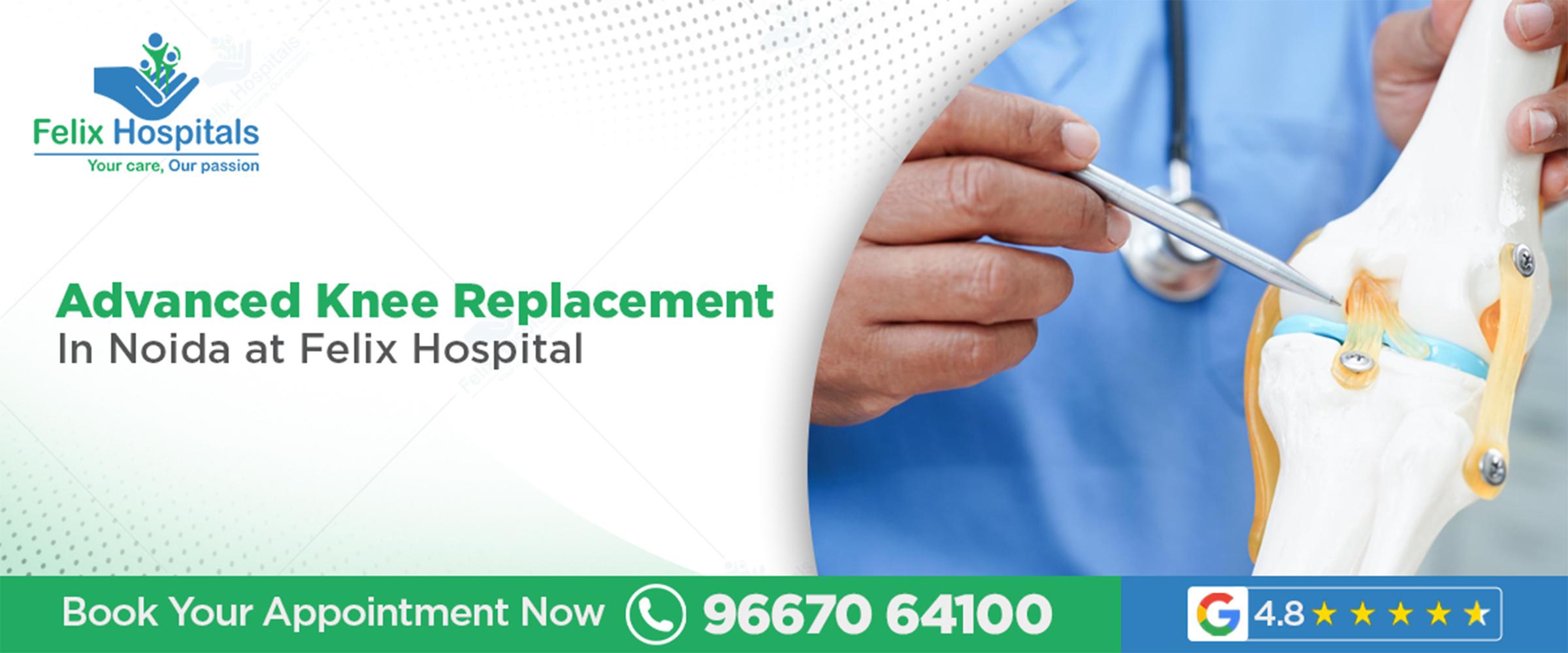
Knee pain that refuses to settle despite medication, injections, or lifestyle changes can gradually take away a person's independence. Daily activities such as walking, climbing stairs, or even standing for long periods start becoming exhausting and painful. Advanced knee replacement in Noida has now emerged as a reliable and long-term solution to those patients who suffer arthritis or severely damaged knee joints. The results have become more predictable with minimal risk and higher quality of life with surgical precision, improvements in technology, and quicker rehabilitation, which is now available to patients who want to enjoy quality life and be free of pain in the long run.
Book your appointment today by calling +91 9667064100 at a trusted knee replacement hospital in Noida and take the first step toward pain‑free mobility.
What is advanced knee replacement helps patients make informed decisions about their treatment:
Facts: State-of-the-art systems allow getting the proper joint position, less post-operative pain and a better survival of the implants.
Understanding who needs knee replacement surgery is crucial for timely intervention:
Consulting an experienced Orthopedic Doctor In Noida helps determine whether surgical intervention is necessary.
The knee replacement surgery procedure follows a structured and carefully planned approach:
Significant: In one of the specialised centres dedicated to knee replacement surgery near me, there are strict safety measures along with lifelong monitoring of patients.
The benefits of knee replacement surgery extend far beyond pain relief:
Success rate: Between 90 and 95 percent of patients will complain that their pain and function is improved significantly.
To have state-of-the-art surgery in Noida when choosing advanced knee replacement Noida would imply:
Patients treated at a reputable knee replacement hospital in Noida benefit from multidisciplinary care teams.
Factor | Consider Surgery If | Continue Conservative Care If |
|---|---|---|
Pain level | Severe, constant, limits activities | Mild to moderate, manageable |
Conservative care | Failed after 6+ months | Still providing relief |
Daily activities | Severely limited | Minimally affected |
Sleep quality | Disrupted by pain | Not significantly affected |
Joint damage (X-ray) | Severe, bone-on-bone | Mild to moderate |
Quality of life | Significantly impacted | Acceptable with modifications |
Understanding recovery after knee replacement surgery helps set realistic expectations:
Regular follow‑ups with an Orthopedic Doctor In Noida ensure progress is monitored properly.
Patients often ask how long is recovery after knee replacement as it impacts daily routines:
Notable fact: Repeated physiotherapy has a great effect on the speed of recovery and the ultimate results.
Total knee replacement Noida is recommended in certain circumstances:
At an experienced knee replacement hospital in Noida, surgeons evaluate whether total or partial replacement is appropriate.
Selecting the right knee replacement hospital in Noida is crucial for success:
An experienced Orthopedic Doctor In Noida brings clinical judgement and precision that directly influence outcomes.
Felix Hospital provides high quality orthopaedics with strong patient safety focus:
Call +91 9667064100 to consult an expert Orthopedic Doctor In Noida for advanced knee replacement evaluation.
Knee pain in winter is experienced as a result of circulation changes in cold, sensitivity, barometric pressure changes, and lifestyle. Knowledge of these causes would enable you to cope with symptoms. With proper activity maintenance, joint protection, and timely medical guidance, patients can reduce knee pain in cold weather. For severe winter arthritis pain, advanced options at a Best Orthopedics in Noida provide permanent relief.
Q1: Is advanced knee replacement suitable for elderly patients?
A: Yes, advanced techniques are safe for elderly patients when evaluated properly by an orthopedic specialist.
Q2: How soon can I walk after knee replacement surgery?
A: Most patients begin assisted walking within 24–48 hours after surgery.
Q3: Will I need lifelong physiotherapy after knee replacement?
A: Physiotherapy is essential during recovery, but long-term sessions depend on individual progress.
Q4: Can knee replacement surgery improve daily activities?
A: Yes, it significantly improves walking, stair climbing, and overall joint function.
Q5: Is knee replacement surgery painful?
A: Modern pain management techniques ensure discomfort is controlled effectively after surgery.
Dr. Binay Kumar Sahu is an experienced Orthopedic and Traumatology specialist with 11+ years of clinical practice. He has extensive expertise in complex trauma, arthroscopy, arthroplasty, musculoskeletal tumors, and hand surgery. Recognized among the Best Orthopedics in Noida, he provides comprehensive and advanced orthopedic care.

Understand menopause-related joint pain and find effective treatment options in Noida.
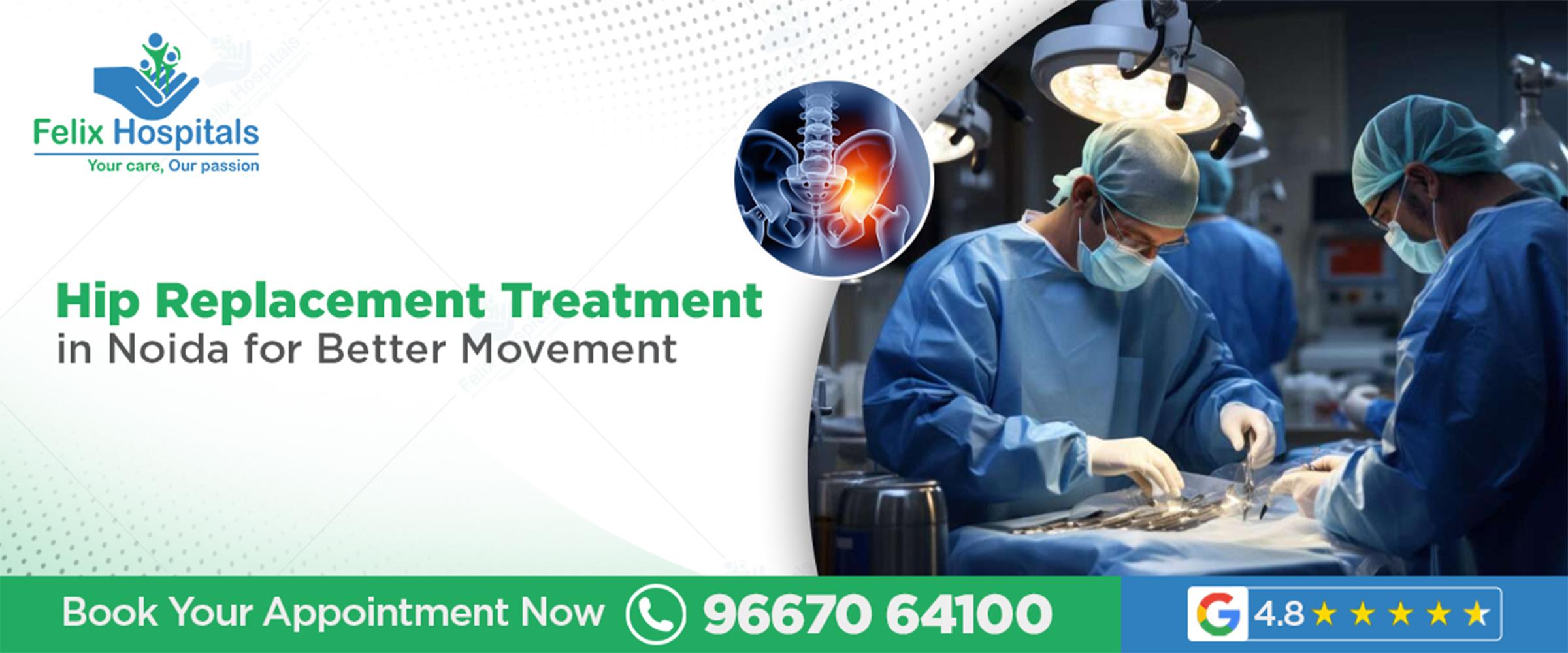
When your hip stops working properly, it does not just change the way you walk — it slowly takes away your independence. What begins as the occasional discomfort with walking up stairs or changing position in bed, ultimately becomes a debilitating pain that undermines your confidence and quality of life. Advanced hip replacement isn’t just replacing a worn out joint. It’s your life — getting rid of the pain, restoring normal movement, and giving you a joint that will last a long time. If you are looking for a hip replacement hospital near me, then with the availability of leading edge minimal access technique to perform minimal trauma surgery, skilled orthopedic surgeons and comprehensive rehabilitation care return to normal life quickly
Suffering with chronic hip pain or lack of mobility? Consult an experienced orthopedic surgeon for hip replacement in Noida today. Call +91 9667064100 to book your evaluation.
Many patients wonder what is advanced hip replacement and how it differs from traditional procedures. Here's the breakdown:
Contemporary surgery with better materials of implants.
Accurate positioning methods towards increased stability of the joints.
Minimally invasive that spares the rest of the surrounding muscles.
Improved technology minimising the discomfort of the post-surgery.
Surgical processes aimed at enhancing joint life.
Selecting a reliable hip replacement hospital near me ensures you get updated technology, skilled surgical teams, and structured rehabilitation programmes.
Understanding hip replacement surgery benefits is crucial for patients hesitant about surgery. This is what can be considered transformative about this procedure:
Significant relief of chronic hip pain.
Greater joint stability and mobility.
Improved sitting posture and walking.
Regained independence in daily living.
Ability to return to other leisure and social interests.
Improved quality of sleep without hip pain.
Quick Fact: More than 90 percent of patients undergoing hip replacement experience improved quality of life in the first year after the surgery.
A lot of people want to know whether they need hip replacement surgery. Clear indicators include:
Arthritic joints severely damaged
Pain that this has been for some time and is limiting your movement?
Damage to the hip joint due to trauma or disease.
Mobility issue, and making daily walks out.
Constant hip pain with medication.
Pain in the joint, restricting movement after rest period.
Work and family: poor quality of life.
Sleeping problems because of hip pain.
Suffering uprooting normal functioning.
An early consultation at a reliable hip replacement hospital near me not only spares you undue pain but also stops further damage to your joint.
Advanced procedures focus on precision and tissue preservation, directly enhancing hip replacement surgery benefits:
Reduced muscle activity disruption during surgery.
Less blood loss and tissue injury.
Improved positioning of the implants to be impactfully functional.
Faster healing and recovery
Special training of surgical teams.
Complications minimising standardised processes.
High-tech infection control practices.
An experienced orthopedic surgeon for hip replacement in Noida ensures each surgical plan is tailored to maximise your mobility goals.
The question: how long is recovery after hip replacement? The following is the separate realistic timeline:
Early recovery (Days 1–7):
Start walking with the aid immediately after surgery.
Average hospital length of stay 2–4 days.
Sufferings treated by drugs.
Progressive recovery (Weeks 2–6):
Progressively extend walking distance.
Minimise the reliance on aids in walking.
Train muscle wellness via training.
Full recovery (Months 3–6):
The vast majority of the patients are able to walk comfortably.
Go back to moderated exercises and jobs.
Approximately normal operation attained.
Issues that influence your healing:
Age and overall health
Complaints with rehabilitation plans
Pre-surgery fitness level
Recovery is smoother when you receive structured rehabilitation support at a trusted hip replacement hospital near me.
Understanding walking aids after hip replacement helps you prepare for early recovery:
Walkers to give the first stability.
Transitional support canes.
Gives stability as the joint has been healed.
Reduces risk of falls.
Encourages healthy movement behaviours.
Duration of use: Usually after 4–6 weeks of surgery.
Progressively diminished with increase of strength.
An experienced orthopedic surgeon for hip replacement in Noida advises on correct duration and proper use tailored to your recovery.
Patients usually enquire on the risks of the hip replacement surgery prior to their decision.
Infection 1–2 %of cases.
Dislocation- may be prevented with good care.
Advanced surgical practise.
Experienced surgical teams
Preventive medicine and processes
These risks can be reduced significantly by selecting a well-established hip replacement hospital near me.
The crucial question: can hip replacement improve walking and activity? Yes.
Pain‑free movement
Increased stability
Greater walking capacity
Get back to normal work painlessly.
Move up stairs more easily
Engage more in social life
The decrease of pain is observed within weeks.
Best improvement the process then transpires beyond months.
Recovery in 3-6 months is considered a near-normal functioning.
Make the muscles surrounding the new joint stronger.
Enhance movement and locomotion.
Restore the confidence in the movement.
Follow up appointments regularly.
Maintain a healthy weight
Exercise within safe limits
Hip pain can not only rob you of your social life, but also is a chronic pain that does not only concern the body. Recognising who needs hip replacement surgery means understanding how pain disrupts daily living:
Fear of becoming dependent
Irritation with lack of strength.
Mobility challenge as a source of social isolation.
Renewed confidence in mobility.
Better mental health.
Returned independence
An experienced orthopaedic surgeon for hip replacement in Noida will guide you with realistic expectations and emotional support during your journey.
In case your hip pain is restricting mobility and ways of doing your everyday activities, call +91 9667064100 and find out more about the treatment choices available in an accomplished hip replacement hospital near me.
The latest technologies in surgery have changed the experience of patients that have broken a hip joint. The knowledge about advanced hip replacement, its life-changing advantages and future expectations about the recovery will put you in a position to make the right choice. With expert care from an experienced orthopaedic surgeon for hip replacement in Noida, you can safely address pain, restore mobility, and regain independence. Attending a well-known hip replacement hospital near me will ensure your all-inclusive care, which includes a diagnosis, to a recovery process that will lead to improved mobility and performance of the joints.
Dr. Binay Kumar Sahu is an experienced Orthopedic and Traumatology specialist with 11+ years of clinical practice. He has extensive expertise in complex trauma, arthroscopy, arthroplasty, musculoskeletal tumors, and hand surgery. Recognized among the Best Orthopedics in Noida, he provides comprehensive and advanced orthopedic care.
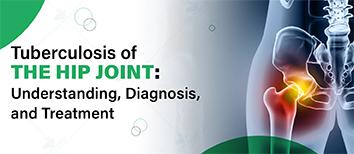
Tuberculosis (TB) is primarily known as a respiratory infection caused by Mycobacterium tuberculosis, but it can affect various body parts, including bones and joints.
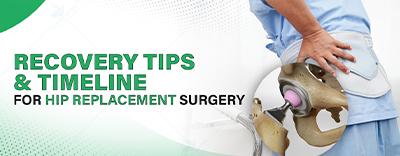
Learn about the recovery process after hip replacement surgery, including essential tips for a smoother healing journey and a general timeline of what to expect.
Knock knees (genu valgum) is a normal childhood growth pattern in which the knees angle in and touch while the ankles remain apart. In most situations, this is a normal part of development and resolves itself. Yet, if it continues after the appropriate age or getting worse over time, it can suggest an underlying orthopaedic problem. When looking for knock knees treatment for children in noida, always keep in mind that Early treatment promotes normal bone growth and prevents later complications.
Concerned about your child’s leg alignment? Call +91 9667064100 to book a pediatric orthopedician consultation today.
The bones ,joints and muscles of kids are in constant motion, experiencing a lot of remodeling during the first ten years. Pediatric knock knee condition is a common alignment variation where a child’s knees touch each other while the ankles remain apart. In most cases, it improves naturally as the child grows.
This alignment is normal between the ages of 2 and 5 years and slowly becomes straighter as the child gets older. About 40% of toddlers exhibit some amount of knock knees at this stage. Mild cases do self correction, but you do not want to ignore any cases that are severe or that are not improving. Early consultation with a paediatric orthopaedic surgeon in Noida ensures accurate evaluation and if required, intervention at the right time.
A lot of parents ask when they should be concerned about knock knees. It's a matter of knowing the natural course of skeletal development. As infants take their first steps, the position of their legs changes dramatically.
Knock knees are usually normal in children aged 3 to 7 years. After this period, if the alignment persists or worsens, a medical assessment is necessary.
When normal correction is interrupted — by nutritional deficiencies, genetic factors or bone disorders — knock knees can remain beyond the typical age. In these instances, a paediatric orthopaedic review is strongly recommended.
Identifying the cause, i.e. why do children develop knock knees is helpful in determining if observation, therapy, or surgery is the appropriate treatment. Some of the causes are:
Normal skeletal growth: As children grow, their legs are bell-shaped at around the knee in early life.
Weak hip and knee muscles: Sitting for long periods of time, or lack of exercise, can weaken the muscles which hold the joints in place, rather than pulling the legs inward.
Lack of Vitamin D: 80-90% of children in India are deficient in vitamin D, which makes it one of the major causes for weakened bones and low calcium absorption.
Obesity: Extra body weight adds additional pressure to new joints Overweight children are three times more likely to develop persistent knock knees.
Previous fractures or injuries: If a fracture heals abnormally, it can affect the growth of the leg and cause malalignment.
The cause, which informs whether observation, physiotherapy or surgery is indicated, can be established by the clinician.
A deficiency of vitamin D and calcium is one the highest risk factor, more so in India since 80-90% of children are deficient of vitamin D. In the absence of vitamin D, bones are not strong and dense enough to stay properly aligned as they grow.
Too much body weight puts a lot of pressure on the developing joints of the knees. Obese children are three times more likely to develop persistent knock knees, because each additional kilogram means adding about 4 kg of load on the knee.
Kids with a family history of genu valgum or other skeletal disorders are more likely to get it. Certain inherited bone disorders may also predispose a child to abnormal leg alignment.
Rickets, Blount's disease and other metabolic bone diseases are directly involved in bone growth and mineralization, making it difficult to maintain adequate alignment.
Fractures near the growth plate — particularly if they heal in the wrong position or go untreated — have the potential to interrupt the normal growth pattern of the leg bones.
Children that are sedentary for much of their day develop weaker muscles in the hips and knees. These muscles have an important role in stabilising the joint, and if they aren’t strong enough, then the inward alignment is more likely to stick.
Flat feet change how weight is distributed down the leg, which can begin to affect knee alignment over time and lead to / exacerbate knee valgus.
Premature Birth Premature infants may have lower bone density and delayed skeletal development, making them more susceptible to alignment issues as they grow.
Joint Hypermobility Children with loose or overly flexible joints have less structural stability, which can allow the knees to drift inward more easily during weight-bearing activities.
Parents are usually the first to see a change in their son or daughter’s posture or walking. Recognizing the signs of knock knees in growing children is crucial to decide the particular interventions.
Common symptoms are:
Knees touch when standing or walking – this is the most noticeable and indicative symptom.
You can use the space left between your ankles when your knees are together – Medics measure the space between the ankles to determine how severe the condition is; if the space is more than 2 inches, medical assistance is required.
Frequent stumbling or a changed gait — knock knees can influence the way a child moves, sometimes causing an unstable or strange walk pattern.
Also, see a specialist immediately for any symptom that progressively worsens with age, or that hinders normal daily living.
Treatment depends on the severity and the age of the child. If diagnosed early, they generally respond well to conservative treatment. These include the following:
1. Observation (watch and wait): Mild forms get better on their own 90% of the time, especially in young children.
2. Nutritional remediation and vitamin D supplementation: For children who have a diagnosed deficiency, appropriate supplementation may significantly improve bone density and the ability of the bone to support structures.
3. Physiotherapy: Targeted training exercises to strengthen muscles around the hip and knee for maintaining appropriate alignment as one grows.
4. Orthotic support: Custom-made shoe inserts or braces provide support for proper knee alignment while your child is growing, but such support is only temporary.
5. Treatment of associated conditions: If knock knees are a result of rickets, a growth disorder or other medical issue, treating the underlying problem is critical.
In most children, the condition responds well to nonoperative treatment if detected early.
In severe or persistent cases, knock knees surgery for children in Noida may be recommended. Surgery is never a first choice — it's reserved for situations where other approaches haven't worked or the condition is significant enough to impact quality of life.
In persistent or very severe cases, surgery may be advised. Surgery is never the first option — it’s saved for cases in which conservative treatments haven’t been effective, or the condition is having a substantial impact on the child’s quality of life.
The deformity won't correct with growth — if a child is beyond the age of natural correction and the alignment hasn't improved, surgery may be indicated.
You experience pain or difficulty walking — pain while performing routine activities means that the mechanical alignment is off.
It is your everyday life activities that are affected - when knock knees have kept you out of sports, school or social life it's time to consider correction.
Growth plates have been extensively damaged — in some instances, surgery is necessary to ensure proper bone growth.
Guided Growth (Epiphysiodesis): For children with open growth plates, a small metal plate is inserted to guide the growth of the leg into better alignment.
Osteotomy: If the child is older or the deformity is severe, the surgeon may cut and realign the tibia (shin bone) or femur (thigh bone) to correct the angle.
Surgical procedures are carefully planned and performed only when absolutely necessary, ensuring safety and long-term correction. Modern guided growth surgery has a success rate of over 90% in correcting knock knees in children.
Give your child the right orthopedic care at the right time. Call +91 9667064100 to consult a pediatric orthopedic specialist in Noida.
Knock knees are a normal when we are children for a lot of kids and adults alike – and being knock-kneed isn't something that should stop any kid running around and playing like a maniac. To be sure that what they are witnessing in their little ones are signs of transitory growing pains and not of a serious disease. What you need to know about knock knees, the causes and how they can be treated so your child can enjoy healthy mobility. A paediatric orthopaedic surgeon in Noida is able to diagnose precisely, suggest the appropriate non-surgical treatment plan, or carry out surgery when required. Timely advice means your child can grow with confidence — and you can rest assured like any parent should. Knock knees are not unusual in early childhood but at times, they may be alarming. It is common to find that many parents take weeks or even months to determine whether what they observe is normal or it requires intervention. Recognizing knock knees, the causes and symptoms, and orthopedic treatment are the methods of ensuring that children develop with proper mobility.
Q1. Will my child need to stop playing sports if they have knock knees?
A: Not necessarily. Mild to moderate knock knees usually don't require stopping physical activity. In fact, certain exercises can help strengthen the muscles around the knee.
Q2. At what age should parents be concerned about knock knees?
A: The parents are advised to consult medical care when the knock knees persist past the age of 7, become more severe or painful. Also observe leg difference or the child initiating limping activities. Those are indications that should be investigated.
Q3. If one knee looks more bent inward than the other, should I be more worried?
A: Yes, uneven or asymmetric knock knees are more concerning than when both knees are equally affected. Asymmetry can indicate an underlying bone growth issue, previous injury, or growth plate problem on one side.
Q4. Does knock knees result in vitamin D deficiency?
A: The lack of vitamin D makes bones weaker and may lead to the improper positioning of legs. In India, 80-90 percent of children do not have sufficient vitamin D. The levels are identified by a simple blood test and can be improved by supplementation to enhance bone health.
Q5. Is knock-knife surgery safe in children?
A: Surgery can be properly chosen and done by skilled pediatric orthopedic surgeons and is safe and effective. Contemporary guided-growth procedures are successful more than 90 percent of the time.

10 Reasons why a child may not grow
Take special care of the health of your kids, especially young children, amidst the changing seasons.
Knock knees, medically known as genu valgum, is a common condition in young children where the knees angle inward and touch one another when the legs are straightened.
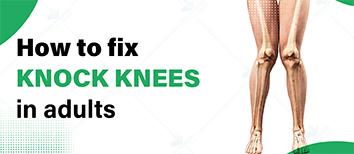
Knock knees occur when knees angle inward, creating a bow-legged appearance from the front. This condition is common in children during growth spurts.
Every year, a large number of individuals fail to detect the early symptoms of a fatal heart disease not because the signs weren't there, but because they were too easy to ignore. A little fatigue. Some tightness in the chest. A moment of dizziness. Nothing that seemed worth a doctor's visit.
But your body is always sending signals, and tuning in might just save your life. Symptoms don’t come on suddenly for the most part — symptoms come on gradually and sneak up on you as stress, indigestion or just plain old age. And in the meantime, while people wait for it to pass, invisible damage accrues until what was manageable becomes life-threatening.
A cardiac emergency care hospital in Noida provides immediate treatment for life-threatening heart conditions such as heart attack, severe chest pain, or arrhythmias with round-the-clock critical support. These centres are equipped with advanced diagnostics and cardiac intervention teams to stabilise patients quickly.
Experiencing warning signs of heart problems? Link to professional assessment. Today, call to talk to a specialist +91 9667064100.
Heart disease is not very rapid but it may escalate rapidly in case it is not taken care of. Knowing when to see a cardiologist is essential once symptoms start disrupting daily life. The facts:
Delays increase the risk of heart attack
Early intervention leads to better outcomes
Underlying problems should be identified early enough before they become crises.
The symptoms that keep recurring or worsen require urgent treatment.
The most widespread alarm is chest discomfort but most people ignore it. Some patterns of chest-pain are indicative of acute heart issues:
Pressure on your chest.
Burning or persistent pain.
Pain to the left arm, jaw, back or shoulder.
Accompanied with the pain is sweating, nausea, or breathlessness.
Pain that worsens with physical activity
Tightness and dizziness.
Approximately 30% of heart-attack victims, including women and diabetics, have atypical symptoms of heart disease, which do not involve the typical chest pains.
Getting out of breath after a jog is normal. But if you are struggling to breathe just walking around the house or picking up the mail, that is not normal. Warning signs include:
Inefficient heart pumping.
Fluid buildup in the lungs.
Blocked coronary arteries.
Ineffective flow of oxygen to muscles.
Don’t blame it on:
Only weight gain.
“Just getting older.”
Being “out of shape.”
If your heart feels like it is racing, pounding, or fluttering in your chest, the rhythm might be off. When this happens often or lasts a while, it could be a sign of heart disease. Watch out for:
Arrhythmias (abnormal rhythms).
Structural heart problems.
Valve dysfunction.
Electrical pathway issues.
Long, recurring, episodes.
Palpitations, which may be secondary and are weak or painful in the chest.
Racing heart that won’t calm.
Irregular rhythms at rest.
Severe fatigue is a warning of early signs of heart disease.This is due to:
Muscles starved of oxygen.
Failing organs, stricken with diminished flow.
Daily tasks feel draining.
Without any effort, fatigue is manifested.
Upper hand fatigue with normal things.
Fatigue which deteriorates with time.
exhausted with little activities.
Requirement of too much sleep between menial duties.
The swelling of the leg or ankle normally implies a combination of fluid retention - a symptom that the heart is no longer pumping effectively. Causes include:
Heart straining with difficulty in pushing blood.
Fluid backing up in tissues.
Fluid tugged to lower limbs by gravity.
Tight pair of shoes.
Edoema and dyspnea.
Pitting edoema and fuzzy fatigue.
Oedema and pains in the chest.
chronic puffiness which is not going away.
It is an obvious sign of cardiovascular suffering when a person suddenly seems to feel faint or dizzy. These urgent heart symptoms that need immediate care mean:
Minimised blood pressure to the brain.
Abnormal heart rhythms.
Circulatory disturbances due to structural problems.
Potential antecedents of cardiac events.
Repeated fainting episodes.
Dizziness during exercise.
Consciousness loss without notice.
Dizziness and chest pains.
High blood pressure is a silent disease, although there are some warning signs. Watch for:
Severe headaches.
Blurred or double vision.
Chest discomfort or pain.
Difficulty breathing.
Hypertension that is not controlled destroys arteries, heart, kidneys and brain in the long run, and may show no significant symptoms before advanced stages.
When it is family history, be on high alert when it comes to heart disease. Key points:
Risk is enhanced by genetic predisposition.
Genetic disorders may strike at an early age.
A screening will identify issues early enough before complications.
Urgency is increased by symptoms and family history.
Family history of chest pain + sudden.
Family history + dyspnea of unknown cause.
Family history and unremitting palpitations.
Family members who had heart attacks early (below age 55).
There are a few cases which require urgent attention in a cardiac emergency care hospital in noida, and not appointments. Call emergency services for:
Sudden crushing chest pain.
Brutal dyspnea during rest.
Cognitive impairment or unconsciousness.
Sudden weakness on one side.
Pain in the chest taking longer than 5 minutes.
Pain unrelieved by rest.
Drive yourself to a hospital.
Wait to see if it passes.
Hope several drugs will prevent the situation.
Timely referral to a cardiologist near me will guarantee:
Symptom | Urgency Level | Action Required |
Crushing chest pain | EMERGENCY | Call emergency immediately |
Persistent breathlessness | HIGH | See cardiologist within 24 hours |
Frequent palpitations | MODERATE | Schedule appointment within week |
Unexplained fatigue | MODERATE | Consult within 1–2 weeks |
Ankle swelling + breathlessness | HIGH | Urgent evaluation needed |
Family history + new symptoms | MODERATE–HIGH | Don't delay consultation |
Don't wait for symptoms to worsen—visit a trusted cardiac emergency care hospital in noida now. Book your appointment at +91 9667064100.
Heart-related symptoms should never be taken lightly, regardless of your age or how healthy you think you are. Recognizing signs to visit a cardiologist and acting promptly can prevent serious complications and save your life. Whether it's chest discomfort, breathlessness, palpitations, unusual fatigue, or swelling—these are all your heart's way of asking for help. Early evaluation, accurate diagnosis, and timely treatment form the foundation of effective cardiac care. The most powerful step toward long-term heart health? Actually listening to your body and seeking help when something feels off.
Dr. Nidhi Tikmani is an experienced Clinical Cardiologist with 10+ years of expertise in diagnosing and managing heart diseases through advanced non-invasive cardiac diagnostics and evidence-based care.
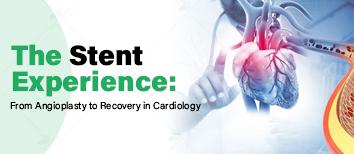
A stent procedure can be life-saving for those with blocked arteries. This guide walks you through the stent experience—from the angioplasty process to post-procedure recovery and lifestyle changes.

Heart attack signs early is crucial because timely intervention can significantly reduce the risk of severe complications and improve outcomes.
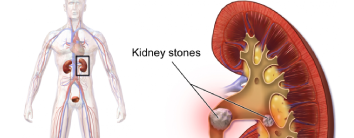
Kidney stones are more prevalent than most people think, and the pain they create can be excruciating. What may begin as a dull ache in the back or side can rapidly develop into intense, wave-like pain that interferes with even the simplest motion. Untreated kidney stones don’t just cause short-term pain — they can obstruct urine flow, trigger kidney infections and, in severe cases, induce permanent kidney damage that impairs your health for life.
Early detection of symptoms makes all the difference. Detecting a kidney stone before it becomes larger or blocks your system allows you to have more treatments and avoids complications that could otherwise mandate emergency intervention.
That’s why finding the best kidney stone doctor near me is so important.Advanced techniques for removing kidney stones have improved dramatically. Today’s procedures are minimally invasive, exponentially safer, far quicker, and much more effective than the older conservative ones. The majority of patients are walking around within days instead of weeks, with less pain and a significantly lower chance of stone recurrence. Expert care early means less suffering, a quicker recovery, and better long-term kidney health.
Request your appointment with a qualified urology expert. Visit +91 9667064100 to seek professional advice and prompt medication.
Kidney stones are mineral and salt stones which accumulate inside the kidneys. They develop when there is an imbalance in fluid, minerals, and substances of the body which is wasting. Stones are common due to dehydration, diet and metabolic effects. Stone formation is caused by low water consumption, salt overconsumption, high-oxalate diets, and some medical states. Growth of minerals with time renders the passage of the natural route quite hard and very painful. Others are susceptible due to heredity. Recognising kidney stone risk factors is key to diagnosis, prevention, and treatment.
The early detection of symptoms allows patients to obtain care before they become complicated. The symptoms may suddenly appear and the condition increases with the movement of the stone. The pain is normally intense and may extend to the lower back to abdomen or groyne. Changes and irritations in the urine tend to complicate everyday routines.
Sharp back or side pain
Burning during urination
Blood in the urine
Frequent urge to urinate
In case of severe pain or pain, which is accompanied by nausea, vomiting or fever, turn to a doctor.
The severity of pain is dependent on stone size, localization and motion. Little rocks might pass without much trouble. Smaller stones may hamper flow of urine that results in swelling, infection or kidney injury. Constant blockage can result in infection of the urinary tract or kidney failure.
Late intervention adds to the likelihood of getting secondary damage to the body. Knowing when to remove kidney stones is critical in advanced cases.
Not all stones need surgery. The surgery is adopted in such cases when pain is acute, the stone size is so big that it cannot be passed, infection, or blockage is caused.
Removal is advised by doctors when:
Pain is severe and unmanageable
The stone is too large to pass naturally.
Infection or obstruction has taken place.
Early assessment ensures prevention of emergencies and safer treatment.
There are various surgical solutions of modern medicine. These are least invasive operations that minimise recovery and complications. The treatment is specific to the features of the stone.
Common approaches:
Shock wave lithotripsy (breaks stones into small pieces)
Ureteroscopy (endoscopic stone removal)
Percutaneous nephrolithotomy (surgical removal of large stones through a small incision).
Modern technology provides patients with accurate, non-damaging treatment and reduced hospitalisation. Calcium oxalate stone treatment may include dietary modifications, increased fluid intake, and medical management to prevent recurrence.
Practised removal methods include laser technology and high-resolution imaging to precisely locate and remove stones.
Benefits include:
Shorter recovery period
Lower risk of infection
Minimal scarring
Faster return to daily life
Patients tend to seek the best kidney stone doctor near me so that they receive specialised treatment and long-term prevention recommendations.
It is essential to choose an expert urologist. They understand stone composition, recurrence risk, and appropriate treatment protocols. Patients address the kidney stone hospital near me as close to their location as possible in order to receive high-quality facilities, emergency centers, and detailed diagnostics in a single location.
The consultation of experts is effective in removing stones in addition to providing advice on how to prevent future appearance of stones through lifestyle and dietary changes.
Healing is based on the process and health. Majority of all patients can resume normal activities in a few days particularly following minimally invasive surgery.
Key steps for recovery:
Stay well hydrated
Attend follow-up visits
A balanced diet plan for kidney stones focuses on reducing excess salt and oxalate-rich foods while maintaining proper nutrient intake.
Adequate hydration for kidney health helps flush out toxins and reduces the risk of crystal formation in the urinary tract.
Long-term management focuses on preventing dehydration, correcting nutritional imbalances, and managing metabolic disorders. The danger can be considerably mitigated with the correct attention.
Ignoring constant pain in the kidney stones is not a good idea. Get proper diagnosis and surgeries. Phone +91 9667064100 to make your appointment.
Kidney stones can begin with a small amount of pain but very soon can turn into a severe medical problem in case of inattentiveness. Knowledge of the symptoms, the importance of stone removal, and the choice of the extreme removal at the appropriate moment is a step towards avoiding complications and saving kidney health. Modern surgery and highly qualified care provide patients with a high level of safety and effectiveness of relief, making it possible to restore a high quality of life in Noida.
Dr. Udit Gupta is an experienced Nephrologist with 10+ years of expertise in chronic kidney disease, kidney stones, dialysis, kidney transplantation, and hypertension-related renal disorders.
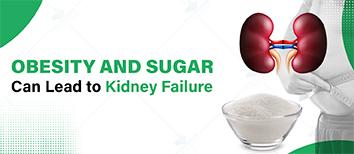
Obesity and excessive sugar consumption are widely recognized as major contributors to diabetes, heart disease, and high blood pressure.
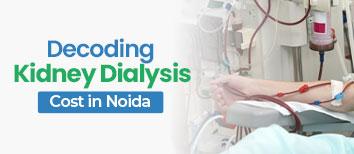
Kidney dialysis is a life-saving treatment for patients suffering from chronic kidney disease or kidney failure. Understanding the dialysis cost in Noida helps patients and families plan treatment effectively. This article explains the factors affecting d
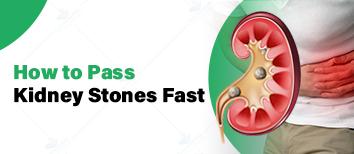
Find out the best methods to pass kidney stones quickly, ease pain, and protect your kidneys with proven home remedies and advanced treatment options.
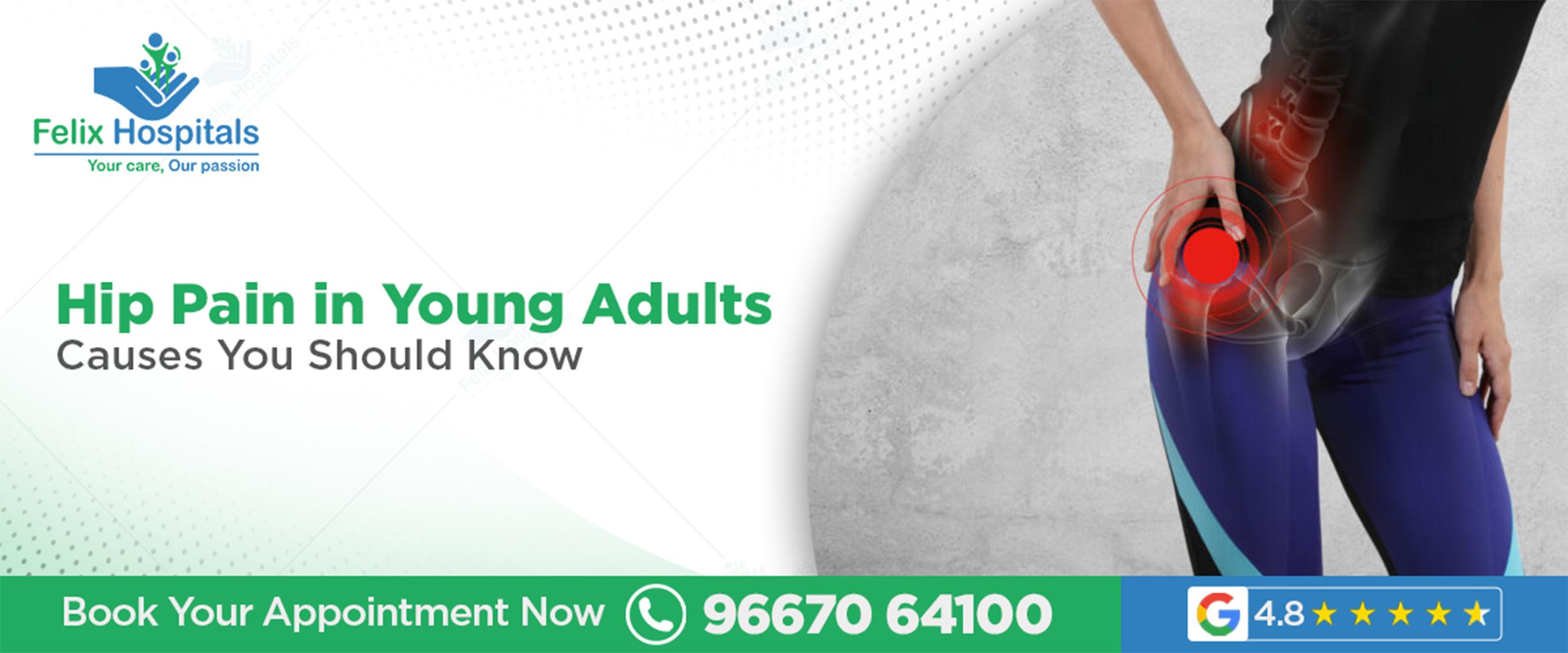
Hip joint pain isn't just for grandparents anymore. More young adults in their 20s and 30s are experiencing chronic or acute hip joint pain that interferes with their daily routines, exercise and, in some cases, sleep. In cities like Noida, Bangalore, Hyderabad sitting all day, barely moving, gym injuries, and lifestyle stress on joints are the main culprits. Recognizing these causes at an early stage is important to help prevent joint destruction in the long term and to minimize the risk of additional surgeries.
When suffering from Hip joint pain that is hampering your daily life activities, the solution is to consult the best Hip surgery Hospital in Noida that provides you with the best treatment options so that you can enjoy a pain free life.
Expert orthopedic care can help you stay active and pain-free. Call +91 9667064100 to consult a hip specialist at a leading hospital in Noida.
Hip joint pain problems are more common nowadays due to the following reasons:
Modern living puts a lot of strain on the hips. For example, long hours spent hunched over a keyboard, poor posture, and bouts of intense activity are largely to blame.
Strenuous exercise without adequate warm-up sessions place more stress on the hip joints, resulting in young adults becoming more prone to pain and injury.
In young people, hip pain is usually the result of overuse or mechanical problems — not arthritis or age-related wear and tear, as it is for older adults.
That's because hips carry the weight of nearly everything you do — walk, run and stand. So it stands to reason that even small hip problems can quickly cause pain and stiffness.
People should never brush off mild hip pain. When left untreated, it can become a chronic ailment that impacts mobility and quality of life.
As a treatable condition, early identification and intervention are key to avoiding long-term complications.
30% of athletes under 35 experience hip pain at some point
Women are 2-3 times more likely to develop certain hip problems due to anatomy
60% of cases improve with physiotherapy alone
Sitting 8+ hours daily increases hip pain risk by 40%
Early treatment reduces surgery risk by up to 75%
Strain in muscles because of excess exercise: Rapid changes in exercise, inappropriate form or no stretching may overstretch and overstrain hip muscles and tendons giving rise to soreness or stiffness or pain.
Restricted hip flexors due to hours of sitting: The flexor muscles tighten and become short because of the hours of sitting and result in pain during standing or walking.
Labral tear: The labrum is an annular cartilage that stabilises the hip. It can be torn by sports injuries or repetitive twisting.
FAI (Femoral acetabular impingement): The anomalous bones form friction within the joint causing pain and restricted movement.
Pain around the hip during walking is normally an indication of structural or mechanical issues, and sharp hip pain when walking should never be ignored, especially if it worsens with movement or stair climbing.
Hip pain can occur because of high-intensity workouts due to:
Bad lifting technique
No rest days.
Imbalances in muscles
Wrong shoes
Pain confined over 48-72 hours or on increase with activity is an indication of orthopaedic examination.
Sitting and standing in poor positions impose unequal force to the hip joint. Spending many hours at desks, or bending over the laptops without any support system slowly leads to discomfort.
Risk factors related to lifestyle are:
Inactivity all day
Extra weight
Smoking (cuts down on the flow of blood to the joints)
Poor flexibility
Early correction of posture can help a lot in the symptoms.
Symptoms | Likely Cause | What To Do |
Sharp pain walking | Labral tear or impingement | See doctor within days |
Ache after sitting long | Tight hip flexors | Stretch, see doctor if persists |
Pain after gym | Muscle strain or overuse | Rest 2-3 days, then evaluate |
Pain with specific movements | Structural problem | Orthopedic evaluation needed |
Pain at night | Inflammation or serious issue | See doctor within week |
Can't bear weight | Fracture or severe injury | Go to hospital now |
Knowing when to see a doctor for hip pain can prevent a simple condition from becoming a chronic joint disorder. Proper diagnosis is a determinant of successful therapy. Assessment usually comprises:
Your doctor will look at the way you walk - How you move tells a lot about the location of the problem and which muscles or joints are masking the pain.
Range of motion test - By moving your hip in all the directions — forward, backward and side to side. This is indicative of the amount of stiffness or restriction in the joint.
Evaluate the muscle strength – the physician will test the muscle strength around your hip to see if it is weak or unbalanced. Weakness on one side very often points very directly to the source of the problem.
Precisely locate the pain area — The doctor will gently press around your hip to see exactly where it hurts the most. The site of tenderness can help differentiate whether it is a muscle, tendon, bone or joint problem.
X-ray — The initial and quickest investigation. As it has high definition of bone it can show fracture, bone lesion and joint space narrowing in the presence of arthritis.
MRI — The most comprehensive test for hip joint disorders. It reveals what the X-ray cannot — cartilage, tendons, ligaments and damage to soft tissue. A labral tear is only seen on an MRI.
CT scan — Used when the bone structure needs to be examined in much greater detail than an X-ray can provide. Mostly used for complex fractures or before planning surgery.
Early detection assists in saving the health of the joints and avert their destruction in the long-term. Early consultations prevent surgical treatment and quicker recovery.
The majority of young adults respond favourably to conservative treatment; they are easy to treat when they are caught at an early stage. Common approaches include:
Analgesic and anti-inflammatory drugs to minimise pain and swelling.
Physiotherapy to tighten and increase flexibility.
Pain-reducing changes in activity.
Proceed with posture adjustments to reduce stress of joints.
Hip pressure reduction by weight management.
Hip and core specific exercises.
Ice and heat application in the management of inflammation.
These procedures are non-surgical methods of restoring joint action.
Surgery can also be prescribed when:
Structural damage is severe
Non surgical treatment fails in 3-6 months.
The joint locks or gives out
Advanced options available at a Hip surgery Hospital in Noida include arthroscopy, labral repair, and corrective bone procedures focused on preserving the natural hip joint.
Total hip replacement (arthroplasty): It is the usual treatment for severe arthritis or injury. The damaged ball (femoral head) and socket (acetabulum) are taken out and new parts are put in place.
Partial hip replacement: In this procedure, only the ball part of the hip joint is replaced while the socket remains intact. This is usually done for certain types of hip fractures, particularly in elderly patients where only the femoral head (ball) is damaged and the acetabulum (socket) is still healthy.
Revision Hip Replacement: A complicated, second surgery done to replace a prosthetic that has worn out, became loose, or has failed.
Minimally Invasive Hip Replacement: Uses smaller cuts, which means less damage to the tissue, less pain, and a faster recovery than traditional methods.
Hip arthroscopy: It’s a diagnostic and therapeutic procedure and performed through tiny incisions. The surgeon uses the small camera, called an arthroscope, and small specialized tools to look inside the hip joint. It can be utilized to extract any loose pieces of bone or cartilage, fix torn cartilage, such as labral tears, trim away damaged tissue, or treat various other soft tissue concerns — and all without fully opening the joint.
Hip Labrum Reconstruction: For those patients with a hip labrum (circle of cartilage around the hip socket) too damaged to be repaired, reconstruction of the labrum is the recommended treatment. The surgeon removes the torn labrum and replaces it with a graft — most commonly from a tendon in your own body or from donor tissue. This graft is meticulously secured to reestablish the hip joint cushioning and stability that the natural labrum provided.
Prevention is the key to joint long-term health. The smart prevention strategies are:
Maintain a healthy weight
Pre-exercise warming up for 5-10 minutes are injury aversive.
Train core and hip muscles to get more support.
Sit on ergonomic chairs with correct height and stability.
Supportive shoes provide correct alignment.
Even minor lifestyle modifications can help to diminish the risk in the future significantly.
Hip pain that is left unattended may evolve into:
Chronic joint inflammation
Loss of mobility and flexibility.
Early arthritis (if you are in your 30s already).
Relying on pain discomfort medication.
Early surgery
Inability to perform simple tasks.
Knee and back problems
These complications can be prevented by timely treatment
Ignoring hip pain can lead to long-term joint damage. Call +91 9667064100 to book an orthopedic consultation in Noida today.
Hip joint pain in adults can be caused due to multiple reasons. Such conditions may be due to lifestyle, sports injuries, or an underlying structural joint issue — which is why getting the right diagnosis and treatment as soon as possible is so important.
Now with the best orthopaedic specialist in Noida young adults can benefit from comprehensive assessments. Early treatment for hip pain can restore function and significantly decrease the chance of long-term problems.
Q1: My X-ray looks normal, but I have hip pain. Does that mean nothing is wrong?
A: No. X-rays only show bones. X-rays can't show soft tissue injuries like labral tears, muscle injuries, or damage to cartilage that happens early on. MRI shows damage to soft tissue much more clearly. A lot of young adults with serious hip problems have X-rays that look normal.
Q2. Is it possible to treat hip pain during pregnancy in the same way?
A: No. Hip pain during pregnancy is caused by hormonal changes that make the joints less stable and add the extra weight changing your posture. The treatment is very different and needs to be safe for the baby. Instead of drugs or shots, a doctor will suggest physiotherapy and support belts that are safe for pregnant women.
Q3: I'm only 25. If I don't do anything about hip pain now, will I need a hip replacement in the future?
A: Maybe yes. Young adults who ignore hip pain and don't get treatment are much more likely to get early arthritis and need surgery to replace their hips in their 40s or 50s. Finding and fixing the problem now greatly lowers that risk.
Q4. Can hip pain change the way I walk?
A: Yes. If you don't pay attention to your hip pain for a long time, your body will automatically change the way you walk to make up for it. Over time, this puts too much stress on your knees and lower back, which leads to new problems. This is why it's important to get treatment right away, not just for your hip but for your whole lower body.
Q5. Is it okay to keep going to the gym if your hip hurts?
A: It depends entirely on the cause. Some exercises are safe and even helpful while others can make the injury significantly worse. Never self-diagnose and continue training through pain. Get evaluated first so your doctor and physiotherapist can tell you exactly what you can and cannot do safely.
Tuberculosis (TB) is primarily known as a respiratory infection caused by Mycobacterium tuberculosis, but it can affect various body parts, including bones and joints.
Learn about the recovery process after hip replacement surgery, including essential tips for a smoother healing journey and a general timeline of what to expect.
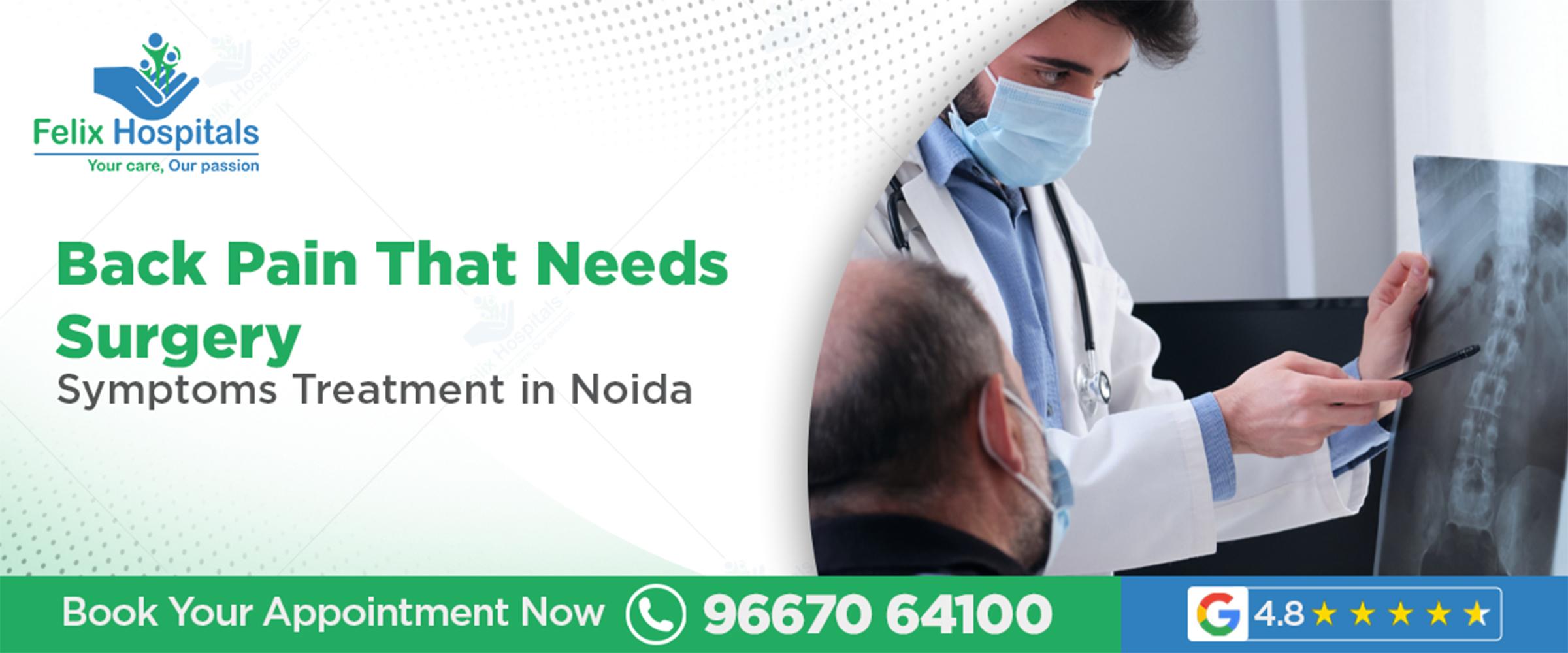
Back pain is one of the most common health complaints worldwide, affecting people of all ages. While most back pain improves with rest, medication, or physiotherapy, there are certain situations where pain is a warning sign of a serious spinal condition. Ignoring these symptoms or delaying treatment can result in irreversible nerve damage or loss of movement, or, indeed, a lower quality of life. Being aware of the situation and receiving medical interventions, i.e. appropriate Back pain treatment In Noida can make a significant difference in long-term recovery.
In case of back pain, which is acute or progressive, contact a spine specialist today. Call +91 9667064100 to book an orthopaedic evaluation for back pain treatment in Noida.
Not all back pain is serious.Pain from muscle strain, poor posture, or minor injuries often resolves on its own. When back pain is recurring, or is progressive or is associated with neurological effects, it becomes a cause for concern. Structural damage to the spine, nerves, or discs rarely improves with conservative care alone. Sudden severe back pain may result from muscle strain, disc problems, or nerve compression. If the pain is intense, persistent, or associated with numbness or weakness, medical evaluation is essential.
Certain symptoms of back pain that require surgery signal serious spinal involvement and need urgent medical attention.
Key warning signs include:
Severe pain which does not improve with rest
Night time pain.
Post injury back pain that may require surgery.
Unexplained fever or sudden weight loss
Bladder or bowel incontinence (medical emergency).
Weakness of legs or feet.
Such symptoms may indicate fractures, infections, tumours or progressive disc disease. They are Severe back pain indicators that demand immediate evaluation.
Chronic back pain needing surgery refers to pain lasting longer than three months. Although most chronic cases do not require surgical care, there are some cases that progress to a point where surgical intervention becomes necessary
Symptoms indicating the necessity of surgical treatment of chronic pain:
Deterioration in the health of the spine.
No improvement with medication and physiotherapy for six months or longer than that.
Loss of capacity to stand, sit and walk at length.
Severe structural damage revealed in x-rays or MRI.
Severe nerve compression.
Improper spinal movement.
Deteriorating neurologic impairment.
Cauda equina syndrome which refers to nerve bundle compression.
Compression of the nerve can result in permanent damage in the case of a long-term compression.
Back pain with leg weakness that spreads down the legs often indicates nerve involvement. It is among the most significant symptoms that would likely need an operation.
Warning signs include:
Difficulty in lifting the foot.
Numbness during standing
Pains in the lower back extending to the legs.
Difficulty in standing on tiptoes or heels.
This usually happens due to slipped discs or spinal stenosis and can be corrected through surgery by means of decompression. Do not neglect the leg weakness because it is a symptom of continuous nerve damage.
Back pain with numbness or tingling implying compression or damage of nerves should not be ignored.
What to watch for:
Pins and needles like feeling on legs or feet.
Numbness of certain body parts.
Electric shock or burning pain .
Absence of sensation in legs or feet.
The constant numbness condition must never be left unattended because early intervention is key in achieving success of a surgery and minimising the chances of permanent injury.
Back pain after injury that may need surgery needs to be evaluated as soon as possible. Injuries that likely need surgical evaluation includes:
Road traffic accidents.
Fall from height.
Spinal injuries associated with sports.
Any injury that has a direct impact to the spine.
Urgent surgical stabilisation is usually necessary in fractures or compressions of the spine. Every minute is important in spinal cord injuries. One should never wait and should get checked immediately after a serious injury.
Symptoms | Treatment Available | Urgency Level |
Muscleache that improves with rest | Conservative care | Low |
Pain lasting 3+ months and not improving | May need surgery evaluation | Moderate |
Leg weakness or numbness | After medical advice it often requires surgery | High |
Loss of bladder/bowel control | Emergency surgery needed | Immediate |
Pain after serious injury | May need emergency surgery | Immediate |
Night pain with fever | If the infection has spread - urgent medical intervention is needed | Immediate |
Gradually worsening over months | Surgery consultation needed | Moderate-High |
The Severe back pain indicators, especially Back pain with leg weakness or Back pain with numbness or tingling, demand immediate attention.
Proper diagnosis must be done before surgery is advocated.
Diagnostic tests used:
MRI Scan - Shows exactly which disc is pressing on which nerve, how severe the nerve compression is, and whether there is any inflammation or damage to the soft tissue surrounding the spine.
CT Scan - Reveals the precise condition of the spinal bones — whether any vertebra is broken, out of place, or has grown bone spurs that are compressing the spinal canal.
X-Ray-Reveals if the spine is aligned properly, if the space between vertebrae has compressed, and if there is any visible bony injury or degeneration that could be a source of the patient’s backache.
Nerve Conduction Test - Indicates if the nerves in the back are compressed or damaged, and to what extent
clarifying why the patient suffers from leg weakness, numbness, or tingling.
These tests help spine specialists determine the exact cause and severity, ensuring the most appropriate back pain treatment In Noida.
Modern spine surgery for back pain is safer and more precise than ever.
Common surgical options include:
Discectomy- Discs, or spinal discs, are soft rubbery cushions that act as shock absorbers between the spinal bones (vertebra). When one of these cushions presses on a nerve, either through bulging or because a cushion has popped, it presses on a nerve root that exits the spinal column, resulting in radiating pain, numbness, and leg weakness. A discectomy is the surgical removal of the damaged or herniated portion of a disc to relieve the pressure on the nerve. It’s one of the least invasive spine surgeries, and pain relief is immediate for most patients. Healing time is pretty fast compared with other spine surgeries.
Laminectomy -The lamina is a bony structure that forms the back of the vertebra and the spinal canal. When that space narrows excessively — a condition known as spinal stenosis — it compresses the nerves running through there, and can cause pain, weakness and difficulty walking. A laminectomy includes making a window in the “bony roof” over the spinal canal to enlarge the canal, allowing the spinal nerves to have more room. Patients frequently sayit as if a weight has been lifted off their back that had been pressing down for years.
Spinal Fusion - Spinal fusion is a technique in which two or more vertebrae are abnormally mobile and rubbing against one another, or are causing pain so severe due to degeneration that they need to be stopped from moving; they are permanently joined together into one solid block. The bone graft is placed between the vertebrae to be fused, and metal rods or screws hold everything in place while the bones naturally fuse together over time. When that segment is fused it no longer moves on its own and the pain caused by that movement is gone.
Minimally Invasive Spine Surgery- Traditional spine surgery involved large incisions and cutting or moving muscle to get to the spine. Minimally invasive techniques are used to accomplish the same goals but are done through very small incisions using specialized instruments and cameras. The muscles around the spine are not affected which means a lot less pain after surgery, less bleeding, a shorter hospital stay, and much quicker recovery to normal daily routine. It is now the best approach for numerous common spine problems.
Artificial Disc Replacement - Artificial disc replacement provides a contemporary option where the faulty disc is removed and replaced with an artificial disc that moves like a normal disc. The main benefit is that the spine keeps its normal flexibility and movement at that level and does not become permanently rigid. It is especially suitable for younger active patients who wish to have a full range of motion after surgery.
Depending on your diagnosis and general health, your surgeon will choose the procedure.
The recovery is dependent on the kind of surgery done and health of the patient.
Hospital stay for 2 to 5 days— Majority of patients are kept under close observation during this time, while they are recovering from the operation and until they are sure that there are no complications.
Walking for 1 to 2 days after surgery — This helps to prevent blood clots and encourage circulation. Patients are advised to get up and walk a little.
Light activities for 4 to 6 weeks — Walking, light household chores and personal care activities are resumed gradually but there should be no heavy lifting or bending.
Full recovery for 3 to 6 months – Complete healing of spine, regaining normal strength and participating in most regular activities including work and exercise occur during this time frame.
Physiotherapy: Necessary for 2 to 3 months – Supervised rehabilitation exercises help regain core strength, increase flexibility and teach safe movement practices to protect the spine for life.
The majority of patients have a relief of pain and greater mobility. The rates of success in the implementing cases are more than 80%-90%. Recovery after back surgery varies depending on the procedure and overall health of the patient. Proper rehabilitation, physiotherapy, and follow-up care play a key role in restoring mobility and strength. Spine surgery for back pain is not seen as the first option until the non-surgical treatments fail.
Spinal surgery delaying risks:
Damage to the nerve with permanent basis (even after surgery, it may not be recovered)
Weakness or paralysis (chronic).
Loss of bladder and bowel control
Reduced effectiveness of surgery
Development of chronic pain syndrome.
Prolonged weakness results in muscle wasting.
Intervention in the early stages tends to be quicker as well as more successful. Fear of surgery should not cause long term disability.
High-tech orthopaedic and spine units and facilities in Noida provide a wide range of services and advanced technology. Chronic back pain needing surgery won’t improve by waiting. Spine surgery for back pain has advanced dramatically—it’s safer, more effective, and offers faster recovery than ever before. Stop being afraid of getting the evaluation you require.
Advantages of expert treatment of the spine include:
Diagnostic tests with the most recent imaging.
Minimally invasive methods
Faster recovery protocols
Interdisciplinary rehabilitation
24/7 emergency spine care
specialised orthopaedic and neurosurgeons
Better surgical outcomes
Symptoms of serious back pain should not be disregarded. Call +91 9667064100 now to consult the best orthopaedic and spine specialists for back pain treatment In Noida.
Although the majority of cases of back pain are treated positively through conservative therapy, chronic, intensive, or neuro-neurological symptoms must never be overlooked. Such complications as compelled nerves, spinal instability, or trauma can be treated surgically to avoid long-lasting disability.
Recognising the Symptoms of back pain that require surgery early and consulting a specialist at a Back pain surgery hospital In Noida can make the difference between full recovery and long-term complications.
Endoscopic Spine Surgery in Noida offers a revolutionary, minimally invasive solution for chronic back and spine-related pain

Specialized pediatric orthopedic care in Noida focusing on children’s bone, joint, and musculoskeletal health for safe growth and mobility.
Autoimmune myositis is the most severe form, where the body’s defenses attack muscle cells. The inflammation resulting in it causes muscle weakness in the long run. Such cases often require time extended medicine and observation. The diagnosis should be completed at an early stage to avoid irreparable loss and problems with lungs or heart.
Experiencing persistent muscle weakness or pain? Consult experts at the Best Rheumatology Hospital in Noida. Call +91 9667064100 to book an appointment.
Diagnosing myositis combines a physical exam with a series of tests. First, doctors check the strength of muscles and discuss your symptoms. High muscle enzymes which result in inflammation can be revealed by blood tests. The diagnosis is proved by imaging and specialised tests excluding other disorders.
Diagnosis often includes:
Blood Tests — Inflamed muscles release certain enzymes into the blood. CPK (creatine phosphokinase) and aldolase are two important enzymes that doctors track. These are known to be high in patients with severe, active muscle damage. Specific autoantibodies — proteins that the immune system produces when it is inaccurately targeting the body’s own muscles — along with other blood tests help in identifying the specific type of myositis you have.
MRI Scan — You can get a detailed image of your muscles with an MRI without cuts, injections, or anything invasive. It can pinpoint exactly which muscles are inflamed, whether the damage is localized or generalized, and even whether any suspicious areas warrant additional research. MRI is very sensitive — it detects muscle inflammation in as much as 90 percent of a disease’s involved muscles, and is especially helpful in guiding the muscle to be biopsied.
Electromyography (EMG) — This test evaluates the electrical function of your muscles. Numerous tiny needles are pushed into the affected muscle, and the electrical signals are recorded. Inflammatory myopathy shows a characteristic abnormal pattern of electrical activity, which is greatly diagnostically helpful in confirming that the problem lies in the muscle itself and not in the nerves that supply the muscle.
Muscle Biopsy — The myositis muscle biopsy is the gold standard for diagnosis. A tiny piece of muscle tissue is removed usually from a weak or inflamed area identified by MRI and looked at under a microscope. It provides the most definitive confirmation of inflammation, indicates the degree of muscle damage and may help to confirm which type of myositis is involved. It is a small surgery performed under local anaesthesia.
Chest X-ray or CT Scan — Myositis can affect the lungs, particularly in the autoimmune types. A chest X-ray provides a broad examination, while a CT scan offers much more detailed information about lung tissue. These tests are performed to determine if the lungs have been affected, which is significant because lung involvement in myositis signifies the need for additional therapy and meticulous long-term surveillance.
These tests measure disease severity and help guide myositis treatment plan. The earlier the myositis diagnosis, the more positive are the results.
Treatment aims to reduce inflammation, rebuild muscle strength, and prevent complications. The personalisation of plans depends on the severity of the disease and its cause. Early treatment leads to better mobility and independence.
Medications: Medicine is typically the first-line intervention, and myositis treatment without medications is uncommon.
Corticosteroids — Corticosteroids are the first drugs that are prescribed. They rapidly reduce inflammation and allow the muscles to begin healing. They are the most commonly prescribed medications and rapidly reduce inflammation.
Immune-modulating drugs — Since myositis is an autoimmune condition, the immune system needs long-term treatment. Drugs such as methotrexate and azathioprine are prescribed for this. In order to keep the disease under control they are taken for months and sometimes for years.
Biologic therapies — For patients whose myositis does not respond to standard drugs, newer biologic agents are available. These are enabling us to target certain components of the immune system that are responsible for muscle damage.
For day-to-day pain relief, simple medications like paracetamol are used to take the edge off the discomfort whilst awaiting the effects of definitive treatment.
Rehabilitation — and Therapy Medications treat the disease, but therapy is what enables you to get your life back to normal.
Physical therapy — During physical therapy, a physiotherapist develops a personalised and gentle exercise plan to help rebuild muscle strength while avoiding further irritation. It starts slowly and gradually increases as your tolerance improves. Consistent physiotherapy is crucial to recovery.
Occupational Therapy — An occupational therapist can assist you with day-to-day activities that you find challenging such as dressing, cooking or using stairs. The suggest practical products and solutions to make life easier and safer on a daily basis.
Speech therapy — If the throat muscles have been involved and swallowing is difficult, a speech therapist will work to strengthen these muscles and make eating and drinking safer.
Rest and sleep — It is during sleep that your muscles undergo repair. Sleep duration of 7 to 8 hours per day is considered part of your therapy. Pushing through fatigue only worsens inflammation.
Healthy diet — Eating sufficient protein and other nutrients and anti-inflammatory food can help to maintain muscle and general strength. Your physician or dietitian can advise you about which foods will be best for you.
Sun protection — This is particularly important for dermatomyositis patients. Sunlight can increase or induce skin rash. Sunscreen and protective clothing, avoiding exposure to the sun during peak hours are a must every day.
Routine follow-ups — Myositis is a chronic disease that requires monitoring. Regular blood tests, check-ups and imaging allow your doctor to ascertain whether the inflammation is controlled or the treatment needs to be adjusted.
Physical therapy is essential to improve myositis treatment outcomes. Carefully managed light exercises maintain muscle strength. The programmes are made to suit you and record your tolerance which changes with improvement. Regular treatment substantially improves the quality of life and functioning on a daily basis.
The main advantages of physical therapy:
Living with myositis means you must commit to a long-term treatment plan and adjust your daily habits. You should strike a balance between exercising and also have sufficient rest in order to prevent excessive work on the muscles. Since the problem of chronic muscle weakness is heavy on your mood, emotional support is needed as well.
Challenges that may arise daily may include:
Stair climbing and ambulation problems
Dissociations in most areas of personal care
Fatigue management
Medication side effects
Emotional adjustment
By having proper medical attention and frequent cheque-ups, most individuals will be able to deal with the symptoms and be active. Some patients achieve relief, while others may need to continue treatment long-term.
Get accurate diagnosis and advanced care from the Best rheumatologist in Noida. Call +91 9667064100 today for specialist consultation.
Choosing the Best rheumatologist in Noida is crucial for long-term control. Specialist care provides access to:
Prompt special treatment usually prevents complications and enhances muscle performance in the long term. It has been found that patient results are better when they are observed within six months of symptoms.
Myositis is a serious inflammatory muscle disease that needs early recognition and expert care. Symptoms like muscle weakness, pain, and fatigue should not be brushed off as normal aging or overexertion. Knowledge of the cause, the mode of myositis diagnosis and the possible myositis treatment tools would enable you to get early medical assistance.
With expert management from the Best Rheumatology Hospital in Noida and guidance from the Best Rheumatologist in Noida, people with myositis can slow disease progression and improve their quality of life. The trick lies in the ability to identify the myositis symptoms on time and receive the expert assistance before the time to lose.

Genetic testing helps identify inherited muscular disorders early by assessing your genetic risk.
Pediatric rheumatology focuses on diagnosing and treating autoimmune and inflammatory disorders affecting children’s joints, muscles, and connective tissues.

Eating a balanced, nutrient-rich Arthritis diet plan can help manage inflammation and reduce symptoms of rheumatoid arthritis.

Subscribe to our
© Copyright 2026. All Rights Reserved by Felix Healthcare Private Limited
Design and development by :


 +(91)9667064100
 Emergency : +(91)9667064100