 WhatsApp
 Emergency:
  WhatsApp











Subscribe to our
Spinal infections are serious medical conditions that affect the structures of the spine, including the vertebrae, intervertebral discs, spinal cord, and surrounding soft tissues. They may result in chronic pains, neurological impairments, lifelong disability or fatal complications when not treated. The physicians in the area have noted the growling cases in Noida over the years mainly because of the rising levels of diabetes, compromised immunity, invasive spinal surgeries, and late diagnoses.
Permanent complications can be avoided by early diagnosis. Noida Book an appointment with a spine infection specialist at +91 9667064100.
Spinal infections occur when bacteria, fungi, or, rarely, viruses invade any part of the spinal column:
May occur abruptly or grow gradually during weeks.
In many cases transmitted by blood through other body parts.
May happen post-spinal operation or injections.
May have a consequence or result of traumatic injury to the spine.
Diagnosis is usually difficult at an early stage.
Is compressible of nerves or spinal cord.
Cause weakness or paralysis.
Effect Bladder and bowel loss of control.
Being regarded as a medical emergencies.
Require urgent evaluation
Soon diagnosis by a specialist with regard to spine infection in Noida is vital in efficient diagnosis and planning of treatment.
There are several types of spinal infections, each affecting different spinal structures:
Vertebral osteomyelitis - Bones (vertebrae) of the spine have been infected.
Discitis- Infection of intervertebral discs.
Spinal epidural abscess - Pus in between spine and vertebrae.
Paraspinal infections - Infection of muscles and soft tissues around spine
A little progress would bring aching back pain.
There are those who come up quickly and take emergency operations.
The extent of severity is also high.
The types require a particular method of treatment.
The type is also understood to provide treatment of a spinal infection case at a spinal treatment facility in Noida.
Understanding the causes of spinal infections helps in early prevention and risk reduction:
Staphylococcus aureus (most widespread bacteria)
Tuberculosis (in India, of importance, "spinal TB" or "Pott's disease")
E. coli and other bacteria
Fungal infections (rare)
Pneumonia, dermatoma, and uremic blood.
Spinal surgery Apost operative contamination.
Invasive actions (spinal injections, placing of catheters)
Direct trauma to spinal area
Hypothespected immune system (surgery, chemotherapy, radiation treatment, infections)
Follow-ups with the patients with chronic conditions are crucial due to increased vulnerability of such patients.
Several conditions increase the likelihood of developing spinal infections:
Patients with uncontrolled diabetes.
Patients that are elderly and have low immunity.
Individuals with kidney failures or chemotherapy.
Patients that had previous spinal surgery.
Patients who are tuberculotic and those with frequent infections.
Those with HIV/AIDS
Long-term steroid users
Intravenous drug users
When you fall in any of the following categories and have persistent back pain, the recommendation would highly advise you to visit a specialist with spine infection in Noida.
Early detection of signs of spinal infection is capable of avoiding irreversible injuries:
Continuing or increasing pain in the back.
Fever and chills
Localised neural spinal tenderness.
This is fatigue and unexplainable weight loss.
Night sweats (particularly in spinal TB)
Pain not improving with rest
Stiffness in back
Critical perception: Early symptoms are overlooked by many of the patients because they presume that these symptoms are normal backaches. Timely diagnosis is a good treatment because it improves the success rate of treatment and operating a person.
As infection progresses, symptoms of spinal infection become more severe:
Skilled symptoms of nerve involvement:
Pain puts out to arms or legs.
Weakness or numbness of the limbs.
Problems with walking or standing.
Bladder or bowel dysfunction.
Extreme stiffness and restrictions of movement.
Gradual deteriorations of the nervous system.
Relentless, excruciating pain that is aggravated at night.
Acute paralysed state or weakness.
Weakness/ bowel/bladder loss.
Severe pain with fever
Acute symptoms which develop rapidly.
At this point, immediate care will be required in a spinal infection treatment in Noida facility to avoid irreparability of the neurologic damage.
Diagnostic errors will be minimised by a conglomeration of clinical assessment, and high-quality imaging:
Diagnostic methods include:
Blood tests- Identify infection markers (elevated WBC, ESR, CRP)
Spinal scans - view spinal structures (90 percent correct) using MRI scans.
CT scans - Determine bone involvement.
Blood cultures - Find out the causative organism.
Biopsy - Test sick tissue where there is a case of complexity.
The symptoms tend to resemble other spinal ailments.
Treatment is provided based on accuracy of identification.
Regulates bacteria, TB, or fungus.
Assists in determining treatment time.
Effective and timely diagnosis aids in improved medication, since early detection enables physicians to start administering specific treatment to enhance patient results.
Treatment for the causes of spinal infections depends on type, severity, and overall patient health:
Non-Surgical Treatment (first-line):
Antibiotics, long-term intravenous (at least 4-6 weeks).
Antifungal drugs on demand.
Spinal TB (9-12 months) Anti-tubercular therapy.
Social support and pain treatment.
Bed and spinal immobilisation.
Close surveillance that makes infection respond.
Surgical Treatment (where necessary):
Infection debridement or abscess debridement.
Relaxation of spinal cord or nerves.
Spinal stabilisation with implants.
Stopping progressive neuromotor damage.
Draining pus collections
Surgical procedures that are still provided at a spinal infection treatment facility in Noida are advanced, and thus have to a great extent, improved patient outcomes.
Recovery from spinal infections can be gradual and requires patience:
Rehabilitation components:
Movement Physiotherapy restoring movement.
Slow reintegration into everyday life.
Nutritional insourcing to improve immunisation.
Frequent follow-up examination and blood.
Infection recurrence monitoring.
Initial improvement: 2-4 weeks
Complete recovery: 3-6 months
TB cases: 12-18 months
It depends on severity and general health.
The majority of patients do very well through early intervention and formal rehabilitation activities.
Ignoring or delaying treatment for symptoms of spinal infection can result in severe complications:
Potent complications are:
Permanent nerve damage
Deformities of the spine (kyphosis)
Chronic pain syndromes
Paralysis (partial or complete).
Life-threatening sepsis
Recurrent infections
Surgical repair requires complicated surgery.
These dangers show the significance of timely diagnosis and specialist attention of a specialist in the field of spine infections in Noida.
Immediately you should visit the doctor in case you experience:
Red flags that must be assessed:
Constant back aches with fever.
Neurological (weakness, numbness).
Unexplained weight loss
Pain worsening at night
New pain, spinal surgery done recently.
History of TB with back pain
Timely referral to a spine infection expert will help avoid severe complications and restore better prognosis in Noida.
While not all spinal infections can be prevented, certain measures reduce risk:
Preventive steps include:
Controlling chronic diseases (particularly diabetes) successfully.
Good hygiene in the medical sphere.
Taking antibiotic courses with instructions to the latter.
Scheduling timely treatment of the infections elsewhere.
Spinal surgery wound care.
Avoiding IV drug use
Screening of tuberculosis: at risk.
The most effective defence of these severe conditions is prevention and early intervention.
Having back pain, fever, or a feeling of weakness that cannot be explained? See an expert on spine infection in Noida today - call +91 9667064100 to see an expert.
Spinal infections are complex conditions that require timely recognition, accurate diagnosis, and structured treatment. Understanding the causes of spinal infections, recognising early signs of spinal infection, identifying symptoms of spinal infection, knowing the different types of spinal infections, and seeking spinal infection treatment in Noida from a qualified spine infection specialist in Noida can make a critical difference in outcomes.
Back pain that persists should not be overlooked particularly where there is fever or other neurological manifestations. Early signs can either be mild but can develop very fast when not treated. Prevention of complications and full recovery are dependent on awareness, early medical consultation as well as expert care.
Dr. Keshav Goel is an experienced Orthopedic Surgeon with 10+ years of expertise in joint replacement, sports injury treatment, arthroscopy, and comprehensive bone and joint care.
A spinal cord injury occurs when there is damage to the spinal cord, often resulting from trauma, disease, or degenerative conditions.
Spinal stenosis surgery is needed when severe pain, weakness, or numbness persists despite non-surgical treatment and affects daily activities.
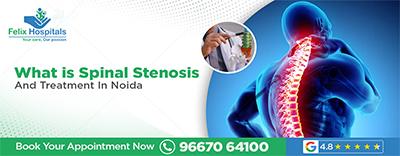
Spinal stenosis is spinal canal narrowing causing nerve pain or weakness. Treatment in Noida includes medication, therapy, or surgery.
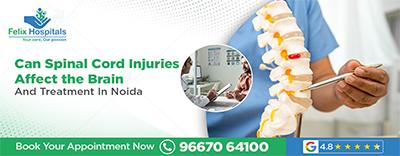
Spinal cord injuries can impact brain function by disrupting nerve signals. Treatment in Noida includes expert neurology and rehabilitation care.

Holi is the festival known for colours, joy and togetherness. Bright pinks, greens and blues, undoubtedly, add a magic touch to the festival. But beside these fun and frolics, the colours used to play Holi also end up being tough to your skin and hair. Numerous synthetic dyes nowadays are loaded with chemicals and heavy metals that can dry out your skin, causing irritation and allergies, and can be damaging in the long run.
Does it mean that you should stay out of the fun? Surely not at all. By following proper pre, during and post Holi skin and hair care tips, you can enjoy the festival fun to the fullest and at the same time keep your skin and hair healthy. This all in one blogpost not only points out how to be aware of the dangers, but at the same time how you can stay joyful in this vibrant festival.
Understanding what you're being exposed to is crucial for your safety. Although traditional Holi colours were prepared from flowers and natural ingredients, a lot of colours that are commercially available nowadays are synthetic and may contain industrial-grade substances that are not meant for skin contact.
Artificial colours are usually cheaper to make and more vibrant but they might include dangerous elements such as:
Lead Oxide (Black): Causes skin allergies and systemic toxicity.
Chromium Iodide (Purple): Responsible for allergies and respiratory problems.
Copper Sulphate (Green): Irritates your eyes and causes temporary discomfort.
Mercury Sulphite (Red): Is a poison that causes dermatitis and other skin-related problems.
These chemicals remove your skin's natural oils, and they also break down the protective layers of both skin and hair.
Contact with harsh colours may result in:
Dryness and Itching: Lack of moisture is the main reason behind this problem.
Rashes and Allergic Dermatitis: These include itchy, red, and swollen areas.
Abrasions or Mild Burns: Skin can get irritated due to rough textures and alkaline pH levels.
Acne Breakouts: Pores get clogged due to oily pigments resulting in pimples and blackheads.
Your hair and scalp are at risk too. Chemical colours might:
Turn your hair extremely dry and frizzy.
Cause scalp irritation, resulting in dandruff.
Weaken hair strands resulting in breakage.
If you have sensitive skin, eczema, or existing scalp problems, you should see a dermatologist for personalised advice well before the festival.
Preparation is the most critical step in Holi care. Just 20 to 30 minutes of pre-festival care can drastically limit colour absorption and damage. Let’s learn some important tips about how to protect skin before Holi.
The goal is simple: establish a protective layer between your skin and the colours. Here are a few Holi Skin Care Tips that will help you enjoy the festival with safety.
Wash your face with a mild face wash.
Apply a light, non, comedogenic moisturiser.
Put on a broad, spectrum sunscreen (SPF 30 or above).
On top of that, put a thin layer of coconut oil or cold cream especially on elbows, knees, and neck.
This barrier layer keeps the colour from penetrating deeply and allows for easier cleansing later.
Dry skin needs extra nourishment:
Use a thick moisturiser liberally.
Then put almond or olive oil on the face and body.
This double moisturizing layer guards against dryness and irritation.
It is absolutely essential to follow some important Holi hair care tips before stepping out to play your favourite festival. Always oil your hair before playing with colours. Here are some important tips on how to protect hair before Holi.
Normal to Dry Hair: Coconut oil (it penetrates deeply and nourishes
Oily Hair: Lightweight oils like jojoba or almond oil
All Hair Types: A mixture of coconut and almond oil
Massage your scalp with oil and spread it through the hair strands. Leave it on for at least an hour (overnight is best). Braid or bun your hair. You can wrap it with a scarf or a cap for extra protection.
Your decisions during the event are equally important as your preparation to protect your skin during Holi.
Clothing Choices: Your First Line of Defense
Wear a full, sleeved shirt and long pants.
Choose thick cotton fabrics for comfort and protection.
Avoid synthetic materials that may react with heat and colour.
Reapply sunscreen every two hours if playing outdoors.
Also:
Wear sunglasses to keep your eyes safe.
Use a hat or scarf to cover the scalp and hairline.
A few precautions now might save you from major irritation later.
Post Holi Skin care tips are equally important as the preparatory tips. After the celebration, do not scrub your skin hard. It is important to gently cleanse the skin.
Step-by-Step Gentle cleansing after Holi includes:
Dry Removal: Carefully, remove the excess colour by rubbing with a soft towel.
Oil Massage: Rub coconut or olive oil over the skin to melt pigments.
Mild Face Wash: A sulphate, free face cleanser is the right product. Do not use scrubs initially.
Soothing Mask: Apply aloe vera gel, sandalwood paste, or multani mitti.
Moisturise: Use a rich moisturizer to compensate for the loss of water, thus hydrating skin after Holi.
Do:
Choose a mild body wash.
Try natural cleansing with gram flour (besan) mixed with milk or yoghurt.
Don’t:
Use strong soaps or a loofah.
Scrub aggressively.
Post Holi hair care tips includes pre-shampoo treatment for stubborn colour with a deep conditioner hair mask.
Before washing, apply curd mixed with lemon juice or a deep-conditioning mask to dry hair. Leave it for 20–30 minutes to loosen colour particles.
Shampoo and Conditioner Tips
Wet hair thoroughly before applying shampoo.
Use a gentle clarifying shampoo
Follow with a deep conditioner or hair mask.
Let hair air dry instead of using heat tools.
This regimen hydrates hairs and lessens the risk of breakage.
If you experience irritation:
Rashes or Itching: Use sandalwood paste, calamine lotion, or aloe vera.
Burning Feeling: Wash with cold water and skip other products.
Dry, Tight Skin: Apply a mask made of honey and oatmeal.
Eye Irritation: Rinse thoroughly with clean water and see a doctor if necessary.
If the symptoms don’t go away, visit a dermatologist for proper treatment.
There are some very popular home remedies for Holi color removal that you can try for great results.
For Skin: A mixture of besan, turmeric, and milk can gently clean the skin.
For Hair: A mask with banana and honey provides deep conditioning.
For Soothing: Fresh aloe vera gel helps reduce inflammation.
Natural treatments can aid recovery, but avoid trying too many if the irritation is severe.
Holi is a time for joy and celebration. The secret to a stress-free Holi is following three simple steps: protect yourself before, stay alert during, and take care of your skin and hair afterward.
With proper care, you can enjoy the festival without worrying about skin or hair damage. Let the colors fade but keep the happiness alive.
Wish you a safe, happy, and colorful Holi!
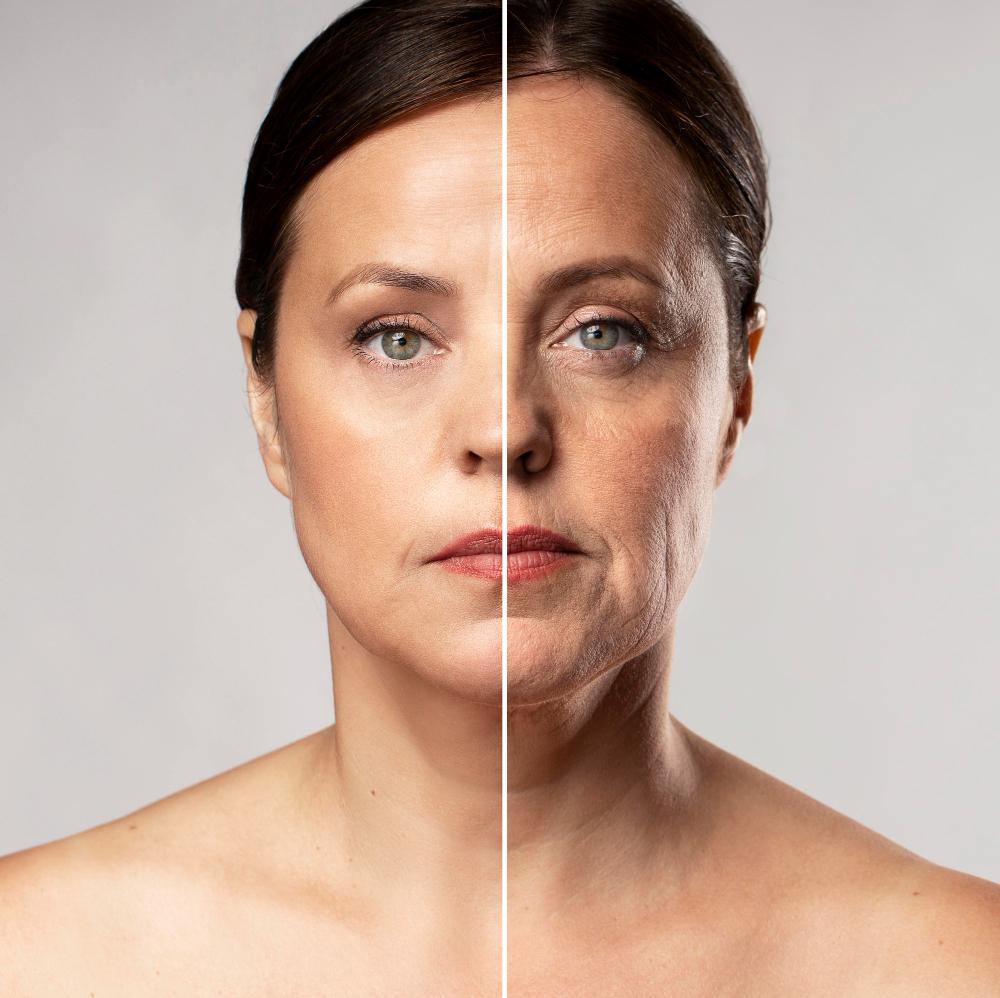
Certain skin disorders aren’t preventable, including genetic conditions and some skin problems due to other illnesses.

If your answer is yes, then, here are 6 easy steps to keep your skin look young and glowing.

Understanding the types of skin rashes, their symptoms, causes, and treatment options is essential for anyone experiencing skin issues.
Orthopaedic surgery plays a vital role in the treatment of conditions related to bones, joints, muscles, ligaments and spine. These surgeries aid in recovery ensuring to alleviate pain in case of traumatic injuries in addition to degenerative diseases. When patients are planning orthopaedic surgery there are numerous queries they may have such as the type of surgery, which hospital they choose, duration of recovery and after surgery care. All these factors assist patients in making positive choices and having appropriate preparation for their surgery.
When it comes to choosing Best Orthopaedics Hospital in Noida, always ensure to check for high-quality orthopaedics services, including highly qualified surgeons, well developed infrastructure, and the best after-sales services. Whether it is a spine surgery Noida, joint replacement, or minimally invasive procedure, choosing the right hospital and surgeon is crucial for successful outcomes. This blog post includes the most popular questions about orthopaedic surgery in Noida, which helps patients successfully cope with the course of treatment.
Book your appointment with the top orthopaedic professionals in Noida today at +91 9667064100 to consult with the individual professionals and get the new surgical practices.
To select an exceptionally recommended orthopaedic surgeon, follow these basic steps:
Look for surgeons with strong educational credentials, board certification, and additional training in special areas of surgery, such as joint replacement, sports injury, and spine surgery. The more experienced surgeons generally provide better judgment and surgical outcomes.
Ask your doctor and friends for recommendations you can rely on. Personal referrals often highlight those surgeons who are reliable and ethical.
Online reviews from actual patients bring out communication style, quality of care, and postsurgery experience-all very important in terms of trust and results.
Most of the surgeons who practice in well equipped hospitals and advanced surgical centers give quality treatment due to high‑end imaging and rehabilitation support.
Pay attention, during your first visit, to how well the surgeon explains your condition, treatment options, and recovery plan. A good rapport is everything, and transparency is what matters.
Orthopaedic surgeries are usually extensive and deal with specific procedures depending on conditions. Common surgeries include:
Every procedure will be scheduled depending on the diagnosis, severity, and age of the patient as well as his or her health. With the help of the consultation of the Best Orthopedics in Noida, you will be able to get a personalized treatment plan.
This is much more effective with proper preparation as it minimises risks during the surgical process and enhances recovery.
Before undergoing any orthopaedic procedures, patients should:
Physical and mental preparedness increases confidence and results of the surgery.
Spine surgery Noida is often recommended for conditions like herniated discs, spinal stenosis, or deformities causing pain, neurological symptoms, or impaired mobility. Indications include:
Physiotherapy, medications usually constitute non-surgery options before surgeons advise surgery. By timely consultation, the patient may not deteriorate and the spinal functions can be maintained.
Patients with severe arthritis or degenerative joint disease undergo joint replacement surgery, e.g. knee or hip replacement. High-technology orthopaedic surgery Noida is among those that implement the most modern approaches to their services to shorten the duration of recovery and enhance the mobility of its patients.
Significant factors related to joint replacement surgery:
Newer forms such as minimal invasive joint replacement have gone a long way in ensuring better surgical complications and patient satisfaction.
Many patients benefit from neurological surgery Noida or orthopaedic procedures performed using minimally invasive techniques. These include smaller cuts, less pain, quick healing and less chances of complications. Appropriate processes involve:
Individually consult with your orthopaedic surgeon in order to establish whether or not minimal options are correct in your case.
Although orthopaedic surgery is considered to be comparatively safe, every project has a certain risk factor. Risks of brain and spine surgery Noida or other orthopaedic surgeries may include:
These risks are minimised in developed hospitals and by trained surgeons who are subjected to stringent measures, sterile equipment and close observation. Risks of orthopaedic surgery include infection, blood clots, or delayed healing. Proper surgical care and follow-up reduce these risks.
Depending on the procedure, recovery may take some time but may typically include:
Recovery time after orthopaedic surgery varies based on the procedure and patient health. Most recovery occurs over weeks to months with guided physiotherapy.
It is essential to pick a hospital that provides extensive care.
And orthopaedic hospitals with multidisciplinary teams provide:
Hospitals offering end to end care in terms of consultation to recovery should become the major consideration of patients.
One simply needs to book a consultation with a Best Orthopedics in Noida:
With early consultation there is intervention on time, improved surgical results, and complications are minimised.
The prices of orthopaedic surgeries are determined by:
Hospitals offer cost estimates, insurance advice, and flexible payments because an increasing number of them provide an easy way to relax about finances.
To diagnose and treat Noida neurology, it is necessary to take care of the patient prior to the operation. This includes:.
Education and awareness of patients is the key to reduction of risks and improving recovery. Orthopaedic surgery success rate is high with modern techniques and expert surgeons. Consistent rehabilitation greatly improves long-term outcomes.
Make an appointment now at +91 9667064100 and receive the highest standard orthopaedic care and spine and joint surgical procedures in the best hospitals of Noida.
Noida orthopaedic surgery provides patients with an opportunity to receive highly qualified care concerning spine, joint and musculoskeletal disorders. The selection of the appropriate hospital, seeking the services of Best Orthopedics in Noida, learning about the risks and recovery, and the post-surgery care are the keys to essential outcomes. Orthopaedic surgery will be able to recover mobility, alleviate pain, and increase the quality of life of all patients of any age using the modern techniques, minimally invasive procedures, and holistic support of the patient.
Dr. Binay Kumar Sahu is an experienced Orthopedic and Traumatology specialist with 11+ years of clinical practice. He has extensive expertise in complex trauma, arthroscopy, arthroplasty, musculoskeletal tumors, and hand surgery. Recognized among the Best Orthopedics in Noida, he provides comprehensive and advanced orthopedic care.
Find expert tips to select the best orthopaedic hospital in Noida based on your specific medical needs, facilities, doctors, and patient care.

Comprehensive pediatric orthopaedic care in Noida with advanced technology, expert doctors, and child-friendly treatment approaches.
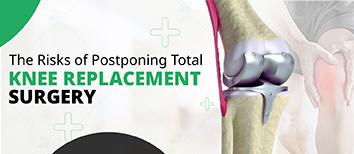
Knock knees, medically known as genu valgum, is a common condition in young children where the knees angle inward and touch one another when the legs are straightened.

Heart surgery is one of the most important medical operations, which may save lives of the patients with serious heart disorders. Most people feel terrified when exposed to the thought of being subject to a heart surgery because of the intricacy of the operation and the danger attached to it. There are a lot of questions related to the process of recovery, results, which hospital to choose, and so on, which are usually asked by patients and their families. Education about heart surgery, its kind and expectations, teaches back anxiety and also provides the patient with what to expect as they make wise choices about their heart care.
People want high-level cardiac services, consisting of the latest hi-tech equipment that they can get in the Best heart Hospital in Noida. The selection of the appropriate hospital and surgeon, the nature of the heart surgery that is necessary and the after and pre-surgical treatment are very crucial aspects which influence the outcome of the treatment. This FAQ guide aims to answer common patient concerns about heart surgery in Noida, making the process more transparent and reassuring.
Require professional advice with heart surgery? +91 9667064100 right now to get an appointment with the Best heart Specialist in Noida.
Heart surgery in Noida encompasses a wide range of procedures, from minimally invasive techniques to complex open-heart surgeries. The following would be amongst the most common types:
Surgery on blocked arteries (Bypass surgery or CABG)
Heart valves replacement or repair of valves
Surgical repair of congenital heart defect
Aneurysm repair
Heart surgeries being minimal invasive to the selected patients
Each operation is decided depending on the state of the patient, his or her age, past treatment and health. When a cardiothoracic surgeon Noida is consulted, it is possible to discuss all the possible options and choose the most efficient and safe one to use.
Bypass surgery Noida, or coronary artery bypass grafting (CABG), is performed to restore normal blood flow to the heart in patients with blocked or narrowed coronary arteries. It is typically prescribed to patients that have:
Coronary artery disease of severe nature
The angina (chest pain) is not responding to drugs
History of heart attack
Underperforming blood circulation of heart muscles
In bypass surgery, a doctor removes a blood vessel that supplies a different area of the body to make a detour around the blocked blood vessel to enhance blood oxygen and to decrease symptoms.
Open heart surgery Noida involves opening the chest to repair heart defects, replace valves, or perform complex procedures. Patients can be concerned with risks, and recovery, which can be resolved by learning about the process:
General anesthesia is used
Heart and lung functions are temporarily replaced by cardiopulmonary bypass machine
Time to surgery is based on complexity
It is followed by gradual recovery in hospital after ICU stay
Even how daunting the concept of open-heart surgery may sound, the practise of this surgery is very safe and efficient in the courtesy of modern technology and well-equipped surgeons.
Every surgery carries risks, and heart surgery in Noida is no exception. Common risks include:
Haemorrhage or inoculation in the area of the operation
Synchronisation of the heart rhythm (arrhythmias)
Blood clots
Reaction to anesthesia
Uncommon complications, such as heart attack or stroke
Nonetheless, cardiothoracic surgical centres and hospitals offering progressive cardiac services have a major impact on eliminating such risks. Risks and complications of heart surgery may include infection, bleeding, irregular heartbeat, or delayed healing. Early monitoring and timely care help reduce these risks significantly.
The recovery is dependent on the nature of the conducted surgery. Patients undergoing bypass surgery Noida or open-heart procedures usually experience:
ICU stay for 1–3 days
Hospital stay for 5–10 days
Slow recovery of normal events during 6–12 weeks
Requirement of heart rehabilitation and lifestyle changes
Post-surgery suggestions:
Very important: take medicine punctually
Visit regularly on follow-up care
Perform light exercise as recommended
Eat heart-healthy food and do not smoke
Patients undergoing cardiac surgery Noida should:
Complete pre-operative examinations such as blood test, ECG and imaging
Talk about elicit allergies and medications
Adhere to diet before surgery
Arrange post surgery care and medication at home
Mental preparation, together with physical preparedness, can enable a patient to go through surgery without any apprehension.
Many hospitals now offer advanced cardiac care Noida using minimally invasive techniques. Eligibility will be determined by consulting a cardiothoracic surgeon Noida.
Costs at a heart treatment hospital Noida vary depending on:
Surgery type
Infrastructure facilities and ICU
Duration of hospital stay
Drugs and rehabilitation services
Modern cardiac care has made heart surgery in Noida highly safe. Using skilled surgeons, modern operating rooms and follow-up ICU, recovery rates have greatly improved. Success rate of heart surgery in Noida is high due to advanced medical technology and experienced cardiac specialists. Timely diagnosis and proper post-surgical care further improve outcomes.
Recommendations include:
Fruits, vegetables and low-fat proteins in the diet
Moderate exercise as prescribed
Staying out of smoking and too much alcohol
Managing stress and getting enough sleep
Recovery time after heart surgery varies depending on the type of procedure and overall health of the patient. Most patients require several weeks to months for complete recovery under medical supervision.
The selection of a hospital with a heart operation in Noida and highly developed infrastructure will provide access to modern medicine and qualified personnel. For the cardiac centres that are comprehensive, the hospitals usually provide:
State-of-the-art operating rooms of open heart surgeries
Minimally invasive cardiac catheterization lab
Round-the-clock intensive care units (ICU)
Post-surgery rehabilitation and physiotherapy services
Availability of dietician, counsellor and holistic care support
Hospitals with a combination of technical skills with caring services need to be prioritized by the patients.
Selecting the best heart surgeon in Noida is one of the most critical steps for successful surgery. Aspects of paramount consideration are:
Experience in cardiac surgeries connected to years
Surgery success in other operations
Feedbacks by patients and reviews
Accessibility of superior facilities of cardiac care
Individual care and preoperative counselling
Not only a qualified surgeon performs the operation, but he or she is the guide between the pre- and post-operative care, which minimises risks and positively affects the recovery outcomes.
Book your cardiac surgery consultation today at +91 9667064100 and access advanced cardiac care at top heart hospitals in Noida.
Heart surgery in Noida is a safe and effective treatment for patients with severe cardiac conditions. Advanced cardiac care in Noida brings together expertise, technology, and patient-focused care with the Best heart Specialist in Noida.
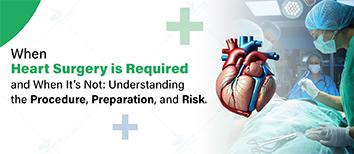
Heart surgery is a life-saving procedure for many patients with serious heart conditions. However, not every heart issue requires surgery, and many can be managed with lifestyle changes, medications, or less invasive treatments.

At Felix Hospitals, you will find the best cardiologists in Noida dedicated to women’s heart health, Dr. Rahul Arora is the best Doctor for this.
Abdominal distension can be defined as the observed swelling or abdominal enlargement. As much as the abdominal distension that comes after eating may be normal, continuous or cumulative abdominal distension may be symptomatic of underlying severe health problems. The patients may have a feeling of fullness, tightness, or heaviness in, or around the stomach area, which disrupts the daily lives and comfort of the patients.
People want to visit the Best gastroenterologist in Noida and get Stomach swelling treatment Noida to evaluate and treat their stomach swelling and digestive disorder.
Constant abdominal swelling or pain? Visit the finest gastroenterologist of Noida. Book your appointment on call through +91 9667064100.
A notable enlargement in the abdomen, which is seen and may be due to gas, accumulation of fluid, obstruction of the intestines or the enlargement of organs. True distension is permanent and can be life-threatening unlike temporary bloating.
Patients often experience:
There is a difference between them though they are mostly used interchangeably:
The awareness of the cause of abdominal distension aids in the provision of effective treatment.
Common causes include:
Abdominal swelling can be caused by excess gas, as a result of indigestion, irritable bowel syndrome (IBS) or as a result of gulping air.
Many years of constipation results in the accumulation of stools and the fullness and pain.
Typically found with liver disease, heart failure, kidney diseases or some types of cancers.
Sudden distension and painful conditions caused by blockage by tumours, adhesions, and hernias.
The long-lasting diseases like inflammatory bowel disease, celiac disease or gastroparesis are some of the chronic conditions that lead to recurrent swelling in the abdomen.
Abdominal distension can be followed by:
Determination of any symptoms associated assists experts in identifying the severity and the cause.
Refer to gastroenterologist in Noida in case of abdominal distension:
Early examination facilitates treatment on time and it averts complications.
Warning Sign | What It May Indicate | Action Needed |
Rapid increase in abdominal size | Internal bleeding or bowel obstruction | Emergency evaluation |
Distension with fever | Infection or inflammation | Immediate doctor visit |
Distension with severe breathlessness | Massive fluid accumulation | Urgent hospital care |
Distension with black or bloody stools | Gastrointestinal bleeding | Emergency investigation |
Distension with sudden weight loss | Possible malignancy | Priority diagnostic workup |
Distension with persistent vomiting | Intestinal blockage | Immediate imaging and treatment |
Medical Examination and History
Physicians examine symptoms history, diets, bowel movements, and history. Physical examination is used to identify the presence of fluid, maggedenness of organs, or tenderness.
(Abdominal distension diagnosis, Abdominal distension diagnosis tests)
It is treated by considering the cause:
(Digestive disorder treatment Noida, Abdominal fullness treatment)
Extreme such as fluid build-up (ascites) or bowel obstruction can necessitate some medical activities or surgery to release the distension.
How to treat bloating naturally includes simple lifestyle and dietary changes such as eating slowly, staying hydrated, and avoiding gas-producing foods. Regular physical activity and probiotic-rich foods are also effective ways for long-term digestive comfort.
The recurring abdominal distension can suggest such serious ailments as:
Early detection enhances better treatment and elimination of complications.
Seek professional help and treatment of abdominal distension in one of the top Gastro hospital in Noida. Dial +91 9667064100.
People who experience abdominal distension want to know that it is more than an unpleasant slight inconvenience; it is also an indicator of digestive or systemic diseases that need to be addressed without delay. It is also important to identify the causes, the symptoms, and take adequate diagnostic tests in order to ensure successful treatment in the best Gastro hospital in Noida. The patients with Noida who have persistent abdominal swelling, bloating, or fullness may require dedicated attention and can search for the best Stomach swelling doctor near me. Immediate intervention eliminates pain and guarantees improved quality of living and avoidance of complications in the long term.
Dr. Shuchita Sharma has over 11 years of experience in pathology, specializing in diagnostic pathology, cytopathology, and molecular pathology. She is skilled in analyzing tissue samples and laboratory reports to provide accurate and timely diagnoses, ensuring reliable support for patient treatment and medical investigations.
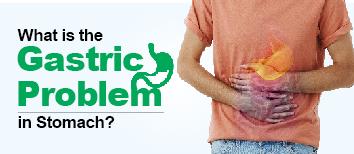
Gastric problems occur when excess acid or digestive disturbances affect the stomach lining, causing symptoms like bloating, acidity, and pain. Timely diagnosis ensures effective treatment.

Understand the key differences between stomach flu and food poisoning. Learn about their causes, symptoms, and when it's time to seek medical help for safe and effective treatment.

Women tend to put their health last in priority list as they juggle between work, family and social responsibility. Medical care is not usually sought until the symptoms have become unpleasant or disruptive. Nevertheless, various disorders could be at their complicated phases by the time the signs are noticed. An annual medical examination at the Best Gynecology Hospital in Noida is an important measure of ensuring women are well informed, safeguarded and equipped against actual and possible health threats before it escalates.
Women are getting challenged in the field of health in an urban city such as Noida due to stress in lifestyle to include its impact, sedentary behaviour, pollution as well as diet. Routine preventative care enables an early medical response, awareness creation, and long-term physical and emotional health. One of the best things that women can do in order to have a healthier future is to make their annual health check-ups a regular exercise.
Prevention today ensures protection tomorrow. Call +91 9667064100 to schedule your women yearly health check-up now.
Women yearly health check-up is not limited to diagnosing illness; it focuses on prevention, early detection, and overall wellness. Preventive healthcare can be used to detect underlying health conditions like anaemia, thyroid disorder, diabetes, and hormonal disorders before it begins to impact on past activities. Most of these conditions are asymptomatic and are only detected upon a regular check up.
A regular health examination allows physicians to assess the risk factors, prescribe lifestyle changes, and develop long-term care models. Preventive health also helps in lowering the emotional burden and financial burden of late-staged treatments. In the case of women, repeated screening instils in them a feeling of control and self-confidence on how they want to take care of their health.
Annual health check-up for women is essential because women experience multiple biological and hormonal transitions throughout their lives. Adolescence, reproductive years, pregnancy, menopause and post menopause are all accompanied with special health considerations that must be assessed immediately by medical care.
At each stage, there are certain risks involved, such as:
Menstruation-related issues
Fertility concerns
Pregnancy related complications
Loss of bone density
The annual check ups help to keep track of such changes and keep them under check. Regular assessments also aid in establishing a health base and thus it would be easier to notice abnormalities at an early stage.
Age Group | Key Health Focus Areas | Why It Matters |
20–30 years | Hormonal balance, anaemia, lifestyle habits | Builds a strong health baseline and detects silent deficiencies early |
31–40 years | Thyroid health, fertility health, stress levels | Early identification prevents long-term hormonal and metabolic issues |
41–50 years | Heart health, breast health, metabolic risks | Risk of lifestyle diseases and cancers begins to rise |
51–60 years | Bone density, menopause-related changes | Prevents osteoporosis, fractures, and post-menopausal complications |
60+ years | Cardiac health, mobility, chronic disease monitoring | Maintains independence and quality of life |
Early disease detection women significantly improves treatment outcomes and survival rates. Cervical cancer, breast cancer, heart disease, and metabolic disorders are conditions which do not have warning signs at their early stages.
Early detection offers:
A wider range of treatment options
Less invasive treatment
Lower cost of care
Better effectiveness
Regular reviews allow the identification of abnormalities by conducting blood tests, imaging, and clinical tests. There is not only life-saving through early intervention but also quality of life because of complications prevention.
Women health screening involves a comprehensive set of tests designed to assess overall health and identify hidden risks.
Common screenings include:
Blood sugar test and blood pressure test
Full blood count and anaemia test
Thyroid function tests
Pap smear and HPV testing
Mammography and breast examination
Bone density and pelvic ultrasound examinations
Such screenings are personalised on the foundation of age, medical history, and lifestyle. Missing routine screenings will expose one to the threat of late diagnosis and complicated therapy.
Routine medical check-up women is essential for evaluating reproductive health and hormonal balance.
Common concerns include:
Menstrual fluctuations
PCOS
Fertility problems
Menopausal issues
Frequent observation assists in diagnosing conditions at the early stages so that the conditions can be treated in time to avoid chronic complications.
Preventive health care for women must include cardiovascular screening, as heart disease remains one of the leading causes of death among women.
Annual check-ups help monitor:
Cholesterol levels
Blood pressure
Lifestyle risk factors
Preventive measures towards cardiac risks like diet, exercise and medical interventions can be allowed to be carried out at early stages.
Women preventive care extends beyond physical health to include mental and emotional well-being.
Health check-ups help identify:
Stress
Anxiety
Depression
Sleep disturbances
The early detection of mental health problems avoids the condition of influencing the physical state and everyday performance.
Ageing also reduces the density of the bones, particularly postmenopause. Osteoporosis will not be diagnosed regularly until the fracture taking place.
Annual check-ups help with:
Bone health assessment
Imaging and blood screening
Early dietary and lifestyle intervention
The effect of changing lifestyles has exposed women to:
Obesity
Diabetes
Metabolic disorders
Annual examinations assist in determining weight, nutrition, activity, and metabolic wellbeing. Preventive surveillance promotes long-term modifications of lifestyles.
Women's health screening plays a critical role in detecting gynaecological and breast cancers early.
Benefits include:
Detection of precancerous changes
Higher survival rates
Reduced need for aggressive treatment
Fear of diagnosis and busy schedules often delay medical visits. Late attending of check-ups usually leads to late diagnosis of preventable conditions. Preventive care normalizes medical testing and eliminates fear.
Best Gynecology Hospital in Noida offers preventive treatments, advanced diagnostics, and expert care under one roof.
Integrated services ensure:
Accurate evaluation
Coordinated treatment
Patient confidence and comfort
Gynaecologists guide women through:
Regular check-ups
Reproductive planning
Hormonal transitions
Long-term doctor-patient relationships enhance continuity of care and preventive management.
Benefits include:
Fewer medical emergencies
Better disease control
Reduced healthcare costs
Improved quality of life
Take control of your health with expert preventive care. Call +91 9667064100 to book your women yearly health check-up today.
Annual health examination is not a luxury of the woman, but a necessity. Preventive care provides long-term care by detecting diseases early, monitoring hormones, assessing mental health and enabling cancer detection. With access to expert care at the Best Gynecologist in Noida, women can secure a healthier future.
Dr. Charu Yadav is an obstetrician and gynecologist with 12+ years of experience, specializing in high-risk and twin pregnancies, ectopic pregnancy, and menstrual disorders. Trained in laparoscopic surgery, she provides care for pregnancy, infertility, menopause, and gynae procedures. She is also recognized among the Best Gynecologists in Noida for her patient-focused treatment.
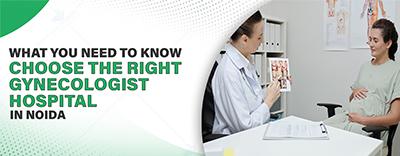
Selecting the best gynecologist hospital in Noida is crucial for your health. Learn what to look for in top facilities offering specialized care in maternity, infertility, menstrual health, and gynecological surgeries.
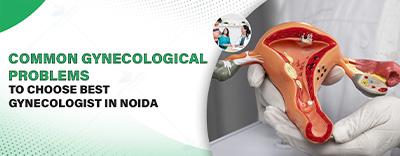
Know the common gynecological problems and the best tips to choose a trusted gynecologist in Noida

The health of the heart is a major consideration in general wellbeing, but most individuals do not seek medical intervention until the symptoms become very serious. The usual symptoms that arise in the chest pain, dyspnea, weakness, or palpitations have either been mistaken or overlooked thus resulting in the late detection and complex management. This can be achieved by visiting the best cardiologist in Noida at the right time in order to detect heart problems early enough before they can cause permanent harm. A cardiologist specialises in the diagnosis, treatment, and management of heart diseases using medical treatment, lifestyle/diet counselling, and surgical procedures where necessary. Patients receive holistic care in the same location since they have access to advanced diagnostics procedures and structured courses of treatment.
The selection of the finest heart hospital in Noida will provide continuity, correct diagnosis, and a long-term cardiac follow-up. Starting with the simplest checkups and ending with complicated cardiac operations, quality and effective cardiology care can save a lot of lives.
To have the best heart care and assessment, you can use your phone and call +91 9667064100 and book a consultation with the best cardiologist in Noida.
Understanding what does a cardiologist does helps patients approach the right specialist with confidence. A cardiologist is a medical practitioner who specialises in diagnosing and treatment of heart related diseases and blood vessels. Their functions also involve assessment of symptoms, analysis of the diagnostic tests, providing of life-threatening medications, and patients undergoing lifestyle amendments.
Cardiologists deal with acute and chronic heart disorders such as high blood pressure, coronary artery, rhythm disorders and heart failure. In situations where surgical intervention is needed, they are putting close coordination with the cardiac surgeons so as to have a smooth flow of care. The choice of the treatment is always individual, with references to the age of the patient, symptoms, and the state of his health.
Knowing when to consult a heart specialist can prevent serious complications. Several heart disorders are silent and their symptoms might be detected in cases when they have already been damaged. Consultation should be early on should the symptoms be persistent or aggravated.
You need to consultation with a cardiologist when you have:
The frequent existence of chest pain or tightness.
Pneumonia in the routine of activity.
Sudden fatigue or dizziness
Fast and irregular heartbeat.
Swelling in legs or ankles
Early diagnosis and treatment are possible in time and often prevent an emergency case through the intervention of the most appropriate cardiologist in Noida.
Recognising heart disease symptoms treated by cardiologists helps patients understand the scope of care provided. A gyrocardiologist treats very diverse symptoms associated with cardiac and circulatory condition disorders. Such symptoms can be manifested over a long period or with short, acute symptoms, depending on the underlying cause.
The symptoms that are typical are chest pain, palpitations, fainting, poor exercise capacity and unexplainable sweating. Other patients also do not have the typical signs which include jaw pain, nausea or back pain. In a well equipped best heart hospital in Noida, the advanced testing will act to find the main cause and have specific treatment started immediately.
Effective heart disease treatment by cardiologist focuses on both immediate symptom relief and long-term disease management. The treatment plans are tailored and can incorporate drugs, eating habits, physical activity, and frequent observations.
In the case of progressive disease, cardiologists regularly monitor the heart activity and change treatment in order to avoid risks. A significant component of treatment is lifestyle counselling, since managing such risk factors as smoking, obesity, and stress have much better outcome. Follow-up also brings about cardiac stability and minimises risk of cardiac events in the future.
Understanding heart surgery types and procedures helps patients prepare mentally and physically for advanced treatment. When medications and non-invasive procedures fail to manage the symptoms and prevent the further development of the disease, heart surgery is recommended.
Typical heart operation procedures would be bypass surgery, valve repair or replacement, and corrective congenital heart defects. Cardiologists are associated with the crucial role of pre-surgical assessment and post-surgical treatment. Under the experienced coordination in the most expertise hospital in Noida; patients are assured of safe surgical treatment and organised rehab intervention.
The ideal heart surgery consultation Noida deals with good assessment of the problem, measurement of risks and educating the patients. In the consultations, the cardiologists discuss the need for surgery, future expectations, and other recovery plans.
Before making decisions, patients are allowed to ask questions and talk about concerns. Diagnostic reports, imaging reports and general health conditions are carefully considered to make sure that surgery is the ultimate choice. The best cardiologist will be consulted in Noida making clarity, confidence, and informed consent the order of the day prior to any time surgical intervention.
Long-term cardiac care and management is essential for maintaining heart health after diagnosis or surgery. The treatment of the heart care does not terminate at treatment; it goes on through routine checks, lifestyle modifications as well as preventive measures.
Management consists of adherence to medication, blood pressure, cholesterol, and structured body movements. Education of patients is highlighted so that people could know the warning signs and that they should seek medical assistance when problems arise. Stability and minimised readmission to the hospital is achieved through thorough care in a reliable best heart hospital in Noida.
Preventive heart care is an apt feature of advanced heart care. The top cardiologist in Noida works on his/her interest in establishing the risk factors early in life and preventing the disease before its occurrence. Prevention consists of regular heart screenings, stress tests, and risk profiling of patients who have family or lifestyle related risks.
Through the early diagnosis, lifestyle intervention and medical management can be carried out in time so that the risk of heart attack or stroke is dramatically reduced. Prevention-based care enables patients to gain control of their heart conditions by being professionally advised to do so.
In Noida, the right heart hospital will provide competent specialists, advanced diagnostic equipment, and emergency services. Combined approach with a multidisciplinary approach enables ease of coordination among cardiologists, surgeons, anaesthetists, and rehabilitation teams.
The infrastructure, infection-controlling facilities, and the follow-up services of the patient post-treatment are a significant factor. An atmosphere of trust along with a hospital setting promotes physical, as well as emotional reassurance of patients and families.
Call +91 9667064100 now and book your heart checkup in the most favourable heart hospital in Noida and have total command of your heart condition.
Heart disease needs to be diagnosed, treated quickly, and cared for in a planned way . If you see the best cardiologist in Noida, you can be sure that they will correctly diagnose, treat, and keep an eye on both minor and serious heart problems. Cardiologists play a big role in keeping hearts healthy and making life better.
Patients who go to the best heart hospital in Noida get full cardiac care, the newest treatment options, and help with their recovery. The best ways to avoid problems and make sure you have a healthier future are still to see a doctor early and check in with them regularly.
Dr. Rahul Arora is an experienced Interventional Cardiologist with 21+ years of expertise in advanced cardiac care, specializing in personalized, evidence-based treatment for heart diseases and improved patient outcomes.
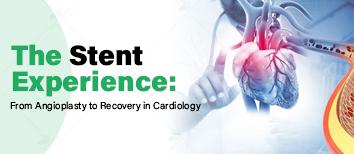
A stent procedure can be life-saving for those with blocked arteries. This guide walks you through the stent experience—from the angioplasty process to post-procedure recovery and lifestyle changes.

Find the best cardiologist for your heart care with these essential tips and expert advice.

However, stress, sedentary lifestyle, chronic diseases such as diabetes and hypertension, and genetic factors place young individuals at risk of heart attack.

Top cardiologist surgeon in Noida for safe and expert pacemaker implantation to regulate heart rhythm.
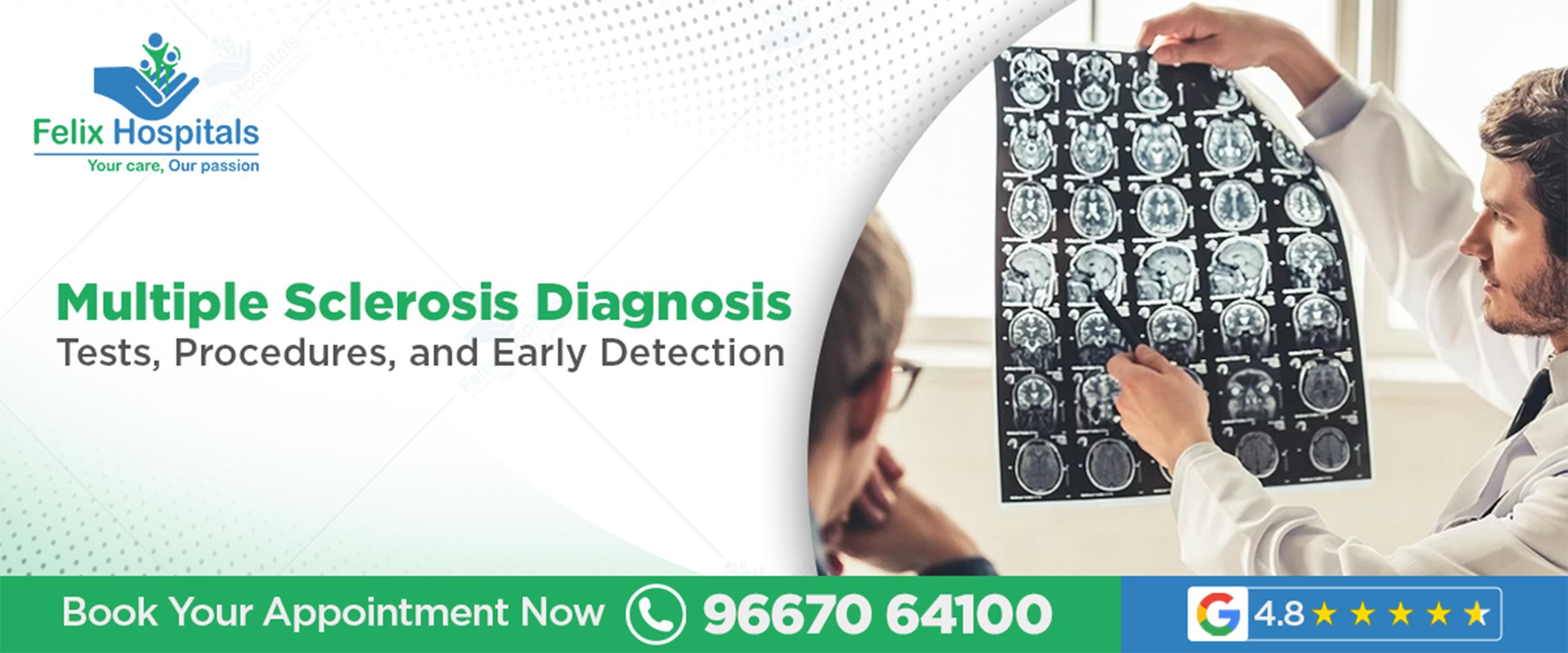
Multiple sclerosis (MS) is a progressive neurological disorder where the immune system destroys the protective cover of nerve fibres and as a result, the brain encounters communication problems with other body systems. Understanding What is Multiple Sclerosis? is crucial for early detection and effective management. The disease manifests in different ways that are determined by the nerves that are infected and so diagnosis is a complicated task.
Early warning signals may not mean much but you should not delay. Today, Call +91 9667064100 and book an appointment with an Multiple Sclerosis doctor in Noida.
What is Multiple Sclerosis? is a question essential to understanding this complex disease:
Disease mechanism:
Myelin (nerve protective covering) is attacked by the immune system.
Interferes with brain-body contact.
Produces inflammation and destruction of the nerve fibres.
Anaesthetic of central nervous system (brain and spinal cord).
Evolutionary or relapsing-remitting associations.
It does not affect two patients in the same way.
Cytotrophic leprosy Relapsing-Remitting (MS) (most common, 85 percent)
Primary Progressive MS (progressive worsening)
Secondary Progressive MS (first relapses, followed by progression)
Progressive- Relapsing MS (rare form)
It is best to consult a Multiple Sclerosis doctor in Noida because this person will be able to conduct an accurate assessment and implement timely interventions based on particular symptoms.
Recognising Early Signs and Symptoms of Multiple Sclerosis can significantly impact treatment success:
Eye difficulties (blurry vision, double vision, headache)
Limb numbness or tingling.
Arms or leg muscle weakness.
Severe imbalance exhausted with no relief.
Balance or coordination difficulty.
Dizziness or vertigo
Mental (memory problems, lack of concentration) problems.
Bladder or bowel dysfunction.
Usually occur in episodes (relapses).
Times of recovery, partial or total.
The symptoms deteriorate when exposed to heat.
They are extremely different among people.
May be subtle initially
As soon as these symptoms manifest themselves, it is advisable to consult early in order to start the diagnostic tests as soon as possible, so that before serious nerve damage ensues.
Patients should know When to See a Doctor for MS Diagnosis to ensure timely intervention:
Seek medical attention for:
Persisting unexplainable neurological symptoms.
Double vision or vision loss
Recurrent feebleness of members.
Pain in the hands or the feet.
Problems with balance or falls.
Abnormal fatigue in everyday living.
Brain-based problems or memory problems.
Here and there a symptom mysteriously comes.
Imperative insights: It is important not to overlook even minor symptoms and timely consultation will help to diagnose and treat the disease faster.
A visit to a MS specialist hospital in Noida will confer experiences with neurologists who can distinguish between MS and other similar neurological conditions, which have similar presentation.
Special testing is used in the diagnosis of MS. Common Tests Used to Diagnose Multiple Sclerosis include:
Identify lesions of brain and spinal cord.
Show areas of myelin damage
Follow-up disease development.
The most significant diagnostic instrument (90% correctness)
Cheques cerebral spinal fluid in terms of immune markers.
Identifies oligoclonal bands (MS characteristics)
Eliminates infections or other disorders.
Reject electrical response to stimuli.
Auditory, sensory, and visual tests.
Detect nerve pathway damage
Eliminate similar symptom rule-out conditions.
Rule out deficiencies of vitamins, infections.
Examine other autoimmune diseases.
All these diagnostic measures assist in confirming the existence of MS, as well as ruling out other possible reasons.
The Step-by-Step MS Diagnosis Procedures follow a systematic approach:
In-depth medical history.
Timeline of symptom measurement.
Family history assessment
Risk factor evaluation
Coordination and the reflex test.
Muscle strength assessment
Eye movement and vision test.
Sensory function testing
Balance and gait analysis
MRI images of the brain and spinal cord.
Search characteristic lesion patterns.
There are numerous lesions in other locations.
CSF analysis Lumbar puncture.
The ruling out of alternatives by blood tests.
Evoked potential studies
Watch out for new symptoms, symptoms, lesions.
Confirm diagnosis over time
Evaluate disease pattern
My patients attending a MS specialist hospital in Noida have an opportunity to enjoy high-quality facilities and qualified doctors who assist patients in all the procedures.
Understanding the Importance of Early Detection in Multiple Sclerosis cannot be overstated:
Earlier initiative disease-modifying therapies.
significantly slows down the disease progression.
Minimise rate of relapse.
Reduce risk of long term disability.
Preserve quality of life
Permit lifestyle changes at an early age.
Improved reaction to medications early in life.
Greater symptom control.
Improved long-term outcomes
Establishing averted nerve injury.
Statistical advantage: Up to 30% of disability progression can be lessened by early intervention during a 10-year time-period.
Best neurologists in Noida emphasise regular follow-ups and monitoring to catch disease activity at earliest stages.
How Doctors Confirm an MS Diagnosis involvesintegrating multiple findings:
McDonald Criteria (diagnostic criterion):
Clues of CNS lesions in other places.
Lesions at various time periods.
There is no other explanation than this.
Relating MRI findings with clinical manifestation.
Findings of laboratory of CSF analysis.
Findings of neurological examinations.
Elimination of a condition of mimicking.
There were several lesions scattered in CNS.
Ages of lesions at varying ages.
Spinal-fluid oligoclonic bands.
Abnormal evoked potential findings.
Patients of a Best Neurology Hospital in Noida are well examined by experienced specialists who will ensure that all diagnostic criteria are properly evaluated to minimise the possibility of misdiagnosis.
Conditions Similar to MS is crucial for accurate evaluation:
Conditions that mimic MS:
Neuromyelitis optica (NMO)
Lyme disease
Vitamin B12 deficiency
Lupus (erythematosus systemica)
Neurological impairment of stroke.
Sarcoidosis
Brain tumors
Fibromyalgia
Every instance is treated in a different way.
Other ailments will not respond to MS-specific therapies.
There are curable/treatable some conditions of mimicking.
Right diagnosis provides the right care.
Comprehensive evaluation with a Multiple Sclerosis doctor in Noida is what makes sure that other conditions should be ruled out and patients are properly diagnosed.
The Latest Diagnostic Tools and Technologies for MS have significantly improved detection:
MRI machines with high resolutions and 3D material.
Improved capability on lesion detection.
Increased visualisation of spinal cord.
A structural mapping of the brain.
Proven methods of spinal fluid analysis.
Evoked potential systems that are automated.
Identification research Biomarker identification research
Image analysis by artificial intelligence.
Time-lapsed automated tracking of lesions.
Disease progression predictive modelling.
Digital monitoring tools
These high-tech tools help patients that address an MS specialist hospital in Noida to obtain timely diagnosis and plan the course of treatment individually.
Managing Symptoms After Diagnosis focuses on effective management:
Progression slowing disease-modifying therapies (DMTs).
Steroids for acute relapses
Symptomatic (pain, spasticity) treatment.
Physical and occupational therapy.
Rehabilitation programs
Frequent physical activity that keeps one mobile.
Procedural stress management.
Adequate sleep and rest
Balanced nutrition
Regulation of temperature (do not overheat)
Frequent visits with Multiple Sclerosis doctor in Noida.
Oversee the progression of the disease.
Adjust therapies as needed
Remain independent and living.
Make sure of proper diagnosis and prompt treatment in the MS specialist hospital at Noida. Early diagnosis will have a big impact in treatment of MS.
Multiple sclerosis is a complicated disease which needs focused consideration and professional treatment. Understanding What is Multiple Sclerosis?, recognising Early Signs and Symptoms of Multiple Sclerosis, knowing When to See a Doctor for MS Diagnosis, and understanding Common Tests Used to Diagnose Multiple Sclerosis are critical first steps.
Following Step-by-Step MS Diagnosis Procedures, appreciating the Importance of Early Detection in Multiple Sclerosis, knowing How Doctors Confirm an MS Diagnosis, understanding Differential Diagnosis: Conditions Similar to MS, utilising Latest Diagnostic Tools and Technologies for MS, and focusing on Living with MS: Managing Symptoms After Diagnosis ensure comprehensive care.
Consulting a Multiple Sclerosis doctor in Noida, visiting a MS specialist hospital in Noida, or seeking care at the Best Neurology Hospital in Noida with Best Neurologists In Noida ensures access to expert care, accurate diagnosis, and comprehensive treatment plans tailored to individual needs.
Dr. P. S. Naga Srinivas is a skilled Consultant Neurologist with strong experience in managing various neurological disorders. He follows a patient-focused and evidence-based approach for accurate diagnosis and treatment of both acute and chronic neurological conditions, and is recognized among the Best Neurologists in Noida.
Blood clot in the brain is a serious condition causing sudden neurological symptoms and requires immediate medical treatment.
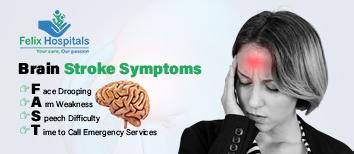
Recognizing the symptoms of a brain stroke is critical for getting prompt medical attention. The acronym F.A.S.T. is often used to remember the most common Brain stroke symptoms.
A concise guide explaining brain tumor surgery cost in Noida, including key factors, treatment options, and expert care.

The process of carrying a baby home after delivery at the hospital is not only very happy but also confusing, mostly to those who are first-time parents. The shift in the medically managed setting to the home care one has to be prepared, educated and assured. All infants require warmth, many feeds, cleanliness, and emotional attachment within the first weeks of existence. Knowledge of giving safe and suitable care following the discharge of the hospital is a very essential factor when it comes to the healthy development of a baby.
This is the guide to enable the parents to go through the first days of the baby's care with ease and comfort.
Need professional advice on how to take care of the newborn infant? Consult a trusted newborn care hospital in Noida. Make a reservation for the postnatal consultation by calling +91 9667064100.
The initial days of birth is the time of adaptation of both the baby and the parents. Infants are getting used to life outside of the womb, and parents are getting used to recognizing feeding cues, sleeping patterns, and displayed discomfort. Knowing how to take care of a newborn at home helps reduce anxiety and ensures the baby's needs are met safely.
Attentive monitoring and attentive treatment are required during this period.
Newborns are completely at the mercy of caretakers once they are discharged. The emphasis should be on the clean, warm, and calm environment of parents.
Key aspects of safe baby care after hospital discharge include:
Keeping the room at constant temperature.
Reducing the number of visitors and infections.
Before handling the baby proper hand hygiene should be ensured.
Application of discharge instructions given by physicians.
These precautions assist in protecting the developing immature system of the baby.
The feeding technique is among the best things in young newborn care. Consistency and technique are essential regardless of whether breastfeeding or formula feeding is done.
A basic newborn feeding guide includes:
Every 2-3 hours or at demand.
Having the correct latch when breastfeeding.
Burping the baby after feeds
Checking on weight gain and urine output.
Proper nutrition helps in development of the body, immunity and the development of the brain in the first month.
Most of the day newborns are sleeping yet the periods of sleep are brief and due to interruption. The normal sleep behaviour can be understood and unwarranted worry can be avoided.
Important newborn sleep care tips include:
Sleeping with the baby lying on his back.
Sitting on a firm mattress without a pillow or play thing.
Cleaning the sleeping space by avoiding smoke.
Creating a nighttime ritual.
The sleep practices are safe and minimize the chances of sleeping complications.
The common fear of many parents is frequent waking, crying or finding it difficult to settle the baby. Learning how to handle newborn sleep problems involves patience and reassurance.
Helpful strategies include:
Responding calmly to crying
Nourishing or consoling when necessary.
Staying out of ideas prior to sleep.
The gradual adaptation to day-night cycles.
The majority of sleep problems also resolve themselves in the process of growing the baby.
Cleanliness is a good practice, though newborn skin is tender and fragile. Proper newborn hygiene care helps prevent infections and skin irritation.
Hygiene practises, such as, are:
Sponge bathing till the umbilical cord comes off.
Applying baby products with a fragrance-free and mild scent.
Caring for the diaper area; keeping it clean and dry.
Moaning nails to prevent scratches.
Delicate handling safeguards the extent of the skin of the baby.
The umbilical stem tends to dry and come off after one or two weeks. Parents are expected to maintain the area hygienic and dry.
Proper care includes:
Not to cover the stump with tight diapers.
Failure to use home remedies or powders.
Observing redness, discharge, foul odour.
Consultation must be made with the doctor in case of infection.
The initial month is very important in terms of growth monitoring, feeding patterns, and overall health. Understanding caring for a newborn in the first month helps parents recognize what is normal and when to seek help.
Parents should do the following in this stage:
Monitor feeding and changing of diapers.
Watch breathing, colour of skin.
Paediatric cheque-ups: Schedule.
Adhere to the routes of vaccination
Periodic cheque ups help to identify any health issue in time.
Having an essential newborn care checklist helps parents stay organised and prepared.
This checklist may include:
Feeding supplies
Clean diapers and clothing
Though simple medicine and thermometer as recommended.
Emergency contact numbers
The follow-up appointment information.
Confidence increases when parents are ready.
Most of the behaviours demonstrated by a newborn are normal, but some actions demand immediate attention of the doctor.
Consult medical attention in case the baby exhibits:
Food and breathing problems.
Continuous fever or low body temperature.
Yellowing of skin or eyes
Too much lack of vigour or restlessness.
Problems can be avoided early, before complications occur.
Ambiance Emotional attachment helps in development of the baby and the parental psychology. Trust and security can be achieved through skin-to-skin contact, talking softly, and making eye contact.
The physical and emotional health of parents is also essential and needs attention because rest and support are necessary at such an active stage.
The advantage of postnatal visits is that they are used to check on the baby growth and answer the parent concern. Access to postnatal care for newborn in Noida ensures professional guidance during the early weeks.
Doctors assess:
Feeding effectiveness
Weight gain
Developmental milestones
Maternal recovery
Follow-ups enhance long term care
Access to a reliable newborn care hospital in Noida provides reassurance in case of emergencies or concerns. Hospitals that have neonatal expertise and postnatal help services provide continuity of the care up to the early infancy.
These facilities offer education, vaccination, and special care when they are needed.
This stage is some kind of learning curve to most families. Following a structured first-time parent baby care guide empowers parents to respond calmly and confidently to their newborn's needs.
Consultation, inquisitiveness and reliance on medical care will facilitate the adjustment process of the parental life.
Home care is as significant as healthcare. Parents should ensure:
Safe sleeping conditions.
Adequate care during bathing and feeding.
Good storage of medicines and cleaning products.
Healthy growth and minimization of health risks are achieved through a safe environment.
Ensure safe and professional postnatal care for newborn in Noida. Talk to an expert now at +91 9667064100.
The hospital to home birth is the start of life-long care and attachment between parents and their infant. Understanding how to take care of newborn at home, following safe practises, and seeking timely medical guidance are essential for ensuring a healthy start to life. With structured routines, attentive observation, and access to reliable postnatal care for newborn in Noida, parents can confidently navigate the early days of newborn care while nurturing their baby's growth, comfort, and well-being.
Dr. Prabhat Kumar is a pediatrician and neonatology specialist with over 9 years of experience, recognized among the Best Pediatricians in Noida. He specializes in infectious diseases, general pediatrics, and child growth and development, providing trusted care for childhood illnesses, immunizations, neonatal care, and teenage health concerns.

Mothers think a lot, when it comes to giving right nutrition to her baby. And she also has many questions like
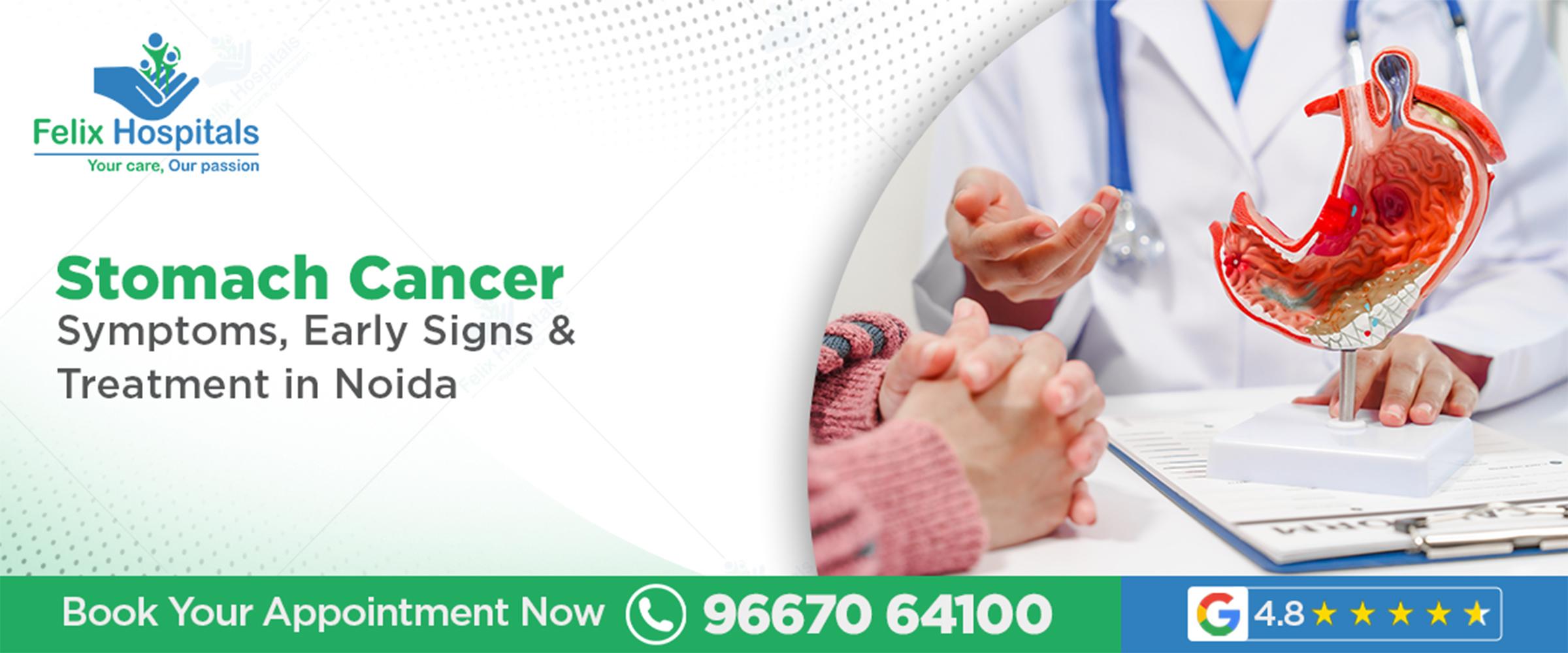
Stomach cancer or gastric cancer is a severe and even life threatening disorder that occurs in the stomach lining. It is usually a silent disease in which the early signs are vague and can be confused with the common digestive issues. This means that a significant number of patients will be diagnosed late in time, when they will be complicated to treat. The early identification of the symptoms, early diagnosis, and access to the special care are very important to enhance the rate of survival and treatment outcomes.
Patients using modern diagnostic equipment and qualified experts, now have their treatment of gastric cancer in Noida, which is decisive towards early diagnosis, individual treatment plans and protracted healing.
Have chronic stomach pains or weight loss that can not be explained? See the finest gastroenterologist in Noida today. Call +91 9667064100.
Stomach cancer takes place when the strange cells become out of control in the stomach lining. In the long run, the cells may penetrate through more layers of the stomach and extend to the nearby organs or other distant parts of the body.
Depending on the type and the stage, the disease can develop gradually or aggressively in any area of the stomach. Early detection leads to a great enhancement in the success of treatment and survival.
Recognising stomach cancer symptoms is challenging because early signs often resemble common gastrointestinal complaints. Most of the patients disregard the symptoms until they become serious.
Common symptoms include:
Constant indigestion or heartburn.
Loss of appetite
Nausea or vomiting
Satisfied with eating little.
Unexplained weight loss
In cases where the symptoms continue to be experienced, medical examination is necessitated.
The early signs of stomach cancer are subtle and often overlooked. Nevertheless, their detection at the earliest stages can be a decisive issue in their resolution.
The clinical manifestations can include early warnings such as:
Light pain at the upper abdomen.
Bloating after meals
Fatigue due to anemia
Changes in bowel habits
Difficulty digesting food
Early detection gives more treatment opportunities and enhancement of better recovery.
As the disease progresses, gastric cancer symptoms become more pronounced and alarming.
Symptoms can be serious enough to cause advanced symptoms including:
Severe abdominal pain
Vomiting blood
Black or tarry stools
Difficulty swallowing
Observable abdominal distension.
At this stage, immediate consultation with a cancer specialist in Noida is critical.
Upper abdominal cancer symptoms can overlap with many digestive conditions, making clinical evaluation essential.
Symptoms of the upper abdomen are:
The chronic pain or discomfort over the abdomen above the belly button.
Pain that increases following a meal.
Radiating pain to the back
Unexplained nausea
Chronic upper abdomen symptoms can never be overlooked.
Knowledge about the risk factors can be useful in preventive and early screening.
Major risk factors include:
Helicobacter pylori infection
Smoking and drinking.
The great consumption of salted or smoked foods.
Gastric cancer in the family.
Asymptomatic gastritis or ulcers of the stomach.
Frequent medical checkups should be carried out on those patients who are at risk.
Stomach cancer is a disease that occurs because of the damage caused to the stomach lining over an extended period, which results in unnatural growth on the cells.
The contributing factors are often:
Chronic inflammation
Genetic mutations
Poor dietary habits
Long-standing acid reflux
Some of them cannot be prevented, but early surveillance minimises risks.
Real-time diagnosis of gastro cancer in Noida is critical to the successful planning of its treatments.
Diagnostic methods include:
Urinary reverse transcriptase polymerase chain reaction.
Biopsy of suspicious tissue
CT and PET scans
Blood tests to determine anaemia and organ functioning.
When the condition is diagnosed at an early stage, it will have an immense impact on the survival rate.
Staging identifies the extent of spread of the cancer and reveals how to choose the treatment.
Staging helps:
Assess tumor size and depth
Determine involvement of lymph nodes.
Detect distant metastasis
Arrange surgery, chemotherapy or radiation.
Proper staging facilitates individual therapy.
Treatment of gastric cancer in Noida is multidisciplinary and incorporates a number of treatment modalities.
Treatment options include:
Surgery
Chemotherapy
Radiation therapy
Targeted therapy
The decision will be made based on the stage of cancer, health of the patient, and the characteristics of the tumour.
The first therapy of localised stomach cancer is surgery.
Surgery can be performed:
Partial gastrectomy
Total gastrectomy
This is aimed at total tumour release and as far as possible maintenance of the functionality of the digestive system.
Chemotherapy can be applied prior or subsequent to surgery in the destruction of cancer cells.
The advantages of chemotherapy are:
Tumour shrinking is done prior to surgery.
Reducing recurrence risk
Managing advanced disease
Treatment procedures are planned depending on specialists.
Radiation therapy can also be accepted in selective cases particularly where cancer cannot be totally taken off through surgery.
Radiation helps:
Control tumor growth
Reduce symptoms
Improve quality of life
It is associated with chemotherapy to improve the results.
Newer treatment of gastric cancer can involve targeted therapy, which can specifically target cancer cells.
Advantages include:
Fewer side effects
Valuable treatment accuracy.
Improved results in the chosen patients.
Such treatments are identified by use of superior diagnostic tests.
Treatment of stomach cancer takes a lot of time to recover with the help of long-term follow-up and change in lifestyle.
Patient follow-up care involves:
Nutritional counseling
Regular follow-up scans
Managing digestion changes
Psychological support
They can be observed for the long term to notice the recurrence at the early stages.
The most crucial thing when it comes to enhancing survival is early detection.
The advantages of early diagnosis are:
Less aggressive treatment
Higher cure rates
Faster recovery
Better quality of life
Denial of the symptoms tends to increase late diagnoses.
Selecting the best gastroenterologist in Noida and an experienced cancer specialist in Noida ensures accurate diagnosis and comprehensive care.
Look for:
Experience in gastro oncology.
State-of-the-art diagnostic centres.
Multidisciplinary teams of treatment.
Services after treatment has been provided.
Special treatment enhances substantially.
Consultation in causes of hypertension is recommended in case of the following immediate symptoms:
Persistent stomach pain
Vomiting blood
Sudden weight loss
Difficulty swallowing
Prognosis can be aggravated by the delay of care.
Observe specialised assessment and cutting-edge treatment of gastric cancer in Noida. Now you can make your reservation by calling +91 9667064100.
Stomach cancer is a serious disease that often develops without any obvious symptoms. This is why it is so important to know the early signs and symptoms of stomach cancer. Knowing the signs of upper abdominal cancer, getting a quick diagnosis of gastro cancer in Noida, and getting advanced treatment for gastric cancer in Noida can all greatly improve your chances of survival and your quality of life. Patients can get personalised care and full support throughout their cancer journey from the best gastroenterologist and cancer specialist in Noida.

Recent studies have explored a possible link between frequent mouthwash use and cancer risk.
Recognize the early warning signs of cervical cancer. Learn about its symptoms, causes, and when to consult a gynecologist for timely diagnosis and treatment.


Subscribe to our
© Copyright 2026. All Rights Reserved by Felix Healthcare Private Limited
Design and development by :


 +(91)9667064100
 Emergency : +(91)9667064100