 Emergency:
  WhatsApp


Subscribe to our
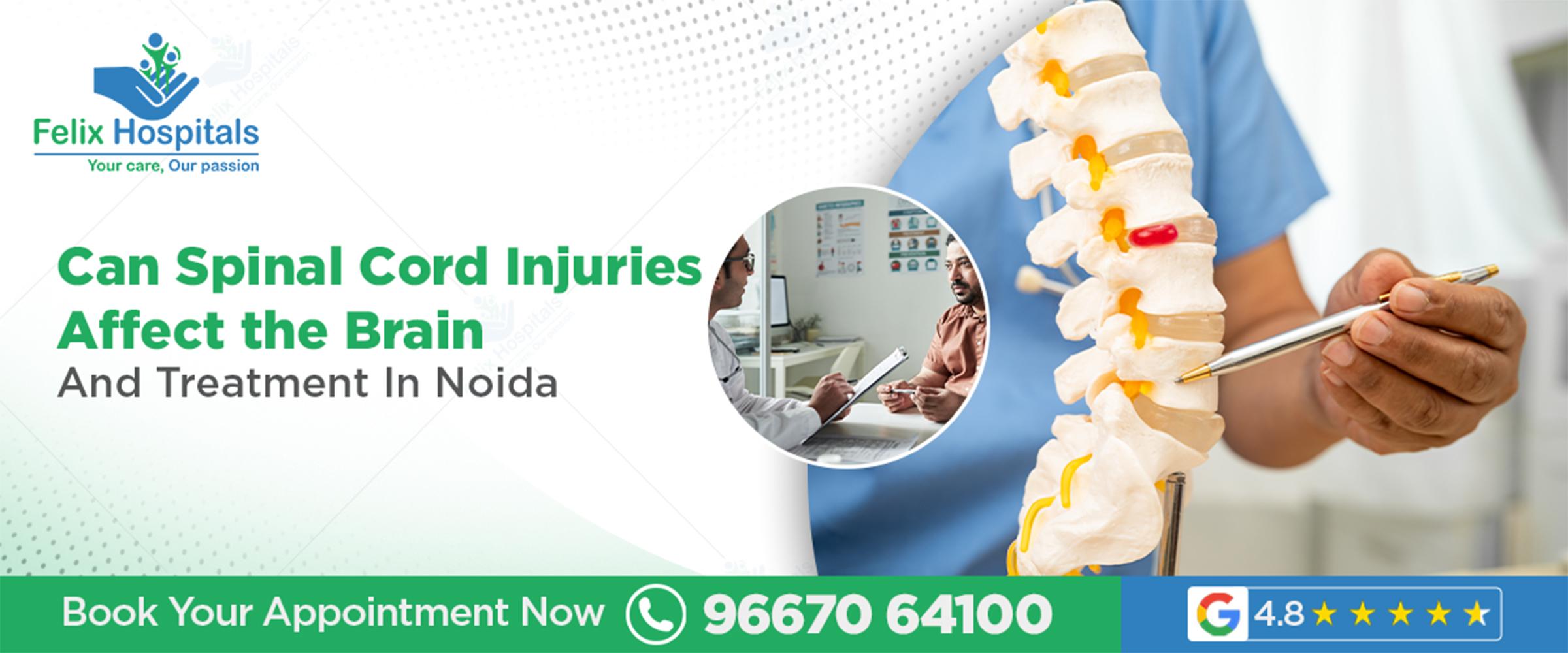
Spinal cord injuries are known for causing mobility limitations, sensory loss, and long-term neurological challenges. However, many people are unaware that spinal cord damage can also influence brain function in certain situations. Families seeking clarity often ask, “Can spinal cord injury affect the brain?” Understanding this connection is important for early intervention, better recovery, and safer rehabilitation.
For families searching for specialised neuro-rehabilitation, choosing the right spinal injury hospital in Noida ensures timely care and proper evaluation. This blog explains the relationship between the spine and the brain, the complications that may arise, and treatment options available in Noida.
Don’t ignore spinal injury symptoms—consult Noida’s spine specialists today at +91 9667064100 or email [email protected].
The central nervous system consists of the brain and spinal cord working together as one unit. Any disruption in one part can impact the other. When exploring how spinal injuries impact the brain, it’s essential to understand that the spinal cord carries electrical signals between the brain and the body.
If the spinal cord suffers trauma, reduced communication, inflammation, blood flow changes, or nerve degeneration may indirectly affect the brain.
Key Ways a Spinal Cord Injury May Influence Brain Health
When nerve pathways are damaged, the brain receives altered or incomplete information. Over time, this can lead to functional changes.
A severe spinal injury can trigger an inflammatory response that may extend toward the brain. This is one recognized neurological effect of spinal cord injury, especially in high-impact trauma cases.
Limited movement, pain, and emotional distress affect how the brain processes signals, sometimes causing confusion, memory issues, or trouble concentrating.
After a spinal injury, the brain tries to “rewire” itself to adapt. In some patients, this helps recovery. In others, this altered activity may lead to complications.
Understanding the connection between spinal cord injury and brain function helps explain why some patients report:
Mood disturbances
Cognitive fatigue
Difficulty processing sensory inputs
Trouble maintaining alertness
Changes in emotional regulation
These issues often happen because spinal trauma affects how signals travel between the body and brain. In cases of upper spinal cord injuries—especially cervical injuries—the likelihood of brain-related effects may increase.
Another important aspect is the risk of reduced oxygen flow to the brain due to autonomic disturbances after spinal trauma. This is one reason why close neurological monitoring is essential.
Although the spinal cord and brain are separate structures, they are tightly interconnected. Some patients may develop secondary complications such as:
This may appear as difficulty concentrating, reduced memory, or slower thinking. It is often linked to chronic pain, disrupted sleep, or changes in neural signaling.
When the nerve pathways between the brain and spinal cord malfunction, patients may feel pain even without injury to the affected body part.
This impacts blood pressure, heart rate, and body temperature—factors that indirectly affect brain function as well.
Depression, anxiety, and emotional instability may develop due to neurochemical changes.
These brain complications after spinal cord injury highlight why early assessment and long-term neurological follow-up are essential.
The spine functions like a communication highway. After a spinal cord injury, the brain often compensates by adjusting signaling patterns. This can create:
Overactive brain regions
Underactive motor areas
Altered sensory perception
Studies show that long-term spinal injury patients may experience measurable changes in brain structure, especially in areas responsible for movement and sensation. This reinforces that spinal injuries are not isolated—they can affect the brain’s functioning more than previously understood.
A detailed evaluation may include:
To assess memory, alertness, balance, movement coordination, and sensory feedback.
Used to detect inflammation, compression, or secondary complications affecting the brain or spinal cord.
Such as EEG or evoked potentials to analyze electrical activity in both the brain and spinal cord.
Psychological and Cognitive Screening
To understand the emotional and cognitive impact of the injury.
Treatment focuses on preventing complications, improving mobility, and protecting both spinal and brain health. Modern spinal cord injury treatment in Noida aims at restoring function and maintaining independence.
Immediate stabilization to prevent worsening of spinal and brain complications.
Anti-inflammatory drugs, neuroprotective medicines, and pain-relief therapies are used depending on the injury level.
Surgeons may recommend:
Spinal decompression
Stabilisation and fusion surgeries
Removal of bone fragments or herniated discs
Repair of spinal fractures
Realignment procedures
These surgeries help relieve pressure on the spinal cord, restore stability, and reduce the risk of long-term neurological problems.
Physiotherapy and occupational therapy help improve strength, balance, and motor skills. Rehabilitation also supports cognitive recovery when brain pathways have been affected.
Counselling helps manage emotional strain, depression, and behavioural changes linked with long-term spinal injuries.
Felix Hospital in Noida offers structured rehabilitation and multidisciplinary care, with a strong focus on long-term neurological recovery.
Don’t ignore spinal injury symptoms—consult Noida’s spine specialists today at +91 9667064100 or email [email protected].
Spinal cord injuries do not just affect movement—they can also influence how the brain processes information, regulates mood, and adapts to stress. Understanding the neurological effects of spinal cord injury helps families take timely action and choose the right care pathway. For people looking for dedicated evaluation and recovery support, selecting a specialized spinal cord injury doctor in Noida ensures proper treatment, surgical care, and long-term rehabilitation. Facilities like Felix Hospital provide coordinated neurological, surgical, and rehabilitative care designed to support the best possible recovery outcomes.
Q. 1. Can a spinal cord injury affect the brain?
Ans. Yes, severe spinal injuries can indirectly impact brain function by altering nerve signals or causing inflammation.
Q. 2. How do I know if my spinal injury is affecting my brain?
Ans. Symptoms like confusion, mood changes, or memory issues should be evaluated by a neurologist.
Q. 3. Do all spinal cord injuries need surgery?
Ans. No, surgery is recommended only when there is compression, instability, fractures, or risk of neurological deterioration.
Q. 4. Can rehabilitation improve both spinal and brain-related symptoms?
Ans. Yes, comprehensive rehabilitation supports motor recovery and cognitive health.
Q. 5. Is long-term monitoring important after a spinal injury?
Ans. Absolutely—ongoing follow-ups help detect neurological changes early and prevent complications.
Recognizing neurological warning signs early can be life-saving. Learn when symptoms like frequent headaches, dizziness, memory loss, or numbness mean it’s time to consult a neurologist.
Neurological disorders impact the brain, spine, and nerves, causing symptoms like headaches, seizures, or memory loss. Discover causes, treatments, and expert advice for better neurological care and management.


Subscribe to our
© Copyright 2026. All Rights Reserved by Felix Healthcare Private Limited
Design and development by :


 +(91)9667064100
 Emergency : +(91)9667064100