 Emergency:
  WhatsApp

Subscribe to our
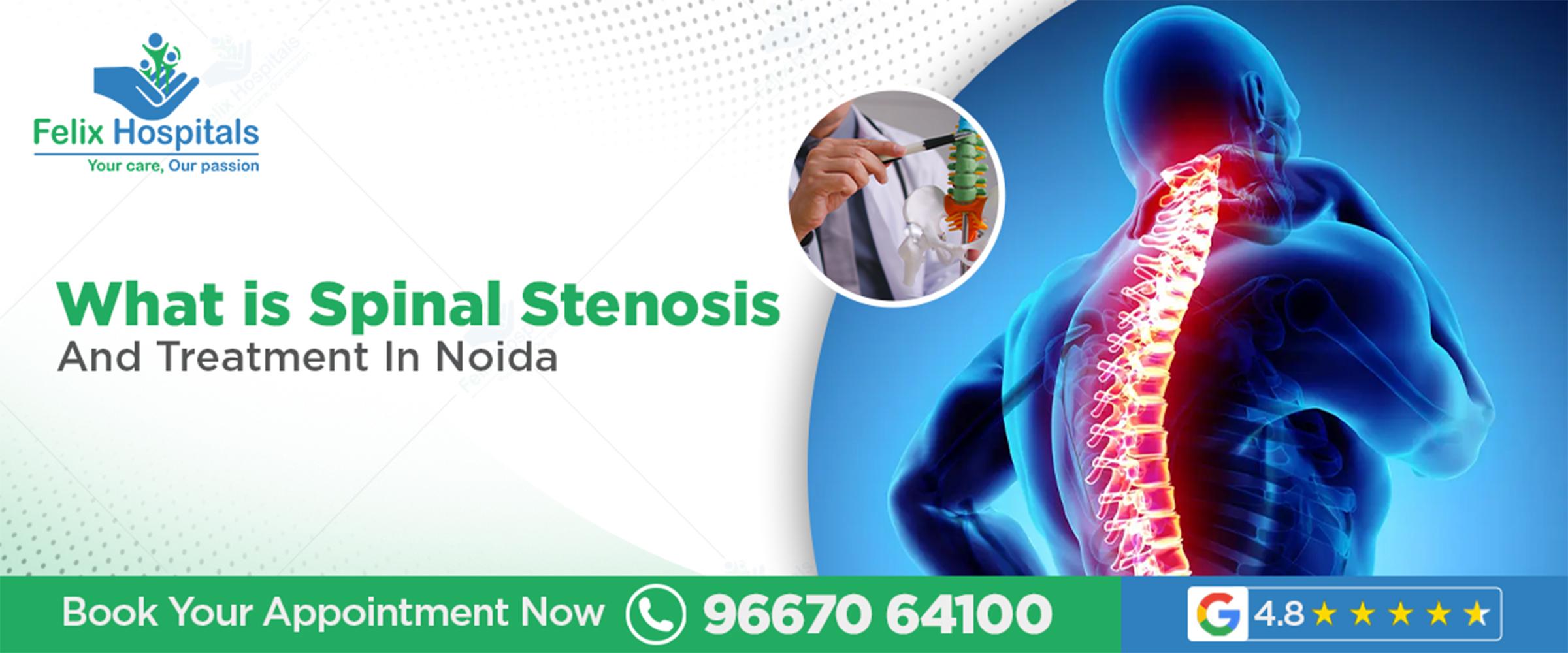
As people age or spend years sitting for long hours, many begin to notice stiffness, numbness, or discomfort in the back, neck, or legs. While these symptoms are often dismissed as “regular back pain,” they can sometimes indicate spinal stenosis—a condition where the spinal canal becomes narrow and begins to press on the nerves.
In India, especially among adults above 50, lifestyle patterns such as prolonged sitting, lack of exercise, and poor posture have made spine-related concerns increasingly common. Early diagnosis makes all the difference, which is why consulting a spine specialist at a reputed spinal injury hospital in Noida is essential if back pain persists or leg numbness becomes frequent.
Today, Noida’s advanced medical hospital offer both non-surgical and minimally invasive treatment options, helping patients regain mobility and return to a pain-free life.
For expert spine care, call +91 9667064100.
Spinal stenosis refers to the narrowing of the spinal canal—the hollow space within the vertebrae through which nerves and the spinal cord pass. As this space narrows, nerves may get compressed, causing pain, tingling, numbness, or weakness.
It most commonly occurs in:
Lumbar spine (lower back)
Cervical spine (neck)
Although some individuals remain symptom-free for years, spinal stenosis often progresses gradually, especially without treatment.
Spinal stenosis usually occurs due to age-related wear and tear. Over time, the structures of the spine—discs, ligaments, joints, and bones—begin to degenerate and reduce space inside the spinal canal.
Lifestyle patterns in India such as prolonged sitting, poor posture, heavy lifting, and limited physical activity further increase the risk of narrowing.
Common causes include:
Wear and tear leads to arthritis, thickened ligaments, and reduced spinal space.
Extra bone growth due to arthritis compresses nerves.
When discs bulge or rupture, they extend into the spinal canal.
Ligaments become stiff and enlarged over time.
Accidents or falls may compress spinal nerves.
Some people are born with naturally narrow spinal spaces.
These factors often combine, accelerating the progression of spinal stenosis—particularly in older adults.
Occurs in the neck region; can affect hand function, balance, and even bowel/bladder control.
The most common form; affects lower back and legs.
Symptoms depend on the area affected:
Cervical Spinal Stenosis
Neck pain and stiffness
Tingling or numbness in hands and arms
Coordination or balance issues
Difficulty walking
In severe cases: bladder or bowel dysfunction
Lower back pain while standing or walking
Leg cramps or weakness
Relief when bending forward or sitting
Numbness radiating to buttocks or legs
If these early signs of spinal stenosis appear, immediate evaluation by a specialist providing spinal stenosis treatment in Noida is strongly advised.
If untreated, spinal stenosis may cause:
Permanent nerve damage
Difficulty walking
Chronic pain
Loss of hand coordination
Bladder or bowel dysfunction
Progressive weakness in arms or legs
Early diagnosis prevents long-term disability.
Diagnosis typically includes:
Your doctor evaluates pain, posture, flexibility, gait, and nerve function.
X-ray: Detects bone spurs and degenerative changes
MRI: Best for viewing nerves, discs, and soft tissue
CT or CT Myelogram: Helps when MRI isn’t possible
Accurate spinal stenosis diagnosis helps determine the severity and choose the right treatment approach.
Yes. Mild to moderate spinal stenosis can often be managed without surgery. Lifestyle changes, medications, and physiotherapy significantly reduce symptoms.
NSAIDs for pain
Gabapentin for nerve pain
Mild muscle relaxants
Short-term steroids to reduce inflammation
Strengthens back muscles, improves posture, and increases spine flexibility.
Maintain healthy weight
Use ergonomic chairs
Avoid prolonged sitting
Engage in low-impact exercise (walking, swimming)
Provide temporary relief from inflammation but are not a permanent solution.
If symptoms persist despite conservative care, surgical options are considered.
Surgery is recommended when nerve compression becomes severe or affects mobility.
Common procedures include:
Removal of lamina (back part of vertebra) to reduce pressure.
Partial removal of lamina in the affected area.
Fusing vertebrae to stabilize the spine.
Modern spinal stenosis treatment in Noida offers minimally invasive surgeries with quicker recovery and less discomfort.
To ensure smooth recovery:
Follow prescribed physiotherapy exercises
Avoid heavy lifting
Maintain correct posture
Sleep on a firm mattress
Eat a nutritious diet for bone and muscle healing
Consistent follow-up with a spine specialist helps maintain long-term spinal health.
In India, supportive therapies may help relieve symptoms when combined with medical treatment:
Yoga for spinal flexibility (supervised)
Ayurvedic massages
Acupuncture
Chiropractic care by certified professionals
These offer relief but should never replace medical treatment.

Dr. Shishir Pandey is a Consultant Neurologist in Noida with over five years of experience, skilled in diagnosing and managing a wide range of neurological conditions while providing expert emergency, inpatient, and outpatient care.
Spinal stenosis can limit mobility and affect daily life, but timely diagnosis and expert care can help you live actively again. Whether through physiotherapy, medication, or minimally invasive surgery, effective relief is possible when managed early.
If you or your loved one experiences persistent back or leg pain, numbness, or difficulty walking, visit a specialist at a trusted spinal cord injury doctor in Noida for a personalized treatment plan.
For appointments or guidance, call +91 9667064100.
Q1: What is spinal stenosis?
A: Spinal stenosis is a condition where the spinal canal narrows, putting pressure on the spinal cord and nerves, leading to pain, numbness, or weakness.
Q2: Why does spinal stenosis occur?
A: It occurs due to age-related degeneration, herniated discs, thickened ligaments, bone spurs, spinal injuries, or congenital narrow spinal canal.
Q3: How is spinal stenosis diagnosed?
A: Doctors use physical exams, X-rays, MRI, and CT scans to determine the location and severity of nerve compression.
Q4: What are the common symptoms of spinal stenosis?
A: Symptoms include back or neck pain, leg or arm pain, numbness, tingling, muscle weakness, and difficulty walking or maintaining balance.
Q5: How is spinal stenosis treated?
A: Treatment options include medications, physiotherapy, lifestyle modifications, spinal injections, and advanced surgical interventions like minimally invasive or robotic-assisted surgery.
Q6: How long does spinal stenosis treatment take?
A: Non-surgical treatments may take weeks to months, while surgical recovery usually ranges from a few weeks to a few months depending on the procedure.
Q7: What is the cost of spinal stenosis treatment in Noida?
A: Costs vary based on severity, type of treatment, hospital facilities, and whether advanced surgical technologies like robotic-assisted surgery are used.
Q8: What are the risks of spinal stenosis surgery?
A: Risks include infection, bleeding, nerve injury, or recurrence, though advanced technology and experienced surgeons significantly reduce complications.

Orthopedics is a specialized branch that takes care of your musculoskeletal problems related to joints, bones, muscles, spine, ligaments, and tissues.

Sciatica Nerve Pain can cause sharp, shooting pain that radiates from the lower back to the legs. It often results from a herniated disc or spinal issues pressing on the sciatic nerve.
Get expert care for sciatica surgery in Noida. Learn about procedures, types, treatment options, and risk factors to ensure safe recovery.


Subscribe to our
© Copyright 2026. All Rights Reserved by Felix Healthcare Private Limited
Design and development by :


 +(91)9667064100
 Emergency : +(91)9667064100