 Emergency:
  WhatsApp


Subscribe to our
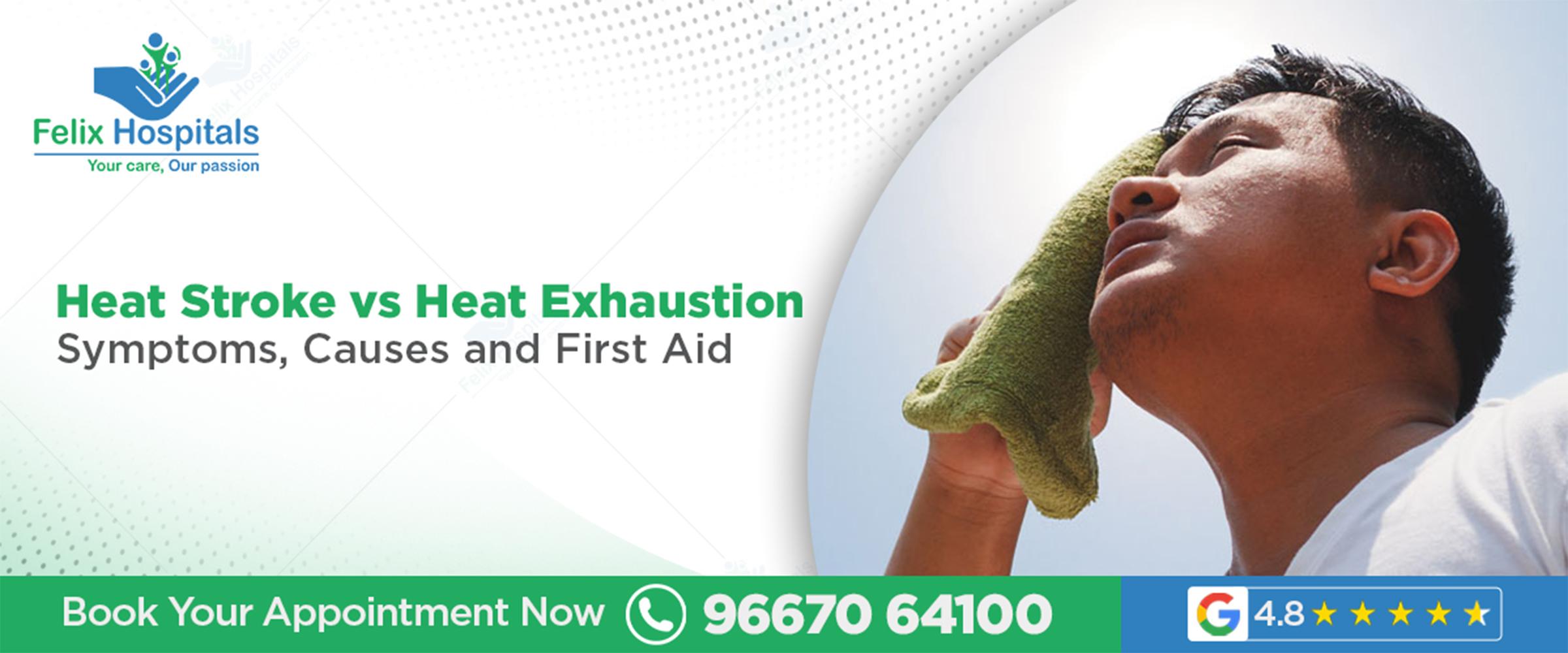
Extreme heat can be dangerous, especially during peak summer months when temperatures soar and humidity levels rise. Heat-related illnesses are becoming more common due to climate change, urban heat islands, and outdoor lifestyles. Two of the most serious heat illnesses are heat exhaustion and heat stroke. While both occur due to prolonged heat exposure, heat stroke is a life-threatening emergency that requires immediate medical care.
Getting early treatment from the Best General physcian Hospital In Noida and consulting the Best General physcians In Noida can prevent serious complications. This detailed guide explains symptoms, causes, risk factors, treatment, prevention, and emergency care in easy language.
The human body maintains a normal temperature of around 37°C (98.6°F). During hot weather, sweating helps cool the body. However, excessive heat and dehydration can overwhelm this cooling system, leading to heat-related illness.
Heat exhaustion is an early warning stage. Heat stroke is the severe and life-threatening stage.
Understanding Key Differences Between Heat Stroke and Heat Exhaustion helps people respond quickly and correctly.
Feature | Heat Exhaustion | Heat Stroke |
Severity | Moderate | Life-threatening |
Body Temperature | 37–40°C | Above 40°C |
Sweating | Heavy sweating | Dry or minimal sweating |
Consciousness | Weak but alert | Confusion or unconscious |
Medical Emergency | Sometimes | Always emergency |
Many people first experience What Is Heat Exhaustion? during prolonged exposure to hot environments. It happens when the body loses excessive water and salt through sweating.
Heat exhaustion usually develops gradually and acts as a warning sign that the body is struggling to cool itself.
Common triggers include outdoor work, long sun exposure, dehydration, and high humidity.
Understanding What Is Heat Stroke? is critical because it is a medical emergency that can cause organ damage and death.
Heat stroke occurs when the body temperature rises above 40°C and the cooling system stops working. The brain, heart, kidneys, and muscles can be damaged within minutes. Immediate medical help is essential.
There are several Common Causes of Heat-Related Illness that increase the risk during summer:
High temperatures and humidity
Dehydration
Strenuous outdoor work
Wearing tight or dark clothing
Lack of ventilation
Heat waves and climate change
Urban cities are at higher risk due to concrete heat retention.
Recognizing Symptoms of Heat Exhaustion early can prevent progression to heat stroke.
Common signs include:
Heavy sweating
Weakness or fatigue
Dizziness or fainting
Headache
Nausea or vomiting
Muscle cramps
Cold, pale, clammy skin
Fast but weak pulse
If treated early, recovery is usually quick.
Knowing Symptoms of Heat Stroke can save lives. Symptoms may appear suddenly.
Warning signs include:
Body temperature above 40°C
Hot, red, dry skin
Confusion or disorientation
Slurred speech
Loss of consciousness
Rapid strong pulse
Heat stroke is a life-threatening emergency.
Certain groups are more vulnerable. Understanding Who Is at Higher Risk? helps with prevention.
High-risk individuals include:
Elderly people
Infants and children
Pregnant women
Outdoor workers
Athletes
People with heart disease or diabetes
People taking diuretics or BP medicines
Cities with intense heat waves report the highest cases.
Untreated heat exhaustion can quickly progress into heat stroke. When dehydration worsens and sweating stops, the body temperature rises rapidly.
This transition can happen within minutes during extreme heat.
Immediate care is crucial. First Aid for Heat Exhaustion includes:
Move person to a cool shaded place
Loosen tight clothing
Give cool water or ORS
Apply cool wet cloths
Use fans or air conditioning
Encourage rest
Symptoms usually improve within 30 minutes.
Knowing First Aid for Heat Stroke can save a life before medical help arrives.
Emergency steps:
Call ambulance immediately
Move to cool place
Remove excess clothing
Apply ice packs to neck, armpits, groin
Pour cool water on body
Fan continuously
Do NOT give fluids if unconscious.
Understanding When to Seek Emergency Medical Help is critical.
Call emergency services if:
Body temperature above 40°C
Confusion or unconsciousness
Seizures
No improvement after cooling
Persistent vomiting
Delays can lead to organ failure.
Untreated heat stroke can cause:
Brain damage
Kidney failure
Liver failure
Heart complications
Muscle breakdown
Death
Early treatment saves lives.
Prevention is the best strategy. Following Prevention Tips to Avoid Heat Stroke and Heat Exhaustion can reduce risk significantly.
Important steps:
Avoid direct sunlight (12–4 PM)
Wear light cotton clothes
Use sunscreen
Stay indoors during heat waves
Take frequent breaks
Proper fluid intake is essential. Following Hydration and Safety Tips During Summer helps maintain body temperature.
Hydration tips:
Drink 3–4 liters of water daily
Include ORS and coconut water
Avoid alcohol and caffeine
Eat water-rich fruits
Never wait until thirsty
Dehydration is the main trigger for heat illness.
Children overheat faster than adults. Ensure:
Regular water intake
Avoid outdoor play during peak heat
Never leave child in parked car
Use hats and sunscreen
Older adults sweat less and feel thirst later. Family members should:
Monitor hydration
Ensure cool indoor environment
Encourage frequent rest
Watch for confusion or dizziness
Outdoor workers must take precautions:
Scheduled hydration breaks
Shade and rest areas
Protective clothing
Rotating work shifts
Employers must ensure heat safety.
Athletes are at risk during summer workouts.
Safety tips:
Exercise early morning or evening
Hydrate before and after workout
Take breaks every 20 minutes
Watch for dizziness or cramps
Global temperatures are rising, increasing heat waves worldwide. Heat illness cases are rising every year, making awareness essential.
Repeated heat exposure may cause:
Chronic kidney disease
Reduced exercise tolerance
Heart stress
Heat intolerance
Prevention is crucial for long-term health.
Heat exhaustion and heat stroke are preventable but potentially dangerous conditions. Recognizing early symptoms, providing immediate first aid, and staying hydrated can save lives. Heat stroke is a medical emergency that requires immediate treatment, while heat exhaustion is a warning sign that should never be ignored.
Seeking timely care at the Best General physcian Hospital In Noida and consulting the Best General physcians In Noida ensures expert treatment and recovery. Stay aware, stay hydrated, and protect yourself and your family during extreme summer heat.
Yes, if untreated, heat exhaustion can quickly progress to heat stroke, which is life-threatening.
Most people recover within 24–48 hours with rest and hydration.
It can be fatal if not treated immediately. Emergency care is essential.
Water, ORS, coconut water, and electrolyte drinks are best.
Stay hydrated, keep rooms ventilated, avoid afternoon sun, and wear light clothing.
Dr. Anshumala Sinha is an experienced Internal Medicine and Diabetology specialist with 20+ years of practice. She specializes in diabetes management, infectious diseases, fever treatment, hypertension, cholesterol control, weight management, and trauma care. Recognized among the Best General Physicians in Noida, she provides comprehensive and patient-focused medical care.
Nobody likes to know that they smell bad. And people generally do not tell you if you smell bad.
Dengue fever cases rise sharply in Noida during the monsoon due to increased mosquito breeding. Learn the causes, risks, and prevention tips to stay safe.
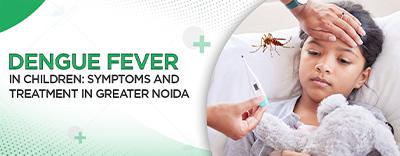
Learn about dengue fever in children, its common symptoms, and effective treatments available in Greater Noida. Get expert pediatric care to manage dengue safely and prevent complications.


Subscribe to our
© Copyright 2026. All Rights Reserved by Felix Healthcare Private Limited
Design and development by :


 +(91)9667064100
 Emergency : +(91)9667064100