 Emergency:
  WhatsApp


Subscribe to our
High blood pressure, or hypertension, is often called a silent killer because it can quietly damage your body for years before any symptom appears, and the complications of high bp that go untreated can affect the heart, brain, kidneys, eyes, and blood vessels at the same time. This guide explains, in plain language, why ignoring elevated readings is risky, which organs are most vulnerable, and the warning signs that should never be brushed aside.
Most people who develop a hypertension problem feel completely normal, which is exactly what makes the condition so deceptive. Because there are often no early symptoms, many of the serious dangers of high blood pressure only become obvious once an organ has already been harmed. Understanding what happens high blood pressure goes untreated can be the difference between catching the issue early and facing an avoidable emergency later in life.
Blood pressure is the force your circulating blood exerts against the walls of your arteries. It is written as two numbers, for example 120/80 mmHg. The top number (systolic) is the pressure when your heart beats, and the bottom number (diastolic) is the pressure when your heart rests between beats. When these numbers stay elevated over time, the constant strain begins to wear down the arteries and the organs they supply.
A single high reading does not mean you have hypertension. Doctors usually confirm a diagnosis using multiple readings on different days, and sometimes a 24-hour ambulatory monitor or home readings. What matters most is the pattern over weeks, not a one-off spike after a stressful commute or a cup of strong coffee. Once a sustained pattern is confirmed, the goal of treatment is simply to keep the pressure in a safe range so that the slow, silent damage never gets a chance to build up.
Not all raised readings carry the same meaning, and understanding the different types of blood pressure problems helps explain why your doctor may treat two people very differently. Blood pressure is grouped into categories that range from normal to a genuine emergency, and the higher the category, the greater the long-term risk to your organs.
Blood pressure categories and what they mean
Category | Systolic (mmHg) | Diastolic (mmHg) | What It Generally Means |
Normal | Below 120 | and below 80 | Healthy range; continue routine checks |
Elevated | 120 to 129 | and below 80 | Early warning; lifestyle changes advised |
Stage 1 hypertension | 130 to 139 | or 80 to 89 | Often needs lifestyle changes, sometimes medication |
Stage 2 hypertension | 140 or higher | or 90 or higher | Usually needs medication plus lifestyle changes |
Hypertensive crisis | Higher than 180 | and/or higher than 120 | Emergency; seek immediate medical care |
Beyond these categories, there are also distinct types of blood pressure problems such as primary (essential) hypertension, which builds up gradually with no single identifiable cause, and secondary hypertension, which is driven by another condition like kidney disease or a hormonal disorder. There is also white-coat hypertension, where readings spike only in a clinic, and masked hypertension, where readings look normal in the clinic but run high at home. Each pattern is managed slightly differently, which is why self-diagnosis from a single home reading is rarely reliable.
The reason a hypertension problem is taken so seriously is that the damage is cumulative and largely painless until it is advanced. Every extra unit of pressure, sustained over years, forces the heart to pump harder and stiffens the arteries. Knowing what happens high blood pressure remains elevated month after month helps explain why doctors push so firmly for early and consistent control rather than waiting for symptoms.
Untreated hypertension behaves like rust on a pipe. You cannot see it working, but it never stops. The arteries lose their elasticity, tiny tears form on their inner walls, and fatty deposits collect at those damaged points. Over time this narrows the vessels and reduces blood flow to vital organs. This is the core mechanism behind most complications of high bp, and it is why the condition is described as a silent killer rather than a sudden one.
The good news is that this process is largely preventable. When pressure is brought back into a safe range, the strain eases, and the risk of serious complications with hypertension drops substantially. The challenge is that because people feel fine, they often stop taking medication or skip follow-ups, which allows the silent damage to quietly resume.
The clearest way to understand the dangers of high blood pressure is to look at how it affects each major organ system. The relentless pressure does not target one area; it damages every system that depends on healthy blood vessels, which is essentially the whole body.
Major complications with hypertension, organ by organ
Organ System | How High Blood Pressure Harms It | Possible Outcome If Untreated |
Heart | Thickens and stiffens the heart muscle, narrows coronary arteries | Heart attack, heart failure, enlarged heart |
Brain | Damages and weakens brain blood vessels, reduces blood flow | Stroke, mini-strokes, vascular dementia |
Kidneys | Damages the tiny filtering vessels in the kidneys | Chronic kidney disease, kidney failure |
Eyes | Damages the delicate blood vessels in the retina | Blurred vision, retinopathy, vision loss |
Arteries | Stiffens and narrows vessels, encourages plaque and bulges | Aneurysm, peripheral artery disease |
The heart bears the heaviest burden. To push blood against constant high pressure, the heart muscle thickens, which sounds strong but actually makes it stiffer and less efficient. Over time this can lead to heart failure, where the heart can no longer pump enough blood for the body's needs, one of the most serious complications of high bp. The hypertension effects on the coronary arteries also matter: as these vessels narrow and harden, the heart muscle itself is starved of oxygen.
This is the direct link to one of the most feared outcomes. Over years, hypertension can cause heart attack by forcing the heart to overwork while simultaneously damaging and narrowing the very arteries that feed it. When a narrowed coronary artery finally becomes blocked, the result is a heart attack, often the first dramatic sign that a long-ignored hypertension problem existed at all.
The brain is exquisitely sensitive to blood flow, which makes it one of the organs most threatened by untreated hypertension. Persistently high pressure weakens and damages the small vessels that supply the brain, raising the chance of both a clot-based stroke and a bleeding stroke. Because hypertension can cause heart attack and stroke alike, even completely symptom-free readings deserve serious attention rather than reassurance.
Beyond a major stroke, sustained pressure also causes a series of tiny, often unnoticed mini-strokes over the years. These quietly chip away at memory and thinking, contributing to a form of vascular dementia. This slower, hidden damage is one of the under-appreciated complications of high bp that rarely makes headlines but profoundly affects quality of life.
Your kidneys are essentially a dense network of tiny blood vessels that filter waste from the blood. High pressure damages these delicate filters, and as they fail, the kidneys lose their ability to clean the blood properly. To make matters worse, damaged kidneys can themselves push blood pressure even higher, creating a vicious cycle. Among the most serious complications with hypertension, chronic kidney disease and eventual kidney failure rank high, sometimes ending in the need for dialysis.
The retina at the back of your eye contains some of the smallest blood vessels in the body, and they reveal hypertension damage early. This is why an eye doctor can sometimes spot a hypertension problem before you have any other symptom. Untreated, the hypertension effects on the eyes can progress to bleeding, swelling, and even permanent vision loss.
Across the rest of the body, the larger arteries stiffen and develop weak, bulging sections called aneurysms, which can rupture. Narrowed arteries in the legs cause peripheral artery disease, leading to pain and poor wound healing. These widespread complications with hypertension show why the condition is treated as a whole-body threat rather than a heart-only concern.
If there is one message to remember about the dangers of high blood pressure, it is the strong link to heart attacks and strokes. These two events are leading causes of death and disability worldwide, and uncontrolled blood pressure is one of their most important and most preventable causes. The mechanism is consistent: damaged, narrowed arteries are far more likely to become blocked or to burst.
Heart attacks and strokes can feel sudden, but the underlying damage usually took years to build. That is why managing the high blood pressure risks early, while you still feel perfectly well, is so powerful. Every year that pressure is kept in a safe range is a year of reduced strain on the arteries and a lower lifetime chance of these catastrophic events. Acting early is one of the most effective things a person can do for long-term health.
While most damage from hypertension is slow, there is also an acute emergency to know about. When a reading climbs above roughly 180/120 mmHg, it counts as dangerously high blood pressure and may signal a hypertensive crisis. At this level, blood vessels can be damaged within hours rather than years, and the situation needs urgent medical attention rather than a wait-and-watch approach.
A hypertensive crisis can be silent, but it often comes with alarming symptoms. Severe headache, chest pain, shortness of breath, blurred vision, confusion, or nosebleeds alongside dangerously high blood pressure are a medical emergency. If you ever record such a reading with these symptoms, treat it as urgent and seek immediate care.
Warning signs of a hypertensive emergency
Warning Sign | Why It Matters | What To Do |
Reading above 180/120 mmHg | Vessels can be damaged within hours | Re-check after 5 minutes; if still high, seek care |
Severe or sudden headache | May signal pressure on brain vessels | Seek emergency care promptly |
Chest pain or pressure | Possible strain on the heart | Call for emergency help immediately |
Shortness of breath | Possible heart or lung involvement | Seek emergency care |
Sudden vision change or confusion | Possible stroke or brain involvement | Treat as an emergency; do not wait |
It helps to see how an untreated hypertension problem unfolds over time, because the absence of symptoms in the early stages is precisely what lulls people into inaction. So what happens high blood pressure is simply left alone year after year? The damage accumulates in stages, each one quietly setting up the next.
In the first few years, the arteries begin to stiffen and the heart muscle starts to thicken, all without any noticeable feeling. Over the following years, narrowed vessels reduce blood flow to organs, and early kidney and eye changes may appear on tests before you sense anything. Eventually, after a decade or more of these silent complications of high bp, the risk of a major event such as a heart attack, stroke, or kidney failure rises sharply. This timeline is exactly why doctors do not wait for symptoms before recommending treatment.
Certain factors raise the likelihood of developing serious complications of high bp and make early control even more important. Some of these you cannot change, while others are very much within your influence. Knowing your personal risk profile helps you and your doctor decide how aggressively to act.
Non-modifiable factors include increasing age, a family history of hypertension or heart disease, and certain ethnic backgrounds that carry higher risk. Modifiable factors include excess body weight, a high-salt diet, physical inactivity, smoking, heavy alcohol use, chronic stress, and conditions like diabetes. When several of these stack together, the complications with hypertension tend to appear earlier and progress faster, which is why doctors often address blood pressure alongside cholesterol, blood sugar, and weight all at once.
The encouraging reality is that an untreated hypertension problem is one of the most manageable threats in all of medicine. A combination of consistent lifestyle changes and, when needed, medication can bring most people's pressure back into a safe range and dramatically lower the chance of serious complications with hypertension. The key is consistency, because the benefits only last as long as the control does.
Everyday steps that help lower blood pressure
Step | What To Do | Why It Helps |
Cut back on salt | Limit packaged, fried, and very salty foods | Reduces fluid retention and eases pressure |
Move regularly | Aim for brisk walking or activity most days | Strengthens the heart and relaxes arteries |
Maintain a healthy weight | Lose even a few kilograms if overweight | Each kilogram lost can lower pressure |
Eat more plants | More fruit, vegetables, whole grains, and pulses | Adds potassium and fibre that support vessels |
Limit alcohol and quit smoking | Reduce alcohol; stop tobacco entirely | Both directly raise pressure and damage vessels |
Take medication as prescribed | Never stop on your own, even if you feel fine | Keeps the silent damage from resuming |
Medication deserves a special note. Because the hypertension effects are silent, many people feel that once they feel fine they no longer need their tablets. Stopping medication without medical advice is one of the most common reasons that controlled pressure quietly creeps back up and the underlying organ damage quietly returns. If side effects are a concern, the answer is to discuss alternatives with your doctor, not to quietly stop.
Because hypertension is usually silent, regular checks are the only reliable way to catch it. Please see a doctor if any of the following apply to you, and treat the emergency signs as urgent rather than something to monitor at home.
You have not had your blood pressure checked in the past year, especially if you are over 30 or have a family history
You record consistently high home readings, even without any symptoms
You have been diagnosed but feel your current medication is not controlling your readings
You experience severe headache, chest pain, breathlessness, sudden vision changes, or confusion
You have a reading above 180/120 mmHg, which should be treated as an emergency
You have diabetes, kidney disease, or are pregnant, since blood pressure targets and risks differ in these situations
Regular monitoring is the simplest, cheapest, and most powerful tool against this condition. A reading takes less than a minute, yet it can flag a problem years before any symptom would, giving you the chance to act while the high blood pressure risks are still entirely preventable.
This article offers general, educational guidance, but your ideal plan depends on your readings, your medical history, and any other conditions you may have. The cardiology and internal medicine team at Felix Hospitals can confirm a diagnosis, identify the specific cause behind your raised readings, screen for early organ damage, and build a treatment plan suited to your needs. To book a consultation, call +91 9667064100 and take the first step toward protecting your heart, brain, and kidneys before any silent damage sets in.
Medical Disclaimer: This article is intended for general educational purposes only and does not constitute personalised medical, diagnostic, or treatment advice. It is not a substitute for diagnosis, treatment, or guidance from a qualified physician or cardiologist. Individual risks and treatment needs vary based on your readings, medical history, age, pregnancy status, and coexisting conditions such as diabetes or kidney disease. Always consult your doctor before starting, stopping, or changing any blood pressure medication, and never adjust your dose on your own. If you experience symptoms such as severe headache, chest pain, breathing difficulty, sudden vision changes, confusion, or a reading above 180/120 mmHg, seek emergency medical attention promptly. Felix Hospitals' content is reviewed for general accuracy but cannot account for your individual clinical picture
Yes. This is exactly why it is called a silent killer. Most people with raised blood pressure feel completely normal for years, which is why the condition is so often discovered only after it has already begun to harm an organ. The only reliable way to know your numbers is to measure them regularly.
There is no single danger, but heart attack and stroke are the most serious and most common. Untreated pressure damages and narrows arteries throughout the body, making blockages and ruptures far more likely. The risk is cumulative, building quietly over years before it ever produces a symptom.
The slow damage builds over years, often a decade or more, before a major event occurs. However, a sudden severe spike above 180/120 mmHg is different and can injure blood vessels within hours, which is why such readings are treated as an emergency rather than a routine concern.
Because the damage is silent. Feeling fine does not mean your arteries and organs are safe; it simply means the harm has not yet produced symptoms. Stopping medication when you feel well is one of the most common reasons pressure creeps back up and damage quietly resumes.
For some people with mildly raised pressure, lifestyle changes such as reducing salt, losing weight, exercising, and limiting alcohol can be enough. For others, medication is also needed. Your doctor will decide based on your category, your other risk factors, and how your readings respond to lifestyle changes.
Early, sustained control can bring pressure back into a safe range and dramatically lower your future risk. While many people need ongoing management rather than a one-time cure, catching it early and keeping it controlled prevents most of the serious long-term damage from ever developing.
Both men and women face serious risks, though some factors differ. Pregnancy, certain hormonal changes, and some birth-related conditions can affect blood pressure in women specifically. Anyone who is pregnant or planning a pregnancy should have their pressure monitored closely, since targets and risks differ in these situations.
A reading above roughly 180/120 mmHg is considered a crisis, especially if it comes with severe headache, chest pain, breathlessness, sudden vision changes, or confusion. In that situation, seek emergency care immediately rather than waiting to see whether the reading settles on its own.
Yes. While age and weight raise the risk, hypertension can affect people who are young, slim, and otherwise healthy, sometimes due to family history, salt intake, stress, or an underlying condition. This is why routine checks are recommended for adults regardless of how healthy they look or feel.
Most adults should have it checked at least once a year, and more often if they have raised readings, a family history, or other risk factors. If you have already been diagnosed, your doctor will advise how often to monitor at home so that any change is caught early.
Dr. Abad Khan provides expert care for heart problems, including chest pain, high blood pressure, and other cardiac conditions.
Early diagnosis helps keep your child healthy and safe.
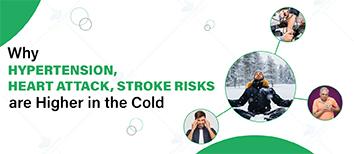
Cold weather affects the body in several ways that can increase cardiovascular risks.

Subscribe to our
© Copyright 2026. All Rights Reserved by Felix Healthcare Private Limited
Design and development by :


 +(91)9667064100
 Emergency : +(91)9667064100