 Emergency:
  WhatsApp

Subscribe to our
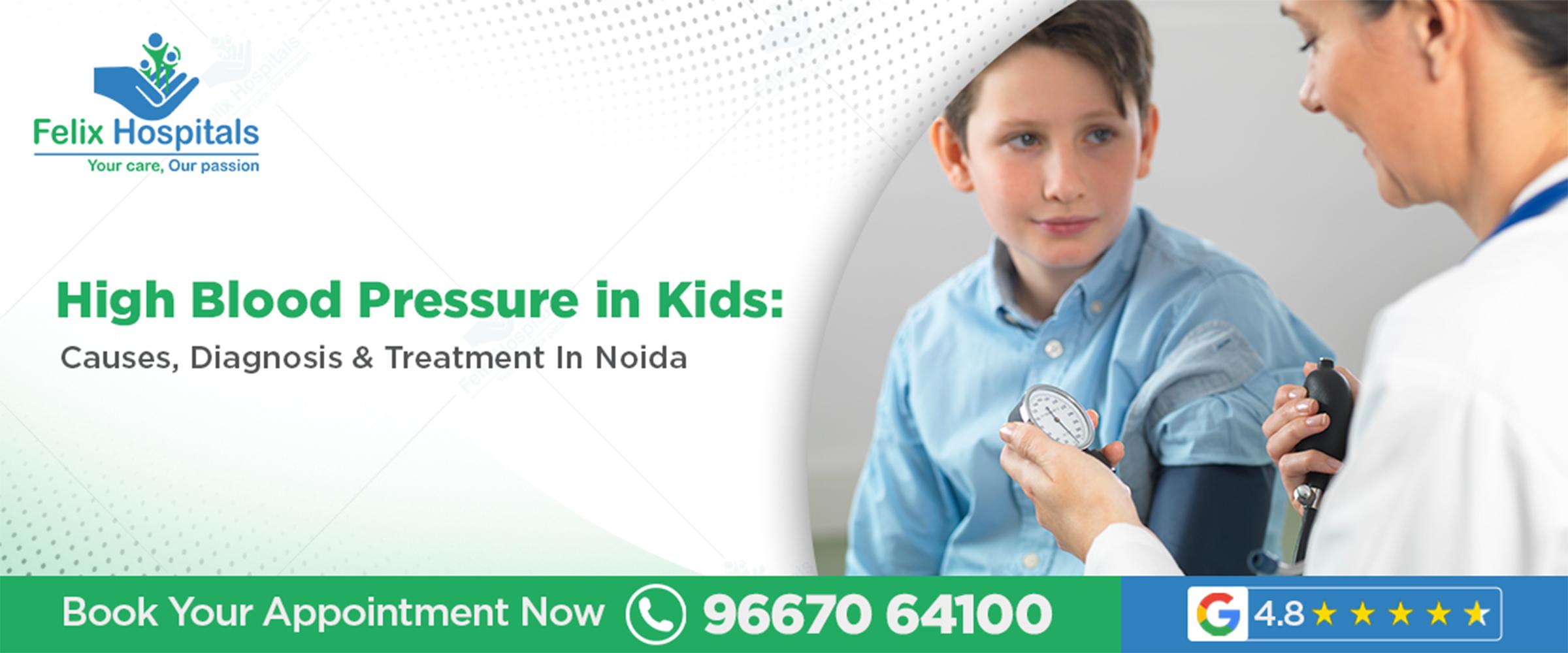
High blood pressure is usually thought of as an adult health issue, but it can affect children and teens, too. A child has high blood pressure when the force of the blood against the artery walls continues to be above normal for that child's age, height, and gender. If undiagnosed, this disease may slowly involve the heart, kidneys, and blood vessels.
Pediatric hypertension is increasing in frequency due to changes in lifestyle, childhood obesity, and underlying diseases. Early detection via a child blood pressure test in Noida can enable diagnosis of the disorder before it leads to serious health troubles.
Noticed headaches, fatigue, or unusual symptoms in your child? Early screening can help detect hidden blood pressure issues. Call +91 9667064100 to schedule a child blood pressure test in Noida.
Hypertension in children is referred to as pediatric hypertension. Blood pressure in children is adjusted for their age, sex, and height and is classified using percentile charts, instead of a single number as in adults. A child has hypertension if their blood pressure readings are persistently above the 95th percentile.
Medical research suggests that hypertension during childhood may predispose to cardiovascular disease in later life. Children with untreated hypertension can have early damage to blood vessels and heart, studies have found.
Knowledge about the causes of hypertension in children allows doctors to determine if it is primary (lifestyle-related) or secondary (due to an underlying disease). The most frequent causes are:
Obesity in children and unhealthy eating habits
Genetic predisposition to hypertension
Renal diseases impacting fluid balance
Endocrine or hormonal disorders
Some blood pressure-altering drugs
These factors can interfere with normal blood circulation and gradually elevate blood pressure levels.
Certain lifestyle and health conditions can raise the risk of high blood pressure in children. Key risk factors include:
Being overweight or obese
Physical inactivity
High amounts of salt in the diet
Family history of cardiovascular disease
Diabetes and other metabolic disorders
Chronic renal disease
Children exposed to multiple risk factors require regular monitoring of blood pressure.
One of the problems with pediatric hypertension is that it is a largely silent disease. Many children might not experience any symptoms noticeable enough for the condition to be considered a severe one. The following are some of the symptoms of high blood pressure in children:
Frequent headaches
Tiredness or weakness
Blurred vision
Nosebleeds
Difficulty concentrating
Shortness of breath with exercise
These symptoms may vary depending on the severity of blood pressure elevation.
Parents need to be alert for warning signs that could signal significant blood pressure problems. A child should be seen for medical evaluation if he or she has:
Headaches or dizziness that won't go away
Chest pain or difficulty breathing
Unexplained tiredness
Sudden loss of vision
Nosebleeds
Timely evaluation helps doctors diagnose hypertension early and prevent complications.
Diagnosis involves multiple measurements and medical evaluation to confirm persistent high blood pressure in children. Doctors may perform the following tests:
Test | Purpose |
Blood Pressure Measurement | Calculates the level of blood pressure using pediatric standards |
Urine Test | Diagnoses renal disease that impacts blood pressure |
Blood Tests | Assesses hormone levels and metabolism |
Echocardiogram | Examines heart structure and function |
Kidney Ultrasound | Detects structural abnormalities of the kidney |
A child blood pressure test in Noida helps identify abnormal readings and guide further evaluation.
Treatment of pediatric hypertension depends on the degree of hypertension and the underlying cause. Early treatment may allow successful control of blood pressure and prevention of chronic damage. Treatment options for this include:
Lifestyle changes for a heart healthier
Dietary changes to reduce salt
Physical activity
Monitoring your blood pressure regularly
Medicines, if your blood pressure is still too high
The child's health condition and age dictate the kind of specialized treatment the doctors create.
Positive lifestyle habits have a strong impact on controlling high blood pressure in kids and promoting heart health. The following lifestyle modifications are recommended:
Promote a daily routine of physical activity
Keep a healthy weight
Avoid processed and salty foods
Eat more fruit and vegetables
Get enough sleep and manage stress
These lifestyle habits support healthy blood pressure levels in children.
Hypertension may lead to several complications of long duration if not treated. It is from knowledge of the complications of childhood hypertension that one can really appreciate the importance of finding it early.Possible complications include:
Enlarged heart from working too hard
Kidney damage from reduced ability to filter
Injury to blood vessels over time
Increased risk of stroke in later adult life
Visual impairment as a result of retinal damage
Frequent follow-up with appropriate intervention can minimize these dangers.
Prevention is aimed at promoting healthy habits from the beginning of life. Prevention includes:
A balanced diet with low sodium
Physical exercise on a regular basis
Reducing screen time
Regular health checks by paediatricians
Monitoring weight and growth
These measures help maintain healthy blood pressure levels during childhood. Early diagnosis can help prevent serious complications of pediatric hypertension. Consult specialists for pediatric hypertension treatment in Noida and accurate child blood pressure tests in Noida. Call +91 9667064100 to schedule your child's health consultation today.
Hypertension in children is a rising health issue that often has no clear symptoms and hence remains undiagnosed. Regular monitoring and vigilance are important to help identify and manage the condition at an early stage, helping prevent long-term complications.
The majority of children with high blood pressure can be treated successfully with early diagnosis, healthy lifestyle habits, and appropriate medical care. Choose Best Pediatricians in Noida for expert guidance and ensure proper heart health and overall well-being for your child.
Doctors typically advise routine blood pressure monitoring beginning at age 3 during regular pediatric visits.
Indeed, excess body mass is a leading cause of pediatric hypertension as it places strain on the heart and blood vessels.
Yes, some medicines are safe and effective for managing hypertension in children when prescribed by a paediatric specialist.
In many cases, lifestyle modifications like a healthy diet, exercise, and keeping weight under control can help blood pressure levels a great deal.
Follow-up frequency depends on the severity of the condition, but generally the advice is to check regularly within a few months.
Dr. Niraj Kumar is an experienced Pediatrician and Neonatology Specialist with 11+ years of expertise in newborn care, childhood illnesses, vaccination, nutrition, and child growth and development.
Learn about high and low blood pressure, their symptoms, causes, and management tips. Stay informed to maintain a healthy heart and overall well-being.

Learn the symptoms, causes, and treatment options for high ESR in females, including expert care available in Noida.
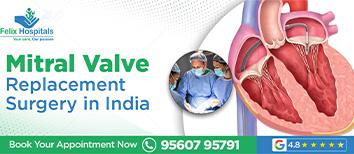
India has emerged as a preferred destination for Mitral Valve Replacement Surgery due to internationally trained cardiac surgeons, modern heart institutes, and outcomes comparable to leading global centres—combined with significantly lower treatment costs


Subscribe to our
© Copyright 2026. All Rights Reserved by Felix Healthcare Private Limited
Design and development by :


 +(91)9667064100
 Emergency : +(91)9667064100