 Emergency:
  WhatsApp



Subscribe to our
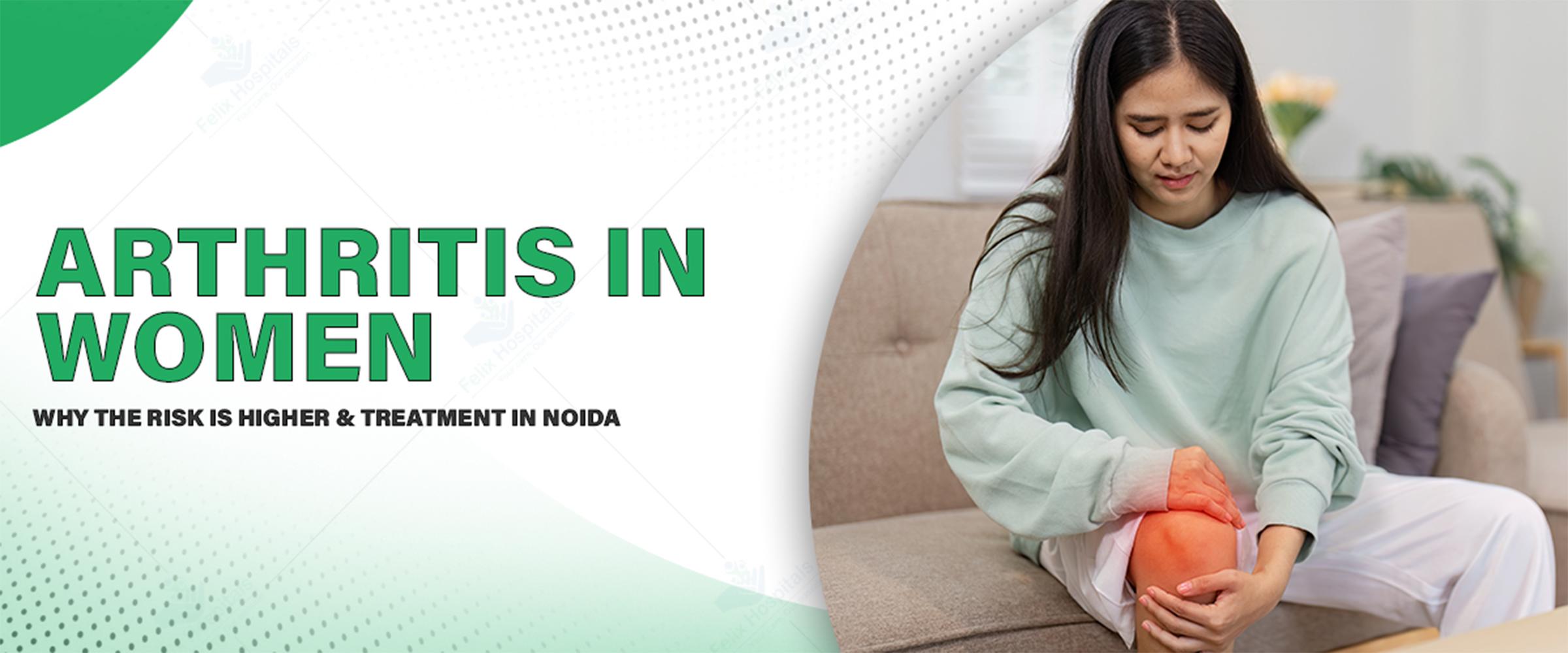
Women are also at greater risk of arthritis because of hormonal changes particularly at menopause, when estrogen levels decline, anatomy (wider hips) and the presence of autoimmune diseases. Arthritis treatment in Noida involves pain treatment, physical therapy, medications, and surgeries, and the particular approaches depend on the arthritis specialists in Noida.
To manage the symptoms of arthritis and get back on your feet, book an appointment at +91 9667064100.
Why are women more at risk of arthritis are because of:
Estrogen decreases inflammation and preserves joint tissues, thus its loss post-menopause promotes the possibility of arthritis.
Women may possess broader hips that may cause more pressure on knee joints and lead to erosion of cartilage.
Why arthritis is common in females is because autoimmune disorders affect women more than men; some, including rheumatoid arthritis and lupus, are forms of arthritis to which women are especially susceptible.
Having a genetic cause arthritis women some types may predispose a woman.
The joints are strained and put at a higher risk of developing arthritis because of excess weight.
Smoking increases the chances of having a rheumatoid disease and may result in the disease being severe.
They may be mild in nature, or severe, and intermittent or chronic, given the symptoms of arthritis are determined by the type of arthritis and autoimmune arthritis gender differences can be seen in women. Signs and symptoms of arthritis are most frequently:
Pain: The pain can be felt at first and it is the most common symptom.
Joint Swelling: Joints that are swollen can be painful.
Stiffness: It is characterized by stiffness which is usually on the mornings or after inactive periods.
Poor Motion Range: 1 able to move the affected joints.
Redness: The overlying skin on the affected joint can turn red.
Warmth and Tenderness: Touch can contribute to the pain or even after any movement.
Fatigue: feeling of all-over fatigue and decreased energy.
The arthritis causes vary according to the type of arthritis, however, the most prevalent ones are:
Autoimmune Response: The autoimmune system attacks the tissues within the body causing diseases such as rheumatoid arthritis.
Genetics: The person has a genetic history of arthritis which increases the risk of developing the disease.
Infections or Metabolic Problems: Certain ones are produced due to metabolic imbalances which cause higher levels of uric acid, such as gout.
Trauma or Excesses: Repetitive activities may cause arthritis risk especially when injuries occur in a joint or a trauma.
Obesity: Obesity places undue burden on weight-bearing joints which leads to the onset of osteoarthritis.
Types of Arthritis
Osteoarthritis (OA): It is the most common of all, and is caused due to wear and tear of the cartilages found within the joints.
Rheumatoid Arthritis (RA): This is an autoimmune disease in which the immune system of a body conducts attacks on the cell that surrounds the joints, causing inflammation.
Juvenile Idiopathic Arthritis (JIA): This is a type of arthritis that affects children and this may lead to permanent joint destruction.
Gout: This is a result of the build-up of the uric acid crystals in the joints, which causes a great deal of pain and swelling.
Psoriatic Arthritis: It is a vehicular disorder that develops in certain individuals with psoriasis and thus causes pain and stiffness of the joints.
Fibromyalgia: A disorder, which presents with extensive musculoskeletal pain, which is commonly associated with arthritis.
Lupus: Autoimmune disease that is long term and may be demonstrated in joints, skin and internal organs.
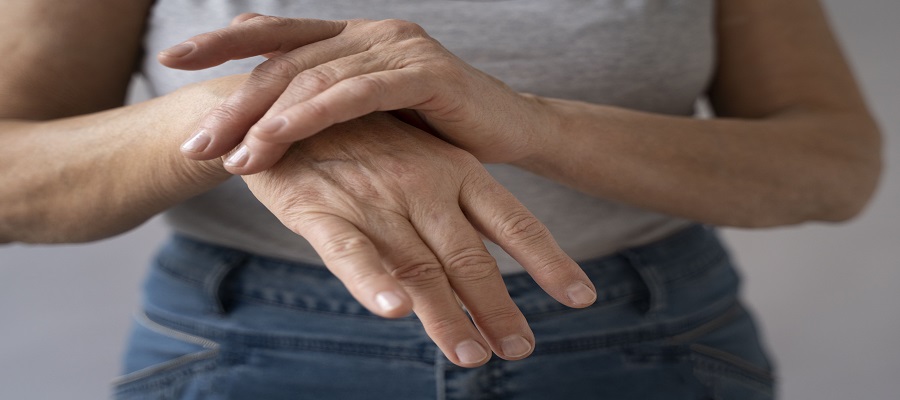
Arthritis requires proper diagnosis in order to be treated. The doctors combine physical examination, lab tests and imaging:
Physical Examination: Evaluations of joint swelling, redness and warmth.
Blood Tests: Can involve C-reactive protein, Uric acid and rheumatoid factor.
Imaging Tests: The damage of joints, inflammation, and deformities may be evaluated using X-rays or MRI scans as well as ultrasound.
Arthroscopy: A procedure that requires an operating small camera to inspect the interior of a joint.
Arthritis treatment is aimed at managing symptoms, enhancing joint function and stopping joint damage. They include drug and lifestyle alternatives as well as surgery in the extreme cases.
NSAIDs: Non-steroidal anti-inflammatory drugs are able to ease pain and decrease inflammation.
Corticosteroids: They can be introduced into a joint to decrease inflammation.
DMARDs: Disease-modifying antirheumatic drugs are used to reduce the course of the autoimmune types such as rheumatoid arthritis.
Topical Creams: Capsaicin or menthol containing cream to reduce pain in the joints.
Physical therapy has a key role to play in the treatment of arthritis through:
Enhancing Flexibility: Range - of -motion exercises.
Strengthening Muscles: The muscles around the affected joints.
Ultrasound & TENS: Methods that help to relieve pain and to enhance movement.
Surgical operation can be the alternative when the conservative modes of treatment do not provide satisfactory relief.
Osteotomy: Removal of the bones that have been damaged and realigned the joint.
Joint Replacement: This involves ensuring that a broken joint is fixed with an artificial prosthesis to allow a normal functioning of the joint and alleviate pain.
Joint Fusion: Fusion of bones to stabilize them or decrease pain, and is typically performed on smaller joints such as ankle or wrist.
There are some lifestyle modifications that can enhance the quality of life of an arthritic patient:
Eating Healthy: Helps relieve weight on weight-bearing joints.
Frequent Exercise: Assists in keeping the joints and body flexible.
Good Posture: Will help to make sure that joints are in the proper position.
Stop Smoking: Smoking may aggravate arthritis and diminish the protection in treatment.
Arthritis is a problematic disorder, but having a proper treatment regimen, patients will be able to cope with the symptoms. When you or a loved one has arthritis treatment in Noida, a specialist should be consulted to consider individual treatment options that have the potential to relieve pain and enhance quality of life.
You don’t want arthritis to slow you down, make a booking of your arthritis treatment in Noida at +91 9667064100.
Find the links below:
Check the links below:
Q1: Is menopause a risk factor of arthritis?
Ans: It is true that a decrease in estrogen levels after menopause increases the susceptibility of joints. Felix Hospital provides women with individualized services in this phase.
Q2: Does Felix Hospital have minimally invasive arthritic treatments?
Ans: Yes, there are other possible alternatives such as joint injection and arthroscopy to be used on selected patients.
Q3: At what time do I think about a joint replacement surgery?
Ans: In case daily activities are restricted deeply by pain and tightness even with medication and therapy, Felix orthopedic surgeons can suggest joint replacement.
Q4: Does arthritis relate to other health issues among women?
Ans: Yes, this can put up the risks of heart disease, osteoporosis as well as depression. Felix experts offer holistic care about general wellness.
Q5: Is managing arthritis solely by modifying the lifestyle?
Ans: Diet exercise and weight loss is a help but at Felix professional medical assistance is the guarantee of long-term relief and joint safety.

Eating a balanced, nutrient-rich Arthritis diet plan can help manage inflammation and reduce symptoms of rheumatoid arthritis.

Learn the causes, symptoms, and treatments of hip osteoarthritis for better joint health.


Subscribe to our
© Copyright 2026. All Rights Reserved by Felix Healthcare Private Limited
Design and development by :


 +(91)9667064100
 Emergency : +(91)9667064100