 Emergency:
  WhatsApp

Subscribe to our
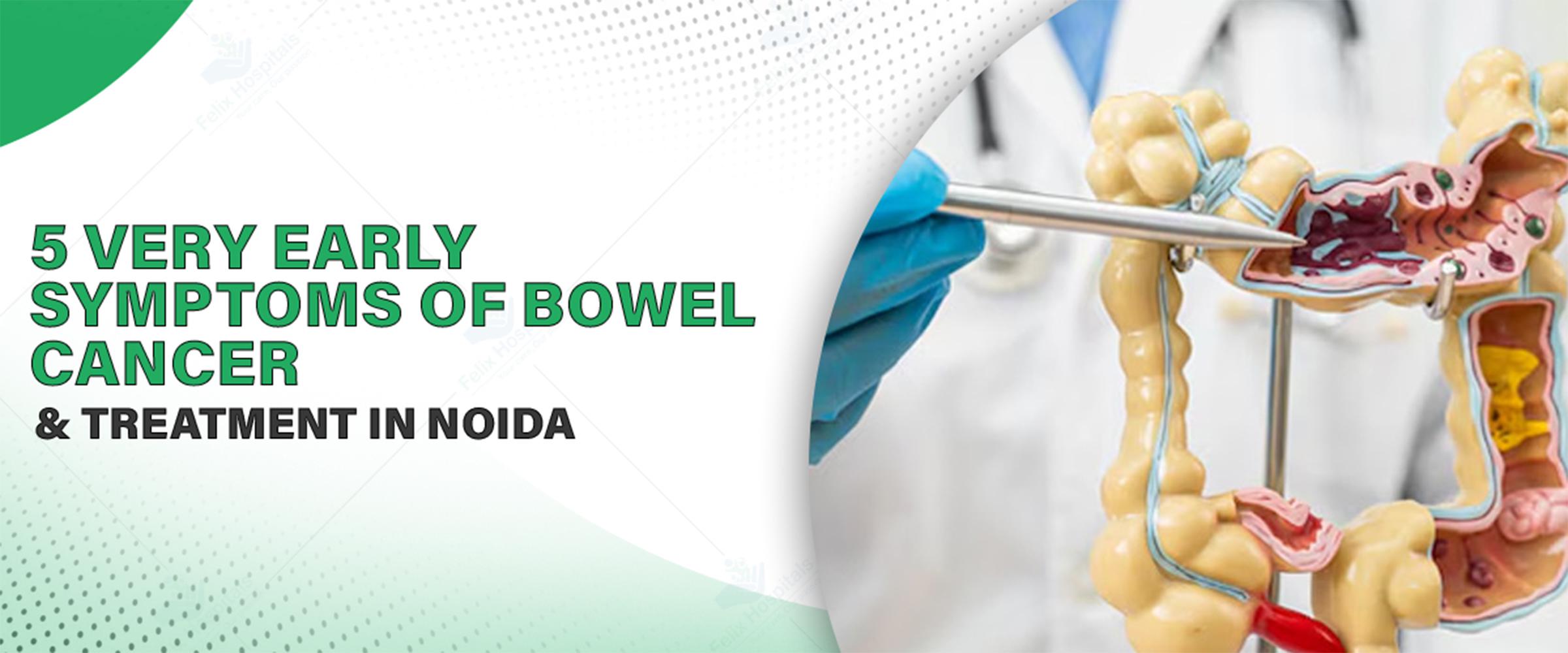
5 very early symptoms of bowel cancer are changes in bowel habits, blood in the stool, persistent abdominal discomfort, fatigue, and unexplained weight loss. If you notice any of these symptoms, timely diagnosis is crucial. Treatment options in Noida, including surgery, chemotherapy, radiation therapy, and targeted therapy, are available at the best hospital in Noida, ensuring comprehensive care and expert management for patients.
Finding things early saves lives— Call +91 9667064100 now to set up your colonoscopy.
The symptoms of bowel cancer and how to detect bowel cancer early can vary depending on the tumor's size and location, and some people may not experience any noticeable signs at first. If early-stage symptoms do appear, they may include:
Persistent change in bowel habits: This can include more frequent diarrhea or constipation, or a change in the consistency or shape of your stool that lasts for more than a few days.
Blood in the stool: The blood may appear bright red, dark red, or black. While other conditions like hemorrhoids can also cause this, any rectal bleeding should be evaluated by a doctor.
Ongoing abdominal discomfort: This includes persistent cramps, gas, pain, or a feeling of bloating.
Unexplained fatigue or weakness: This symptom can result from internal blood loss causing anemia (low red blood cell count), which makes you feel tired even after resting.
A feeling of incomplete emptying: You may feel the need to have a bowel movement even after you have just gone to the toilet.
Detecting bowel cancer early mainly depends on the signs of bowel cancer in early stages typically involves a combination of regular screening tests and recognizing potential symptoms. Many medical societies recommend that people with average risk begin screening at age 45.
These at-home tests are non-invasive and easy to use. They look for signs of blood or altered DNA from cancer or polyp cells in a stool sample.
Fecal Immunochemical Test (FIT): Uses antibodies to detect tiny amounts of hidden blood in the stool. This test is usually done once a year and is more accurate than older versions of the test because it is not affected by food.
Stool DNA Test: Combines the FIT with a test that looks for altered DNA in the stool. This test is typically done once every three years.
These tests allow a doctor to look directly at the inside of the colon and rectum.
Colonoscopy: Considered the "gold standard" for bowel cancer screening. It uses a long, flexible, lighted tube with a camera to examine the entire colon. During the procedure, doctors can remove any precancerous polyps they find. For those at average risk, it is recommended every 10 years.
Flexible Sigmoidoscopy: Similar to a colonoscopy but examines only the rectum and the lower part of the colon. If a polyp is found, a full colonoscopy is still required.
These are newer tests that analyze a blood sample for signs of colorectal cancer. While available, they are typically not yet the first-line screening option recommended by most clinical guidelines.
Your doctor will help you choose the best screening test based on your personal preferences, colon cancer early warning signs, and what you are most likely to follow through with. For individuals at average risk, regular screening is key, even without symptoms. The risk increases with age, so screening typically begins at age 45.
For individuals at higher risk, more frequent screening or starting at an earlier age may be recommended. You are considered higher-risk if you have:
A family history of bowel cancer.
A personal history of inflammatory bowel disease (Crohn's disease or ulcerative colitis).
Certain inherited genetic conditions like Lynch syndrome.
This is one of the most common signs and can involve several changes:
Frequency: You may experience diarrhea or constipation that is not typical for you and lasts for more than a few days.
Consistency: The texture of your stool may change, becoming looser or more narrow than usual.
Urgency: A persistent feeling that you need to empty your bowels, even after you have already gone.
Blood in the stool also known as rectal bleeding
Bleeding should never be ignored, even if it is intermittent
Dark or black stool: Blood from higher up in the bowel can make your stool appear very dark or tarry.
This refers to ongoing or recurring pain or unease in the stomach area and is different from temporary digestive issues.
Cramps, gas, or bloating: These feelings may not go away with home remedies and can be persistent.
Unexplained fatigue and weakness
Due to internal bleeding leading to anemia (a low red blood cell count), which often causes you to feel very tired and short of breath and constant fatigue
Losing a noticeable amount of weight without trying can be an early sign.
This is often accompanied by a loss of appetite.
While these are common early signs, some people may not experience any symptoms in the very early stages. Regular screening, especially if you are over 45 or have a higher risk, is the most effective way to detect bowel cancer early. If you experience any of these symptoms for more than two weeks, consult a doctor.
These procedures provide a direct look at your colon and collect tissue samples for laboratory testing.
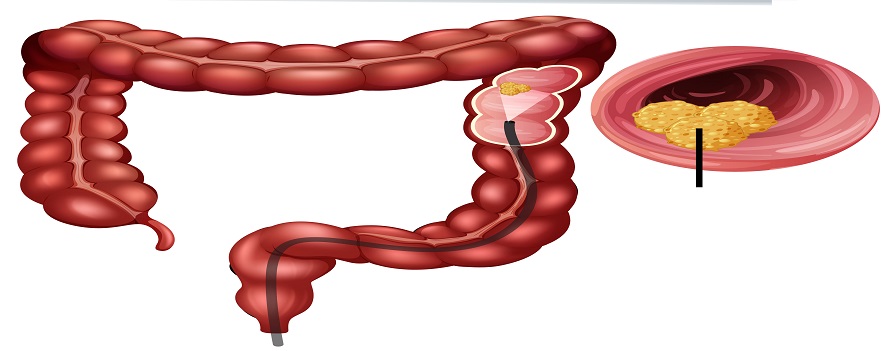
Colonoscopy: This is the most definitive test for diagnosing bowel cancer. A doctor inserts a long, flexible tube with a camera (a colonoscope) into the rectum to view the entire colon.
Biopsy: If any polyps or other abnormal areas are found, the doctor can remove a tissue sample (biopsy) through the colonoscope for testing in a lab.
Flexible sigmoidoscopy: This is just like a colonoscopy only that it does not look beyond the rectum and the lower portion of the colon. In case abnormalities are observed, complete colonoscopy is necessary.
In case there are any suspected or confirmed cases of cancer, the imaging is performed to detect whether it has transferred to other body parts, a procedure known as staging.
CT (Computed Tomography): A CT scan uses specialized x-rays to capture detailed cross-sectional coverage of both the chest, abdomen and the pelvis to determine whether the cancer has spread to the other organs such as the liver or lungs.
MRI (Magnetic Resonance Imaging): MRI scan is a more specific image of the soft tissue achieved through the use of the magnets and radio waves. It is also commonly applied in rectal cancer to determine the extent to which the tumor has penetrated the rectal lining as well as to examine neighboring structures.
PET-CT scan: PET-CT scan may also be used in an advanced case but they are used to determine whether the cancer has spread and they may be used in planning treatment.
Once a biopsy or an operation has been performed, a pathologist will carry out an examination of the tissue to determine the presence of cancer cells. The tissue sample can be tested further in order to determine the particular properties of the cancer.
Molecular and genetic testing: These tests are able to recognize particular gene mutations and other characteristics of the cancerous cells and this will assist your doctor to select the most effective treatment method which may be a targeted therapy or immunotherapy.
The correct diagnosis and the treatment plan should be appropriate, obtained after consulting a qualified healthcare professional.
In Noida, there are several modern hospitals that provide full treatment to bowel (colorectal) cancer. The exact treatment plan that you will be provided will be based on the cancer stage, cancer location and overall health and may include any of the follow-up treatments:
Surgery: Surgery is the most prevalent form of treatment, particularly in case of very early cancer. A surgeon may carry out a local excision (removing the cancer), a colectomy (removing part or the entire colon) or a colostomy (making a hole to pass waste) depending on the tumor. Modern and least invasive methods such as robotic surgery are applied in hospitals. Toxicities of bowel cancer vary with the stages of the sickness, its position, and the health of the patient. Surgical, chemotherapy, radiation, targeted therapy and immunotherapy are all possible options and are commonly used together. These are cutting-edge treatments accessed in Noida in respected hospitals that have a dedicated oncology section.
Bowel cancer is mostly treated through surgery especially during its initial stages. The procedure is different in cases related to the size and location of the tumor:
Polypectomy: When the cancer is limited to a polyp it may be easily excised during a colonoscopy.
Local Excision: Here, a small abdomen can be used to remove the cancer without an extensive abdominal incision to remove small tumors that are in the inner bowel layer (local excision).
Partial Colectomy: This is the removal of the cancerous part of the colon, where a healthy margin and some lymph nodes are amputated. The other parts of the colon are later anastomosed back together (anastomosis).
Colostomy: In some cases, a surgeon may need to create a stoma, an opening in the abdomen, for waste to pass into a bag. This can be temporary, to allow the bowel to heal, or permanent, if the rectum is removed entirely.
Chemotherapy uses drugs to kill cancer cells and may be used at different points in treatment
Adjuvant chemotherapy: Given after surgery to destroy any remaining cancer cells and reduce the risk of the cancer returning.
Neoadjuvant chemotherapy: Given before surgery to shrink a large tumor and make it easier to remove.
Palliative chemotherapy: Used for advanced or metastatic cancer to relieve symptoms and improve quality of life.
Radiation therapy uses high-energy beams to destroy cancer cells. It is more commonly used for rectal cancer than colon cancer and can be given before or after surgery to kill cancer cells.
Targeted therapy uses drugs to attack specific vulnerabilities in cancer cells. It is typically used for advanced bowel cancer and can be given alongside chemotherapy. A molecular test of the tumor cells is often performed to determine if a patient would benefit from these treatments.
Immunotherapy works by harnessing the body's own immune system to fight cancer. It is reserved for advanced bowel cancer and only works for a subset of patients, depending on specific genetic changes in the tumor.
Call +91 9667064100 to make an appointment at one of Noida's best bowel cancer treatment hospitals.
Today, patients have access to advanced bowel cancer treatment in Noida, including minimally invasive surgeries, chemotherapy, radiation therapy, targeted drugs, and immunotherapy. The treatment plan is always personalized, depending on the cancer stage, tumor location, and overall health of the patient. Modern facilities, along with highly trained oncologists, ensure that patients receive world-class care closer to home.
Choosing the right bowel cancer treatment hospital in Noida is crucial, as it provides not only clinical expertise but also comprehensive support through nutrition, counseling, and rehabilitation. With timely diagnosis and the right treatment, many patients are able to overcome bowel cancer and regain a healthy, fulfilling life.
Q1: Can bowel cancer be cured if it is found early?
Ans: Yes, most cases can be cured with surgery and targeted treatment if they are found early.
Q2: What kinds of treatments are available for bowel cancer in Noida?
Ans: Depending on the stage of the cancer, surgery, chemotherapy, radiation therapy, targeted therapy, and immunotherapy are all options.
Q3: Do hospitals in Noida do minimally invasive surgery for bowel cancer?
Ans: Yes, a lot of hospitals do laparoscopic and robotic-assisted surgery to help people heal faster.
Q4: How long does it take to get better after bowel cancer surgery?
Ans: The time it takes to heal varies, but most patients can go back to their normal lives 4–6 weeks after surgery.
Q5: In Noida, are there genetic tests for bowel cancer?
Ans: Yes, molecular and genetic tests can help with targeted therapy and immunotherapy.
Irritable Bowel Syndrome (IBS) is a common digestive disorder that affects many individuals, causing discomfort and impacting daily life. Managing IBS involves understanding the condition, making lifestyle changes, and exploring treatment options.
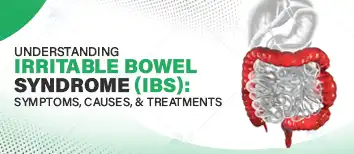
Learn about IBS symptoms, causes, and treatments to manage this common digestive disorder.
Expert gastroenterology care for better digestive health, offering advanced diagnosis and treatment for GERD, IBS, ulcers, and liver disorders.


Subscribe to our
© Copyright 2026. All Rights Reserved by Felix Healthcare Private Limited
Design and development by :


 +(91)9667064100
 Emergency : +(91)9667064100