 Emergency:
  WhatsApp



Subscribe to our

Dementia is not a single disease but a group of neurological conditions that affect memory, thinking, behavior, and the ability to perform daily activities. As life expectancy increases, dementia is becoming more common among the elderly population in India. Early diagnosis and appropriate treatment can significantly improve quality of life and slow disease progression. Understanding the types of dementia and available treatment options helps families take timely and informed decisions.
This comprehensive guide explains dementia in detail, including symptoms, causes, treatment options, and when to seek medical help in Noida.
If you are searching for expert dementia treatment near me, consult experienced neurologists for accurate diagnosis and personalized care. Call +91 9667064100 to book your appointment now.
Types of dementia fall under a broad umbrella term used to describe progressive decline in cognitive function severe enough to interfere with daily life. Dementia affects memory, reasoning, language, judgment, and emotional control.
It is not a normal part of aging, though the risk increases with age. Dementia develops due to damage or degeneration of brain cells that affect communication between neurons.
Understanding the types of dementia helps doctors choose the most effective treatment approach.
Alzheimer’s is the most common form of dementia. It typically begins with memory loss and gradually progresses to affect language, thinking, and behavior. Protein deposits in the brain interfere with nerve cell communication.
This type occurs due to reduced blood flow to the brain, often after a stroke or due to chronic blood vessel damage. Symptoms may appear suddenly or progress gradually.
Caused by abnormal protein deposits called Lewy bodies, this type affects thinking, movement, sleep, and behavior. Patients may experience hallucinations and Parkinson-like symptoms.
This form primarily affects personality, behavior, and language rather than memory in early stages. It often occurs at a younger age compared to other dementias.
Some patients have more than one type, most commonly Alzheimer’s disease combined with vascular dementia.
What are early warning signs of dementia? Identifying symptoms early allows for better disease management.
Common early signs include:
Memory loss affecting daily activities
Difficulty finding words or following conversations
Confusion with time or place
Changes in mood, personality, or behavior
Poor judgment or decision-making
Trouble completing familiar tasks
Early evaluation is critical to rule out reversible causes and start appropriate care.
Can dementia be treated or managed is one of the most common concerns among families. While most types of dementia cannot be cured, they can be effectively managed.
Treatment focuses on:
Slowing disease progression
Managing symptoms
Improving quality of life
Supporting caregivers
Early intervention makes a significant difference in long-term outcomes.
Dementia treatment options involve a combination of medical, psychological, and supportive therapies.
Doctors may prescribe medications to improve memory, attention, and thinking ability. These drugs help manage symptoms and slow progression in certain types of dementia.
Helps manage anxiety, aggression, sleep problems, and mood changes through structured routines and emotional support.
Activities designed to improve memory, communication, and problem-solving skills.
Regular exercise, balanced nutrition, mental stimulation, and social engagement play a crucial role in dementia care.
Dementia treatment for elderly patients requires a personalized approach considering overall health, mobility, and emotional well-being.
Treatment plans often include:
Simplified medication regimens
Fall prevention strategies
Nutritional support
Management of co-existing conditions such as diabetes or hypertension
Family involvement is essential to ensure adherence and emotional comfort.
How to slow dementia progression focuses on long-term management rather than cure.
Effective strategies include:
Early diagnosis and consistent treatment
Mental exercises and memory training
Physical activity to improve blood flow to the brain
Managing cardiovascular risk factors
Avoiding isolation and depression
Though progression cannot be stopped completely, it can be significantly delayed.
Timely diagnosis helps differentiate dementia from other treatable conditions such as depression, vitamin deficiencies, or thyroid disorders. Early intervention allows patients to remain independent longer and helps families plan future care effectively.
Dementia treatment near me searches are increasing as families seek accessible and specialized neurological care. Noida offers advanced diagnostic facilities, experienced neurologists, and multidisciplinary support services.
Treatment centers focus on accurate diagnosis, individualized therapy, and long-term monitoring for better patient outcomes.
Best doctor for dementia treatment in Noida selection is critical for effective care. A skilled neurologist evaluates cognitive function, identifies dementia type, and creates a structured treatment plan.
The right specialist also provides counseling, caregiver guidance, and coordination with rehabilitation professionals for holistic care.
Dementia affects not just patients but entire families. Caregivers often experience emotional, physical, and financial stress. Proper medical guidance, counseling, and community support help reduce caregiver burden and improve patient comfort.
Seek medical attention if a loved one shows rapid memory loss, confusion, personality changes, difficulty speaking, or sudden behavioral changes. Early evaluation prevents complications and ensures timely care.
Early treatment slows progression, preserves independence, reduces complications, and improves emotional well-being for both patients and caregivers.
Get professional support for diagnosis, treatment planning, and caregiver counseling. Contact +91 9667064100 for specialized dementia care in Noida.
Dementia is a complex neurological condition that requires early diagnosis, structured treatment, and continuous support. Understanding the types of dementia, recognizing early symptoms, and accessing timely care can significantly improve outcomes. With advanced dementia treatment options available in Noida, patients and families can manage the condition effectively and maintain dignity and quality of life.
No. Alzheimer’s disease is one of the most common types of dementia, but dementia includes several conditions.
Dementia is more common after age 65, but some types can occur earlier.
In early stages, yes. As the condition progresses, assistance becomes necessary.
Some forms have a genetic component, but most cases occur due to a combination of factors.
With proper care and management, many patients live for several years after diagnosis.
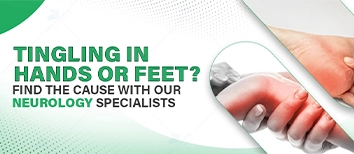
Experiencing tingling in your hands or feet? It could signal a nerve-related issue. Consult our expert neurologists at Felix Hospitals to find the cause and get the right treatment today.
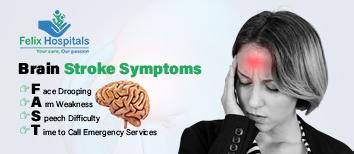
Recognizing the symptoms of a brain stroke is critical for getting prompt medical attention. The acronym F.A.S.T. is often used to remember the most common Brain stroke symptoms.
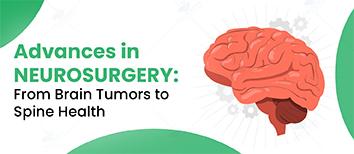
Advanced neurosurgery improves treatment for brain and spine disorders with better outcomes.


Subscribe to our
© Copyright 2026. All Rights Reserved by Felix Healthcare Private Limited
Design and development by :


 +(91)9667064100
 Emergency : +(91)9667064100