 Emergency:
  WhatsApp

Subscribe to our
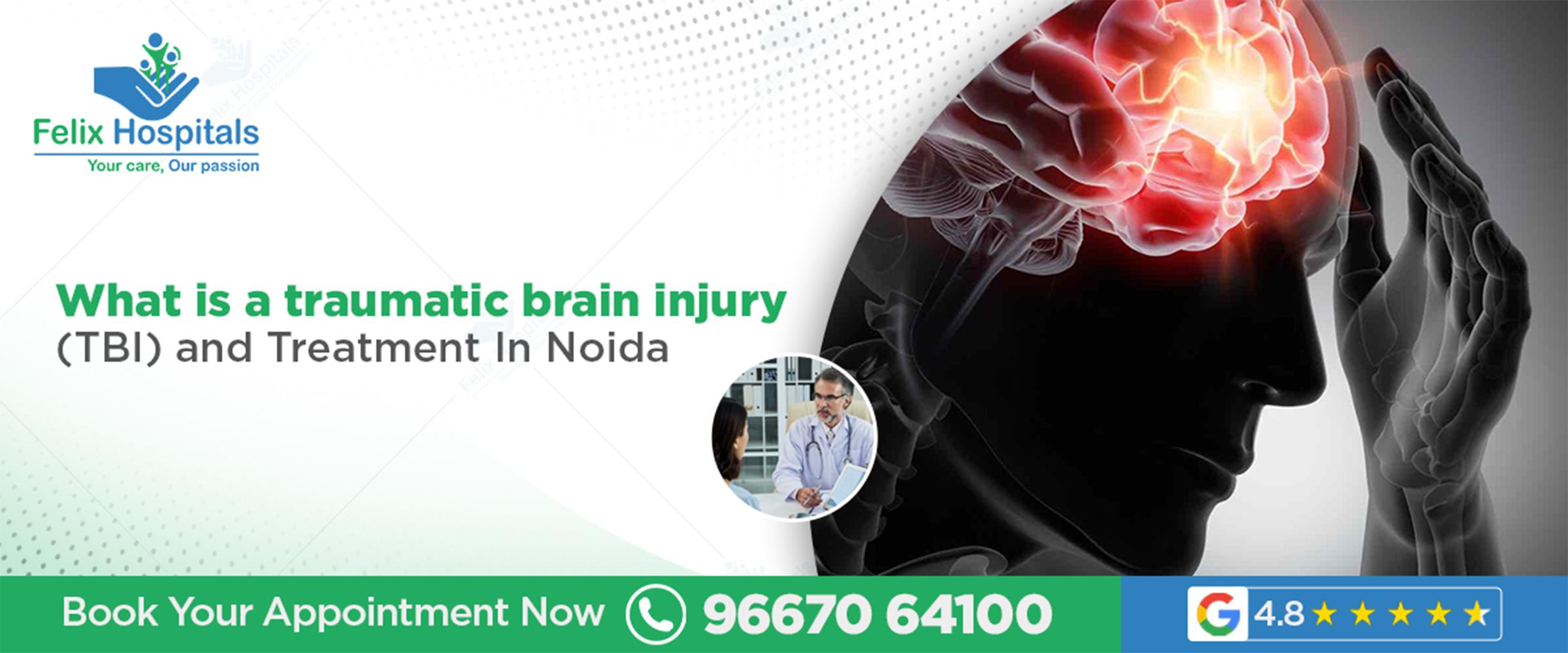
Traumatic brain injuries are becoming more common in India due to road accidents, falls, and sports-related injuries. Many people confuse TBI with conditions like stroke or brain tumors, but unlike brain stroke treatment in Noida or brain tumor treatment in Noida, TBI results from an external force that damages the brain. Understanding what is traumatic brain injury, its warning signs, and available care options is essential to protect long-term health.
Traumatic brain injury usually results from a violent blow or jolt to the head or body. An object that goes through brain tissue, such as a bullet or shattered piece of skull, also can cause traumatic brain injury. If you or someone you love experiences such an injury, it’s important to seek help from a Brain Injury Specialist Doctor in Noida at the Best Brain Injury Hospital in Noida to ensure proper diagnosis and care.
For expert diagnosis and traumatic brain injury treatment in Noida, call +91 9667064100 and get timely help.
When explaining what is traumatic brain injury, it refers to brain damage caused by an external impact. Mild traumatic brain injury may affect your brain cells temporarily. More-serious traumatic brain injury can result in bruising, torn tissues, bleeding and other physical damage to the brain. These injuries can result in long-term complications or death.
Understanding Who is at higher risk of TBI? is essential for taking timely precautions and planning prevention strategies. Learning the types of traumatic brain injury—mild, moderate, or severe—also helps determine treatment and prognosis.
Traumatic brain injury can have wide-ranging physical and psychological effects. Some signs or symptoms may appear immediately after the traumatic event, while others may appear days or weeks later. These include both general symptoms of TBI and early signs of traumatic brain injury.
Nausea or vomiting
Fatigue or drowsiness
Problems with speech
Dizziness or loss of balance
Blurred vision, ringing in the ears
Bad taste in the mouth
Changes in smell
Sensitivity to light or sound
Brief loss of consciousness
Confusion or disorientation
Memory or concentration problems
Mood changes
Anxiety or depression
Sleep disturbances
Symptoms may include any mild symptoms plus:
Loss of consciousness for several minutes to hours
Persistent or worsening headache
Repeated vomiting
Seizures
Pupil dilation
Fluid from nose or ears
Loss of coordination
Profound confusion
Agitation
Slurred speech
Coma
These severe symptoms represent the serious spectrum of symptoms of TBI and require immediate care.
Understanding the causes of traumatic brain injury helps in prevention. Traumatic brain injury is usually caused by:
Falls
Vehicle accidents
Explosive blasts
Penetrating injuries
Physical assault or blunt force trauma
The people at highest risk include:
Children (0–4 years)
Young adults (15–24 years)
Older adults (60+ years)
Males across all age groups
Moderate to severe TBIs may lead to multiple complications of traumatic brain injury, including:
Coma
Vegetative state
Minimally conscious state
Hydrocephalus
Infections
Blood vessel damage
Vertigo
Facial paralysis
Loss of taste/smell
Vision issues
Hearing loss
Difficulty processing information
Memory impairment
Speech or language issues
Early and accurate assessment helps determine the severity and appropriate traumatic brain injury treatment in Noida.
Doctors use multiple methods for the diagnosis of traumatic brain injury, including:
A 15-point scale assessing:
Eye response
Verbal response
Motor response
CT Scan: First-line test to detect bleeding, swelling, clots
MRI: Detailed imaging for deep tissue damage
Intracranial pressure monitoring
These are the primary tools used when evaluating how traumatic brain injury is diagnosed.
Treatment is based on the severity of TBI.
Mild TBI
Rest
Over-the-counter pain medication
Monitoring for worsening symptoms
Gradual return to activities
Focused on:
Maintaining oxygen supply
Preventing secondary brain damage
Stabilizing vital functions
Anti-seizure drugs
Coma-inducing medications
Diuretics to reduce brain swelling
Surgery may be required to address:
Hematoma removal (clotted blood)
Repairing skull fractures
Stopping internal bleeding
Creating a skull window to reduce pressure
If you suspect a serious head injury, contact the expert Brain Injury Specialist Doctor in Noida at +91 9667064100 immediately.
If you're dealing with symptoms or noticing the early signs of traumatic brain injury, it is crucial to visit a Brain Injury Specialist Doctor in Noida. Getting timely care at the Best Brain Injury Hospital in Noida improves recovery outcomes. Understanding what is traumatic brain injury, the types of traumatic brain injury, causes of traumatic brain injury, and how traumatic brain injury is diagnosed empowers you to act quickly.
Whether it resembles symptoms seen in brain stroke treatment in Noida or related issues treated under brain tumor treatment in Noida, rapid evaluation is essential for saving brain function and preventing long-term disability.
Q.1. Who is the most vulnerable to traumatic brain injury (TBI)?
Ans. Children, older adults, and young males participating in high-risk activities.
Q.2. In case of emergency, how is traumatic brain injury diagnosed?
Ans. Using physical exam, Glasgow Coma Scale scoring, and imaging like CT or MRI.
Q.3. Which tests confirm traumatic brain injury?
Ans. CT scans detect bleeding and bruising; MRIs show deeper tissue damage.
Q.4. Does mild TBI lead to worsening symptoms later?
Ans. Yes, symptoms like headaches or confusion may appear hours or days later.
Recognizing neurological warning signs early can be life-saving. Learn when symptoms like frequent headaches, dizziness, memory loss, or numbness mean it’s time to consult a neurologist.
Neurological disorders impact the brain, spine, and nerves, causing symptoms like headaches, seizures, or memory loss. Discover causes, treatments, and expert advice for better neurological care and management.

Subscribe to our
© Copyright 2026. All Rights Reserved by Felix Healthcare Private Limited
Design and development by :


 +(91)9667064100
 Emergency : +(91)9667064100