 Emergency:
  WhatsApp


Subscribe to our

Every year on June 21 the longest day of the year in the Northern Hemisphere the world rolls out its mats, steps outside, and breathes together.
That is what International Yoga Day does. It turns a practice that is thousands of years old into a global conversation about health, breath, stillness, and the connection between the body and the mind.
The 12th International Yoga Day falls on 21 June 2026. And while the occasion will be marked by mass yoga sessions in parks, schools, corporate offices, and public squares across India and the world the more important question is not what happens on June 21 itself. It is what happens on June 22, and the day after that.
Because yoga is not an event. It is a practice. And the health benefits it delivers are built not in one session, but in ten, fifty, a hundred sessions over months and years.
At Felix Hospital, we see what consistent yoga practice does for patients managing hypertension, diabetes, chronic back pain, anxiety, and cardiovascular disease. We see what it does for people recovering from surgery. We see what it does for people who come to us not because they are sick, but because they want to stay well.
This International Yoga Day, here is everything worth knowing the history behind the day, the theme for 2025, and ten health benefits of yoga that are backed by science, not just tradition.
21 June is the summer solstice in the Northern Hemisphere the day with the most daylight hours in the year. In many ancient cultures, the solstice held deep spiritual significance. In yogic tradition, the summer solstice is considered a particularly auspicious time a moment when the earth's energy is at its peak. The choice of June 21 was deliberate and meaningful.
The story of International Yoga Day begins with a speech at the United Nations.
On 27 September 2014, Prime Minister Narendra Modi addressed the UN General Assembly and proposed the idea of an international day for yoga recognising it as a gift from India's ancient tradition to the world. The proposal found extraordinary support. The UN resolution establishing June 21 as International Yoga Day was adopted on 11 December 2014 co-sponsored by a record 177 nations, one of the largest number of co-sponsors for any UN General Assembly resolution in history.
The first International Yoga Day was celebrated on 21 June 2015 with Prime Minister Modi leading a mass yoga session at Rajpath, New Delhi, with approximately 35,000 participants. It entered the Guinness World Records for the largest yoga session at a single venue and the most nationalities participating in a yoga event simultaneously.
Since then, International Yoga Day has grown into one of the most widely observed health and wellness observances on the global calendar celebrated in over 190 countries, from Times Square in New York to the Eiffel Tower in Paris to the beaches of Sydney.
The theme for the 12th International Day of Yoga (June 21, 2026) is "Yoga for Healthy Aging.This year’s theme highlights yoga's ability to promote physical vitality, mobility, brain health, and preventive healthcare as people age.
The theme acknowledges something yogis have understood for millennia that personal health does not exist in isolation. It is connected to the community, environment, and the world around us. When individuals are healthier, communities are healthier. When communities are healthier, the world is.
Yoga's roots are ancient stretching back at least 5,000 years, with some scholars placing its origins even earlier.
The earliest references to yoga are found in the Rigveda one of the oldest sacred texts of India where the word "yoga" is used in the sense of discipline, union, and the yoking of the individual self to a greater whole. The concept was further developed in the Upanishads, the Bhagavad Gita (where Krishna describes several paths of yoga to Arjuna on the battlefield), and the Yoga Sutras of Patanjali the foundational text of classical yoga, composed approximately 2,000 years ago.
Patanjali's Ashtanga (Eight-Limbed) Yoga comprising Yama, Niyama, Asana, Pranayama, Pratyahara, Dharana, Dhyana, and Samadhi remains the framework on which most formal yoga systems rest today.
In the modern era, yoga reached the West primarily through figures like Swami Vivekananda (who introduced yoga philosophy to America in 1893), Tirumalai Krishnamacharya (considered the father of modern yoga as a physical practice), and his students B.K.S. Iyengar, Pattabhi Jois, and T.K.V. Desikachar who systematised the physical practice and brought it to a global audience.
Today, yoga is practised by an estimated 300 million people worldwide making it one of the most widely practised mind-body systems on the planet.
Yoga has been studied more rigorously over the past two decades than almost any other complementary health practice. What research consistently shows is that yoga's benefits are not vague or anecdotal; they are measurable, reproducible, and clinically meaningful across multiple organ systems.
Here are ten of the most well-established benefits.
Hypertension high blood pressure is the single most common cardiovascular risk factor in India, affecting an estimated 220 million adults. It is the leading driver of heart attacks, strokes, and kidney failure.
Multiple randomised controlled trials have examined the effect of regular yoga on blood pressure, and the findings are consistent. A meta-analysis published in the Journal of Human Hypertension found that regular yoga practice reduced systolic blood pressure by an average of 5 mmHg and diastolic blood pressure by approximately 3.9 mmHg a reduction that, at a population level, translates into meaningful reductions in cardiovascular event rates.
The mechanisms are well understood: yoga reduces activity in the sympathetic nervous system (the "fight or flight" branch), activates the parasympathetic nervous system (the "rest and digest" branch), reduces circulating cortisol and adrenaline levels, and improves arterial compliance the elasticity of blood vessel walls.
This does not mean yoga replaces antihypertensive medication in people who need it. But it is a powerful adjunct and at Felix Hospital, our cardiologists routinely recommend yoga as part of the lifestyle modification programme for patients with stage 1 hypertension.
The cardiovascular benefits of yoga extend beyond blood pressure. A growing body of research including studies from the All India Institute of Medical Sciences (AIIMS) has demonstrated that regular yoga practice improves multiple cardiovascular parameters simultaneously.
Documented cardiovascular benefits include:
Reduction in resting heart rate
Improvement in heart rate variability (HRV) a marker of autonomic nervous system health and cardiac resilience
Reduction in LDL cholesterol ("bad" cholesterol) and triglycerides
Modest increase in HDL cholesterol ("good" cholesterol)
Reduction in C-reactive protein a marker of systemic inflammation that is an independent cardiovascular risk factor
Improvement in endothelial function the health of the inner lining of blood vessels
A 2014 European study examining yoga's effects on cardiovascular risk found results comparable to conventional aerobic exercise, a finding that has significant implications for people who cannot participate in high-intensity exercise due to age, joint disease, or physical limitation.
India is the diabetes capital of the world with over 100 million people living with the condition and tens of millions more in the pre-diabetic range. The lifestyle factors driving this epidemic physical inactivity, poor diet, chronic stress, disrupted sleep are exactly the factors that yoga directly addresses.
Research on yoga and diabetes is extensive and encouraging:
Regular yoga practice has been shown to reduce fasting blood glucose and HbA1c (the three-month blood sugar average) in people with Type 2 diabetes
Yoga improves insulin sensitivity the ability of cells to respond to insulin through multiple mechanisms including reduction of visceral fat and improvement in muscle tissue metabolism
Yoga reduces cortisol the stress hormone that drives insulin resistance and promotes fat deposition around the abdomen
Specific postures including forward bends, twists, and inversions are thought to directly stimulate the pancreas and improve its function
For people in the pre-diabetic range, a 12-week yoga programme has been shown in multiple studies to significantly reduce the progression to full Type 2 diabetes, an outcome achieved through lifestyle change alone, without medication.
Chronic low back pain is one of the most common reasons people visit a doctor in India and worldwide. It is also one of the conditions for which yoga has the strongest and most consistent evidence base.
A landmark study published in Annals of Internal Medicine found that a 12-week yoga programme produced greater improvement in back pain and back function than standard medical care alone. The benefits were sustained at one year follow-up.
It strengthens the deep paraspinal muscles and core musculature that support the lumbar spine
It improves flexibility in the hamstrings, hip flexors, and thoracic spine regions whose tightness directly loads the lumbar vertebrae
It teaches body awareness proprioception that helps people move better and avoid positions that aggravate the spine
It reduces the fear-avoidance behaviour and pain catastrophizing that frequently perpetuate chronic pain beyond the original tissue injury
Poses like Balasana (Child's Pose), Setu Bandhasana (Bridge Pose), Marjaryasana-Bitilasana (Cat-Cow), Supta Matsyendrasana (Supine Twist), and Viparita Karani (Legs Up the Wall) are consistently recommended in evidence-based yoga programmes for chronic low back pain.
This is perhaps yoga's most widely recognised benefit and also one of the most thoroughly researched.
The mechanism is direct and physiological. Yoga activates the parasympathetic nervous system and reduces the activity of the hypothalamic-pituitary-adrenal (HPA) axis, the stress response system that drives cortisol release. Simultaneously, yoga increases levels of GABA (gamma-aminobutyric acid) the brain's primary inhibitory neurotransmitter in regions associated with anxiety and mood regulation.
A study published in the Journal of Alternative and Complementary Medicine found that a single yoga session increased GABA levels in the brain by 27 percent comparable to the effect of moderate exercise, and achieved through a far gentler physical demand.
For anxiety disorders, multiple randomised trials have demonstrated that yoga produces reductions in generalised anxiety comparable to cognitive behavioural therapy (CBT) in mildly to moderately symptomatic patients.
For depression, yoga particularly when combined with pranayama (breathing practices) has demonstrated significant reductions in depressive symptoms in both clinical and community populations. The Indian government's mental health framework increasingly recognises yoga as an evidence-based adjunct to conventional psychiatric treatment.
Yoga is not a replacement for psychiatric medication or psychotherapy in people who need them. But for the vast majority of people experiencing everyday stress, subclinical anxiety, and low mood it is one of the most effective, accessible, and free interventions available.
This benefit matters most for two groups: athletes and older adults for entirely different reasons.
For athletes and active individuals, yoga improves functional flexibility and the range of motion available during movement which directly translates into better performance and reduced injury risk. Tight hip flexors, hamstrings, and thoracic spine are among the most common contributors to sports injuries; yoga systematically addresses all of them.
For older adults, reduced flexibility and declining proprioception (the body's sense of its own position in space) are the primary drivers of falls which are a leading cause of injury-related death and hospitalisation in people above 65. Research on yoga and fall prevention in older adults is robust: regular yoga practice significantly improves balance, coordination, reaction time, and lower limb strength all of which reduce fall risk.
A study from the University of Oregon found that eight weeks of yoga practice significantly reduced fear of falling and improved functional balance measures in adults over 65 results maintained at three-month follow-up.
Yoga is not a high-calorie-burning exercise in the way that running or cycling is. A vigorous vinyasa session burns roughly 300 to 450 calories per hour, meaningful, but not exceptional compared to aerobic exercise.
What makes yoga effective for weight management is not primarily calorie expenditure during the practice. It is the downstream effects on the systems that regulate weight:
Cortisol reduction chronic high cortisol directly promotes abdominal fat deposition and drives cravings for calorie-dense foods.
Improved sleep quality poor sleep is one of the strongest predictors of weight gain; yoga significantly improves sleep quality, as detailed in the next point.
Mindful eating regular yoga practice is consistently associated with greater mindfulness around food reduced emotional eating, better awareness of hunger and satiety cues, and fewer impulsive dietary choices.
Improved insulin sensitivity reduces the tendency to store calories as fat.
A study in the Journal of the American Dietetic Association found that long-term yoga practitioners gained less weight over a 10-year period than non-practitioners and that this difference was partly explained by greater mindful eating behaviour. The body awareness cultivated on the mat extended to the table.
Sleep disorders affect a significant proportion of the Indian urban population driven by irregular schedules, screen time, work stress, and the general overstimulation of modern urban life. Poor sleep is not merely a quality-of-life issue. It is a metabolic, cardiovascular, and immunological risk factor.
Research on yoga and sleep is consistent and encouraging. A Harvard Medical School study found that eight weeks of daily yoga practice led to significant improvements in:
Time to fall asleep (sleep onset latency)
Total sleep duration
Sleep efficiency (proportion of time in bed actually spent asleep)
Sleep quality as subjectively reported
The mechanisms include: reduction of pre-sleep cortisol levels, activation of the parasympathetic nervous system, reduction of intrusive thoughts and rumination (a primary driver of insomnia), and specific to pranayama practice direct stimulation of the vagus nerve through slow, controlled breathing.
Yoga Nidra, sometimes called "yogic sleep" , deserves specific mention. This guided relaxation practice, typically 20 to 45 minutes, produces a state of deep relaxation while maintaining a thread of awareness. EEG studies show that Yoga Nidra reliably produces theta and alpha wave states associated with deep rest. Many practitioners report that a 30-minute Yoga Nidra session leaves them feeling as refreshed as several hours of conventional sleep.
The perception of yoga as a purely flexibility-based practice something for people who are already flexible undersells it significantly. Many styles of yoga are genuinely demanding strength practices.
Ashtanga yoga, Power yoga, Iyengar yoga (with its emphasis on precise muscular engagement), and even Hatha yoga at a competent level require sustained isometric and dynamic strength across the entire body.
Poses like Chaturanga Dandasana (a low push-up position held and transitioned through repeatedly) build tricep and chest strength comparable to conventional resistance training. Virabhadrasana series (Warrior poses) build substantial lower body strength and stability. Navasana (Boat Pose) and Plank variations are genuine core strengthening exercises with well-documented neuromuscular benefits.
A study in PLOS ONE found that a 12-week yoga programme produced significant improvements in upper body strength, lower body strength, and core endurance in previously sedentary participants comparable to conventional resistance training in several measures. The additional benefit is that these strength gains come with simultaneous improvements in flexibility, balance, and body awareness that weight training alone does not provide.
Pranayama, the systematic practice of breath regulation, is one of yoga's most ancient and scientifically interesting elements.
Research on pranayama in healthy individuals and in patients with respiratory conditions has documented:
Increased vital capacity the maximum amount of air the lungs can hold and expel
Improved forced expiratory volume (FEV1) particularly relevant in asthma and COPD
Reduced respiratory rate trained yoga practitioners typically breathe 6 to 10 times per minute at rest (versus the population average of 12 to 20), indicating greater respiratory efficiency
Improved oxygen saturation in patients with chronic lung disease
Reduced frequency and severity of asthma attacks in multiple controlled trials
Techniques like Nadi Shodhana (alternate nostril breathing), Bhramari (humming bee breath), Ujjayi (victorious breath), and Kapalabhati (breath of fire) each produce distinct physiological effects ranging from calming of the nervous system to clearing of the airways to stimulation of respiratory musculature.
In the context of COVID-19 recovery which has left a significant number of people in Noida and across India with residual breathlessness and reduced lung capacity, structured pranayama has been recognised by the Ministry of AYUSH and multiple respiratory specialists as a valuable component of pulmonary rehabilitation.
Yoga is not one thing. It is a family of related practices, each emphasizing different aspects physical, meditative, breathwork-focused, or devotional. Knowing the options helps people find the style that suits their body, health goals, and temperament.
Hatha Yoga the foundational physical practice; slower-paced, holding poses for longer; ideal for beginners and those seeking gentle strengthening and flexibility work.
Vinyasa / Flow Yoga sequences of postures linked by breath and movement; more cardiovascular in nature; builds strength and flexibility simultaneously; suitable for people with some base fitness.
Ashtanga Yoga is a structured, progressive sequence of postures practised in a fixed order; physically demanding; builds significant strength and endurance over time.
Iyengar Yoga has extraordinary precision in alignment, using props (blocks, straps, bolsters) to achieve correct positioning; particularly valuable for people recovering from injury and for those with physical limitations.
Yin Yoga long-held passive postures targeting the deep connective tissue of the joints; deeply restorative; ideal as a complement to more active exercise and for stress management.
Restorative Yoga gentle, supported poses held for extended periods with the full support of props; designed for deep relaxation and nervous system recovery, excellent for people with chronic illness, fatigue, or those recovering from surgery.
Kundalini Yoga combines postures, breathwork, mantra, and meditation; more spiritually oriented; known for its profound effects on energy levels and mental clarity.
Yoga Nidra is not a physical practice; a guided meditation leading to deep states of conscious relaxation; scientifically documented effects on stress hormones and sleep quality.
Pranayama breath regulation practices; can be practised independently from physical postures; among the most powerful tools for managing the nervous system.
Starting yoga is simpler than most people think. These are the things that actually matter:
Start where you are. Yoga does not require flexibility, fitness, youth, or a particular body type. The postures exist in modified forms for every level of ability. What matters is showing up on the mat, not what you look like when you get there.
Begin with a qualified teacher. A live teacher whether in a class or one-to-one can correct your alignment in ways that a video cannot. Poor alignment in postures like downward dog, forward folds, and seated twists can strain the spine and joints. Getting the basics right early prevents the habits that cause problems later.
Three times a week is enough to begin. Consistency over time is far more valuable than intensity in the short term. Three 45-minute sessions per week, sustained for three months, will produce noticeable and measurable changes in flexibility, strength, sleep quality, and stress levels.
Pranayama is as important as postures. Many beginners focus entirely on the physical postures and underestimate the breathing practices. Ten minutes of Nadi Shodhana (alternate nostril breathing) before bed has measurable effects on sleep quality and anxiety levels that most beginners discover within the first two weeks.
If you have a health condition, speak to your doctor first. People with uncontrolled hypertension, recent surgery, disc problems, osteoporosis, glaucoma, or pregnancy should inform their yoga teacher and get medical clearance before beginning. Most conditions have safe, modified practices but modifications require knowledge of the condition.
At Felix Hospital, our doctors are comfortable discussing how yoga can be safely integrated into management plans for patients with chronic conditions from cardiovascular disease to diabetes to musculoskeletal problems.
One point that deserves to be made clearly on International Yoga Day because it is sometimes misrepresented is the relationship between yoga and modern medicine.
Yoga does not cure cancer. It does not replace insulin for Type 1 diabetes. It does not clear blocked coronary arteries or repair a torn ligament. There are conditions for which medication, surgery, and conventional medical treatment are irreplaceable and no amount of breathwork changes that.
What yoga does and does exceptionally well is address the lifestyle, behavioural, and psychophysiological factors that underpin chronic disease. It reduces the modifiable risk factors that, left unaddressed, eventually produce the conditions that require medical intervention.
The best framework is not yoga versus medicine. It is yoga and medicine each doing what it does best, in support of the person who needs both.
At Felix Hospital, this integrative approach is something our physicians actively support. A patient managing hypertension with antihypertensive medication and a daily yoga practice is better off than one managing it with medication alone. A patient recovering from cardiac surgery who adds restorative yoga to their rehabilitation programme recovers faster and better than one who does not.
This is not philosophy. It is what the evidence shows.
Felix Hospital, Sector 137, Noida is not just a hospital that treats illness. It is a centre that invests in prevention and that means supporting the practices that keep people out of the hospital in the first place.
On International Yoga Day 2025, our team of physicians, cardiologists, endocrinologists, and orthopaedic specialists joins the global celebration not just symbolically, but as clinicians who see the impact of yoga every day in their patients' health outcomes.
If you are managing a chronic condition hypertension, diabetes, back pain, anxiety, obesity, post-cardiac recovery and want to understand how yoga can safely be part of your treatment plan, our specialists are here to guide you.
Call Felix Hospital: +91 9667064100
Yoga's documented history spans at least 5,000 years, with earliest references in the Rigveda. The systematic codification of yoga practice is found in Patanjali's Yoga Sutras, composed approximately 2,000 years ago.
Absolutely. Yoga is fundamentally adaptable; every posture has easier modifications for beginners. Starting with a Hatha yoga or beginner's yoga class under a qualified teacher is the recommended approach for those with no prior experience.
For most people with these conditions, yoga with appropriate modifications is not only safe but specifically beneficial. The key is informing the teacher about your condition, getting guidance from your treating physician, and choosing a style appropriate for your physical capacity. Restorative, Iyengar, and gentle Hatha yoga are generally considered the safest starting points for people with medical conditions.
Research consistently shows meaningful benefits from as little as three sessions per week, sustained over 8 to 12 weeks. Daily practice produces faster and more pronounced results, but consistency over months matters more than frequency in any given week.
Yoga contributes to weight management through multiple mechanisms: cortisol reduction, improved sleep, mindful eating, and modest calorie expenditure. It is most effective as part of a broader lifestyle approach that includes dietary attention. Dynamic styles like Vinyasa and Ashtanga burn more calories per session than restorative styles.
Conventional exercise typically addresses physical body strength, cardiovascular fitness, flexibility. Yoga addresses all of these but adds two additional dimensions: regulation of the nervous system through breathwork and meditation, and the development of body awareness (proprioception and mindfulness) that influences behaviour and stress responses outside the practice.
Call +91 9667064100 to schedule an outpatient consultation at Felix Hospital, Sector 137, Noida. Our physicians across cardiology, endocrinology, orthopaedics, and general medicine are available to provide personalised guidance on how yoga can complement your medical management plan.
Dr. Shweta Upadhyay is a dedicated Physiotherapist with 5+ years of experience in women’s health, pregnancy, postnatal rehabilitation, lactation support, and childbirth education.

Explore the differences between psychotherapy and counseling to find the right path for your mental wellness. Understand their approaches and how they can help.

Discover effective anger management techniques to enhance emotional well-being, reduce stress, and improve relationships. Take control of your emotions today
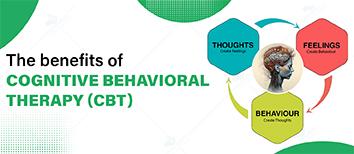
Cognitive Behavioral Therapy (CBT) is a widely recognized and effective form of psychotherapy that focuses on changing negative thought patterns and behaviors that contribute to emotional distress.

Struggling with suicidal thoughts can feel overwhelming, but support is available. Learn effective coping strategies, recognize warning signs, and find the right mental health help when you need it most.


Subscribe to our
© Copyright 2026. All Rights Reserved by Felix Healthcare Private Limited
Design and development by :


 +(91)9667064100
 Emergency : +(91)9667064100