 Emergency:
  WhatsApp

Subscribe to our
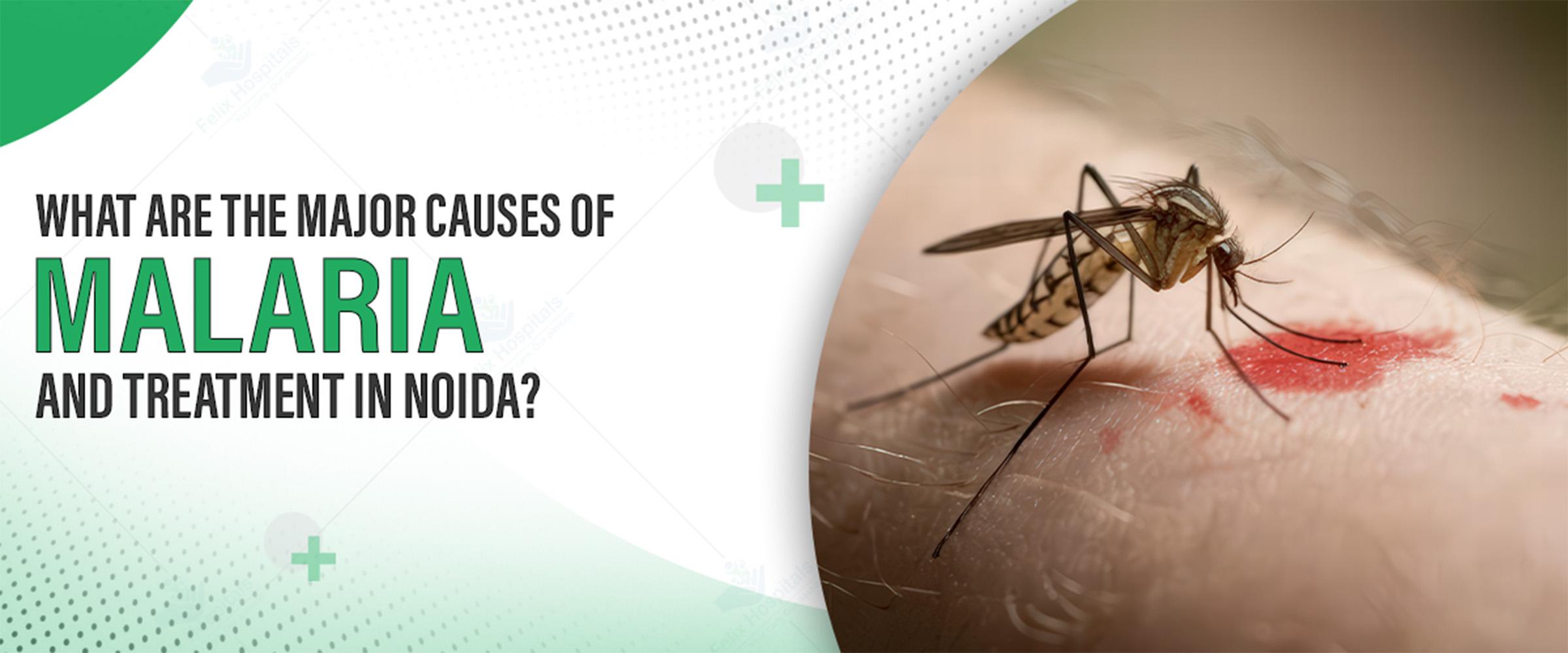
Malaria is still one of the most common and lethal infectious diseases worldwide, especially for the tropical and subtropical parts of the world. It is transmitted by mosquito bites and represents an important public health problem. Early detection and treatment can be life saving, but awareness of causes, symptoms and stages of the disease is critical in order to fight this disease. This blog is designed to discuss the big picture of malaria and considerations that must be made to understand and fight this important health concern. If you need help now, a nearby malaria test can help you receive a prompt diagnosis and care.
Learn more about preventing malaria and get expert advice . Schedule a consultation at +91 9667064100.
Malaria is a life-threatening disease caused by Plasmodium parasites that infect the victim via the bite of infected female Anopheles mosquitoes. In the bloodstream, the parasite multiplies rapidly and spreads to liver cells, causing mild to severe symptoms depending on the species of Plasmodium.
The most serious form of malaria is caused by Plasmodium falciparum. In the case of severe disease, the victim may die from severe malaria. Transmission and cause of malaria Transmission is through one individual to the mosquito to another individual. Human malaria is caused by five species, of which Plasmodium falciparum is the most severe. Major causes of malaria in adults:
Bites from infected mosquitoes
Blood transfusions from infected donors
Using needles of an infected person
Infrequently from mother to baby during pregnancy
Major causes of malaria in children is also by mosquito-borne Plasmodium infections, with P. falciparum being dominant and responsible for the most severe and fatal cases
The symptoms of malaria typically develop 10 days to 4 weeks following the infection, in few cases symptoms may develop as early as 7 days, or as late as several months, after the infection. Common signs of malaria infection include:
High fever and chills
Sweating
Muscle pain and fatigue
Nausea and vomiting
Diarrhea
Anemia
Yellow eyes and yellow skin (jaundice)
In more extreme cases, malaria can lead to:
Confusion or seizures
Breathing problems
Organ failure
Presence of stagnant water pools and ineffective drainage systems that act as mosquito breeding sites.
Tropical and wet weather conditions are conducive to the survival of Anopheles mosquitoes.
A lack of proper mosquito control and education at a community level.
Poor use of preventives: Bednets, repellants.
Late diagnosis and treatment resulting in dissemination of infection.
All these factors combine to cause cyclic malaria outbreaks in Noida and the need to focus on vector control and public health measures to prevent such outbreaks.
Diagnosis of malaria is based on the detection of parasite in blood. The following tests are used:
Blood Smear Microscopy: Laboratory investigation in which blood infected with Plasmodium parasites is checked under a microscope.
Rapid Diagnostic Tests (RDTs): These tests diagnose specific antigens that malaria parasites produce and are less time consuming.
Molecular Tests (PCR): PCR (Polymerase Chain Reaction) is more sensitive than microscopy and detects the DNA of the parasite (suitable for low-level parasite and mixed infections).
Doctors also may suggest other blood tests to check for organ damage or other problems due to malaria.
The type of parasite and severity of this condition determine the treatment. The typical treatment is with antimalarial drugs. Some of the primary treatment approaches are:
Artemisinin-based combination therapy (ACT): This is the most effective therapy for P. falciparum malaria.
Chloroquine: It treats malaria from non-resistant strains.
Quinine and Doxycycline: Sometimes, quinine is used in conjunction with antibiotics, such as doxycycline, to treat severe malaria.
Hospital stay: Serious cases of this illness may require hospital stay, during which intravenous fluids, medication, and supportive care are given to treat complications.
To prevent malaria, you must avoid being bitten by an infected mosquito and take drugs to prevent infection, if living in or traveling to an area where malaria is a risk. Key prevention methods include:
Insecticide-treated bed nets (ITNs): It can be used to sleep under an insecticide treated mosquito net to avoid mosquito bites.
Insect Repells: Repellents containing DEET will deter mosquitoes.
Prophylactic Drugs: Depending on where you go to, your doctor may put you on a dose of antimalarial drugs, such as malaria, doxycycline, and mefloquine.
Environmental Interventions: The number of mosquitoes can be decreased by shrinking mosquito breeding sites through drainage of standing water and implementation of insecticides in areas with a high risk.
We have a team of expert doctors at Felix Hospital that deal in infectious diseases which also includes this ailment. They are trained doctors who specialise in diagnosing and treating cases of malaria. With the presence of state of the art diagnostic services and well trained staff, the department ensures that mild to severe cases are quickly attended to, ensuring the best possible care.
Get the best malaria treatment in Noida. Call +91 9667064100 right away.
This is no mere illness, this is a life-threatening disease, however one that can be prevented and can be treated. Early diagnosis and right treatment can prevent complications and death. Learning more about the causes, symptoms, and prevention may prevent infection. People looking for the best treatment option or want to find the best Malaria treatment hospital in Noida with an experienced team of health care specialists can contact Felix hospitals where the goal is to provide the best of malaria and infectious disease medical care so that the patients are cured quickly and safely.
Q1. Can malaria recur after treatment?
Ans: Yes, some strains of Plasmodium parasites stay in a hibernation phase within the liver and cause a relapse weeks or months after the first infection.
Q2. Is there a malaria vaccine?
Ans: Presently, the vaccine RTS, S/AS01 (Mosquirix) has received a license for use in some parts of regions where malaria is endemic and shows some level of protection against P. falciparum.
Q3. What is the best way to avoid getting malaria when traveling?
Ans: Sleeping under an insecticide-treated bed net, wearing protective clothing and taking medication to prevent malaria are all recommended when visiting areas where malaria is transmitted.
Q4. Is malaria contagious from person to person?
Ans: No, you can't contract malaria from a person, like a bad cold. It spreads when an infected mosquito bites a person, or more rarely, through blood transfusions or sharing needles.
Q5. I think I have malaria, what should I do?
Ans: If you get symptoms of malaria and if you have been in an area where malaria occurs you must get medical help straightaway. Early detection and intervention are important.
Q6. How long does malaria last for?
Ans: The recovery period from malaria depends on the severity of the disease and the type of treatment. Most cases are mild and clear up several weeks following treatment, but the severe ones can take longer to recover,
Malaria is primarily caused by the Plasmodium parasite, which is transmitted to humans through the bite of an infected Anopheles mosquito.
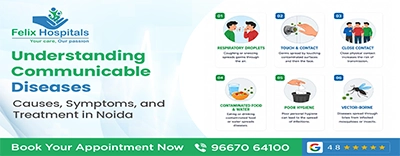
Communicable diseases are infections caused by bacteria, viruses, fungi, or parasites that spread from person to person.
At Felix Hospital, we have a team of highly skilled internal medicine specialists, including Dr. Anshumala Sinha, Dr. Sonakshi Saxena, and Dr. Priyanka Singh, who are experienced in managing dengue fever and its complications.


Subscribe to our
© Copyright 2026. All Rights Reserved by Felix Healthcare Private Limited
Design and development by :


 +(91)9667064100
 Emergency : +(91)9667064100