 Emergency:
  WhatsApp


Subscribe to our
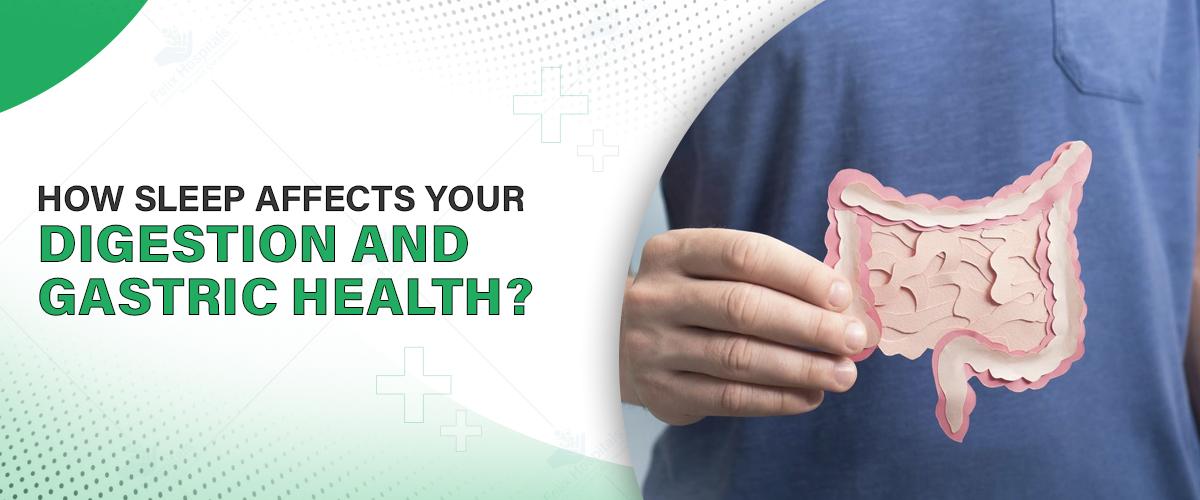
As you may know, sleep is an important part of overall health. It not only influences energy levels, but it also helps every system in the body function properly, including the immune system, heart, brain and even digestive system. Gastroenterologists in Noida will also tell you that If you’re not sleeping well, it can take a toll on your gut health in a variety of ways . This blog tells you how digestive health can play a role in how well someone sleeps, and sleep can affect how well the digestive system functions when to get Digestive Disorders Treatment In Noida.
Don't let bloating or acidity ruin your sleep. Call +91 9667064100 to set up your digestive care consultation now.
Your digestive system is the one that breaks down the food you take, absorbs nutrients from it, and then helps eliminate waste from your body. This process is linked to your circadian rhythm- the body's internal clock, which controls your sleep and wake cycles. This rhythm applies to digestive organs like the stomach and intestines, too, and therefore, they work best when your body is well-rested. Consequently, when your circadian rhythm is out of sync due to sleep that is how sleep affects digestion it can cause digestive disorders and direct you toward a Gastro care hospital.
To know Why good sleep is important for gastric health you should know that sleep heals and rebuilds the body, including the GI tract. While in deep stages of sleep, many other systems of the body decrease their performance, dedicating energy resources to healing and renewal. Downtime granted to the stomach and intestines allows them to rest and rejuvenate for the next day of digestive and absorptive activity.

The expert Gastroenterologists in Noida state that probably the most significant way that sleep affects digestion is through effects on hormones. Two hormonal hunger and satiety regulators are ghrelin and leptin, both of which are altered with sleep. Ghrelin stimulates appetite, while leptin lets your brain know that you are satisfied. The composite effect is more ghrelin and less leptin over time, so you want to overeat and eat calorie-dense, fatty foods.
Not only do these hormonal changes play tricks on your appetite, but they also put more burdens on your digestive system, which cannot digest large, heavy meals. Overeating puts a lot of strain on your stomach, leaving one vulnerable to indigestion and bloating, even discomfort.
Late-night snacking is also one of those pleasures one often digs into because he or she stays up late; unfortunately, this can be disastrous for digestion and can even lead to a Constipation treatment hospital since your digestive system slows down at night.
An interesting Sleep and digestion connection causes gastroesophageal reflux disease, where stomach acids flow back into the oesophagus to cause heartburn. Poor sleep exacerbates GERD symptoms, and conversely, GERD contributes to difficulty in sleeping well, thus creating a cycle of poor sleep. During sleep, gravity helps suppress acid in the stomach from reaching the esophagus. However, lying down late in the day or getting to bed soon after eating allows acid to flow back into the esophagus, causing heartburn. Most studies argue that GERD patients are likely to suffer from further sleep disturbances due to the aches resulting from acid reflux.
However, to prevent acid reflux during sleep, one needs to take smaller meals and also avoid food when bedtime is approaching. There is also the effect of the sleeping head elevation that prevents the stomach acid from flowing back to the esophagus by stopping it from occurring. These all help one break the cycle of poor sleep and gastrointestinal disorders.

You have trillions of bacteria that live in your intestines your gut microbiome. They are crucial to your digestion, overall health, and so much more. But increasingly emerging research has pointed to a bi-directional link between sleep and the gut microbiome; poor sleep can disrupt the balance of those bacteria, resulting in what's known as gut dysbiosis, which may then lead to bloating, constipation, diarrhea, and all sorts of other symptoms. This disorder also triggers the production of stress hormones, including cortisol, which further inflames the digestive tract, thus leading to irritable bowel syndrome and several other disorders.
There are easy Tips to Improve Both Sleep and Digestion. Work toward a regular schedule, light suppers and soothing wind‑down habits for best results.
Stop eating nights at 2–3 hours prior to bedtime to prevent reflux and night discomfort, promoting better sleep.
Keep your evening meals light, a mix of lean protein and complex carbs, don’t load on heavy, spicy, or greasy last.
Focus on the fiber-dense whole foods that have the keep gut motility going and maintain stable blood sugar overnight.
Try some sleep-supportive choices such as dark leafy greens high in magnesium or a small tart-cherry, warm milk/herbal tea nightcap.
Discipline in bed and meal timings also act as training for the circadian rhythms and digestive timing.
Expose yourself to morning daylight and exercise earlier in the day for deeper, more restorative sleep.
Limit caffeine after lunch, and avoid alcohol late, as both can fragment sleep and disturb digestion.
If you’re prone to acid reflux, try sleeping on your left side to ease symptoms and kick start digestion.
Getting expert care is the first step to good digestion. Call Felix Hospital now to make an appointment at +91 9667064100.
Realizing the connection between sleep and gut health (through the gut-brain axis) is yet another reason to take a whole-body approach to wellness. Like good sleep helps your digestive system function well, Gastroenterologists in Noida provide holistic support so that your body performs its best with services ranging from Digestive Disorders Treatment In Noida to lifestyle counselling. And when you focus on solid sleep hygiene and professional medical treatment, you can have a balanced and healthy life. If you are suffering from digestion or sleeping problems, then talk to the doctors to rectify this issue and get healthier.
Find the links below:
Check the links below:
Q1. Can stress and not getting enough sleep together make your stomach worse?
Ans: Yes, for sure. Cortisol levels go up when you're stressed, and when you don't get enough sleep, this can lead to acidity, IBS, and indigestion.
Q2. Are there any home remedies that can help with both sleep and digestion?
Ans: Yes, having light dinners, getting enough sleep, and not drinking caffeine late at night can all help. But symptoms that don't go away need to be looked at by a doctor.
Q3. Does GERD (acid reflux) keep me from sleeping at night?
Ans: Yes, acid reflux often gets worse when you lie down, which can make it hard to sleep. We can help you manage your GERD well at Felix Hospital.
Q4. Does getting better sleep also help the gut?
Ans: Yes, getting enough sleep helps your gut microbiome get back into balance, which lowers your chances of bloating, IBS, and stomach pain.
Q5. What changes to your lifestyle do Felix doctors suggest to improve your gut health?
Ans: We recommend eating dinner early, eating foods high in fiber, going to bed and waking up at the same time every day, managing stress, and getting clinical help when needed.

During sleep, the body releases growth hormones, which are essential for a child's growth and development. Adequate sleep is vital for muscle development, tissue growth, and the overall physical health of a child.
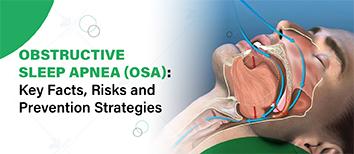
Obstructive Sleep Apnea occurs when the muscles in the throat relax excessively during sleep, causing the airway to become partially or fully blocked.
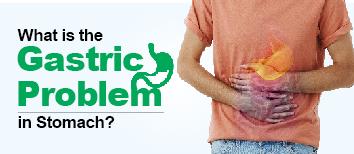
Gastric problems occur when excess acid or digestive disturbances affect the stomach lining, causing symptoms like bloating, acidity, and pain. Timely diagnosis ensures effective treatment.


Subscribe to our
© Copyright 2026. All Rights Reserved by Felix Healthcare Private Limited
Design and development by :


 +(91)9667064100
 Emergency : +(91)9667064100