 Emergency:
  WhatsApp

Subscribe to our
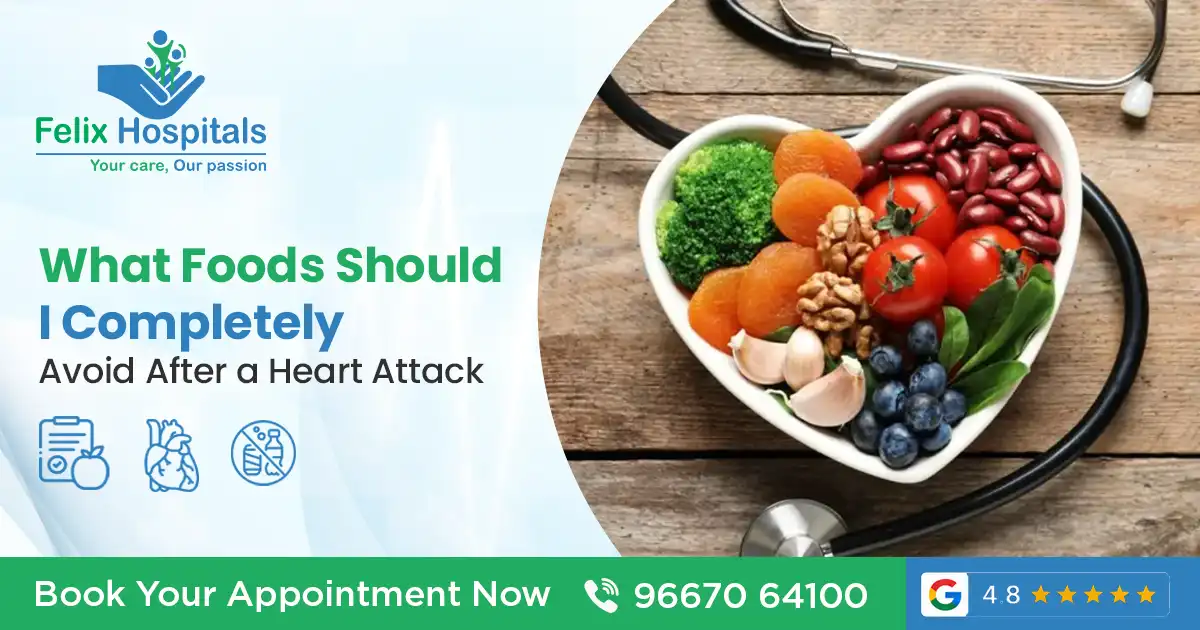
Recovering well after a heart attack depends heavily on what goes on your plate, and one of the first questions most patients ask is which foods bad for heart health should be cut out completely. The short answer is that deep-fried items, very salty foods, red and processed meats, sugary treats, and trans-fat bakery products are the main culprits to avoid, because they push up cholesterol, blood pressure, and inflammation at exactly the time your heart needs to heal.
This guide walks through what to avoid and, just as importantly, the food that are good for heart recovery that you can eat in their place. Cutting out harmful items is only half the job; filling your plate with the right food to eat for healthy heart function is what truly supports long-term recovery. Please personalize any plan with your cardiologist or dietitian, especially if you have diabetes, kidney disease, or are taking blood thinners.
A heart attack is a warning that the arteries supplying your heart have been narrowed or damaged, usually by a build-up of fatty plaque. The weeks and months that follow are a critical window in which the right eating pattern can slow further plaque build-up, ease the workload on your heart, and lower the chance of a second event. This is exactly why doctors place so much emphasis on identifying good food for heart patient recovery and steering people away from the items that quietly undo their progress.
Food influences almost every risk factor that led to the attack in the first place: cholesterol, blood pressure, blood sugar, body weight, and inflammation. Choosing the right food to eat for healthy heart repair helps keep all of these in check at once, while continuing to eat foods bad for heart health keeps the same forces working against you. The goal is not a brief crash diet but a sustainable shift you can maintain for life.
The list below covers the categories that cardiologists most often ask recovering patients to cut out or drastically reduce. Each one is a recognised source of foods bad for heart health, raising cholesterol, sodium, or inflammation in ways that directly threaten a recovering heart.
Category | Common Examples | Why to Avoid It |
Deep-fried and fast foods | Samosa, pakora, fries, fried chicken, chips | High in trans and saturated fat; raises bad cholesterol |
High-sodium and packaged foods | Pickles, papad, namkeen, instant noodles, packaged soups | Excess salt raises blood pressure and strains the heart |
Red and processed meat | Mutton, organ meats, sausages, salami, bacon | Linked to higher cholesterol and repeat heart events |
Added sugar and sweets | Mithai, pastries, sweetened drinks, ice cream | Promotes weight gain, diabetes, and higher triglycerides |
Trans-fat bakery items | Biscuits, cakes, puffs, vanaspati-based products | Trans fats are the single worst fat for arteries |
Full-fat and fried dairy | Cream, butter in excess, deep-fried paneer dishes | High saturated fat raises LDL cholesterol |
Anything deep-fried is among the clearest examples of foods bad for heart recovery. Frying loads food with trans and saturated fats that raise LDL (the harmful cholesterol) and encourage fresh plaque to form in already vulnerable arteries. This includes much-loved Indian snacks like samosa, pakora, and bhujia, as well as Western fast food such as burgers, fries, and fried chicken. Swapping these for baked, grilled, steamed, or air-fried versions removes most of the danger while keeping meals satisfying.
Excess salt is one of the most underestimated dangers after a heart attack because it raises blood pressure, which forces a recovering heart to work harder. The biggest sources are usually not the salt shaker but hidden sodium in packaged and preserved items: pickles, papad, namkeen, instant noodles, sauces, and processed cheese. Reducing these is a simple, high-impact step, and it pairs naturally with eating more food good for heart health such as fresh fruits and vegetables that are naturally low in sodium.
Red meat and processed meat sit firmly in the category of foods to limit or avoid in recovery. Mutton, organ meats, sausages, salami, and bacon are high in saturated fat and, in the case of processed varieties, sodium and preservatives that have been linked to a higher risk of repeat heart events. If you eat meat, lean skinless poultry and fish in modest amounts are far safer choices, and many patients do well replacing meat meals with protein-rich dal, beans, and paneer prepared without heavy frying.
Sugary foods and refined carbohydrates are deceptively harmful because they rarely feel as "unhealthy" as fried food, yet they remain clearly harmful to a recovering heart. Sweets, pastries, white bread, sugary tea, and soft drinks spike blood sugar, raise triglycerides, and drive weight gain, all of which work against recovery. Choosing whole grains and fruit over refined sugar is one of the easiest ways to shift toward food to eat for healthy heart repair without feeling deprived.
Trans fats are widely considered the worst fat for your arteries, and they hide in many everyday bakery and packaged products made with vanaspati or partially hydrogenated oils. Biscuits, cakes, puffs, cream-filled snacks, and many ready-to-eat items fall into this group. Reading labels and avoiding anything listing "partially hydrogenated" oil is a powerful habit, because removing trans fat is one of the surest ways to cut out foods bad for heart health entirely.
Heavy alcohol and sugary beverages both deserve a place on the avoid list. Alcohol can raise blood pressure and triglycerides and may interact with cardiac medications, so it should only be used, if at all, within strict limits set by your doctor. Sugary drinks add empty calories that fuel weight gain. Replacing them with water, unsweetened buttermilk, or herbal tea is a small change that supports a steady supply of food good for heart recovery throughout the day.
Avoiding the wrong foods is only half the story. The other half is loading your plate with the food that are good for heart recovery, because these actively lower cholesterol, steady blood pressure, and reduce inflammation. A simple food chart for heart patients can make this much easier to follow day to day, turning vague advice into clear choices at every meal.
Food Group | Recommended Choices | How It Helps the Heart |
Whole grains | Oats, brown rice, jowar, bajra, ragi, whole wheat | Fibre lowers cholesterol and steadies blood sugar |
Fruits and vegetables | Seasonal fruits, leafy greens, carrots, beans, tomatoes | Rich in potassium, fibre, and antioxidants |
Legumes and pulses | Moong, masoor, chana, rajma, lobia | Plant protein with no saturated fat |
Nuts and seeds | Almonds, walnuts, flaxseed, chia (small portions) | Healthy fats that support cholesterol balance |
Healthy oils | Mustard, groundnut, olive oil (in moderation) | Better fat profile than butter or vanaspati |
Omega-3 sources | Fish like salmon or sardine, flaxseed, walnuts | Reduce inflammation and support heart rhythm |
Whole grains are a cornerstone of any food chart for heart patients, because their soluble fibre actively pulls cholesterol out of the body. Replacing white rice and maida with oats, brown rice, ragi, jowar, and whole wheat is a straightforward upgrade. These grains also keep blood sugar steady and help you feel full for longer, which makes them an ideal good food for heart patient recovery and a reliable base for most meals.
Few choices do as much good as filling half your plate with vegetables and adding a couple of fruits a day. Packed with potassium, fibre, and antioxidants, they are classic food good for heart health that helps counter the effects of sodium and reduce arterial damage. Aim for variety and colour, since different pigments carry different protective compounds, and favour seasonal produce, which tends to be fresher and more affordable while still being excellent food that are good for heart recovery.
Pulses such as moong, masoor, chana, and rajma offer protein without the saturated fat found in meat, making them an excellent good food for heart patient meals. A small daily handful of nuts and seeds, particularly walnuts and flaxseed, adds healthy fats that support a better cholesterol balance. Because they are filling and versatile, these foods make it easier to stick with the right food to eat for healthy heart recovery instead of reaching for fried snacks.
Not all fat is harmful; the type matters far more than the total. Swapping butter, cream, and vanaspati for moderate amounts of mustard, groundnut, or olive oil supplies the kind of food that are good for heart health that supports recovery rather than working against it. The key word is moderation, since even healthy oils are calorie-dense, but choosing them over saturated and trans fats is a meaningful step in the right direction.
Omega-3 fatty acids are especially valuable after a heart attack because they reduce inflammation and help steady the heart's rhythm. Fatty fish such as salmon and sardine are the richest sources, while vegetarians can rely on flaxseed, chia, and walnuts. Including these regularly is one of the smartest ways to add food to eat for healthy heart repair to your routine and round out a balanced recovery diet.
Seeing how these principles fit into a normal day makes them far easier to follow. The sample below shows how a balanced diet chart for a heart patient might look across a typical day, using everyday Indian vegetarian foods. Treat it as a flexible template rather than a fixed prescription, and adjust portions to your weight, appetite, and any other conditions you have.
Time | Meal | Sample Options |
Early morning | On waking | Warm water; soaked almonds and walnuts (a small handful) |
Breakfast | Main meal | Vegetable oats or moong dal chilla, or 2 idlis with sambar, plus fruit |
Mid-morning | Snack | 1 seasonal fruit or a small bowl of papaya |
Lunch | Main meal | 2 multigrain rotis, 1 bowl dal, sabzi, salad, small bowl curd |
Evening | Snack | Roasted chana or sprouts, herbal tea or buttermilk |
Dinner | Lighter meal | Vegetable khichdi or 1 to 2 rotis with dal and cooked vegetables |
Bedtime | Optional | Warm low-fat milk if tolerated |
A practical diet chart for a heart patient works best when it is realistic and repeatable, so build it around foods you actually enjoy. The structure above keeps saturated fat and salt low while ensuring plenty of fibre and food that are good for heart recovery at every meal. Over time, this kind of diet chart for a heart patient becomes second nature and removes the daily guesswork from eating well.
Often the difference between a heart-harming meal and a heart-healthy one comes down to how it is cooked. The same vegetable can be deep-fried into a problem or steamed into a benefit. Building a habit of simple swaps turns everyday cooking into a reliable source of heart-healthy meals without demanding constant willpower.
Instead of This | Choose This | Why It Is Better |
Deep-fried snacks | Roasted, baked, or air-fried versions | Cuts trans and saturated fat sharply |
White rice and maida | Brown rice, oats, multigrain atta | More fibre, steadier blood sugar |
Butter, cream, vanaspati | Mustard, groundnut, or olive oil in small amounts | Healthier fat profile for arteries |
Salty packaged snacks | Fruit, roasted chana, unsalted nuts | Far less sodium, more nutrients |
Sugary drinks | Water, buttermilk, herbal tea | Removes empty sugar calories |
Beyond swaps, lean on cooking methods like steaming, boiling, grilling, and pressure-cooking, which need little or no added fat. Measuring oil with a spoon rather than pouring freely is a small trick that keeps portions honest. These habits make it easy to keep choosing the right food to eat for healthy heart recovery meal after meal.
Many of the worst offenders hide inside attractive packaging, so learning to read labels protects you in the supermarket. Check the sodium content per serving, scan for "partially hydrogenated" or vanaspati oils that signal trans fat, and watch for added sugars listed under names like syrup, dextrose, or maltose. A quick label check helps you avoid foods bad for heart health that might otherwise slip into your trolley disguised as a healthy snack.
Diet is powerful, but it works best alongside a few supportive habits. Gentle, doctor-approved activity such as walking helps your heart grow stronger, while quitting smoking removes one of the biggest threats to recovering arteries. Managing stress and sleeping well both help keep blood pressure steady. Together with the right food that are good for heart recovery, these habits give your heart the best possible environment to heal and stay healthy.
Diet and lifestyle changes support recovery, but they never replace medical care and monitoring. Please contact your doctor promptly if you notice any of the following warning signs, and treat chest symptoms as an emergency rather than something to wait out at home.
Chest pain, pressure, or tightness, especially if it spreads to the arm, jaw, or back
Breathlessness during rest or with very little activity
Unusual fatigue, dizziness, or fainting spells
Swelling in the legs, ankles, or feet
A rapid, pounding, or irregular heartbeat
Any return of the symptoms you had during your heart attack
This article offers general, educational guidance, but the ideal eating plan after a heart attack depends on your specific condition, medications, and any other illnesses you may have. The cardiology team at Felix Hospitals can review your reports, build a personalised recovery plan, and guide you on exactly which foods to embrace and avoid. To book a consultation, call +91 9667064100 and take the next step toward protecting your heart for the long term.
Medical Disclaimer: This article is intended for general educational purposes only and does not constitute personalised medical, dietary, or treatment advice. It is not a substitute for diagnosis, treatment, or guidance from a qualified physician, cardiologist, or registered dietitian. Individual nutritional and medical needs vary based on your heart condition, medications, cholesterol and blood pressure levels, and coexisting conditions such as diabetes or kidney disease. Always consult your doctor before making major changes to your diet, starting supplements, or altering any medication. If you experience symptoms such as chest pain, severe breathlessness, fainting, or a return of heart attack symptoms, seek emergency medical attention immediately. Felix Hospitals content is reviewed for general accuracy but cannot account for your individual clinical picture
The main foods to cut out are deep-fried and fast foods, very salty and packaged items, red and processed meat, added sugar and sweets, and bakery products made with trans fats or vanaspati. These raise cholesterol, blood pressure, or inflammation in ways that directly threaten a recovering heart, so removing them is one of the most important early steps.
Yes, Deep-fried and fast foods are high in trans and saturated fats that raise harmful LDL cholesterol and encourage fresh plaque to build up in already narrowed arteries. Eating them regularly is strongly associated with a higher risk of a repeat event, which is why baked, grilled, or steamed alternatives are a far safer choice during recovery.
Salt raises blood pressure, and high blood pressure forces a recovering heart to work harder than it should. Most excess salt comes from packaged and preserved foods rather than the salt shaker, so cutting back on pickles, papad, namkeen, and processed snacks has a bigger impact than many people expect. Fresh, home-cooked food makes salt much easier to control.
Red and processed meats are best avoided or strictly limited, since they are high in saturated fat and, in processed forms, sodium and preservatives linked to repeat heart events. If you do eat meat, choose small portions of lean, skinless poultry or fish rather than mutton, organ meats, or processed items like sausages and salami.
Focus on whole grains, plenty of fruits and vegetables, pulses, a small daily handful of nuts and seeds, and healthy oils used in moderation. Including omega-3 sources such as fish, flaxseed, and walnuts is also valuable. Together these choices lower cholesterol, steady blood pressure, and reduce inflammation, giving your heart the support it needs to heal.
As soon as your medical team advises, which is usually right away. The weeks following a heart attack are a critical window, and starting heart-healthy eating early helps slow further plaque build-up and lowers the risk of another event. Your cardiologist or dietitian can help you make gradual, sustainable changes rather than an overwhelming overnight overhaul.
No, Fat type matters far more than total fat. The harmful fats are trans and excess saturated fats found in fried food, vanaspati, and full-fat dairy. Healthy fats from nuts, seeds, fish, and oils like mustard, groundnut, and olive oil, used in moderation, actually support recovery and should remain part of your diet.
Many people can, in moderation. Low-fat milk, curd, and modest amounts of egg are generally acceptable for most patients, while full-fat cream, butter, and deep-fried paneer dishes are best limited. Because individual cholesterol responses vary, confirm your specific limits with your doctor, particularly if your cholesterol remains high.
Yes, A well-planned vegetarian diet built on whole grains, pulses, vegetables, fruits, nuts, and seeds is excellent for the heart, as it is naturally low in saturated fat. The main things to watch are limiting fried foods, full-fat dairy, and refined carbohydrates, and ensuring enough protein from sources like dal, beans, and paneer prepared without heavy frying.
Most guidance suggests keeping salt to a modest level, often around five grams a day or less, but your doctor may set a stricter limit depending on your blood pressure and heart function. The simplest approach is to cook fresh, avoid added table salt, and steer clear of high-sodium packaged foods, then let your physician fine-tune the target.
Dr. Abad Khan provides expert care for heart problems, including chest pain, high blood pressure, and other cardiac conditions.
Early diagnosis helps keep your child healthy and safe.
Cold weather affects the body in several ways that can increase cardiovascular risks.


Subscribe to our
© Copyright 2026. All Rights Reserved by Felix Healthcare Private Limited
Design and development by :


 +(91)9667064100
 Emergency : +(91)9667064100