 Emergency:
  WhatsApp


Subscribe to our
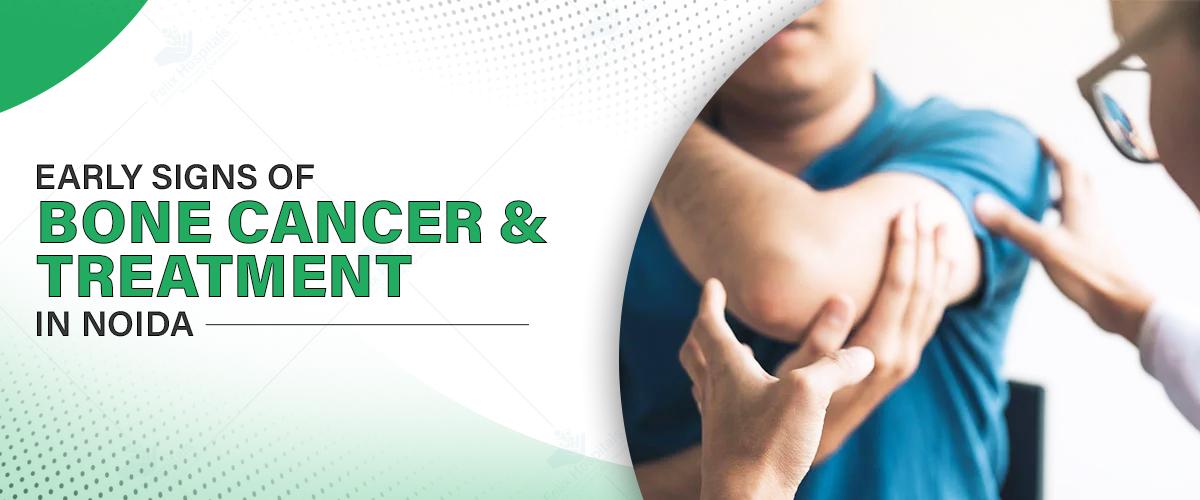
Bone cancer is a serious but rare disease that must be identified early and treated. Most of its patients confuse symptoms of bone cancer with orthopedic or joint disorders, and hence it is diagnosed late. But if it is treated in the proper environment, early intervention can make a big difference in outcomes. With the best bone cancer hospital in Noida, along with highly experienced oncologists, state-of-the-art diagnosis tools, and a wide range of treatment options, early detection of bone cancer and successful treatment are guaranteed.
Worried about joint pain or broken bones that won't go away? Get a professional opinion Call at +91 9667064100.
Bone cancer occurs when the bone cells begin to grow abnormally in an uncontrolled way, developing tumors. The tumors weaken the bone, cause pain, and, if left untreated, metastasize to other parts of the body such as the lungs or liver.
Bone cancer is either primary (within the bone) or secondary (metastatic from another organ). Primary bone cancers are:
Osteosarcoma – the most common one, often arising in young adults and children.
Chondrosarcoma – typically occurs in adults above 40 years of age.
Ewing sarcoma – usually presents in adolescents and young adults.
Secondary tumors occur more often and occur when cancers like breast, lung, or prostate cancer metastasize to the bones.
One of the key features in the management of this condition is early detection of bone cancer. These tend to overlap with everyday orthopedic symptoms and therefore vigil is the watchword. These early signs of bone cancer include:
Chronic pain in the joint or bone – often worse with use or at night.
Tenderness or a soft mass above the affected area.
Restricted movement near the involved bone or joint.
Pathological fractures, where bones break with minimal or no trauma.
Fatigue, weight loss, and fever without apparent cause.
These are not signs to be ignored, particularly if they continue despite standard treatments for injury or orthopedic problems. Early bone cancer diagnosis and treatment depends largely on patients reporting these signs early to their physician.
The precise reason for bone cancer is not yet known, but some factors can make you more likely to develop it, including:
Genetic syndromes like Li-Fraumeni syndrome or inherited retinoblastoma.
Paget's disease of bone predisposing the elderly to cancerous transformation.
Radiation exposure, particularly high-dose therapy used for a different malignancy.
Family history of unusual cancers or bone disease.
In many patients, bone cancer occurs without identifiable risk factors.
Unless they are diagnosed early, bone tumors may result in severe complications, including:
Pathologic fractures due to decreased bone strength.
Nerve compression causing pain, tingling, or numbness.
Metastasis, typically to the lungs or other bones, making it harder to treat.
Early bone cancer diagnosis and treatment contain the keys to reducing these risks.
Accurate diagnosis is essential for effective treatment planning. Diagnosis and treatment of bone cancer in Noida may involve sophisticated imaging and lab support. Tests that are performed, including:
X-rays – to identify suspected lesions or fractures.
MRI and CT scans – to monitor the exact size and area of the tumor.
Bone scans and PET scans – to check whether and how much disease has spread to the other bones or organs.
Biopsy – a mandatory examination where a tiny sample of tissue is analyzed in order to determine cancer type.
It cannot be treated without a biopsy since it will confirm whether a tumor is benign or malignant and identify the exact treatment procedure.
Modern health centers today provide full bone cancer treatment in Noida, so patients can access the newest treatments. The treatment process also differs depending on the type of tumor, site and. Some common modalities include:
Surgical removal of the tumor remains the primary treatment. Limb-sparing surgery is performed whenever feasible instead of amputation.
Particularly helpful in cancers like osteosarcoma and Ewing sarcoma. It shrinks tumors before the surgery and prevents recurrence.
Helpful if surgery is not feasible or in addition to surgery and chemotherapy. It is also used to ease pain from advanced disease.
A newer option that specifically attacks genetic mutations in the tumor, with fewer side effects and more precision.
Felix Hospitals is one of the leading hospitals for cancer treatment because of its patient-centric philosophy and oncology facilities of international standards. The hospital has a multidisciplinary team of best oncologist for bone cancer in noida, orthopedic surgeons, radiologists, and rehabilitation specialists who create customized treatment plans for each patient. With advanced imaging, diagnostic, and surgical equipment, Felix gets cancer detection right and intervention successful. Regular follow-up visits with the oncology team to detect recurrence and treat long-term side effects of treatment are necessary.
Are you worried about signs of bone cancer? Talk to expert oncologists call at +91 9667064100.
Bone cancer is a complex disease that can affect anyone at any age, but early intervention can alter the course of action. Knowing the warning signs of bone cancer, undergoing proper diagnosis, and choosing treatment in a specialized facility are the secrets to the healing process. With experienced specialists, latest therapies, and end-to-end treatment, patients can look forward to successful treatment and improved quality of life.
Q1. What kinds of treatments are there for bone cancer?
Ans: The kind and stage of bone cancer will determine how it is treated. It could involve surgery, chemotherapy, radiation therapy, or therapy that targets specific areas. In more serious cases, doctors often suggest using more than one treatment.
Q2. Is it possible to cure bone cancer?
Ans: If you catch bone cancer early, it can be treated well. The type, stage, and how well the cancer responds to treatment all affect the outcomes. Early diagnosis significantly enhances survival rates.
Q3. Is surgery always needed for bone cancer?
Ans: Not all the time. Surgery is a common way to treat cancer, but some cases can be treated with only chemotherapy or radiation, especially if the cancer can't be removed.
Q4. Can bone cancer spread to other parts of the body?
Ans: Yes, bone cancer can spread, and it usually goes to the lungs and other bones. This is why it's so important to find things early and get them treated right away.
Q5. How does recovery go after treatment for bone cancer?
Ans: The treatment you choose will affect how long it takes to get better. Physiotherapy may be necessary for mobility post-surgery, and chemotherapy or radiation may induce transient side effects. With the right follow-up care, most patients slowly get back to their normal lives.
Q6. Why should you go to Felix Hospital for bone cancer treatment in Noida?
Ans: Felix Hospital is one of the best places in Noida to get cancer care. It has state-of-the-art diagnostic tools, skilled oncologists, and a wide range of treatment options that are tailored to each patient's needs.
Bone fractures are common injuries from accidents or falls. While many heal well, complications can arise, affecting recovery. Learn more about these issues and treatments.

Subscribe to our
© Copyright 2026. All Rights Reserved by Felix Healthcare Private Limited
Design and development by :


 +(91)9667064100
 Emergency : +(91)9667064100