 Emergency:
  WhatsApp

Subscribe to our
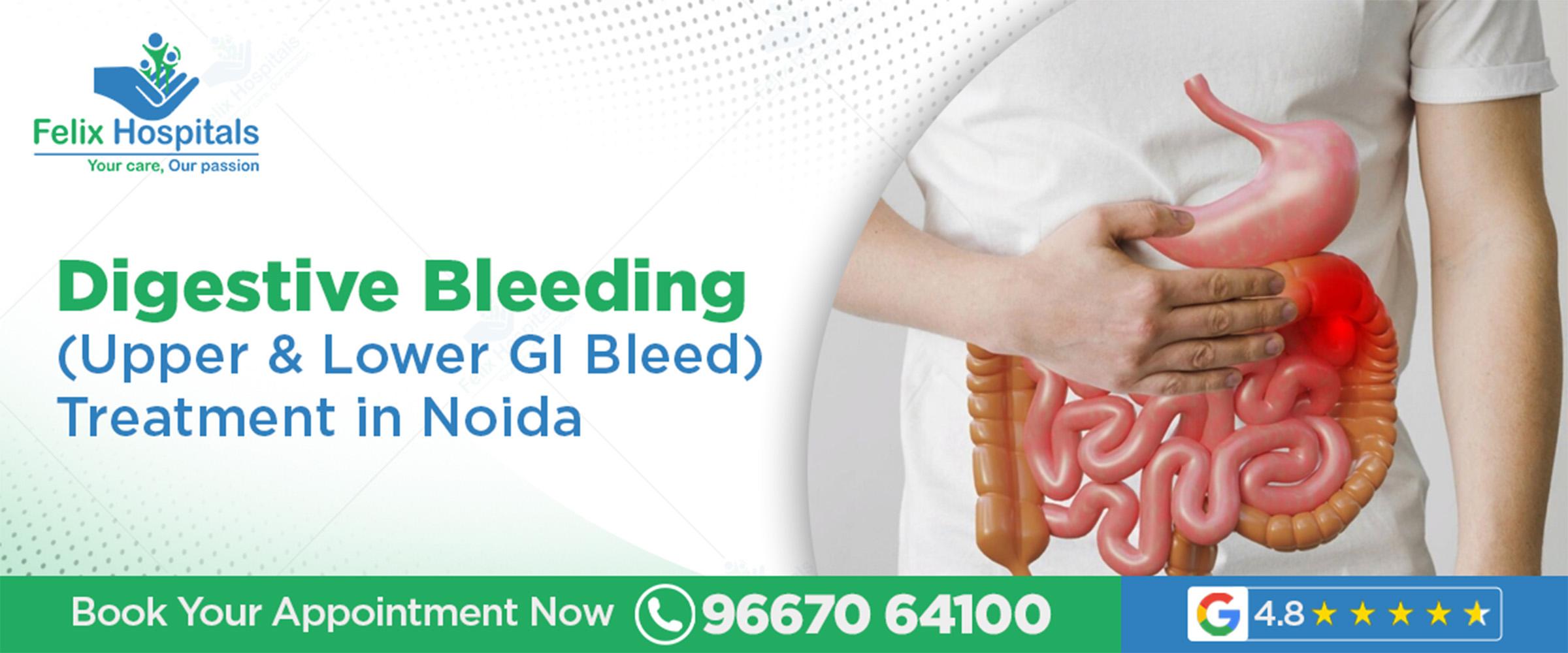
Digestive bleeding is a serious medical condition that can range from mild to life-threatening depending on its cause and severity. It refers to bleeding that occurs anywhere along the gastrointestinal tract, from the esophagus to the rectum. Causes of upper and lower GI bleeding vary widely and may include ulcers, infections, inflammation, tumors, or blood vessel abnormalities. Prompt diagnosis and timely medical intervention are critical to prevent complications such as severe anemia, shock, or organ damage.
Experiencing blood in stools or vomiting blood? Get expert care immediately. Call +91 9667064100
The digestive tract is broadly divided into upper and lower sections, and bleeding can occur in either region. Digestive bleeding diagnosis and management begins with identifying whether the source is upper GI (esophagus, stomach, duodenum) or lower GI (small intestine, colon, rectum), as symptoms and treatment approaches differ.
Upper GI bleeding may present with black, tarry stools or vomiting blood, while lower GI bleeding often causes fresh blood in stools. Accurate classification guides emergency care and long-term treatment.
Digestive bleeding is not a disease but a symptom of underlying conditions. Causes of upper and lower GI bleeding may differ based on age, lifestyle, and medical history.
Common causes include:
Peptic ulcers
Gastritis or esophagitis
Hemorrhoids or anal fissures
Polyps or colorectal cancer
Long-term use of painkillers or blood thinners
Identifying the root cause is essential for effective treatment.
Many people delay care because symptoms appear mild initially. Gastro emergency treatment Noida is required if warning signs suggest active or severe bleeding.
Red-flag symptoms include:
Dizziness or fainting
Rapid heartbeat
Pale skin or weakness
Persistent abdominal pain
Sudden drop in blood pressure
These symptoms indicate an emergency requiring immediate hospital care.
Accurate diagnosis is the foundation of effective care. Digestive bleeding diagnosis and management relies on advanced diagnostic tools to locate the source of bleeding and assess severity.
Common investigations include:
Endoscopy or colonoscopy
Blood tests to check hemoglobin levels
Imaging studies like CT scans
Stool tests
Early testing improves outcomes and reduces complications.
Severe cases require immediate stabilization before definitive treatment. Gastro emergency treatment Noida focuses on stopping bleeding and supporting vital functions.
Emergency care may involve:
IV fluids or blood transfusions
Medications to reduce stomach acid
Endoscopic procedures to control bleeding
Close monitoring in intensive care
Quick response can be life-saving.
Not all digestive bleeding requires surgery. Many cases respond well to medications and minimally invasive procedures. Best doctor for GI bleed treatment in Noida will tailor therapy based on the cause and severity.
Treatment may include:
Acid-suppressing drugs
Antibiotics for infections
Endoscopic clipping or cauterization
Management of underlying conditions
Individualized care ensures better recovery.
Endoscopy plays both a diagnostic and therapeutic role. GI bleeding specialist Noida often uses endoscopy to directly visualize and treat the bleeding source.
Through endoscopy, doctors can:
Seal bleeding vessels
Remove polyps
Inject medications
Prevent recurrence
This reduces the need for open surgery.
Surgery is reserved for cases where bleeding cannot be controlled by other methods. Digestive bleeding diagnosis and management helps determine when surgical intervention is necessary.
Surgery may be required if:
Bleeding is severe and persistent
Tumors or large ulcers are present
There is bowel perforation
Other treatments have failed
Timely surgery can prevent life-threatening complications.
Recovery depends on the cause and severity of bleeding. Best gastroenterologist in Noida ensures structured follow-up to prevent recurrence and manage long-term risks.
Post-treatment care includes:
Dietary modifications
Medication adherence
Regular monitoring
Lifestyle changes
Proper follow-up improves long-term digestive health.
While not all cases are preventable, risk can be reduced. Causes of upper and lower GI bleeding often relate to lifestyle and medication use.
Preventive measures include:
Avoiding excessive painkiller use
Limiting alcohol consumption
Managing chronic conditions
Seeking early medical advice for symptoms
Prevention plays a key role in long-term wellbeing.
Expert care significantly affects outcomes. Consulting a best doctor for GI bleed treatment in Noida ensures access to advanced diagnostics, emergency care, and specialized treatment.
A qualified specialist offers:
Accurate diagnosis
Rapid intervention
Multidisciplinary support
Personalized care plans
Experience matters in complex GI emergencies.
Digestive bleeding requires expertise beyond general medicine. A GI bleeding specialist Noida is trained to manage both routine and complex cases with precision.
Specialized care ensures:
Faster diagnosis
Lower complication rates
Better recovery outcomes
Reduced recurrence
Choosing the right care team saves lives.
For advanced diagnosis and safe treatment of digestive bleeding, book a consultation today. Call +91 9667064100
Digestive bleeding is a medical emergency that should never be ignored. Whether caused by ulcers, infections, or chronic conditions, timely diagnosis and expert treatment are essential to prevent serious complications. With advanced diagnostic tools, skilled specialists, and emergency care facilities, patients can receive effective treatment and long-term management for both upper and lower GI bleeding.
Seeking early care, following medical advice, and choosing experienced gastroenterology treatment in Noida ensures safety, faster recovery, and improved quality of life.
Q. 1. Is digestive bleeding always an emergency?
Ans. Not always, but severe or persistent bleeding requires urgent medical attention.
Q. 2. Can GI bleeding stop on its own?
Ans. Mild cases may resolve, but medical evaluation is essential to identify the cause.
Q. 3. How long does recovery take?
Ans. Recovery varies depending on cause, severity, and treatment method.
Q. 4. Can GI bleeding recur?
Ans. Yes, especially if underlying conditions are not treated properly.
Q. 5. Who should I consult for GI bleeding?
Ans. A gastroenterologist with experience in managing digestive bleeding.
Looking for reliable treatment for diarrhea in Noida? Discover top-rated clinics and hospitals offering expert gastroenterology care, accurate diagnosis, and fast relief. Get treated by trusted specialists using modern techniques and patient-first approac
Wondering why you're suddenly facing diarrhea in Noida? Learn the key differences between food poisoning and infections, their symptoms, and how to manage them effectively.

Learn effective ways to prevent diarrhea during the monsoon season by following simple hygiene, dietary, and lifestyle practices to stay healthy.

Expert gastroenterology care for better digestive health, offering advanced diagnosis and treatment for GERD, IBS, ulcers, and liver disorders.


Subscribe to our
© Copyright 2026. All Rights Reserved by Felix Healthcare Private Limited
Design and development by :


 +(91)9667064100
 Emergency : +(91)9667064100