 Emergency:
  WhatsApp

Subscribe to our
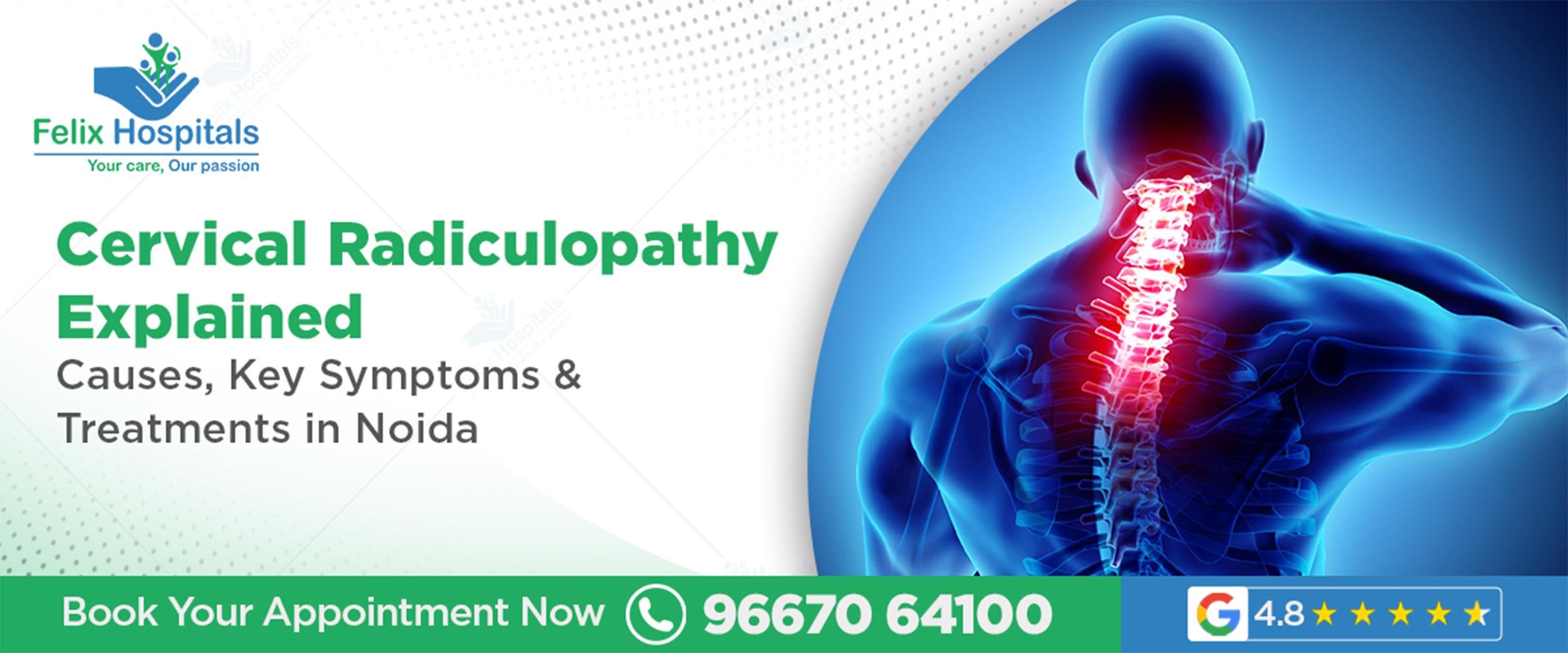
Cervical radiculopathy occurs when a nerve in the neck is compressed or irritated, leading to pain, weakness, or numbness radiating from the neck to the shoulders, arms, or hands. This condition is commonly caused by herniated discs, bone spurs, or degenerative changes in the cervical spine. Recognizing the causes of cervical radiculopathy and seeking timely treatment is essential to prevent long-term nerve damage and improve quality of life.
If you are experiencing neck pain, tingling, or weakness in your arms, call +91 9667064100 now to consult a specialist at a physiotherapy or neurology center in Noida.
The cervical spine consists of seven vertebrae and numerous nerves that control sensations and movement in the upper body. When these nerves are compressed or inflamed, patients may experience pain that radiates down the arm, numbness, tingling, or muscle weakness. Early identification and management through targeted therapy can prevent chronic disability and improve function for patients seeking treatment of cervical radiculopathy in Noida.
Understanding the underlying causes of cervical neck pain radiculopathy helps in planning effective treatment:
When the soft inner material of a cervical disc protrudes through its outer layer, it can press on nearby nerves, causing pain and neurological symptoms.
Age-related wear and tear leads to thinning discs and bone spurs, which may compress cervical nerves.
This condition involves arthritis-like changes in the cervical spine, contributing to nerve irritation.
Falls, accidents, or sudden impacts can damage discs or vertebrae, resulting in nerve compression.
Chronic poor posture, prolonged computer use, or repetitive neck movements can gradually irritate cervical nerves.
Early recognition of symptoms of cervical radiculopathy is essential for prompt care. Common signs include:
Persistent neck pain radiating to shoulders, arms, or hands
Tingling, numbness, or a “pins-and-needles” sensation in the arms or hands
Muscle weakness affecting grip or arm movement
Reduced reflexes in the upper extremities
Pain that worsens with certain neck movements
These symptoms may mimic other conditions, so consultation with a brain tumor treatment in Noida or neurologist is recommended for proper evaluation.
Immediate consultation is advised if symptoms include:
Sudden, severe neck or arm pain
Rapid progression of numbness or weakness
Difficulty performing daily tasks
Persistent pain unrelieved by medications or rest
Early medical attention can prevent permanent nerve damage and guide effective treatment of cervical radiculopathy.
Experiencing neck pain, tingling, or weakness in your arm? Call +91 9667064100 to book an appointment with a top cervical radiculopathy specialist in Noida.
Doctors use a combination of clinical evaluation and imaging studies to identify the root cause:
Tests for reflexes, muscle strength, sensation, and neck movement help pinpoint the affected nerve.
MRI and CT scans provide detailed images of the cervical spine, revealing herniated discs, bone spurs, or degenerative changes.
This test evaluates nerve function and identifies the degree of nerve compression.
Help visualize spinal alignment, bone spurs, and structural changes contributing to nerve irritation.
Accurate diagnosis ensures the best treatment of cervical radiculopathy tailored to each patient.
Treatment for cervical radiculopathy depends on severity, cause, and the patient’s overall health.
Pain medications and anti-inflammatory drugs
Neck braces or collars to reduce strain
Physiotherapy exercises to improve posture and strengthen neck muscles
Lifestyle modifications, including ergonomic adjustments
These approaches are effective in most cases and reduce the need for surgical intervention.
Targeted exercises under a specialist help:
Reduce nerve irritation
Improve range of motion
Strengthen supporting muscles
Enhance posture
Regular physiotherapy can prevent recurrence and support long-term neck health.
For persistent pain, options include:
Epidural steroid injections to reduce inflammation
Nerve blocks to manage chronic pain
These interventions provide relief without major surgery.
In severe or progressive cases, surgical options are considered:
Discectomy: Removing the herniated portion of a disc
Cervical fusion: Stabilizing affected vertebrae
Artificial disc replacement
Surgery aims to relieve nerve compression and restore function, often performed at a best brain tumor hospital in Noida or advanced neurology center.
Preventing cervical radiculopathy or reducing recurrence involves:
Maintaining proper posture while sitting and working
Using ergonomic furniture and devices
Taking regular breaks from prolonged desk work
Practicing neck stretching and strengthening exercises
Avoiding repetitive strain and sudden neck movements
Regular monitoring by a specialist ensures ongoing spinal health and prevents progression of symptoms.
Felix Hospital provides advanced neurology and rehabilitation services for cervical radiculopathy patients. The hospital combines expert neurologists, physiotherapists, and state-of-the-art diagnostic facilities to deliver personalized care. With a multidisciplinary approach, patients benefit from accurate diagnosis, effective treatment plans, and comprehensive rehabilitation to restore strength and function in the neck and arms.
Cervical radiculopathy can significantly affect daily life, but early recognition of symptoms of cervical radiculopathy and timely intervention can prevent permanent nerve damage. A combination of physiotherapy, lifestyle modifications, and, in severe cases, surgical management ensures optimal recovery. Patients in Noida should consult a specialist early to receive precise diagnosis and effective treatment from experienced healthcare professionals.
For expert evaluation and treatment of cervical radiculopathy, call +91 9667064100 today to book an appointment at Felix Hospital in Noida.
Q. 1. What are the early signs of cervical radiculopathy?
Ans. Pain radiating from the neck to arms, numbness, tingling, and weakness are common early signs.
Q. 2. Can cervical radiculopathy improve without surgery?
Ans. Yes, many cases respond well to medications, physiotherapy, and lifestyle adjustments.
Q. 3. How long does recovery take?
Ans. Recovery varies by severity but can range from a few weeks to several months with consistent therapy.
Q. 4. Which exercises help with cervical radiculopathy?
Ans. Neck stretches, posture correction exercises, and strengthening routines guided by a physiotherapist are effective.
Q. 5. When should I see a neurologist?
Ans. Consult a neurologist immediately if pain worsens, weakness progresses, or daily activities are affected.
Cervical laminectomy relieves neck pain by reducing spinal pressure, helping restore mobility and quality of life.

Chronic neck pain can limit daily life—consult a spine expert today for accurate diagnosis and effective treatment options.

A burning sensation in the fingertips can be a sign of nerve damage. Early evaluation helps prevent complications.

Sciatica Nerve Pain can cause sharp, shooting pain that radiates from the lower back to the legs. It often results from a herniated disc or spinal issues pressing on the sciatic nerve.


Subscribe to our
© Copyright 2026. All Rights Reserved by Felix Healthcare Private Limited
Design and development by :


 +(91)9667064100
 Emergency : +(91)9667064100