 Emergency:
  WhatsApp

Subscribe to our
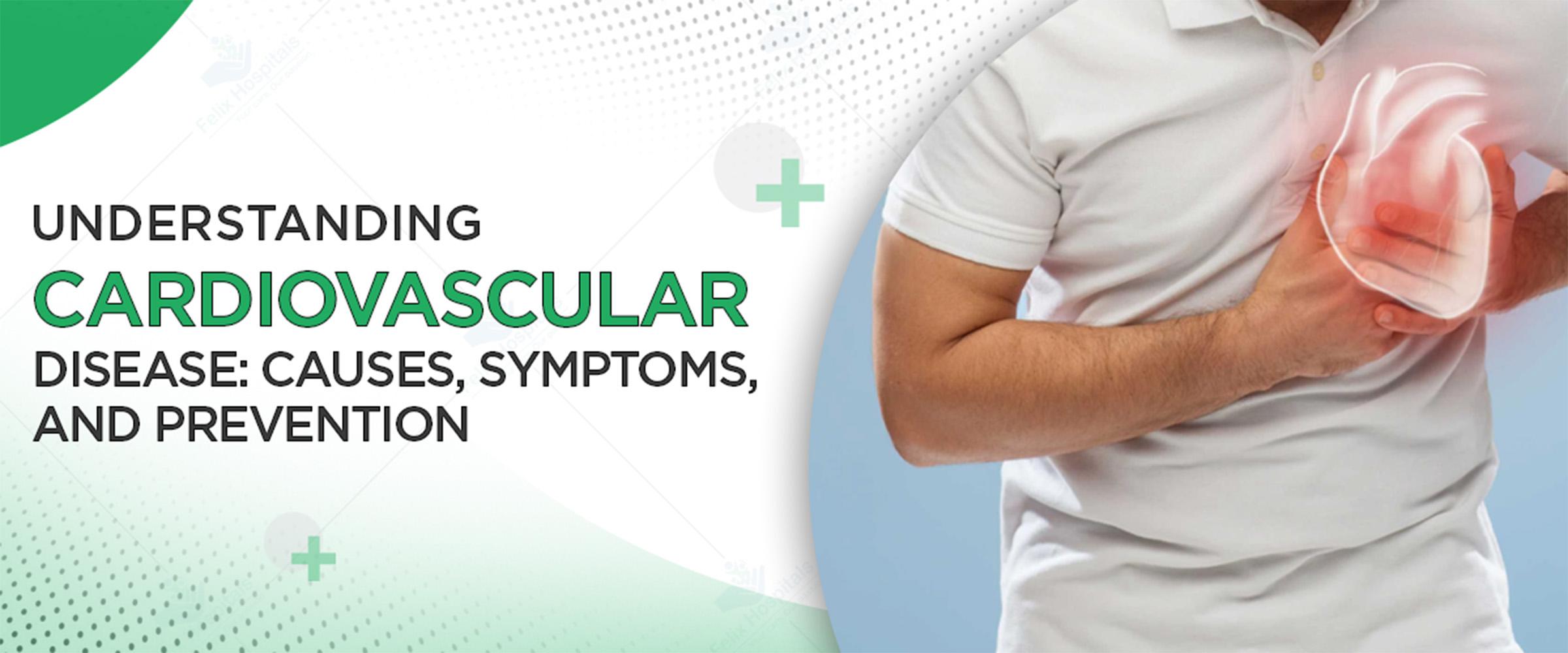
Cardiovascular disease (CVD) is actually considered to be one of the primary causes of illness in the whole world. It impacts millions of people, irrespective of their age or their sex. To live long and healthily, it is also important to maintain a healthy heart. For those seeking expert care, consulting a Cardiovascular disease specialist doctor in Greater Noida can provide timely diagnosis and personalized treatment plans. Finding a reliable Cardiology hospital near me in Greater Noida ensures access to advanced diagnostic tools and specialized cardiac care. The key to the successful management and long-term wellness lie in knowing the causes, recognizing the initial symptoms, and prevention of CVD.
Chest pain or symptoms of a heart-attack? Need Emergency care call at +91 9667064100.
CVD encompasses diseases of the heart and blood vessels: coronary artery disease (CAD), heart attacks, heart failure, arrhythmias etc. Lifestyle factors build fatty plaques within arteries and consequently trigger or deteriorate most CVDs. This is caused by the plaques or atherosclerosis that make the vessels narrow and decrease blood flow and increase the risk of chest pain, heart attacks and strokes.
The cardiovascular disease is caused by a number of risk factors:
Beyond the normal levels of cholesterol, the surplus cholesterol is in the form of plaques, which constrict vessels and block blood circulation.
Sugar elevates blood pressure and high blood sugar causes great risk.
Tobacco chemicals weaken the linings of the arteries and make them clot.
Overweight facilitates hypertension, diabetes and unhealthy cholesterol.
Having weakened heart muscles, poor circulation and increased weight.
Rich in fats and trans fats, salt, and sugar.
Heredity increases risks of developing heart disease.
Increased cortisol increases blood pressure and inflammation.
Knowing what are the early symptoms of heart disease is vital for early intervention. Common early symptoms include:
Pain or discomfort in the chest is usually referred to as pressure, squeezing or heaviness.
Oxygen insufficiency in the body during exercise or when uneasy.
Weakness that does not have a cause and he cannot perform activities.
Solution: Palpitations or irregular heartbeats.
Lightheadedness or fainting.
Motion or lack of sensation of the legs, typically lower limbs, but this happens during movement.
Long-term coughing or wheezing, which may be accompanied by heart failure.
The disease manifests itself through numerous symptoms, many of which do not have apparent symptoms till the disease advances and, therefore, periodic check-ups would help.
The diagnosis typically entails a set of tests and assessments to examine the functioning of the heart besides identifying the anomalies:
Physical examination and medical history.
Cholesterol, blood sugar and heart disease marker blood tests.
Electrocardiogram (ECG) to measure electrical activity.
Ultrasound assessment of the heart structure and function using echocardiogram.
Stress testing to monitor the performance of the heart when strained.
Cardiac CT scans or angiography to see blood vessels and determine the blockages.
Frequent blood pressure checkups in order to detect high blood pressure.
The tests assist physicians in developing individualized care models and prescribing drugs or altering lifestyles.
Recognizing what are warning signs of a heart attack can save lives by enabling fast medical response. Warning signs often include:
Consecutive severe chest pain or discomfort, which lasts more than several minutes.
Pain is radiated in the shoulder, arm, back, neck, jaw, or stomach.
Not dyspnea associated with exercise.
Cold sweat, nausea or vomiting.
Extreme fatigue or weakness.
The atypical signs can be exhibited by women, older people and patients with diabetes including jaw pain or nausea without the pain in the chest. These symptoms could result in delirium, confusion, or coma and should be taken to emergency care immediately.
While traditionally associated with older adults, what are the risk factors for heart disease in young adults? has gained increasing attention. Factors include:
Unhealthy lifestyle with little exercise.
Like bad eating habits on high process and sugar meals.
Smoking and substance use.
Obesity and metabolic syndrome.
High stress levels and mental disorders.
Family history of premature heart disease.
Diagnostic hypertension or diabetes.
Exposure to environmental contamination and unfavorable environmental elements.
The first way that the young adults can lessen the risk is through changing their lives at an early age and routine medical checkups.
Cardiovascular disease can be countered best through prevention. Proven strategies include:
Eat Healthy: Focus on fruits, vegetables, whole grains, lean proteins, and healthy fats.
Cessation of Smoking: Do not use tobacco products, use cessation support.
Control the Blood Pressure and Cholesterol: Check it and get on medicines.
Obesity: Keep an ideal weight through calorie reduction combined with physical exercise.
Alleviate Anxiety: Relaxation (meditation, yoga or hobbies).
Control the use of Alcohol: Do not be a binge drinker.
In case you feel any of the following symptoms like, chest pains, shortness of breath, dizziness or palpitations, you should immediately consult a Cardiovascular disease specialist doctor in Greater Noida promptly. Early diagnosis at a trusted Cardiology hospital near me in Greater Noida ensures quick intervention, preventing progression and complications. Checkups are also important even when you have no symptoms particularly when you have risk factors.
Need cardiovascular preventive checkups? Make a reservation for a full screening via calling at +91 9667064100.
Learning about cardiovascular disease, its causes and symptoms, diagnosis and prevention is the key to maintaining a healthy heart. The collaboration with a doctor, a Cardiovascular disease specialist in Greater Noida, will provide you with professional advice according to your requests. The selection of the optimal cardiology hospital in the vicinity offers you access to new diagnostics and treatment services aimed at enhancing the results. The basis of a heart-healthy life consists in the adoption of healthy habits and timely medical consultation, which would minimize risks and increase lifespan.
Q1 : Is it possible to have a heart attack without having any pain in the chest?
Ans: Yes, particular in women, elderly, and diabetics, who can have a peculiar symptom, such as tiredness or sore jaw.
Q2: What number of times should the heart checkups be performed?
Ans: Visits to the doctor should be made on a regular basis every year with cholesterol, blood pressure examined at least four and six years or even frequent in cases where the risk factors are involved.
Q3: Is heart disease hereditary?
Ans: It can be increased by family history, however, the most significant impact on the development is produced by lifestyle choices.
Q4: Is it possible to develop a heart disease under stress?
Ans: Cardiovascular risk is also increased with chronic stress, which elevates blood pressure and inflammation.
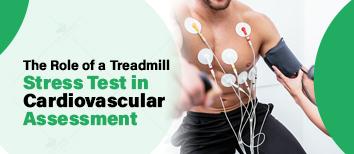
The primary goal of the Treadmill Stress Test is to evaluate how well the heart responds to increased physical activity
In Noida hospitals, recognized for being among the best heart health hospitals in Noida, are at the forefront of offering critical care for heart-related issues.
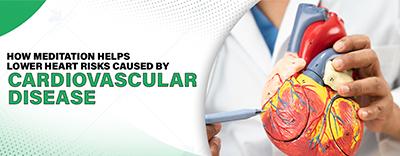
Meditation reduces stress, lowers blood pressure, and improves heart health, helping to prevent cardiovascular disease.


Subscribe to our
© Copyright 2026. All Rights Reserved by Felix Healthcare Private Limited
Design and development by :


 +(91)9667064100
 Emergency : +(91)9667064100