 Emergency:
  WhatsApp

Subscribe to our
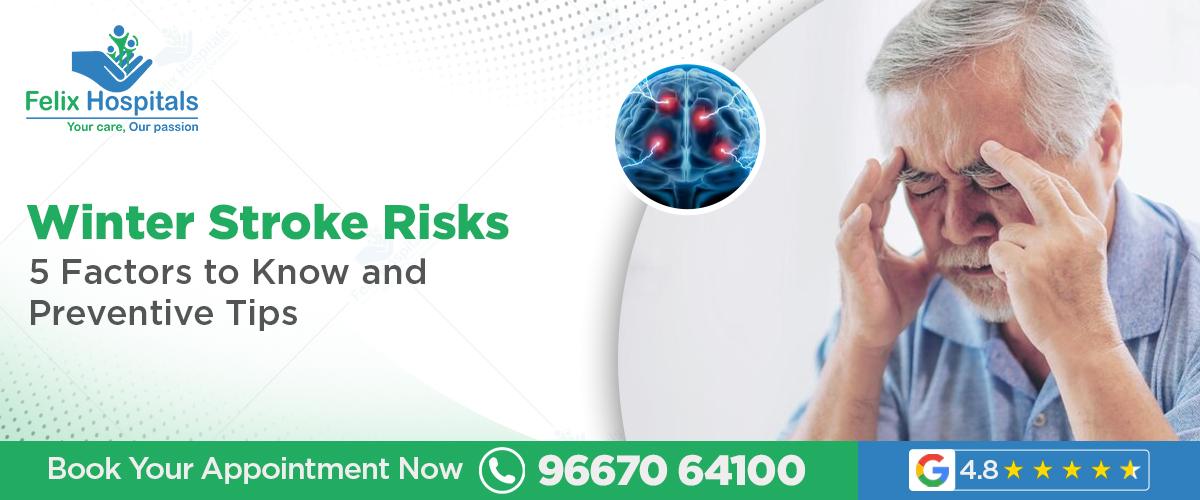
Winter comes with chilly weather, short days, and joyous holidays, and it also escalates some dangers to our health, such as winter stroke dangers. Low temperatures affect blood pressure, circulation, and cardiovascular function, and through this process, put individuals at high risk of stroke and heart attack. Education on winter stroke causes and prevention reduces health complications.
Residents in Noida must also pay close attention to these risk factors and see a Best General Physician Hospital in Noida to get individual guidance in the prevention of stroke and overall cardiovascular protection.
Get heart and brain checkup done with seasoned doctors at Best General Physician Hospital in Noida. Call us at +91 9667064100 today.
Winter stroke is defined as a stroke that happens or happens more during the winter season of the year. A colder climate has the ability to affect the circulatory and cardiovascular systems of the body and put it at risk of developing a blood clot, high blood pressure, and inflammation, all of which can cause a stroke.
Winter stroke symptoms are similar to any stroke but might have been aggravated in winter. Identification of winter stroke at an early stage aids in planning effective medical intervention. Certain common symptoms of winter stroke include sudden numbness, weakness on either side of the body, difficulty in communicating, severe headache, and dizziness.
Different physiological and environmental factors make winter a more risky season for strokes:
Low temperatures: Blood vessels narrow down, elevating blood pressure and stroke risk.
Reduced sunlight: Low vitamin D concentrations could reduce cardiovascular health.
Sedentary life: Individuals remain idle at home, minimizing bodily movement and circulation.
Respiratory infections: Influenza and common cold infections may even raise inflammation and thrombotic risk.
Cold tightens up blood vessels, which might also raise blood pressure. Higher blood pressure is among the leading causes of stroke.
Buckle up both inside and outside to avoid sudden increases in blood pressure.
Regular visits to a Best General Physicians in Noida will also ensure that hypertension is managed efficiently.
Low temperatures have the potential to thicken the blood and make it more likely to clot. Blood clots have the potential to close off arteries that run to the brain and cause ischemic strokes. Individuals who have had heart or clotting disease before are also at greater risk in winter.
Note: Hydration and minimizing the longer duration of immobilization could reduce the risk of thrombus development.
In winter, the level of physical activity decreases and people also have a tendency to indulge in dense diets containing high salts and fatty foods. Such lifestyle changes raise cholesterol, weight, and hypertension, all of which are risk factors for stroke.
Make regular indoor exercise or light outdoor activity.
Eat healthy foods such as fruits, vegetables, and low sodium food.
It is winter and flu season, and such infections as influenza might indirectly raise the risk of a brain stroke. Fever and inflammation may be a strain on the heart and the circulatory system, which exposes vulnerable people to strokes.
Note: Winter infections could be prevented with the help of vaccination, good hygiene and avoiding crowds.
It causes sudden shocks to the circulatory system if you go too fast from warm indoor to chilly outdoor conditions. This sudden exposure may lead to heart attacks or even strokes in elderly individuals or those suffering from cardiovascular conditions.
Note: Dress in layers and avoid sudden exposure to severe cold. Acclimatize yourself to the outside weather gradually.
Apart from the top five, other winter-exclusive dangers are:
Dehydration: People usually have lower water intake in winter, which congests the circulation.
Excessive consumption of salt: Winter comfort foods contain high amounts of salt, which increases blood pressure.
Air pollution: Cold weather can trap pollutants, increasing cardiovascular stress.
Early detection of signs helps in receiving early medical treatment:
Sudden weakness or numbness in leg or arm or face (one side of the body in particular)
Difficulty in communication or understanding communication
Rapid changes in vision in either eye
Severe headache with no known cause
Dizziness, loss of equilibrium, or coordination issues
If you have any of these symptoms, urgent consultation with the Best General Physician Hospital in Noida becomes mandatory. Emergency treatment could prevent you from succumbing to it and reduce future complications.
Keep Blood Pressure in Control: Check your blood pressure frequently at home or through healthy provides.
Keep Yourself Physically Active: Light exercise at home or walking may prevent circulation and heart issues.
Consume Heart-Healthy Foods: Rich in fiber, fruits, vegetables, and lean meat. Should not have high salts, fried foods, and processed foods.
Stay Warm: Wear warm clothes, keep warm by using blankets and have warm interior temperatures.
Do Not Smoke and Do Not Drink Too Much: Both increase the chances of getting a stroke and heart diseases.
Prevent Chronic Diseases: Making frequent visits to the finest general doctors in Noida ensure that diabetes, highblood pressure, or cholesterol is put under check.
Vaccination and Hygiene: Prevent respiratory infections that could increase the risk of stroke.
Remain Hydrated: the essential point here is to drink enough water, as it prevents thickening of the blood and forms clots.
Regular Examinations: Bloodwork, heart check, and life-style examinations check the health status and keep a check on the danger of health deterioration.
Winter stroke danger and prevent an information breach to stay safe with the latest guidance and personal examinations. Call us today at +91 9667064100.
Winter presents a challenge to heart and brain function and causes stroke risk to grow higher unless precautions are taken. Respiratory infection, changes in life due to weather, and sudden changes in temperature all comprise winter risk of stroke.
Signs are easily spotted at the earliest, healthy lifestyle, and doctor visits may help to prevent the occurrence of winter strokes to a considerable extent. Best General Physicians in Noida Checks principal health indicators, prevents chronic diseases and provides a patient with ad hoc stroke prevention recommendations.
Safe actions, preventive care, and professional advice would help Noida residents to have a healthy and safe winter season and even prevent cardiovascular and neurological diseases.
Q. 1. Is stroke possible due to cold weather itself?
Ans. Cold also raises blood pressure and makes the blood more prone to clot, so it adds to the risk of stroke. While cold in itself may not always precipitate a stroke, it will play a significant role in its triggering, in those who have a history of heart or high blood pressure.
Q. 2. Is any population more at risk for winter strokes?
Ans. Yes. Older persons, individuals with hypertension, diabetes, high cholesterol, or cardiovascular history are riskier in winter. Children with predilections to heart disease may also need added caution.
Q. 3. How winter dehydration leads to increased stroke risk?
Ans. Humans usually consume less water during winter months. Thickening of blood due to dehydration also increases the likelihood of clot formation that may result in stroke. Consuming water frequently during winter becomes imperative.
Q. 4. Is it possible that flu or cold infections produce stroke?
Ans. Respiratory infections such as influenza have the potential to cause inflammation and strain the heart and vascular system. This in a weakened person can raise the risk of stroke, so vaccinations and preventive therapy play such an important role.
Q. 5. Do indoor heating sources represent a risk factor for winter strokes?
Ans. Yes. Central heating may lower humidity and lead to dehydration. Dry conditions may also irritate the lungs and heart indirectly. Proper hydration and humidifiers may minimize risk.
Advanced neurosurgery improves treatment for brain and spine disorders with better outcomes.
Experiencing tingling in your hands or feet? It could signal a nerve-related issue. Consult our expert neurologists at Felix Hospitals to find the cause and get the right treatment today.

Subscribe to our
© Copyright 2026. All Rights Reserved by Felix Healthcare Private Limited
Design and development by :


 +(91)9667064100
 Emergency : +(91)9667064100