 Emergency:
  WhatsApp

Subscribe to our
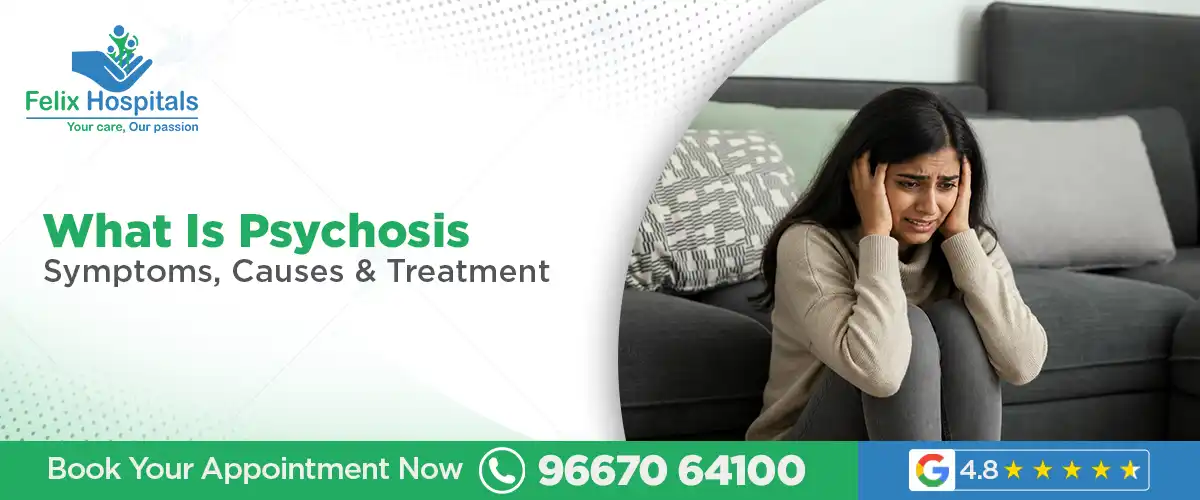
There is a particular kind of fear that families across India describe when someone they love begins to change in ways they cannot explain. The person starts believing that neighbours are spying on them. They hear voices that no one else can hear. They stop sleeping, stop eating, stop making sense in conversation. They seem to be living in a reality entirely different from the one everyone else inhabits.
This is psychosis. And in a country where mental health stigma runs deep where symptoms like these are often attributed to black magic, spiritual possession, or simply "madness" the consequences of not recognizing psychosis for what it actually is can be devastating.
This guide covers everything families and patients need to understand about psychosis without jargon, without stigma, and without leaving anything out.
Psychosis is a loss of contact with reality. Hallucinations and delusions are the most common symptoms. Psychosis can occur as part of many conditions, including schizophrenia and bipolar disorder. People with psychosis may experience disruptions in their thoughts and perceptions, which can cause them to see their world differently.
Psychosis is a symptom, not an illness. It can result from a mental illness, a physical injury or illness, substance abuse, or extreme stress or trauma.
This distinction matters enormously. When a family member is told their loved one has psychosis, the immediate fear is usually that the diagnosis is lifelong, irreversible, and untreatable. But psychosis is a symptom like fever or chest pain that can arise from many different underlying causes, some of which are fully reversible with the right treatment.
What's likely happening during psychosis is that the person has disruptions in their thoughts and the way they interpret their thoughts that makes it hard for them to recognize what is real and what isn't.
The brain generates experiences that the person sees, hears, believes, and feels and in psychosis, those experiences become disconnected from shared reality. The person is not lying. They are not seeking attention. Their brain is genuinely generating experiences that feel completely real to them.
Psychotic disorders are a group of serious mental illnesses that all have signs of psychosis. Understanding the type matters because it determines both the likely course of the illness and the treatment approach.
Schizophrenia :The most well-known psychotic disorder. Schizophrenia involves persistent psychotic symptoms, hallucinations, delusions, and disorganised thinking lasting at least six months and significantly impairing daily functioning. It is a chronic condition that requires long-term management, though many people with schizophrenia live full, meaningful lives with appropriate treatment.
Schizoaffective Disorder : A condition that combines the psychotic symptoms of schizophrenia with significant mood episodes either depressive or manic. It sits at the intersection of schizophrenia and mood disorders and requires treatment addressing both dimensions.
Bipolar Disorder with Psychotic Features: Major depressive or bipolar disorder with psychotic or catatonic features is one of the mental health conditions that may include short- to medium-term symptoms of psychosis. During severe manic or depressive episodes, some patients develop hallucinations or delusions. These psychotic symptoms typically resolve when the mood episode is treated.
Brief Psychotic Disorder : A sudden onset of psychotic symptoms lasting less than one month, often triggered by extreme stress or trauma. It typically resolves fully without long-term treatment, though specialist evaluation is essential to rule out more serious conditions.
Delusional Disorder: A condition characterized by persistent, fixed false beliefs (delusions) without the other symptoms of schizophrenia the person typically functions normally in most areas of life except in relation to their delusion. Paranoid delusional disorder believing one is being followed, poisoned, or persecuted is the most common subtype in India.
Substance-Induced Psychosis :Substance-induced psychosis is caused by certain drugs or alcohol. It can appear to come on suddenly. Some substances can also cause long-term psychosis. Cannabis, amphetamines, cocaine, and alcohol can all induce psychotic episodes. In India, cannabis use-related psychosis is increasingly common across urban centres including the NCR.
Medical Condition-Induced Psychosis: A surprisingly large number of different medical conditions are capable of creating psychosis. These include epilepsy, brain tumours, Huntington's disease, autoimmune encephalitis, severe thyroid disorders, vitamin B12 deficiency, and infections affecting the central nervous system. This is why a medical workup is essential before any psychiatric diagnosis is finalised.
Postpartum Psychosis: A rare but serious condition affecting new mothers typically within the first two weeks after delivery involving rapid onset of confusion, hallucinations, delusions, and severe mood disturbance. This is a psychiatric emergency requiring immediate hospitalization.
Studies suggest that there are a complex combination of factors involved in the development of psychotic symptoms, which may include differences in brain development, history of trauma or certain stress exposures, certain substance or medication use, other existing mental illnesses, medical illness or brain injury.
Researchers think that the "positive" symptoms of psychosis, delusions, hallucinations, disordered thoughts and speech, and disorganized movement may be related to a change in the balance of brain chemicals called neurotransmitters.
Dopamine dysregulation is central to most models of psychosis. Excess dopaminergic activity in certain brain circuits drives the positive symptoms of hallucinations and delusions. This is precisely why antipsychotic medications which primarily block dopamine receptors are effective. Serotonin, glutamate, and GABA systems are also implicated, which explains why some cases respond poorly to dopamine-focused treatment alone.
Research indicates a strong connection between genetics and heredity with the development of psychotic disorders. If an identical twin is diagnosed with schizophrenia, the probability of the other twin developing schizophrenia is 50%. Genetic mutations also play a role.
Having a first-degree relative with schizophrenia increases lifetime risk approximately tenfold compared to the general population. But genetics is not destiny; environmental factors determine whether genetic vulnerability becomes clinical illness.
Childhood trauma physical or sexual abuse, emotional neglect, severe bullying, or witnessing violence is one of the most consistently documented risk factors for psychosis. Trauma disrupts the developing brain's stress regulation systems, creating vulnerability to psychotic breakdown under later stress.
Substance abuse can trigger or exacerbate psychosis by altering brain chemistry and impairing judgment and perception. Cannabis use particularly high-potency varieties during adolescence significantly increases the risk of later psychotic disorder. This risk is dose-dependent and age-dependent: the younger the age of onset of regular cannabis use, the higher the risk.
Several medical disorders have been associated with psychosis, including infections such as HIV and Lyme disease, metabolic disturbances, autoimmune disorders such as multiple sclerosis, endocrine disorders such as Cushing's disease and thyroid disease, brain disorders such as recurrent seizures, and vitamin deficiencies such as Vitamin B12 deficiency.
In India, where Vitamin B12 deficiency is extraordinarily common particularly in vegetarian populations, neuropsychiatric manifestations of deficiency, including psychosis-like symptoms, are underdiagnosed and highly treatable. At Felix Hospital, we routinely check B12 levels as part of the initial psychosis workup.
Pregnancy and birth complications, including abnormal fetal development while not fully understood have been associated with exposure to drugs in utero, perinatally, or postnatally and with later development of psychotic disorders.
Severe, prolonged sleep deprivation beyond 48 to 72 continuous hours can induce psychotic symptoms in otherwise healthy individuals. This is relevant in contexts of extreme stress, bereavement, or certain medical conditions that radically disrupt sleep.
Some factors that may increase the risk of developing a psychotic disorder include having a first-degree relative with a psychotic disorder, genetic mutations, pregnancy and birth complications, abnormal cognitive development, and early drug use. There is some evidence suggesting that early cannabis use may increase the risk for schizophrenia.
Additional risk factors include:
Psychosis doesn't start suddenly. It usually follows a pattern. It starts with gradual changes in the way you think about and understand the world.
Understanding the full symptom picture including the early warning signs that precede the obvious psychotic break is the most important knowledge a family can have.
Weeks to months before the first overt psychotic episode, many patients pass through a prodromal phase. Recognizing this phase and seeking help during it offers the best possible chance of limiting the severity of the first episode.
Prodromal signs include:
These are symptoms that represent an addition to normal mental experience and new experiences the person did not previously have.
Hallucinations People who are experiencing psychosis may hear, see, smell, taste, or feel things that are not there.
Auditory hallucinations hearing voices are the most common type in psychosis. The voices may comment on the person's actions, give commands, or hold conversations with each other. They are experienced as entirely real. Visual hallucinations seeing people, objects, or lights that do not exist are more common in psychosis caused by medical conditions or substances. Tactile hallucinations feeling crawling sensations on the skin are more typical of substance-induced psychosis.
Delusions These are false beliefs that someone holds onto very strongly, even when others don't believe them or there's plenty of evidence that a belief isn't true.
Types of delusions seen most commonly at Felix Hospital:
Disorganised Thinking and Speech The person's thoughts lose their logical connections. Speech becomes tangential jumping between unrelated topics or incoherent. Responses to questions may be loosely connected or entirely unrelated. "Word salad" strings of words with no coherent meaning represents the most severe form.
Disorganised Behaviour Unpredictable, bizarre, or agitated behaviour; inability to perform goal-directed tasks; catatonia in which the person becomes unresponsive or maintains unusual postures for extended periods.
Negative symptoms represent a reduction from normal functioning and are often harder to recognise but are equally important clinically.
Negative symptoms are often what families first notice "He used to be so lively. Now he just sits." They are less dramatic than positive symptoms but often more impairing in terms of long-term functional recovery.
Psychiatrists use The Diagnostic and Statistical Manual of Mental Disorders, 5th edition (DSM-5) to help them decide if a patient has psychosis.
At Felix Hospital, the diagnostic process for a first presentation of psychosis is thorough because the differential diagnosis is wide and the treatment implications differ substantially depending on the cause.
Comprehensive psychiatric history The treating psychiatrist takes a detailed history covering the nature, onset, and duration of symptoms; personal history including childhood, trauma, and relationships; family history of psychiatric illness; substance use history; and current psychosocial stressors.
Mental status examination A structured clinical assessment of appearance, behaviour, speech, mood, thought process, thought content, perceptual disturbances, cognitive function, insight, and judgement.
Physical examination and investigations Diagnosing psychosis involves examination, and doctors may order lab tests or brain imaging to rule out uncommon medical causes such as infection, epilepsy, brain tumors or head injury.
Standard investigations at Felix Hospital include:
This medical workup is not optional, it is essential. A patient presenting with apparent psychosis may have anti-NMDA receptor encephalitis (an autoimmune brain condition), a thyroid crisis, or a B12 deficiency all of which are treatable with completely different approaches and all of which can look exactly like schizophrenia on initial presentation.
Therapy helps people make sense of their experiences, learn coping strategies, and strengthen social and occupational functioning. Family psychoeducation, social skills training, and supported employment or education programs also play an important role in recovery. The most effective treatments involve a combination of approaches.
Treatment for psychosis is never a single medication alone. Effective care at Felix Hospital integrates pharmacological treatment, psychological therapy, family involvement, and social rehabilitation.
Medications used to treat psychosis are divided into 2 categories based on their specific neurotransmitter receptor affinity and activity: First-generation antipsychotics (FGAs), also called conventional or typical antipsychotics, and Second-generation antipsychotics (SGAs), also called atypical antipsychotics.
First-generation antipsychotics act primarily by blocking the dopamine-2 receptor. They are highly effective for positive symptoms, hallucinations and delusions and remain valuable and affordable options.
Commonly used FGAs in India: haloperidol, chlorpromazine, trifluoperazine, and fluphenazine (including long-acting injectable depot formulations).
The principal limitation of FGAs is their higher risk of extrapyramidal side effects, involuntary muscle contractions, tremors, restlessness, and with long-term use, tardive dyskinesia (involuntary repetitive movements).
Compared to first-generation antipsychotics, atypical antipsychotics appear to be equally effective in reducing positive symptoms like hallucinations and delusions but may be better than typical antipsychotics at relieving the negative symptoms of schizophrenia such as apathy, withdrawal, and emotional depression.
SGAs comprise approximately 95% of antipsychotics prescribed in the United States. However, risk of metabolic syndrome, excess abdominal fat, insulin resistance, dyslipidaemia, and hypertension is greater with SGAs than with FGAs.
Commonly prescribed SGAs in India: risperidone, olanzapine, quetiapine, aripiprazole, and clozapine.
Clozapine deserves specific mention: Clozapine is the agent of choice when the patient has failed multiple trials of standard antipsychotic therapies. It is the most effective antipsychotic available for treatment-resistant psychosis but requires regular blood monitoring due to the risk of agranulocytosis (dangerous drop in white blood cell count). At Felix Hospital, patients on clozapine are carefully monitored with scheduled blood tests.
For patients who struggle with medication adherence a major challenge in any chronic condition, but particularly in psychosis where insight is often impaired long-acting injectable formulations of both FGAs (fluphenazine, haloperidol depot) and SGAs (paliperidone palmitate, risperidone microspheres) provide sustained therapeutic levels without the daily oral medication burden. LAIs significantly reduce relapse rates and are increasingly used as first-line treatment in India for patients with poor medication compliance.
Depending on the clinical presentation, mood stabilizers (lithium, valproate) may be added for schizoaffective presentations; antidepressants for post-psychotic depression; and benzodiazepines for acute agitation.
Medication addresses the biology of psychosis. Therapy addresses the person living with it their understanding of what happened to them, their ability to manage residual symptoms, their relationships, their functional recovery, and their engagement with treatment.
Cognitive Behavioural Therapy for Psychosis (CBTp) Cognitive behavioural therapy was the most popular psychotherapy choice among psychiatry specialists surveyed. CBTp is specifically adapted for psychosis; it does not attempt to argue away delusions but instead helps the person examine their distress around unusual beliefs and develop more flexible, less distressing ways of relating to their experiences. It is evidence-based and available at Felix Hospital through our trained clinical psychologist team.
Family Psychoeducation Family psychoeducation plays an important role in recovery. Families who understand psychosis, its nature, its triggers, its treatment, and its trajectory are better equipped to support their loved one, maintain a low-stress home environment, and identify early signs of relapse. At Felix Hospital, family meetings with the treating psychiatrist are a routine part of every inpatient and outpatient psychosis management plan.
Social Skills Training Psychosis often erodes the social competencies needed for relationships and employment. Structured social skills training rebuilds communication, assertiveness, and conflict resolution skills.
Supported Employment and Education Returning to work or education is one of the strongest predictors of long-term recovery in psychosis. Supported employment programmes which provide structured coaching alongside job placement produce better outcomes than simple vocational referral.
Cognitive Remediation A structured programme targeting the cognitive impairments attention, memory, executive function that frequently accompany psychosis, particularly schizophrenia. Evidence supports cognitive remediation as improving functional outcomes independent of medication.
Psychosis is a psychiatric emergency when the following features are present. If any of these apply to someone you know, call +91 9667064100 or bring them to Felix Hospital's emergency department without delay:
Immediate risk to self or others If a person with psychosis is expressing thoughts of harming themselves or someone else, acting on delusional beliefs in ways that create physical danger, or is in a state of agitated confusion this requires emergency intervention.
First episode of psychosis of any age Any first presentation of hallucinations, delusions, or severely disorganised behaviour requires immediate psychiatric evaluation. Do not wait to see if it "settles." Every week of untreated psychosis increases the difficulty of treatment and worsens long-term outcomes. Early intervention is the single most powerful determinant of recovery.
Sudden onset in an older adult or child Psychosis appearing for the first time in someone over 45 or under 13 requires urgent medical assessment. Structural brain causes are more likely and need to be excluded before psychiatric treatment begins.
Postpartum psychosis Any new mother showing confusion, hallucinations, extreme agitation, or bizarre behaviour in the first weeks after delivery requires emergency psychiatric admission. This condition escalates rapidly and carries risk of harm to mother and infant.
Known psychosis patients showing acute relapse If a patient who was previously stable on medication develops a sudden return or worsening of symptoms particularly if they have stopped their medication contact their treating psychiatrist immediately. Felix Hospital's psychiatry team provides urgent review appointments and emergency psychiatric assessment 24 hours a day.
One of the most important things Felix Hospital's psychiatry team tells every family at a first consultation is this: recovery from psychosis is real, and it is common.
Early intervention can help manage psychosis effectively. Early treatment can significantly improve outcomes and help people regain control of their lives.
Recovery does not always mean the complete absence of all symptoms forever. For some people particularly those with a single episode of brief psychotic disorder it means full remission and no recurrence. For others, it means learning to live well with managed symptoms, holding a job, maintaining relationships, pursuing goals with ongoing medication and support.
What consistently predicts better recovery:
What makes recovery harder:
Across Noida and the broader NCR, mental health stigma remains a profound barrier to seeking timely psychiatric help. Families describe waiting months, sometimes years to present to a hospital after symptoms begin. They describe having sought religious or traditional remedies, having feared that a psychiatric diagnosis would damage marriage prospects or employment, and having been told by community members that the person is "possessed" or "wilfully difficult."
Psychosis is a brain disorder as real and as medical as epilepsy, diabetes, or a cardiac arrhythmia. It has a biological basis, measurable clinical features, evidence-based treatments, and a genuine recovery trajectory. The shame that surrounds it has no basis in fact and carries an enormous human cost.
At Felix Hospital, our psychiatry consultations are completely confidential. All patient information is protected by the same privacy standards applied to any other medical specialty. Our team approaches every family with compassion, without judgment, and with the single goal of helping the patient return to their best possible life.
Psychosis changes a person and it changes the family around them. But it is not the end of the story. It is a medical event that demands a medical response prompt, evidence-based, and sustained.
The right antipsychotic medication reduces the symptoms. The right therapy helps the person rebuild their understanding of themselves and their world. The right family support creates the environment in which recovery can take root. And the right psychiatric team, one that knows the person, monitors the treatment, and adjusts the plan as needed makes all of the above possible.
At Felix Hospital, our psychiatry department provides comprehensive care for psychosis from first-episode assessment and acute stabilisation to long-term outpatient management and family counselling. We offer the full range of antipsychotic treatments, access to clinical psychology for CBTp, and a multidisciplinary team approach that treats the whole person, not just the diagnosis.
If you or a family member is experiencing symptoms of psychosis or if you are concerned about someone's mental state and do not know where to turn, call +91 9667064100. Reaching out is the first step. Everything else becomes possible from there.
Psychosis is a symptom of a cluster of experiences including hallucinations and delusions that represent a disconnection from reality. Schizophrenia is one of many conditions that can cause psychosis. Not everyone with psychosis has schizophrenia. Psychosis can be caused by bipolar disorder, severe depression, substance use, medical conditions, trauma, or can occur as a brief isolated episode. A psychiatrist evaluates the full picture to determine which condition is present and what treatment is appropriate.
The prodromal phase before the first obvious psychotic episode involves subtle changes: social withdrawal, declining performance at school or work, unusual or magical thinking, increased suspiciousness, disrupted sleep, neglect of self-care, and vague or tangential speech. Recognising these early signs and seeking psychiatric evaluation during this phase offers the best possible outcome.
It depends entirely on the cause and type. A single episode of brief psychotic disorder triggered by extreme stress can resolve completely with treatment and may never recur. Psychosis caused by a medical condition such as vitamin B12 deficiency or autoimmune encephalitis resolves when the underlying condition is treated. Schizophrenia is a chronic condition but with the right medication and support, many people achieve sustained remission and live full, productive lives.
Genetics plays a significant role having a first-degree relative with schizophrenia increases lifetime risk approximately tenfold. But genetics is not destiny. Many people with strong family histories never develop psychosis, and many who develop it have no family history at all. A complex interaction of genetic vulnerability and environmental factors stress, trauma, substance use, birth complications determines whether psychosis occurs.
Most patients see meaningful improvement in positive symptoms of hallucinations and delusions within 2 to 6 weeks of starting antipsychotic medication at an adequate dose. Some patients respond faster; others take longer. Negative symptoms typically take longer to respond, often 3 to 6 months. The treating psychiatrist at Felix Hospital will monitor response and adjust medication as needed throughout the process.
The vast majority of people with psychosis are not violent and are more likely to be victims of violence than perpetrators. The risk of violence in psychosis is substantially elevated when it co-occurs with substance use, when the person is experiencing command hallucinations directing them to act, or when paranoid delusions involve specific identified individuals. These situations require immediate psychiatric evaluation and often inpatient admission.
No this is the most common cause of relapse. Stopping antipsychotic medication without medical guidance even after feeling completely well significantly increases the risk of a return of psychosis, often more severe than the initial episode. The decision to reduce or discontinue medication should be made collaboratively with the treating psychiatrist based on the duration of stability, the type of psychotic disorder, and the overall clinical picture.
Regular cannabis use particularly high-potency varieties during adolescence significantly increases the risk of psychotic disorder. The relationship is dose-dependent: heavier, more frequent use carries greater risk. For people who already have a psychotic disorder, cannabis use dramatically increases relapse risk and worsens symptom severity. Stopping cannabis use is one of the most impactful changes a patient with psychosis can make.
Lack of insight not recognising that one's experiences are symptoms of illness is a core feature of psychosis. It is not stubbornness or denial. The brain is generating experiences that feel completely real. The most effective approach is to remain calm and non-confrontational, express concern without arguing about whether the beliefs are real, gently encourage a medical assessment framed around helping with distress rather than "treating madness," and seek guidance from Felix Hospital's psychiatry team at +91 9667064100 who can advise on how to engage a reluctant family member.
Hospitalisation is required when the person is at risk of harming themselves or others, when they cannot care for themselves or manage basic safety, when the psychotic episode is a first presentation requiring intensive assessment and medication initiation, or when outpatient treatment has not produced adequate improvement. Felix Hospital's psychiatry inpatient unit provides a safe, structured environment for acute stabilisation with the goal of transitioning to outpatient care as quickly as clinically appropriate.
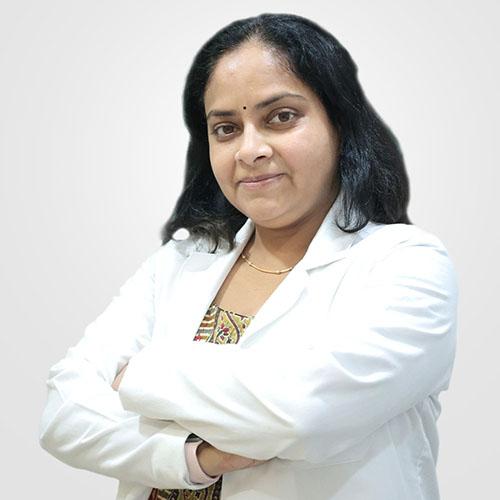
Dr. Ashima Ranjan is an experienced Psychiatry Consultant with 12+ years of expertise in treating depression, anxiety, bipolar disorder, schizophrenia, and other mental health conditions. Known for her compassionate and personalized approach, she is recognized among the Best Psychologists In Noida, providing trusted and patient-focused mental healthcare.

Explore the differences between psychotherapy and counseling to find the right path for your mental wellness. Understand their approaches and how they can help.

Discover effective anger management techniques to enhance emotional well-being, reduce stress, and improve relationships. Take control of your emotions today
Cognitive Behavioral Therapy (CBT) is a widely recognized and effective form of psychotherapy that focuses on changing negative thought patterns and behaviors that contribute to emotional distress.
Struggling with suicidal thoughts can feel overwhelming, but support is available. Learn effective coping strategies, recognize warning signs, and find the right mental health help when you need it most.

Subscribe to our
© Copyright 2026. All Rights Reserved by Felix Healthcare Private Limited
Design and development by :


 +(91)9667064100
 Emergency : +(91)9667064100