 Emergency:
  WhatsApp

Subscribe to our
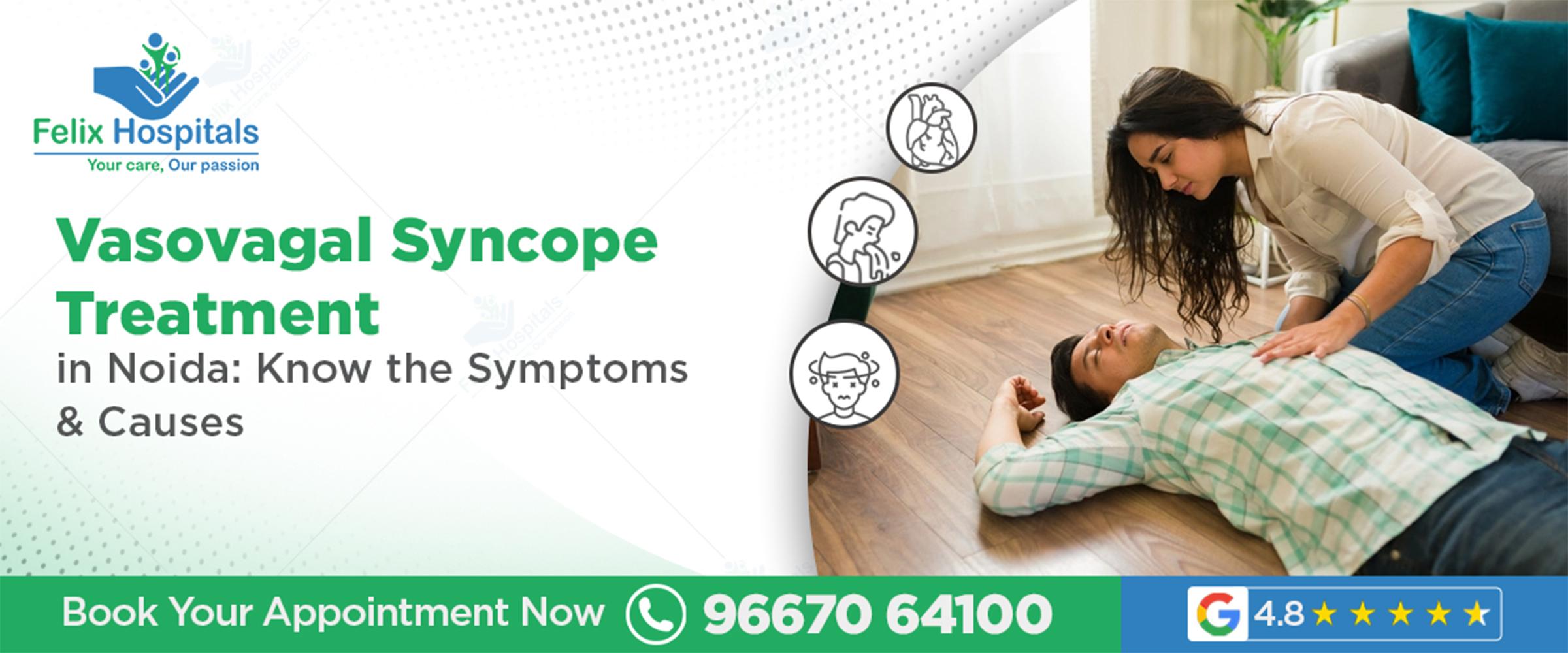
Vasovagal syncope is one of the most common causes of sudden fainting episodes across all age groups. Although often considered benign, recurrent episodes can significantly affect quality of life and may sometimes indicate underlying cardiovascular or neurological concerns. Understanding the condition, recognizing warning signs early, and seeking timely medical care are essential steps toward effective management.
With advanced diagnostic facilities and specialist care available, vasovagal syncope treatment in Noida offers patients a structured and personalized approach to diagnosis, prevention, and long-term control.
Experiencing dizziness or fainting spells? Consult the best doctor for vasovagal syncope in Noida by calling +91 9667064100.
To understand the condition clearly, it is important to first know what is vasovagal syncope. It is a reflex-mediated fainting episode caused by a sudden drop in heart rate and blood pressure, leading to reduced blood flow to the brain. This temporary reduction results in loss of consciousness, usually lasting a few seconds to a minute.
The condition occurs due to overactivity of the vagus nerve, which plays a role in regulating heart rate and blood vessel dilation.
Vasovagal syncope develops when the body overreacts to certain triggers. These triggers activate the autonomic nervous system, causing blood vessels to widen and the heart rate to slow down abruptly.
Blood pressure drops suddenly
Blood pools in the lower extremities
Oxygen supply to the brain reduces
Fainting occurs
While the episode is often brief, repeated events require medical evaluation.
Recognizing vasovagal syncope warning signs can help prevent complete loss of consciousness. Many patients experience symptoms minutes before fainting.
Lightheadedness or dizziness
Nausea or stomach discomfort
Sudden sweating
Pale or clammy skin
Blurred or tunnel vision
Ringing in the ears
Early recognition allows individuals to sit or lie down, reducing injury risk.
Vasovagal syncope symptoms in adults can vary in intensity and frequency. Some individuals experience rare episodes, while others may have recurrent fainting spells.
Sudden loss of consciousness
Weakness or fatigue after recovery
Confusion lasting a few minutes
Headache following the episode
In adults with underlying heart conditions, symptoms may be more severe and require thorough evaluation.
Understanding vasovagal syncope causes helps in identifying triggers and preventing future episodes.
Prolonged standing
Emotional stress or anxiety
Pain or fear of injury
Dehydration
Heat exposure
Seeing blood or medical procedures
Certain medical conditions may also predispose individuals to vasovagal responses.
Patients often ask, is vasovagal syncope dangerous. In most cases, it is not life-threatening. However, risks arise due to falls or injuries during fainting episodes.
Episodes occur frequently
Syncope happens during exertion
There is a family history of heart disease
Evaluation helps rule out serious cardiac or neurological causes.
Certain individuals are more prone to developing vasovagal syncope.
Young adults and elderly individuals
Low blood pressure
Dehydration
Autonomic nervous system imbalance
Use of certain medications
Identifying risk factors allows cardiologists to tailor preventive strategies.
Accurate diagnosis is essential for effective vasovagal syncope treatment. A cardiologist conducts a detailed medical history and physical examination.
Electrocardiogram (ECG)
Blood pressure monitoring
Tilt table test
Echocardiography
Blood tests
These tests help differentiate vasovagal syncope from cardiac arrhythmias or neurological disorders.
Not all fainting episodes are vasovagal in origin. Conditions such as heart rhythm disorders, structural heart disease, and neurological issues can mimic similar symptoms.
A comprehensive diagnostic approach ensures correct treatment and avoids unnecessary interventions.
Vasovagal syncope treatment focuses on preventing episodes, managing triggers, and improving overall cardiovascular stability.
Lifestyle modifications
Hydration and salt intake adjustments
Physical counter-pressure maneuvers
Medication in selected cases
Treatment plans are individualized based on symptom severity and frequency.
Lifestyle changes play a central role in managing vasovagal syncope.
Drinking adequate fluids
Avoiding prolonged standing
Recognizing early warning signs
Gradual position changes
Avoiding extreme heat
These measures significantly reduce recurrence in many patients.
In patients with frequent or severe episodes, medications may be prescribed to stabilize blood pressure and heart rate.
Medication therapy is initiated only after thorough evaluation by a cardiologist.
Medical consultation is necessary if:
Fainting occurs repeatedly
Episodes are sudden and unexplained
There is chest pain or palpitations
Recovery takes longer than usual
Consulting the best doctor for vasovagal syncope in Noida ensures accurate diagnosis and expert care.
Although vasovagal syncope is usually benign, emergency care may be required if fainting occurs with injury, during exercise, or in high-risk individuals.
Prompt medical evaluation helps prevent complications.
Most individuals with vasovagal syncope lead normal lives with proper management. Education, trigger avoidance, and follow-up care play a key role in long-term control.
With structured vasovagal syncope treatment in Noida, patients can significantly reduce episode frequency and improve confidence in daily activities.
Patients searching for vasovagal syncope treatment near me should select facilities with experienced cardiologists, advanced diagnostic tools, and emergency support.
A skilled specialist ensures comprehensive evaluation and continuity of care.
Get expert vasovagal syncope treatment near me with advanced cardiac evaluation. Call +91 9667064100 to book your appointment today.
Vasovagal syncope is a common yet manageable condition when identified early and treated appropriately. Understanding what is vasovagal syncope, recognizing vasovagal syncope warning signs, and addressing underlying vasovagal syncope causes are essential for effective prevention. While most cases are not dangerous, recurrent episodes require professional evaluation. With expert guidance and personalized vasovagal syncope treatment, patients in Noida can regain control, prevent injuries, and maintain a healthy, active lifestyle.
Q. 1 Can vasovagal syncope be cured completely?
Ans. It can be effectively controlled with lifestyle changes and medical care.
Q. 2 How long does a vasovagal episode last?
Ans. Most episodes last less than a minute, followed by quick recovery.
Q. 3 Can stress trigger vasovagal syncope?
Ans. Yes, emotional stress is a common trigger.
Q. 4 Is vasovagal syncope related to heart disease?
Ans. Usually no, but cardiac evaluation is necessary to rule out other causes.
Q. 5 Should I see a cardiologist for fainting episodes?
Ans. Yes, especially if episodes are recurrent or unexplained.

Best heart hospital in Noida for bypass surgery at affordable prices with expert cardiac surgeons, advanced facilities, and quality patient care for better recovery.
Arrhythmia is a condition where the heart beats irregularly—too fast, too slow, or with an uneven rhythm. It can feel like a fluttering, racing, or skipped heartbeat.

Understanding the symptoms, and knowing the different types of heart diseases are crucial for effective prevention and management.


Subscribe to our
© Copyright 2026. All Rights Reserved by Felix Healthcare Private Limited
Design and development by :


 +(91)9667064100
 Emergency : +(91)9667064100