 Emergency:
  WhatsApp

Subscribe to our
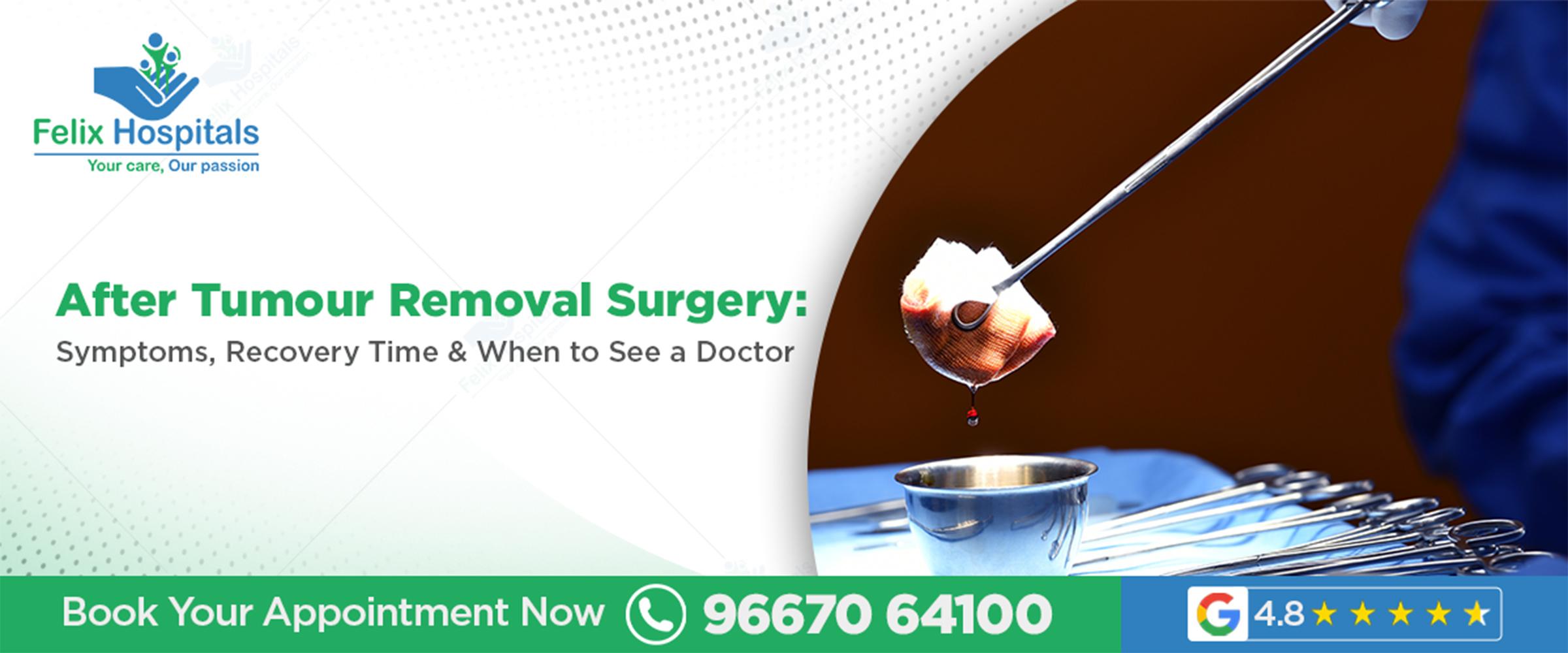
Removal of the tumor is often a key part of treating abnormal growth of tissue and preventing further health issues. The body needs time to heal and adjust after the surgery, so the recovering period is very important. Patients need to know what to expect physically, how long they are likely to take to heal and what kind of follow up care they might need in the way of related checks during this stage.
Although recovery indeed varies depending on the type of tumor and specific surgery location, as well as patient’s general health, still it is clear that proper post-surgical care and tumor surgery specialist in Noida would have stand-by support if any complication arises. Adequate post-operative care and guidance from the best tumor surgery specialist in Noida may facilitate safe healing and early detection of complications, if any.
Experiencing symptoms after tumor surgery or unsure about your recovery progress? Consult a specialist for proper post-surgical guidance. Call +91 9667064100 to consult a tumor surgery specialist in Noida.
Recovery from tumor surgery involves various phases in which the body heals from the operation. In that interval, tissue is healing, inflammation is subsiding, and the body is starting to function normally. Surgical wounds start healing within the first couple of days, but complete tissue healing can last for weeks or even months according to the type of procedure, as per the medical research.
Patients often initially feel fatigued or weak as the body is expending a great deal of energy to repair tissue and combat potential infection. Strict adherence to medical care during this time will contribute to a better recovery and minimize the risk of complications, both locally and systemically.
The recovery time after tumor removal surgery is different for everyone~ and is influenced by many medical and lifestyle factors. Some people have fast healing after small procedures and others need longer healing times after extensive surgeries. Things that commonly affect recovery include:
Size and location of the tumor excised
Difficulty of the operation
Patient’s age and general health
Having chronic diseases such as diabetes
Nutrition and immune status
Quality of post-operative wound care
These elements may influence the rate of healing and return to normal activities for the body and for the patient.
After tumor resection surgery recovery, some physical symptoms are normal and may be caused by the body’s healing process. These signs usually develop during the first several days following surgery and resolve, if properly cared for. Early symptoms of a necrotizing wound include:
Mild to moderate pain near the surgical site
Swelling or tenderness at the incision
Temporary fatigue or weakness
A small area of redness around the wound
Restricted movement, based on surgery location
Low-grade fever in early convalescence
These symptoms are usually temporary and improve as healing progresses.
People who are recovering from tumor surgery may experience some temporary physical changes as their body heals. These changes take place because surgery initiates inflammation and tissue repair processes.Changes that are common during recovery include:
Decreased appetite in the first few days
Difficulty sleeping due to pain or discomfort
Tenderness in the area surrounding the incision
Muscle soreness from lack of use
Temporary digestive problems as a result of medication
Maintaining proper nutrition and hydration during this stage supports the body’s healing process.
Although the majority of patients do well, some patients may develop complications after tumor removal surgery if they don’t follow instructions or if they have other health problems. Potential complications include:
Surgical site infection
Delayed wound healing
Internal bleeding
Nerve damage depending on tumor location
Blood clot formation
Recurrence of abnormal tissue growth in rare cases.
Early identification of complications helps doctors provide timely treatment and prevent serious health issues.
Although mild discomfort is to be expected, patients need to be informed about symptoms that may suggest complications in the postoperative period of after tumor removal surgery recovery. Warning signs include:
Increasing pain rather than slowly getting better
Persistent high fever with chills
Excessive swelling and redness around the incision site
Bleeding or discharging from the wound continuously
Shortness of breath or chest pain
Sudden weakness or lightheadedness
Recognizing these warning signs early can help prevent serious post-surgical complications.
When to see a doctor after tumor surgery is what you should know following tumor surgery for a safe recovery. Mild symptoms may be present, but some conditions need to be evaluated right away. Get medical help if you have:
Pain that does not get better with medicine
Severe swelling or redness around the area where you had surgery
Persistent nausea or vomiting
Trouble moving the area of the body that is affected
Frequent infections or fever
Strange discharge or bad smell from the wound
Consulting a tumor surgery specialist in Noida ensures proper evaluation and treatment.
Doctors may recommend follow-up evaluations to monitor the tumor surgery recovery process and ensure the surgical site is healing properly. These tests help detect infections, complications, or signs of recurrence.
Test | Purpose |
Physical Examination | Checks wound healing and recovery progress |
Blood Tests | Detect infection or inflammation |
CT Scan / MRI | Evaluates surgical site and surrounding tissues |
Ultrasound | Assesses internal healing depending on tumor location |
Biopsy (if required) | Checks abnormal tissue changes |
These tests help doctors monitor recovery and guide further treatment if necessary.
Adequate medical management is also a key factor for catalyzing the postoperative recovery of tumor removal surgery. Physicians usually give medications and instructions for sleep to help alleviate pain, prevent infection, and improve healing. Treatment may include:
Pain medication
Antibiotics to prevent infection
Anti-inflammatory medication to reduce swelling
Frequent changing and cleaning of the wound dressing
Physiotherapy depending on site of surgery
These treatments help ensure faster healing and reduce the risk of complications.
Routine follow-up visits are an essential part of the tumor surgery recovery. These visits enable the physicians to monitor healing and identify abnormal symptoms at an early stage. Follow-up care usually involves:
Watching the surgical wound
Assessing whether the drug is working
Testing for infection or inflammation
Reviewing the patient's overall progress
Modifying therapy if necessary
Attending scheduled follow-ups helps ensure safe and effective recovery.
These care tips for after tumor surgery can help the healing process and minimize complications of recovery. Following are a few of the care processes that will help:
Take medications as prescribed.
Eat a balanced diet, high in protein.
Drink plenty of water to keep hydrated.
Avoid vigorous physical activity at first.
Keep the surgical wound clean and dry.
Rest and sleep adequately.
These steps support faster tissue healing and overall recovery.
During recovery from tumor surgery, patients sometimes have to make temporary lifestyle adjustments to enable their body to heal. Lifestyle modifications may include:
Increasing physical activity gradually
Staying away from smoking and drinking
Eating a healthy diet approved by physicians
Trying light breathing or relaxation exercises
Healthy lifestyle habits can strengthen the immune system and promote faster healing.
There are various things you can do to help the recovery from tumor removal surgery go as smoothly as possible and help your body to heal.Helpful recovery strategies include:
Following medical advice
Eating nutritious food to help the recovery of your tissues
When you are able, take light exercise and keep moving
Controlling stress and anxiety while healing
Come to all follow-up medical visits
These strategies can help patients regain strength and return to daily activities safely.
If you notice unusual symptoms or delayed healing after surgery, do not ignore them.Consult experienced doctors at a tumor removal surgery hospital in Noida for expert recovery care. Call +91 9667064100 to speak with a tumor surgery specialist in Noida.
Recovery from tumor surgery is a slow and slow process, and there are things doctors and patients need to watch carefully during that time. Know after tumor removal surgery recovery so patients can identify normal healing signs and take necessary precautions in the healing process.
Observing the suggested post tumor surgery care tips, keeping the scheduled follow-up visits, and contacting the physician if warning signs appear, will help patients to minimize the risk of complications. Early identification and immediate consultation with experts to have safer healing and better long-term prognosis.
Recovery from lung tumor removal surgery Recovery time after lung cancer tumor surgery varies with the procedure and your general health. Recovery time from minor procedures can range from a few weeks to a few months, while recovery from major surgeries of internal organs may take a few months.
Yes, it is normal for you to have some mild swelling around the surgical site during the first couple of days of healing. Nevertheless, if there is an ongoing or even increasing swelling, this deserves an evaluation by a physician to exclude infection or other complications.
Patients should not engage in strenuous workouts in their early recovery. Light activity recommended initially Gradual resumption of physical activity is advised after that, when the operative site has sufficiently healed.
A diet of protein, vitamins, and minerals aid in tissue repair and help the immune system. Recovery from surgery can be improved with lean protein, fruits and vegetables, whole grains and good hydration.
The follow-up visits enable your doctors to monitor your wound healing, to identify any unexpected complications, and to ensure that your tumor has been completely removed. Close observation is necessary for long term convalescence and wellness.
A concise guide explaining brain tumor surgery cost in Noida, including key factors, treatment options, and expert care.
Advanced neurosurgery improves treatment for brain and spine disorders with better outcomes.
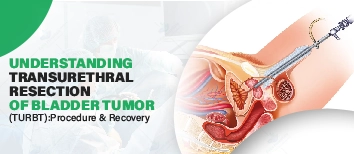
Bladder tumor (TURBT) is a serious condition that occurs when abnormal growths develop in the bladder, requiring transurethral resection to diagnose and treat effectively.

Subscribe to our
© Copyright 2026. All Rights Reserved by Felix Healthcare Private Limited
Design and development by :


 +(91)9667064100
 Emergency : +(91)9667064100