 Emergency:
  WhatsApp



Subscribe to our

Every day at Felix Hospital's, patients come in holding a lipid profile report pointing to their cholesterol numbers, asking about statins, and worrying about their heart. And then the doctor points to another number on the same report. One that is often overlooked. One that is, in many cases, more elevated than cholesterol.
That number is triglycerides.
Most people have heard of cholesterol. Far fewer understand what triglycerides are, why they matter, or that persistently high levels are a significant and independent risk factor for heart disease, pancreatitis, and fatty liver disease. Yet in a country where refined carbohydrates, white rice, sugar, and deep-fried foods are dietary staples India has a serious triglyceride problem.
This guide explains everything you need to know what triglycerides are, what makes them go up, what happens to your body when they stay elevated, and what you can do about it.
Triglycerides transport fatty acids and store energy. They are naturally found in fats and mainly get into your body through the food you eat. But your body can also make them itself. Measuring the triglyceride levels in your blood can help assess your individual risk of cardiovascular disease.
Triglycerides are lipids that provide energy to your body. You get some triglycerides from foods you eat, like butter and oils. Plus, when you consume more calories than you need, your body converts them into triglycerides. Your body can access these triglycerides later on when you need energy.
In other words, triglycerides are your body's primary system for storing excess energy. When you eat more than you burn whether those excess calories come from fat, carbohydrates, or alcohol the surplus is packaged into triglycerides and stored in fat cells throughout the body. Between meals, hormones signal the release of these triglycerides to provide fuel.
This system works perfectly well at normal levels. The problem begins when triglycerides consistently remain elevated in the bloodstream, a condition called hypertriglyceridaemia.
A normal triglyceride level in adults is below 150 milligrams per deciliter (mg/dL). A triglyceride level below 100 mg/dL is ideal. It is important that triglycerides are measured while you are fasting. Hypertriglyceridaemia means your triglyceride level is 150 mg/dL or higher. Severe hypertriglyceridaemia means your triglycerides are 500 mg/dL or higher.
Triglyceride Level | Classification | Clinical Implication |
Below 100 mg/dL | Optimal | Ideal for cardiovascular health |
100 – 149 mg/dL | Near optimal | Acceptable continue healthy habits |
150 – 199 mg/dL | Borderline High | Lifestyle changes recommended |
200 – 499 mg/dL | High | Medical evaluation and treatment needed |
500 mg/dL and above | Very High | Urgent intervention pancreatitis risk |
When your doctor orders a lipid profile at Felix Hospital, triglycerides are measured as part of the panel alongside total cholesterol, LDL, and HDL. The test requires fasting for 9–12 hours beforehand, as eating particularly carbohydrate- or fat-rich food causes a temporary spike in triglyceride levels that can make the result inaccurate.
Understanding what drives triglycerides up is the first step toward managing them. The causes fall into two broad categories: lifestyle-related and medical.
Excess Sugar and Refined Carbohydrates This is the single most important dietary driver of high triglycerides and it is especially relevant in the Indian context. The specific strategies that move the needle most are cutting back on sugar and refined carbohydrates, getting regular aerobic exercise, losing even a modest amount of weight, and limiting alcohol.
When you eat refined carbohydrates white rice, maida, white bread, biscuits, sweets, sweetened beverages your blood glucose spikes rapidly. The liver converts this excess glucose directly into triglycerides. This is why someone eating a seemingly "low-fat" diet but consuming large amounts of refined carbohydrates can still have dramatically elevated triglycerides.
Excess Calorie Intake If someone consumes more calories than they can burn, they may develop hypertriglyceridaemia. One of the most prevalent risk factors for cardiovascular disease, coronary heart disease, and stroke is high triglyceride levels.
Alcohol breaks down and rebuilds into cholesterol and triglycerides in the liver. High alcohol intake is strongly linked to elevated triglyceride levels. Even moderate, regular drinking can push triglycerides significantly higher in sensitive individuals.
High-Fat Diet Diets heavy in saturated fats, fried foods, processed meats, and full-fat dairy in excess contribute to elevated triglycerides, particularly when combined with high carbohydrate intake.
Type 2 Diabetes and Insulin Resistance Excess triglyceride production and poor diabetes control are often associated with higher levels, commonly seen in overweight individuals and people with type 2 diabetes. When insulin signalling is impaired, the liver produces more triglycerides and releases them into the bloodstream at a higher rate.
Hypothyroidism An underactive thyroid slows the body's metabolism of lipids, including triglycerides. Untreated or under-treated hypothyroidism is a common and easily missed cause of elevated triglycerides.
Kidney Disease Chronic kidney disease impairs the body's ability to clear triglyceride-rich lipoproteins from the blood, leading to persistently elevated levels.
Obesity Excess body fat Particularly visceral fat around the abdomen is metabolically active and drives higher triglyceride production. Central obesity and high triglycerides are hallmarks of metabolic syndrome.
Increased triglycerides can be a side effect of certain drugs, such as hormone replacement therapy, beta-blockers, corticosteroids, retinoids, and antipsychotic medications. If your triglycerides have risen after starting a new medication, discuss this with your doctor at Felix Hospital before making any changes.
Genetic Conditions Some patients have familial hypertriglyceridaemia, a genetic condition where triglyceride levels are elevated regardless of diet and lifestyle. These patients typically require medical treatment in addition to lifestyle modifications.
Here is what makes high triglycerides particularly dangerous: most of the time, they cause no symptoms whatsoever.
High triglycerides typically do not cause symptoms. Doctors can advise on how often to check lipid profiles for triglyceride levels. High triglycerides can indicate underlying issues and are a risk factor for several health conditions.
High triglycerides usually do not cause any symptoms. But if they are not treated and you develop heart disease, then you may feel tired as a side effect.
This silent nature is precisely why a routine lipid profile which Felix Hospital recommends as part of every adult health check-up is so important. By the time triglycerides cause obvious symptoms, the condition is often already severe.
When symptoms do appear, they are typically associated with very high or extreme levels:
Xanthomas Fatty deposits that appear as yellowish, waxy bumps under the skin particularly on the elbows, knees, buttocks, or tendons. These indicate severely elevated triglycerides and often reflect a genetic lipid disorder.
Xanthelasma Similar fatty deposits that form on or around the eyelids. Often noticed by the patient as small yellowish patches that appear gradually.
Abdominal Pain Very high triglyceride levels can cause severe abdominal pain, inflammation of the pancreas (acute pancreatitis), and fatty deposits in the skin. Some of these symptoms, specifically acute pancreatitis, can be life-threatening.
Lipemia Retinalis At extremely high triglyceride levels (above 2,000 mg/dL), the blood vessels of the retina can take on a milky appearance visible on examination.
If you have any of these signs, seek immediate medical evaluation. But more importantly do not wait for symptoms. Get your lipid profile tested.
The real danger of high triglycerides is not how they feel it is what they silently do to your organs over time.
Consistently high triglyceride levels may increase the risk of atherosclerosis. In this condition, triglycerides mix with other substances in the blood such as cholesterol and stick to the artery walls, causing the arteries to narrow. Atherosclerosis is a risk factor for heart disease and serious cardiovascular events such as heart attack and stroke.
High triglycerides tend to show up along with other problems such as high blood pressure, diabetes, obesity, high LDL cholesterol, and low HDL cholesterol. Research now shows that increased triglyceride levels are associated with an increased risk of cardiovascular events such as heart attacks and strokes.
When coupled with other risk factors high cholesterol, high blood glucose, high blood pressure, and obesity elevated triglycerides further elevate the risk of cardiovascular disease. Such increased levels also interfere with the body's natural blood-clotting mechanism, and a blood clot could lead to a heart attack or stroke.
People with severe hypertriglyceridaemia triglycerides at 500 mg/dL or higher face an increased risk of acute pancreatitis. This is an inflammation of the pancreas that requires urgent medical care.
Pancreatic inflammation results from triglyceride levels that are extremely high above 500 mg/dL. Patients develop pancreatitis, a disorder in which the digestive enzymes within the pancreas get activated and begin damaging interior cells. Patients experience intense abdominal pain radiating to the back, as well as nausea, vomiting, fever, and abdominal tenderness.
A 2025 study found that when triglyceride levels increase to more than 150 mg/dL, the severity of acute pancreatitis also tends to increase suggesting that even moderately elevated levels carry pancreatic risk in susceptible individuals.
Patients who have excessive triglycerides are more likely to develop fatty liver disease. All organs, including the liver, accumulate lipids as a result of unhealthy lifestyles. Although fatty liver may not initially show any symptoms, it has the potential to develop serious complications like cirrhosis and irreversible liver damage.
High triglycerides are one of the five defining criteria of metabolic syndrome a cluster of conditions that dramatically increases the risk of type 2 diabetes and cardiovascular disease. The other criteria are abdominal obesity, elevated blood pressure, high fasting blood glucose, and low HDL cholesterol. If you have three or more of these, you have metabolic syndrome and your triglyceride level is a key part of the picture.
The good news is that triglycerides are among the most responsive of all lipid parameters to lifestyle change. Even modest modifications can produce significant reductions within weeks. Here is what the evidence supports:
This is the single most impactful dietary change for most patients with high triglycerides. Eliminate or dramatically reduce: white rice in excess, maida-based foods (bread, biscuits, samosas, parathas), packaged sweets and mithai, sugary beverages including fruit juices and soft drinks, and added sugar in tea and coffee.
Replace these with: whole grains, oats, daliya, brown rice in moderate portions, and dals and legumes all of which have a lower glycaemic impact and provide fibre that slows fat absorption.
Fibres such as chia, flax, psyllium, or bran help lower triglycerides through mechanisms similar to fibrate medications.
Oats contain beta-glucan, a soluble fibre that reduces cholesterol and triglycerides by improving lipid metabolism. Lentils contain plant-based protein and fibre that stabilise blood sugar levels and reduce lipid accumulation. Chickpeas are full of soluble fibre that helps in fat digestion and controlling triglyceride build-up.
Research suggests that omega-3 fatty acids may help lower triglyceride levels significantly.
Omega-3 fatty acids are found in fish oil, salmon, sardines, mackerel, and herring. Choosing these over leaner fish and meat can help reduce triglycerides.
For vegetarians in India: flaxseeds contain omega-3 fatty acids in high amounts which help maintain healthy lipid levels and reduce inflammation. Walnuts, chia seeds, and mustard oil are other accessible Indian sources.
Exercise can have a significant impact on triglyceride levels. Experts advise that everyone should get at least 30 minutes of exercise five times a week.
Aerobic exercise lowers triglycerides by acting on apolipoprotein C3 in individuals with coronary heart disease. Brisk walking, cycling, swimming, and dancing all count. The key is consistency, not intensity. Three months of regular moderate exercise will produce a meaningful reduction in triglyceride levels.
Mild cases of high triglycerides can respond to a structured diet and weight loss of 5–10% of body weight. Even losing 4–5 kg in an overweight patient can produce a dramatic drop in triglyceride levels often more than medication alone.
Limiting alcohol is one of the specific strategies that moves triglyceride levels most effectively. If your triglycerides are elevated, even a temporary period of abstinence followed by a repeat lipid profile will often show a striking improvement.
Mustard oil is rich in monounsaturated fats and omega-3 that are good for the heart. Ghee in moderation can improve digestion and provides healthy fats that keep lipid levels in check. Avoid repeated use of the same deep-frying oil repeated heating creates trans fats that raise triglycerides significantly.
The good news for patients across Noida and Greater Noida is that traditional Indian ingredients when used correctly are genuinely triglyceride-friendly:
Methi (fenugreek seeds) soluble fibre and compounds that improve insulin sensitivity
Amla (Indian gooseberry) rich in Vitamin C and antioxidants that support lipid metabolism
Garlic contains allicin, which has modest but documented lipid-lowering effects
Turmeric curcumin has anti-inflammatory properties that benefit metabolic health
Dal and legumes high-fibre, high-protein, low-glycaemic staples that actively help lower triglycerides
Flaxseeds (alsi) one of the richest plant sources of omega-3 in the Indian diet
When lifestyle changes are not sufficient or when triglyceride levels are very high medical treatment is indicated. Your Felix Hospital physician will determine the appropriate approach based on your level, symptoms, and overall cardiovascular risk profile.
Before prescribing triglyceride-specific medication, your doctor will look for and treat reversible causes of uncontrolled diabetes, hypothyroidism, kidney disease, or a contributing medication. Correcting these can normalise triglycerides without additional lipid therapy.
For people in the 150 to 499 mg/dL range, statins remain the primary medication because they reduce the broader risk of heart disease. Statins are primarily LDL-lowering agents, but they also produce a modest reduction in triglycerides as a secondary benefit. For patients whose primary concern is cardiovascular risk reduction, a statin is the first pharmacological choice.
Fibrates make it harder for your body to bundle up triglycerides and carry them through your blood. They are specifically effective at lowering triglycerides often by 30–50%. If triglycerides remain at or above 500 mg/dL after ruling out other causes like uncontrolled diabetes or thyroid disorders, fibrates become reasonable additions specifically to prevent pancreatitis.
High-dose prescription omega-3 significantly higher than over-the-counter fish oil supplements is an evidence-based treatment for very high triglycerides. Concentrated omega-3 fatty acids are among the medications used alongside fibrates for patients with severely elevated triglycerides.
Niacin reduces the liver's production of triglyceride-rich VLDL particles and can lower triglycerides substantially. It is used selectively due to its side effect profile and is always prescribed under medical supervision.
For patients with very high triglycerides above 500 mg/dL a strict low-fat diet (less than 15% of calories from fat) is sometimes required in addition to medication to prevent recurrent pancreatitis. This level of dietary restriction requires guidance from Felix Hospital's nutrition team, not simply general dietary advice.
Many people discover elevated triglycerides incidentally on a routine health check-up or a lipid profile done before an insurance policy. Others come in after a first episode of chest pain or abdominal pain that turns out to be related to their lipid levels.
Come to Felix Hospital's internal medicine or cardiology department for a triglyceride assessment if you:
Have not had a lipid profile done in the last year especially if you are over 35
Have a family history of heart disease, diabetes, or high cholesterol
Are overweight, physically inactive, or consume a diet high in refined carbohydrates or alcohol
Have already been diagnosed with diabetes, hypertension, or fatty liver
Have had a previous abnormal lipid test and have not followed up
Experience unexplained abdominal pain which in some patients is the first sign of triglyceride-induced pancreatitis
Notice yellowish deposits on or around your skin or eyelids
Hypertriglyceridaemia is important and needs treatment. But in most cases it is not a medical emergency. Your healthcare provider will work with you to help lower your numbers. Doing so can help you avoid complications that affect your heart or pancreas.
Triglycerides are not the cholesterol story's footnote, they are a central chapter in your cardiovascular health. High triglycerides are common, largely driven by lifestyle factors that are within your control, and highly responsive to the right combination of dietary changes, physical activity, and where needed medical treatment.
The challenge is that they cause no symptoms until damage is done. Which is why the lipid profile, a simple, affordable blood test remains one of the most powerful tools in preventive medicine. A number on a report, caught early, can be the difference between a preventable heart attack and one that happens.
At Felix Hospital, Sector 137, Noida, our internal medicine, cardiology, and nutrition teams work together to assess your complete lipid profile, identify the root cause of elevated triglycerides, and design a management plan that is practical, evidence-based, and tailored to your life not just your lab report.
To book a lipid profile or speak with one of our specialists, call +91 9667064100. Your heart health is a conversation worth having today.
Triglycerides are a type of fat in your blood that your body uses for energy. When you consistently consume more calories than you burn, the excess is stored as triglycerides. High levels above 150 mg/dL are associated with an increased risk of heart disease, pancreatitis, and fatty liver disease. They are measured as part of a standard lipid profile blood test.
The most common causes are excess consumption of sugar and refined carbohydrates, alcohol intake, a high-calorie diet, obesity, physical inactivity, type 2 diabetes, hypothyroidism, and kidney disease. Certain medications including steroids, beta-blockers, and hormone therapy can also elevate triglycerides. Genetic conditions can cause elevated levels regardless of lifestyle.
In most cases, there are none. High triglycerides are typically discovered through a routine lipid profile blood test. In severe cases usually above 500 mg/dL patients may develop xanthomas (fatty skin deposits), abdominal pain from pancreatitis, or xanthelasma around the eyelids.
Triglycerides above 200 mg/dL are considered high and require medical evaluation. Above 500 mg/dL, the risk of acute pancreatitis rises significantly and urgent treatment is needed. Levels above 1,000 mg/dL are considered extremely high and can cause severe, potentially life-threatening pancreatitis.
The most effective natural interventions are reducing sugar and refined carbohydrate intake, limiting alcohol, exercising for at least 30 minutes five times a week, losing weight if overweight, and increasing fibre and omega-3 fatty acids in your diet. Traditional Indian foods like methi, flaxseeds, dals, oats, and walnuts actively support triglyceride reduction.
Yes. Triglycerides are measured in a fasting lipid profile. You should fast for 9–12 hours before the test, consuming only water. Eating before the test, particularly carbohydrate- or fat-rich food causes a temporary spike in triglycerides that can make the result falsely high.
Both are lipids fats that circulate in your blood. Cholesterol is used to build cell membranes and hormones. Triglycerides are the body's primary energy storage fat. Both are measured in a lipid profile, and both can be elevated independently or together. High triglycerides and low HDL cholesterol often occur together and compound cardiovascular risk.
Yes, high triglycerides are an independent risk factor for cardiovascular events including heart attack and stroke, particularly when combined with other risk factors such as high LDL cholesterol, high blood pressure, diabetes, or obesity. Triglycerides contribute to atherosclerosis the narrowing and hardening of the arteries which is the underlying mechanism behind most heart attacks.
Statins are used when the primary concern is cardiovascular risk reduction and triglycerides are in the 150–499 mg/dL range. For triglycerides above 500 mg/dL, fibrates and prescription high-dose omega-3 fatty acids are used specifically to reduce pancreatitis risk. Niacin is used in selected cases. All medication decisions should be made in consultation with your doctor at Felix Hospital.
Adults over 35, or younger adults with risk factors such as diabetes, obesity, family history of heart disease, or known high cholesterol, should have a fasting lipid profile at least once a year. If your triglycerides are already elevated or you are on treatment, your Felix Hospital physician will advise more frequent monitoring typically every 3–6 months until levels are controlled.
Dr. Rahul Arora is an experienced Interventional Cardiologist with 21+ years of expertise in advanced cardiac care, specializing in personalized, evidence-based treatment for heart diseases and improved patient outcomes.
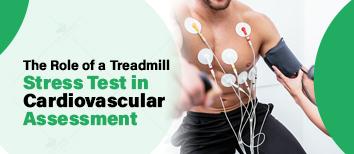
The primary goal of the Treadmill Stress Test is to evaluate how well the heart responds to increased physical activity
In Noida hospitals, recognized for being among the best heart health hospitals in Noida, are at the forefront of offering critical care for heart-related issues.

Explore the 5 most common cardiovascular diseases and their advanced treatment options in Noida for better heart health and care.


Subscribe to our
© Copyright 2026. All Rights Reserved by Felix Healthcare Private Limited
Design and development by :


 +(91)9667064100
 Emergency : +(91)9667064100