 Emergency:
  WhatsApp


Subscribe to our
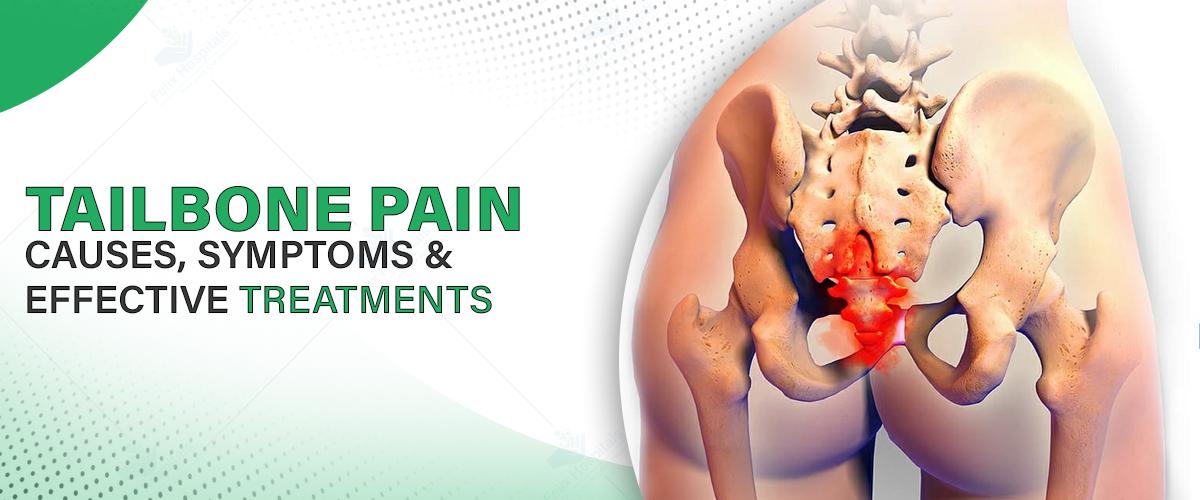
If you're suffering from long-term pain in the base of your back, don't panic, you're not alone. Tailbone pain or coccydynia is an affliction of every age and transforms the simple activities of sitting, driving, or even bending into aching and strenuous challenges. Even though it is an easily overlooked condition, if left untreated, it can significantly interfere with your daily activities and way of life.
Early intervention at the Best Orthopedic Hospital in Greater Noida can be all the difference in how quickly you can recover. Fortunately, knowing about tailbone pain, what causes it, and the best relief techniques can give you the information you need to more effectively deal with symptoms. In this guide, we're going to take you through what you need to know—everything from how to recognize symptoms to talking about immediate and long-term treatment options so that you have the information you need to make educated decisions about your health and well-being.
Don't let your pain in your tailbone dictate your life. Schedule an appointment by calling +91 9667064100 and start down the path of relief that lasts.
Coccydynia, or tailbone pain, is pain that one experiences around the coccyx—the tiny triangular bone at the tip of your spine. Most often, it is a dull, aching, or sharp, stabbing pain that typically worsens with sitting or with movements that put stress on the tailbone. The coccyx is an area of attachment of pelvic floor muscles and ligaments, and therefore normal function is integral to daily function.
Finding the cause for tailbone pain is important for proper management and lasting relief. The condition may arise suddenly following an apparent injury or become apparent with the passage of time without any apparent reason.
Tailbone pain can arise from various factors, including:
Physical Trauma or Injury: Backward falls onto a hard surface are the most common cause of tailbone pain. Coccyx injuries are also caused by pressure on the coccyx during childbirth.
Long periods of sitting: Sitting on hard or narrow surfaces for a long time can hurt the tailbone and the tissues around it. This is particularly common with working people with long periods of sitting at a desk.
Repetitive Strain: Doing things like cycling, rowing, or horseback riding over and over again can hurt the coccyx.
Changes in the joints that get worse over time: The coccyx and the cartilage around it can get worn down with age, which can cause pain. As cartilage wears down, vertebrae may rub against each other, which can be uncomfortable.
Pelvic Floor Dysfunction: If the muscles in the pelvic floor are damaged, it can cause pain in the area around the tailbone.
Infections and Tumours: Spinal infections or bone cancer in the coccyx can cause pain that doesn't go away, but these are less common.
The first step to getting the right diagnosis and treatment for tailbone pain is to know what causes it.
The symptoms of the tailbone pain typically are:
Localized pain or tenderness in the lower back that can radiate to the hips, thighs, or rectum
Increased pain on sitting, especially on hard surfaces
Pain on bowel movements or during sex
Bruising or swelling of the tailbone following trauma
Pain during sitting for extended periods
Abrupt, stabbing pain when transition is made from sitting to standing
Symptoms of tailbone pain may be experienced by some people as dull, throbbing pain similar to muscle cramps, but others have sharper pains. In every instance of severe pain, there are symptoms of nausea, muscle weakness, or gastrointestinal discomfort.
If these pain symptoms in the tailbone persist, early medical consultation is required to prevent complications and ensure proper healing. Call +91 9667064100 for expert assistance.
You ought to seek the advice of a healthcare provider if your tailbone pain:
Lasts longer than four to six weeks after trying conservative care
Gets worse over time or becomes progressively worse
Is also accompanied by fever, numbness, or muscle weakness
Disturbs daily functioning or sleep
Has other concerning signs such as bowel or bladder changes in function
For customized diagnosis and treatment, contact the best Orthopedic doctor in Noida. The early diagnosis enhances the result and avoids the onset of chronic pain conditions. The healthcare professionals can distinguish between mild bruising and serious fractures that might need special treatment.
Most doctors won't jump straight to fancy tests when you show up with tailbone pain. They'll usually:
Feel around the area to see where it's most tender
X-rays if they think something might be broken
MRI when they need to see muscles and inflammation better
CT scans occasionally for really detailed bone pictures
Take a break from whatever caused the problem
Ice packs right away, then heat after a few days
Stop doing things that make it hurt worse
Ibuprofen works great because it fights swelling too
Sometimes doctors give you stronger stuff if regular pills don't help
Acetaminophen if ibuprofen upsets your stomach
Physical therapy - sounds boring but actually helps a lot
Learning exercises that make your core muscles stronger
Kegels aren't just for new moms - guys benefit too
Those weird cushions with holes in them actually work
Donut pillows spread your weight around differently
Might take trying a few before you find your favorite
Steroid shots right into the problem area
Nerve blocks that basically tell pain to shut up
Gentle manipulation by someone who knows what they're doing
Surgery happens maybe 1% of the time when nothing else works
Same game plan as regular tailbone pain
Your body will fix itself in about 2-3 months
Just gotta baby it while it heals
Some ways to stop this from happening are:
Seating that's actually comfortable: Use chairs with some cushioning - nobody should have to suffer through hours on hard plastic or wooden seats.
Good posture (without being obsessive about it): Keep your back fairly straight when sitting and try to have your feet flat on the floor most of the time.
Moving around regularly: Strengthen your core and the muscles around your pelvis through basic exercises - they're what keep everything stable down there.
Making work less painful: Get up from your desk every so often instead of camping out for entire afternoons. Standing desks are great if your boss will spring for one.
Padding when things get rough: During activities like cycling or anything that puts pressure on your tailbone, a little extra cushioning goes a long way.
Staying at a decent weight: Extra pounds mean extra pressure pushing down on your tailbone area.
Honestly, these aren't earth-shattering changes - just common sense stuff that can save you from weeks of misery later. Your lower back will definitely appreciate the effort you put in now.
Daily management strategies include:
Changing how you move around: Don't park yourself in one spot all day - mix things up by sitting for a bit, then standing, then taking a short walk. When you do have to sit, grab a decent cushion and try not to slouch too much.
Getting your body moving gently: Try some easy stretches for those deep hip muscles (piriformis and iliopsoas if you want to get technical). Walking and swimming are fantastic because they help you heal without making things worse.
Dealing with the pain: Figure out what works for your pain - maybe it's ibuprofen, maybe it's a heating pad, maybe it's some deep breathing when things flare up. Keep track of what hurts when, so you can dodge those triggers.
Sleeping without agony: Toss a pillow between your knees if you're a side sleeper, or under your knees if you sleep on your back. Your tailbone will thank you for not putting extra pressure on it all night.
The key thing is staying in touch with your doctor about how you're feeling. If something's getting worse or a new symptom can be detected, don't just tough it out. Have a call with the best orthopedic surgeon in Greater Noida.
Ready to find relief from tailbone pain? Contact our experts today for a comprehensive evaluation and personalized treatment plan.

Dr. Keshav Goel is an experienced Orthopedic and Joint Replacement Surgeon in Noida with over 10 years of clinical expertise. He has performed 2,000+ independent surgeries and specializes in computer assisted joint replacement and arthroscopic surgeries of the knee, shoulder, and hip. Known for his skill in treating sports injuries, trauma, and joint disorders, he provides advanced and patient-focused orthopedic care.
Tailbone pain may disrupt activities of daily living and decrease the quality of your life overall, but awareness of its etiology and treatment may contribute a lot to its healing process. Coccydynia in most cases is responsive to conservative management, and its symptoms will resolve within weeks or months with appropriate treatment.
For individuals seeking surgery options or are concerned about the cost of tailbone pain surgery, visiting specialists at the Best Orthopedic Hospital in Greater Noida or consulting the best orthopedic surgeon in Greater Noida can provide clarity and customized treatment. These institutions offer end-to-end diagnostic facilities, advanced treatment procedures, and experienced orthopedic specialists who have a proper understanding of tailbone disorders.
Treatment varies with the severity of the condition and treatment of choice. Tailbone treatment at an affordable cost in Noida with conservative interventions is usually available, but operations must be carefully considered based on both medical necessity and budget. Most medical insurance will cover medically necessary treatments for coccydynia.
Q1. Does tailbone pain resolve on its own?
Ans: Yes, common tailbone pain tends to get better with rest and lifestyle changes within a few weeks.
Q2. Is it more prevalent in women?
Ans: Yes, they are more likely to suffer from tailbone pain due to childbirth and anatomy.
Q3: Can bad posture cause tailbone pain?
Ans: Yes, it can also add extra pressure on the tailbone and may cause pain.
Q4: Are sit bones connected with tailbone pain?
Ans: Sit bones are special; coccyx is where tailbone pain originates from, but sit bones are part of the pelvis.
Q5: Will weight reduction reduce tailbone pain?
Ans: Weight loss can reduce pressure on your tailbone and is possibly able to relieve pain.
Are you struggling with constant back pain that affects your daily life? Back pain can result from poor posture, long sitting hours, slip disc, muscle strain, or spinal problems.

Learn 10 simple and effective remedies to relieve post-C-section back pain. Improve posture, reduce discomfort, and speed up recovery with safe, doctor-recommended methods.
Endoscopic Spine Surgery in Noida offers a revolutionary, minimally invasive solution for chronic back and spine-related pain


Subscribe to our
© Copyright 2026. All Rights Reserved by Felix Healthcare Private Limited
Design and development by :


 +(91)9667064100
 Emergency : +(91)9667064100