 Emergency:
  WhatsApp

Subscribe to our
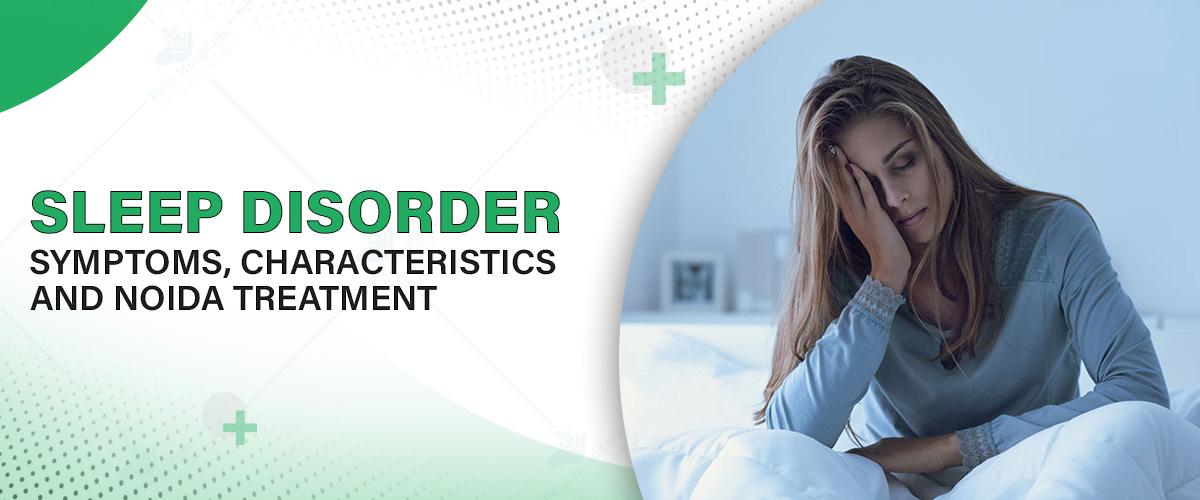
Sleep is among the most crucial processes in staying healthy and emotionally balanced. Sleep helps the body and mind rejuvenate, recharge, and ready oneself for a brand new day. Yet, in the fast-paced world that we live in, more and more individuals are experiencing sleep disorders — illnesses that hamper quality sleep. Whatever the cause — stress, lack of good lifestyle, or illness, undiagnosed and untreated sleep disorders can steadily erode physical and mental health.
If you tend to wake up tired, are unable to sleep, or snore and experience breath interruptions during sleep, it can be more than fatigue. These can signpost an underlying disorder that requires expert diagnosis. Timely Sleep disorder consultation in Noida can create awareness about the cause and restore a healthy sleep pattern.
Call us at +91 9667064100 now to talk to an expert, home assistance, and referrals to the best sleep doctors in Noida.
A sleep disorder is a disorder that interferes with the regular sleep patterns, resulting in poor quality or an inability to sleep. The disorders can disrupt the quality or amount of sleep — they can, in rare situations, prove deadly. Even though periodic nights of sleeplessness are the norm, repeated interruptions that persist over months or weeks can signal the presence of an ongoing disorder.
The sleep disorders are divided according to the nature of the disturbance: sleep difficulty in falling, excessive sleepiness during the day, irregular time of sleep, or abnormal movement while asleep. The conditions can affect daily living, presenting as tiredness, lack of concentration, changing moods, and even long-term medical issues.
The good news is that the majority of the sleep problems are reversible or can be managed with the right diagnosis and treatment of sleep problems in Noida through therapy, medication, and lifestyle changes.
These sleep disorders rarely occur without any reason. Identification of the cause helps in the proper treatment. The most common causes that result in the sleep disorder are as follows:
Stress, depression, and anxiety are among the chief causes of poor sleep. Distressing feelings or overthinking create tension, making comfort difficult, leading to sleeplessness or frequent waking up.
Late-night screen exposure, irregular sleeping hours, or heavy caffeine consumption can disrupt the body’s natural circadian rhythm, making it difficult to fall asleep.
Chronic pain, acid reflux, thyroid imbalance, heartburn, or asthma very frequently disrupt uninterrupted sleep. The patient suffering from these illnesses can feel uneasy and unable to sleep.
These diseases, like Parkinson's disease, epilepsy, or Alzheimer's disease, can disrupt the functions in the brain that govern sleeping cycles.
Some drugs (such as stimulants, anabolic steroids, and antidepressants) or heavy use of alcohol and tobacco chewing can influence the quality of sleep.
Sleep disorders rise in prevalence in the elderly due to hormonal changes as well as in the sleep centers in the brain.
Early diagnosis of the causes and consulting the Best Neurology Hospital in Noida helps in getting the right treatment and customized care.
The sleep disorders come in all forms, all with their own symptoms and consequences. The most common among these are as follows:
Most common sleep disorder, insomnia is an inability to either fall asleep or remain asleep. Insomnia can either be acute in character (brief) or chronic in character (prolonged) and is often triggered by stress or lifestyle situations. Chronic insomnia can also be the result of depression or anxiety.
A severe disorder in which cessation of breathing during sleep recurs. Individuals suffering from sleep apnea tend to snore excessively and awaken with gasps to catch breath. It lowers the body's oxygen levels, resulting in lethargy and heart issues when left untreated.
A neurological condition where a patient feels the uncontrollable urge to move his or her legs when he or she is resting. The feeling tends to interfere with sleep and make one exhausted the following day.
The rare illness leads to excessive sleepiness during the day and abrupt sleep attacks. The neurological disorder impairs the ability of the brain to regulate the sleep-wake cycles.
These take place when your body's internal clock doesn't match the natural day-night rhythm of the environment. Shift workers or long-distance passengers generally experience this.
This group includes abnormal behaviors during sleep, such as sleepwalking, night terrors, or talking during sleep.
These conditions all vary in their symptoms, yet they all carry something in common — poor quality sleep that can impact overall health.
Early indication of a sleep disorder can lead to early diagnosis. Most frequent indicators are:
Trouble sleeping even when feeling tired
Waking up regularly at night
Snorting or gagging noises during sleep
Morning headache or sore throat
Excessive daytime sleepiness
Mood alterations such as irritation or discomfort
Poor focus and concentration at work or school
Forgetfulness or confusion often
Restless or jerky while sleeping
In more severe cases like sleep apnea, patients may at times cease to breathe during sleep without their knowledge — so early assessment by a physician is crucial.
Long-term sleeping issues can cause long-range consequences for overall health. Quality sleep loss can dampen the immune system and increase the chance of:
High blood pressure and heart disease
Diabetes and obesity patient
Depression and anxiety disorders
Impaired concentration and adverse decision-making
Memory loss
Low sexual desire
Impaired immune function and repeated illness
If these signs are overlooked, there is the possibility of losing both physical as well as mental performance. Noida neurologists can guide in the diagnosis of the causes and prevention of long-term damage.
When there is sufficient diagnosis, proper treatment ensues. The physicians can utilize different approaches of determining the quality of sleep and determining abnormal patterns, including:
Polysomnography (Sleep Study): An overnight, comprehensive test, which tracks the brain waves, breathing, and the amount of oxygen.
EEG and ECG Tests: Tests are done to monitor the activity of the brain and heart during sleep.
Blood Tests: To rule out hormonal or metabolic disturbances.
Actigraphy: A wearable that monitors sleep-wake activity over several days.
These help identify whether your disorder is related to insomnia, sleep apnea, or some other disorder that needs special treatment.
Treatment for the sleep disorders depends upon the cause and the severity. Most common and efficient treatments are:
Even small daily modifications can really help with sleep. These are:
Following a regular sleep schedule
Avoiding caffeine and alcohol before bedtime
Limiting evening exposure to the screen
Creating a calm, dark, and silent sleeping environment
Engaging in light exercise and meditation
The Cognitive Behavioral Therapy for Insomnia (CBT-I) seeks to identify the negative thought pattern and substitute it with positive sleep practices.
The doctors can provide short-term sleeping medication, melatonin supplements, or anti-anxiety drugs as the situation arises. These can only be used under the expert's supervision.
It treats sleep apnea in patients very efficiently. CPAP prevents the airway being blocked while asleep and prevents the deprivation of oxygen.
In the severe instances of the sleep apnea or clogged nose, surgery may be recommended to improve breathing and airflow..
Herbal teas, aromatherapy, yoga, and mindfulness meditation can help with peaceful sleep and stress reduction in the case of mild instances.
Proper medical guidance provided by the Best Neurology Hospital in Noida helps patients recover stable healthy sleep patterns along with a refreshed mindset.
Prevention is better than cure. The following are fundamental yet robust daily routines in order to sleep healthy:
Keep the same routine for sleeping and rising.
Do not eat heavy or consume caffeine in the later evening.
Relax tension with deep breath or soft yoga.
Keep the bedroom dark, silent, and cold.
Don't overuse the cell phone or television at bedtime.
Short naps are acceptable every so often, yet not before bedtime.
Restrict smoking and drinking.
These small adjustments can go a long way toward preventing chronic sleep disturbances.
Call us at +91 9667064100 today and start the way to smooth, continuous sleep.
The body's hidden healer is sleep — it rejuvenates energy, heals tissues, and balances the mind. However, millions of people quietly suffer from sleep disorders that slowly impact their health and lifestyle. Whatever the reason, whether it's insomnia, sleep apnea, or other interruptions, identifying the symptoms early and treatment at the Best Neurology Hospital in Noida can create a lifesaving impact.
If you feel fatigued all the time, snore loudly, or can't focus while at work, refrain from neglecting the issue. Look for neurologists in Noida who are certified sleep disorder consultants and can help in the appropriate diagnosis and management.
Restoration of healthy sleep is not just sleep — restoration of health, happiness, and sense of peace.
Begin today — because a good nights sleep is the path to a better tomorrow.
Q. 1. How can I tell whether my sleep problems are severe enough to require the assistance of a physician?
Ans. If there is ongoing fatigue, snoring, waking up often, or a shift in mood even after having slept for several hours, then there is a necessity for medical assistance. These are early signs of a hidden sleep disorder that can never be overlooked.
Q. 2. Is stress or anxiety really the reason for sleep disorders?
Ans. Yes. Anxiety and stress can directly impair your sleep-regulating component of the brain, causing difficulty falling or staying asleep. Stress is frequently addressed as part of the treatment by managing stress with therapy, relaxation, or lifestyle modifications.
Q. 3. What is performed during a sleep study (Polysomnography)?
Ans. During a sleep study, sensors in bed track your heart, breath, brain waves, and oxygen. Based on the findings, the test helps doctors identify the presence of sleep apnea, insomnia, or another disorder that requires targeted treatment.
Q. 4. Is there an association of sleep disorder with other diseases?
Ans. Yes. Most cases of untreated sleep disorders go hand in hand with hypertension, obesity, diabetes, and heart disease. Early treatment not only treats the sleep disorder, it prevents long-term effects.
Q. 5. Can sleep disorder be treated without medicines?
Ans. Yes, in most instances. Non-pharmacological management of sleep includes behavioral treatments, lifestyle modifications, and relaxation techniques such as yoga or meditation and can significantly improve sleep.
Q. 6. What will be the time required to beat a sleep disorder?
Ans. The recovery is determined by the cause and severity. Others who are known to have chronic conditions can be under long-term treatment and frequent monitoring, and some patients report betterment after few weeks due to lifestyle changes.
Q. 7. How can sleep disorders in the long term be prevented best?
Ans. Establishing regular sleep habit, reduced consumption of caffeine and phones at bed-time, as well as early treatment of stress, are the most crucial precautionary steps. Periodic health check-ups with neurologists in Noida also facilitate early diagnosis of future sleeping disorders.
During sleep, the body releases growth hormones, which are essential for a child's growth and development. Adequate sleep is vital for muscle development, tissue growth, and the overall physical health of a child.
Obstructive Sleep Apnea occurs when the muscles in the throat relax excessively during sleep, causing the airway to become partially or fully blocked.

Lack of sleep silently damages your body and mind. Discover 10 shocking ways poor sleep affects your health, immunity, heart, and mental well-being.
Having trouble breathing while sleeping? Discover the best sleep positions to improve airflow and ensure restful sleep.

Subscribe to our
© Copyright 2026. All Rights Reserved by Felix Healthcare Private Limited
Design and development by :


 +(91)9667064100
 Emergency : +(91)9667064100