 Emergency:
  WhatsApp


Subscribe to our

"Skin whitening" is largely a marketing term. What people actually want and what's genuinely achievable at home is brighter, clearer, more even-toned skin that looks healthy and alive. The difference matters because chasing "whiteness" sets you up for disappointment and, in some cases, real harm. Chasing glow, clarity, and evenness? That's entirely doable, including with ingredients sitting in your kitchen right now.
This blog covers both the home remedies that genuinely work for improving skin radiance and tone, and the honest context around what they can and can't do. Because the internet is full of "7 days glowing skin challenge" content that sets unrealistic expectations, and you deserve better than that.
Before getting into remedies, it helps to understand what you're actually treating. Dull, uneven, lacklustre skin usually comes from one or more of these:
Dead skin cell buildup: Skin renews itself every 28 to 40 days. When dead cells accumulate on the surface faster than they shed which happens more in dry climates, during winter, or with age the skin looks flat and grey.
Dehydration: Not dryness dehydration. Dry skin lacks oil. Dehydrated skin lacks water. You can have oily, dehydrated skin. When skin cells are water-depleted, they reflect light poorly and look dull regardless of how much moisturiser you apply on top.
Hyperpigmentation and uneven tone: Sun exposure, hormonal changes, post-acne marks, and inflammation all trigger melanin production unevenly. The result is patches, spots, and an overall uneven tone that reads as dullness even when individual skin texture is fine.
Pollution and oxidative stress: In cities like Noida and Delhi, this is significant. Particulate matter from air pollution deposits on skin, clogs pores, generates free radicals, and accelerates the breakdown of collagen all of which affect how skin looks day to day.
Poor circulation: Skin colour and glow are partly determined by blood flow. Lack of sleep, stress, and sedentary habits all reduce circulation to the face visibly.
Home remedies address some of these. Others require clinical treatment. Knowing which is which saves you time, money, and skin.
Turmeric has been used in Indian skincare for centuries, and modern dermatology has caught up with why. Curcumin, the active compound in turmeric, has documented anti-inflammatory and mild skin-brightening properties. It inhibits tyrosinase, the enzyme involved in melanin production. Raw turmeric contains higher curcumin concentration than the processed powder.
Honey is a humectant that draws moisture into the skin and has antimicrobial properties that make it useful for acne-prone skin.
How to use: Mix a small amount of raw turmeric paste with one teaspoon of raw honey. Apply to clean skin, leave for 15 minutes, and rinse thoroughly. Use two to three times a week.
What to expect: Reduced redness, more even tone over four to six weeks of consistent use. Not an overnight result, a gradual one.
Caution: Turmeric stains. Use an old towel. And yes, your skin may look slightly yellow immediately after this washes off.
Besan is one of the most underrated skincare ingredients available. It gently exfoliates dead skin cells mechanically while absorbing excess oil which is why it's been a staple of Indian skincare traditions long before "double cleansing" became a trend. Rose water has mild astringent properties and soothes inflammation.
Together they address two of the main causes of dullness: dead cell buildup and excess sebum without stripping the skin.
How to use: Mix two tablespoons of besan with enough rose water to form a paste. Add a pinch of turmeric if you like. Apply to face, let it dry slightly, then rub off gently with wet fingers in circular motions. Rinse. Use once or twice a week.
What to expect: Noticeably smoother texture within two weeks. Improved glow over four to six weeks as dead cell buildup consistently clears.
The difference between fresh aloe vera and packaged aloe vera gel is significant. Fresh gel from a leaf contains aloesin a compound with documented tyrosinase-inhibiting activity alongside mucopolysaccharides that hydrate the skin deeply. Most packaged gels have these compounds degraded or removed through processing and preservatives.
If you have an aloe plant at home, this is genuinely one of the most effective single-ingredient skin treatments available. If you don't, it's worth getting one.
How to use: Cut a leaf, squeeze out the clear gel, apply directly to clean skin. Leave for 20 to 30 minutes or overnight as a sleeping mask. Use daily if your skin tolerates it.
What to expect: Improved hydration and reduced redness within days. Gradual improvement in pigmentation and tone over four to eight weeks.
This sounds unusual enough that people skip it. They shouldn't. Raw potato contains catecholase, an enzyme that has skin-lightening properties and is particularly effective on dark circles, sun spots, and post-inflammatory hyperpigmentation.
It won't dramatically lighten your overall skin tone. Nothing applied topically will do that significantly but for targeted dark patches, it's genuinely more effective than most people expect.
How to use: Grate a raw potato and squeeze out the juice. Apply with a cotton pad to affected areas. Leave for 15 to 20 minutes, rinse. Daily use is fine.
What to expect: Gradual lightening of dark spots and patches over four to eight weeks. More effective on fresh marks than old, established ones.
Milk contains lactic acid, a natural alpha hydroxy acid that exfoliates gently and improves skin texture and tone over time. It also has moisturising properties from its fat and protein content. Saffron contains crocin and safranal, compounds with documented skin-brightening and antioxidant activity.
This combination has been in Indian skincare traditions for generations and the chemistry behind it holds up.
How to use: Soak a few saffron strands in two tablespoons of raw milk for 30 minutes. Apply to face with a cotton pad, leave for 20 minutes, rinse with cool water. Use three to four times a week.
What to expect: Improved hydration and mild brightening effect within two to three weeks. Cumulative improvement in skin tone with consistent use.
Sandalwood chandan has been documented in Ayurvedic texts and increasingly in modern research for its anti-inflammatory, antimicrobial, and mild skin-brightening properties. It contains alpha-santalol, which inhibits melanin synthesis and reduces hyperpigmentation over time.
Real sandalwood powder is what you want here, not synthetic fragrance products sold as sandalwood. The cost is higher but the active compounds are entirely different.
How to use: Mix sandalwood powder with rose water or raw milk to form a paste. Apply to clean skin, leave until dry, rinse. Use two to three times a week.
What to expect: Reduced oiliness and congestion quickly. Improvement in tone and brightness over four to six weeks.
This costs nothing and works immediately. Rubbing ice wrapped in a thin cloth across the face in the morning reduces puffiness, tightens pores temporarily, stimulates circulation, and gives an immediate glow that lasts several hours. It's a genuine technique used by makeup artists before events and by dermatologists recommending morning skincare prep.
It doesn't fix pigmentation or texture long-term. But for daily radiance and a fresh appearance, it's the fastest result available from any home remedy.
How to use: Wrap two or three ice cubes in a clean muslin cloth. Glide across the face for two to three minutes, paying attention to under-eye area, cheekbones, and jawline. Do this before your morning routine.
What to expect: Immediate visible glow and reduced puffiness within minutes. Pores appear smaller temporarily. Makeup applies more smoothly after.
Green tea contains epigallocatechin gallate EGCG, one of the most potent topical antioxidants available from a natural source. Applied to skin, it neutralises free radicals from pollution and UV exposure, reduces inflammation, and over time helps prevent the oxidative damage that accelerates dullness and uneven tone.
For those living in high-pollution areas like Noida and Delhi, the antioxidant protection from green tea is more relevant than it would be elsewhere.
How to use: Brew strong green tea, allow to cool completely, pour into a clean spray bottle or apply with a cotton pad after cleansing. Leave on, don't rinse. Use morning and evening.
What to expect: Reduced redness and irritation within days. Gradual improvement in skin clarity and tone over four to six weeks.
Search this phrase and you'll find before-and-after photos suggesting dramatic transformation in a week. Here's what's actually achievable in seven days with consistent home care and what isn't.
What can change in 7 days: Improved hydration visible within 48 to 72 hours of consistent moisturizing and increased water intake. Reduced puffiness and dullness from ice facials and green tea. Clearer surface texture from one or two exfoliation sessions with besan. Reduced inflammation and redness from aloe vera and turmeric.
What cannot change in 7 days: Established hyperpigmentation. Melasma. Deep acne scars. Significant uneven tone from sun damage. These are weeks-to-months corrections at best and some require clinical treatment.
A realistic seven-day plan:
Day 1–2: Ice facial every morning, green tea toner twice daily, aloe vera overnight mask.
Day 3: Besan and rose water scrub, followed by saffron milk treatment.
Day 4–5: Turmeric and honey mask, green tea toner, aloe vera overnight.
Day 6: Potato juice on dark spots, sandalwood mask.
Day 7: Full routine ice facial in the morning, besan scrub, aloe vera overnight.
Saffron milk, potato juice, and turmeric honey mask used consistently over four to six weeks. Combined with daily SPF.
Besan scrub twice weekly, aloe vera overnight mask, ice facial daily, green tea toner.
Potato juice daily on affected areas, sandalwood paste three times weekly, vitamin C from topical sources like tomato or amla which can be added to any of the base preparations above.
Besan is your primary tool. Multani mitti (fuller's earth) mixed with rose water is also highly effective for absorbing sebum and deep-cleaning pores without stripping.
Raw milk and saffron, honey as a standalone mask, aloe vera. Focus on hydration before attempting any brightening dehydrated skin won't respond well to brightening treatments until the moisture barrier is restored.
Some skin concerns respond genuinely well to consistent home care. Others have an underlying cause that no kitchen ingredient addresses. Knowing the difference saves months of ineffective effort.
See a dermatologist if you have:
Melasma the butterfly pattern of pigmentation across the cheeks and forehead that's driven by hormonal changes. Home remedies slow it. They don't treat it. Clinical options including topical prescription agents, chemical peels, and laser therapy produce significantly better results.
Persistent acne leading to marks won't clear faster than the active acne keeps producing them. The acne needs to be treated first.
Pigmentation that hasn't improved after eight to twelve weeks of consistent home care. At that point you're dealing with something that sits deeper in the skin than topical home remedies reach.
Sudden changes in skin tone or texture. These warrant a clinical assessment to rule out underlying conditions before beginning any treatment.
For a dermatologist consultation, call +91 9667064100.
These aren't glamorous. They're also more impactful on skin appearance than any mask or scrub:
Water intake: Dehydrated skin looks dull regardless of what you put on it. Two to three litres daily is a baseline.
Sleep: Skin repair and collagen synthesis happen predominantly during sleep. Chronic sleep deprivation is visible on the face within days pale, dull, puffy. Eight hours is not a beauty myth.
Sun protection: Every brightening effort home remedy or clinical is partially or fully reversed by consistent unprotected sun exposure. SPF 30 minimum, daily, regardless of whether you're going outside or sitting near a window. UV penetrates glass.
Diet: Antioxidant-rich foods tomatoes, amla, citrus, leafy greens, nuts support skin health from within in ways that topical application can't fully replicate. Processed foods high in refined sugar accelerate glycation, which visibly dulls and yellows skin over time.
Stress management: Cortisol from chronic stress triggers inflammation, increases oil production, impairs skin barrier function, and accelerates aging. Not a skincare problem solvable with a face mask.
The internet also surfaces home remedy suggestions that cause more damage than benefit. Worth knowing what to leave in the kitchen:
Lemon juice directly on skin: Citric acid at that concentration causes photosensitivity and can cause chemical burns in sunlight. The brightening effect is real but the damage risk is higher than the benefit.
Baking soda: Highly alkaline, disrupts skin's natural pH, damages the acid mantle. Causes irritation and worsens sensitive and acne-prone skin despite its persistent recommendation online.
Toothpaste on pimples: Causes contact dermatitis. Ineffective.
Undiluted essential oils: Potent irritants at undiluted concentration. Always require a carrier oil and patch testing.
Apple cider vinegar: Too acidic for most skin types at any practical concentration. Causes irritation and barrier disruption.
Homemade remedies for glowing skin work within their limits. Besan exfoliates, turmeric brightens, aloe vera hydrates, green tea protects. Consistent use of the right ingredients for your skin type produces real, visible improvement over four to eight weeks.
What they don't do is reverse significant pigmentation, treat hormonal melasma, or address active acne producing ongoing marks. For those concerned, the gap between home care and clinical treatment is meaningful and bridging it is not about abandoning natural skincare, it's about using the right tool for the actual problem.
At Felix Hospital's dermatology department our team works with patients across the full spectrum from basic skincare guidance and home routine optimisation to prescription treatments and clinical procedures for concerns that need more than a kitchen remedy. Whatever your skin is dealing with, the consultation starts with an honest assessment of what it actually needs.
Call +91 9667064100 to book a dermatologist consultation
A standard 1ml lip filler session using branded hyaluronic acid filler at a reputable clinical setting in Delhi NCR costs approximately ₹14,000 to ₹28,000 in Noida and ₹20,000 to ₹45,000 in South Delhi. Significantly lower prices almost always indicate unbranded products or unqualified injectors.
At reputable dermatology clinics in Noida, lip filler prices range from ₹12,000 to ₹28,000 per session. At Felix Hospital, Sector 137, pricing is transparent and based on authenticated branded product call +91 9667064100 for current rates.
Six to twelve months depending on the product brand, your metabolism, and lip activity. Juvederm Volbella tends to last toward the longer end. Generic fillers typically wear off in three to five months.
Most first-time patients achieve natural results with 0.5ml to 1ml. The right amount depends on your existing lip volume, the shape of your mouth, and your goals which is why a face-to-face consultation is essential before any treatment.
Mild discomfort rather than significant pain for most patients. Topical numbing cream is applied beforehand and most quality fillers contain lidocaine. The procedure itself takes under 30 minutes.
Yes. Hyaluronic acid filler can be dissolved with hyaluronidase, an enzyme that breaks it down quickly. Results typically return to baseline within a few days. This reversibility is one of the key advantages of HA filler over permanent alternatives.
Swelling and bruising for two to five days are normal and expected. Rare but serious complications include vascular occlusion which is why injector qualification and a clinical setting with dissolution capability on-site are essential.
Juvederm Volbella and Restylane Kysse are both specifically formulated for lip tissue and have strong safety records. The best brand for you depends on your goals and lip anatomy.
Prices significantly below market rate almost always mean unbranded or grey-market hyaluronic acid products, unqualified injectors, or both. The cost saving is real upfront and potentially expensive in outcomes.
Dr. Tarun Gupta is a dermatologist with 17+ years of experience in skin health and disease management. He specializes in diagnostic dermatopathology, cosmetic dermatology, and the treatment of complex skin conditions. Recognized among the Best Dermatologists in Greater Noida, he is known for accurate diagnosis and effective skin care treatment.
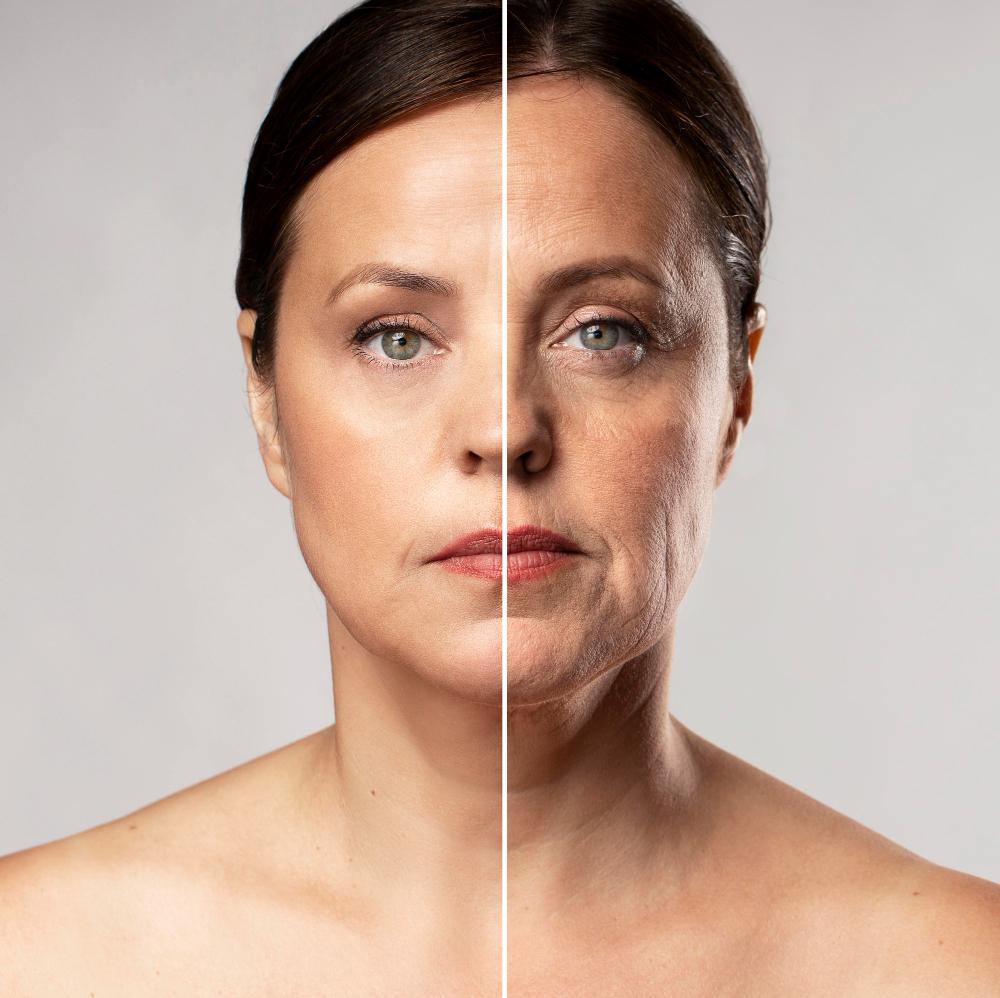
Certain skin disorders aren’t preventable, including genetic conditions and some skin problems due to other illnesses.

If your answer is yes, then, here are 6 easy steps to keep your skin look young and glowing.
It’s essential to note that the cost of skin pigmentation disorder treatment in Noida can differ based on the type of treatment required and the healthcare facility's resources.
In severe cases, surgery may be required to drain the blocked sinus.


Subscribe to our
© Copyright 2026. All Rights Reserved by Felix Healthcare Private Limited
Design and development by :


 +(91)9667064100
 Emergency : +(91)9667064100