 Emergency:
  WhatsApp




Subscribe to our
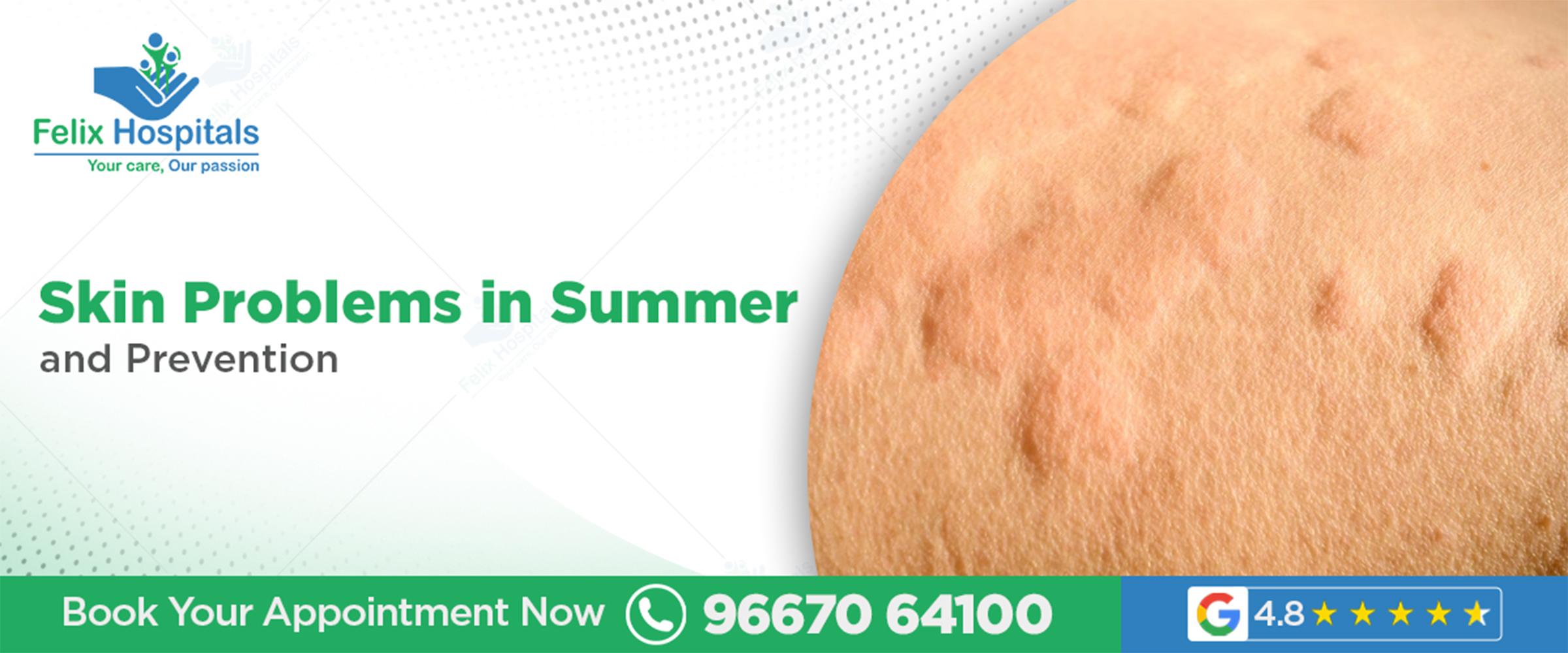
One of the worst seasons of skin health is summer, particularly in warm and humid areas. When temperatures increase, the skin faces too much heat, sweat, pollution and unhealthy ultraviolet (UV) radiation. These changes in the environment have a great impact on the skin barrier rendering it more susceptible to irritation, infections and damage.
People have a natural ability to produce sweat to cool their bodies, however, in summer, over sweating is one of the primary causes of issues with skin. Dirt and bacteria, as well as oil, combine with the sweat and block the pores resulting in acne, rashes, and infections. Meanwhile, long-term exposure to the sun destroys the skin cells, hastens the aging process, and causes pigmentation.
Dermatologists have found that there is an increase of up to 30-40 % in cases of skin infections and inflammatory conditions in the most hot summers caused by the heat and humidity. This is the reason why it is necessary to follow the right skincare routine and consult a doctor at the right time.
It can be helpful to visit the Best Dermatologists in Noida, the Best Skin doctor in noida, or seek qualified help at a Dermatology Hospital In Noida to detect complications at the earliest stage, treat them successfully, and prevent them.
Are you experiencing itching, rashes, or acne during summer? Don’t ignore early symptoms—skin conditions can worsen quickly in heat. Call +91 9667064100 to consult a dermatologist today.
Understanding why skin problems increase in hot weather is key to preventing them. The skin secretes more oil and sweat in summer because the temperatures are high. This mixture forms a humid condition that allows bacteria and fungi to flourish. Sweat also clogs pores causing acne and heat rushes.
UV radiation is another important aspect. Collagen is damaged by ultraviolet rays and results in premature aging, tanning, and pigmentation of the skin. Excessive exposure over a long period of time may even cause skin cancer.
Humidity also contributes to the situation by not allowing the sweat to evaporate and leaving the skin wet and susceptible to infection. The issue is also exacerbated by pollution which deposits harmful particles on the skin, irritating and inflaming it.
It is scientifically proven that microorganisms grow better in hot and humid environments, so Summer is one of the seasons when skin-related problems are most common.
Recognizing what are common skin problems in summer helps in early management.
The most common ones are:
Heat rash (prickly heat)
Acne and breakouts
Tanning and pigmentation
Fungal infections
Heat rash happens when the sweat gets trapped beneath the skin resulting in red itchy bumps. The excess production of oil and clogged pores causes acne. Excessive exposure to UV rays causes sunburn that causes redness, pain, and peels.
Fungus thrives especially in places that harbor sweat like the armpits, feet and body crevices. These conditions might not be very serious at first but can be aggravated without proper treatment.
Understanding what causes rashes and acne in summer is essential for prevention.
Key causes include:
Excessive sweating
Clogged pores
Bacterial growth
Use of thick skincare products.
Poor hygiene
The accumulation of sweat blocks the sweat glands, and hair follicles, and results in inflammation. The growth of bacteria in this habitat causes acne and rashes.
Agreous or greasy skin care can also worsen the situation by plugging pores. This is the reason why dermatologists advise to use light-weight non-comedogenic ones.
Another cause of acne flare-up during hot weather may be hormonal changes and stress.
Identification of what constitutes heat rash symptoms will aid in early detection.
Common symptoms include:
Small red bumps
Prickling, itching feeling.
Mild swelling
Irritation in sweaty areas
The heat rash normally occurs on the neck, chest, back and where skin folds. It is predominant among children although it can also occur in adults.
When left unchecked, heat rash may result in secondary infections as a result of scratching.
Following how to prevent skin infections in summer strategies can significantly reduce risk.
Such preventive measures include:
Maintaining proper hygiene
Keeping skin dry
Putting on loose breathable clothes.
Not perspiring much.
Using antifungal powders
Research indicates that by keeping one's skin dry and clean, there is a possibility of reducing the risk of infection by up to 50 %.
Basic routines such as having a shower after sweating and changing clothes periodically can go a long way.
Understanding how to avoid fungal infection in summer is crucial.
Helpful tips include:
Drying the skin after taking a bath.
Avoiding tight clothing
Keeping feet clean and dry
Clean towels and clothes.
Fungi reproduce best in damp conditions and most easily avoided by minimizing moisture.
Following how to take care of skin in summer ensures healthy skin.
Such practices are important and include:
Cleansing twice daily
Applying light moisturizers.
Avoiding harsh products
Maintaining hygiene
Regular skincare is a way to keep the skin barrier intact and avoid skin damage.
It is essential to know the value of sunscreen and sun protection.
Sunscreen helps:
Block harmful UV rays
Prevent tanning and sunburn
Reduce risk of skin cancer
Slow aging
Dermatologists suggest the use of SPF 30 and above, and a reapplication every 2-3 hours.
Adequate diet and water hydration helps in the summer to keep skin healthy.
Helpful tips include:
Drinking plenty of water
Consuming fruits that contain antioxidants.
Not eating oily and processed foods.
Water increases the elasticity of skin and decreases dryness.
Proper diagnosis helps identify skin conditions accurately.
Test | Purpose |
skin examination | detects visible issues |
allergy testing | identifies triggers |
lab tests | confirms infections |
These tests guide effective treatment plans.
It is important to know when to seek help.
Consult a doctor if:
Symptoms persist
There is great itching, or pain.
Infections spread
Home remedies fail
Complications are avoided by early treatment.
The treatment and diagnosis are properly taken care of by medical care.
It provides:
Personalized treatment
Advanced therapies
Prevention of complications
Long-term skin care guidance
Consistently checking the skin improves the health of the skin.
Facing recurring skin issues every summer? Get expert care before the condition worsens. Call +91 9667064100 to consult a dermatologist now.
Problems with Skin Summer Summer skin problems are widespread and can be treated with due care. Understanding what are common skin problems in summer, knowing how to prevent skin infections in summer, and following how to take care of skin in summer are essential steps for maintaining healthy skin.
Most skin problems can be avoided during the summer period with early consultation with the Best Dermatologists in Noida and right ways of taking care of the skin.
Keep your skin dry, wear loose clothes, and avoid sweating. If it persists, consult a dermatologKeep your skin dry, wear loose clothes, and avoid sweating. If it persists, consult a dermatologist.Keep your skin dry, wear loose clothes, and avoid sweating. If it persists, consult a dermatologist.Keep your skin dry, wear loose clothes, and avoid sweating. If it persists, consult a dermatologist.
Increased oil and sweat clog pores, leading to breakouts.Increased oil and sweat clog pores, leading to breakouts.
Yes, due to heat and humidity, fungal infections spread faster.
Every 2–3 hours, especially when outdoors.Every 2–3 hours, especially when outdoors.Every 2–3 hours, especially when outdooEvery 2–3 hours, especially when outdoorEvery 2–3 hours, especially when outdoors.
If symptoms persist, worsen, or cause discomfort, seek medical help
Dr. Tarun Gupta is an experienced Dermatologist with 17+ years of expertise in treating skin, hair, and nail conditions, along with advanced cosmetic dermatology procedures.

If your answer is yes, then, here are 6 easy steps to keep your skin look young and glowing.
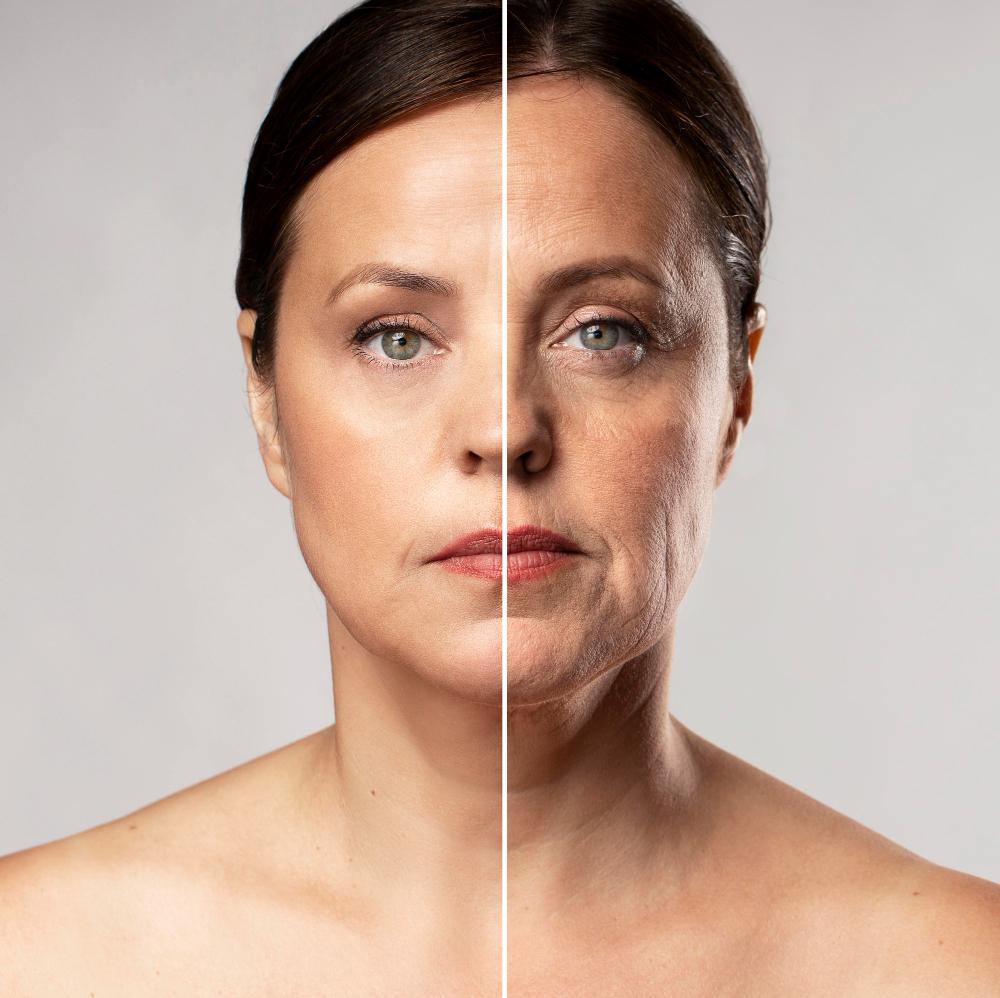
Certain skin disorders aren’t preventable, including genetic conditions and some skin problems due to other illnesses.


Subscribe to our
© Copyright 2026. All Rights Reserved by Felix Healthcare Private Limited
Design and development by :


 +(91)9667064100
 Emergency : +(91)9667064100