 Emergency:
  WhatsApp


Subscribe to our
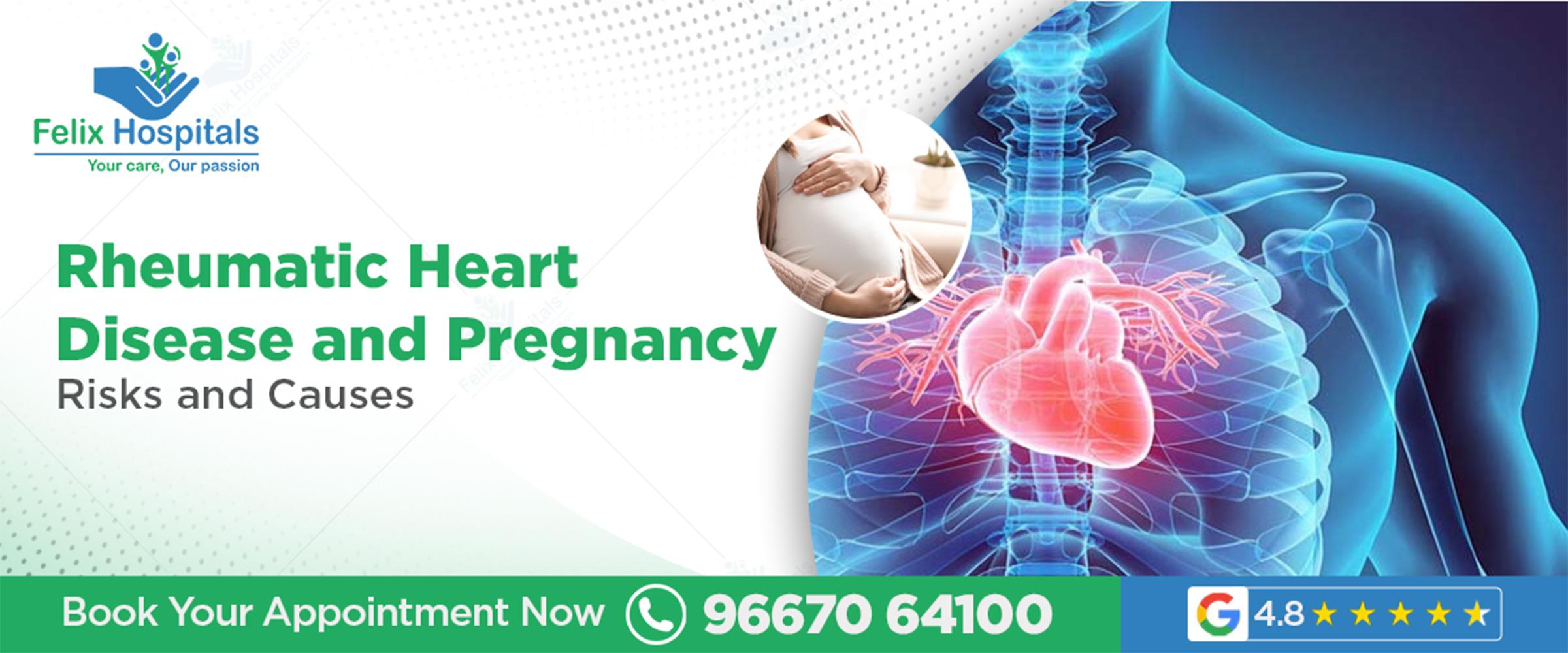
Pregnancy is one of the most beautiful journeys a woman can take — but for those living with rheumatic heart disease (RHD), it comes with real medical challenges that need expert attention. Pregnancy changes a lot in the body, especially the heart and blood vessels. Women with rheumatic heart disease need to take extra care, keep an eye on things, and plan ahead during pregnancy to avoid problems for both mother and baby.
According to the World Health Organization (WHO), RHD affects an estimated 55 million people worldwide and claims approximately 360,000 lives each year, the majority in low- or middle-income countries
Source Url: https://www.who.int/news-room/fact-sheets/detail/rheumatic-heart-disease
If you have heart disease and want to get pregnant, you need expert care. Call on +91 9667064100 to talk to heart experts
Rheumatic Heart Disease is a condition that affects heart valves because of rheumatic fever, which is caused by untreated streptococcal throat infections. The immune system hurts heart valves over time, making them narrower or prone to leaking, which slows down blood flow and puts more stress on the heart. Pregnancy makes the condition worse because it makes the heart work harder and the blood volume higher. According to the American Heart Association, 60% of cases of rheumatic fever that aren't treated cause damage to the heart valves.
Caused by throat infections that weren't treated
Permanently hurts heart valves
Makes you tired and short of breath
Needs to be watched for life
Rheumatic heart disease frequently impacts young women, particularly in developing nations where untreated throat infections are prevalent. Knowing how the condition affects pregnancy can help lower the risks for both the mother and the baby.
Raises the chance of heart problems during pregnancy
Needs special monitoring
Planning ahead leads to better health
Stops heart attacks and other health issues
Knowing how rheumatic heart disease affects pregnancy can help pregnant women get ready for a safe pregnancy. During pregnancy, the heart needs to work harder to provide blood for the baby along with the mother. This extra work increases the load on the heart and can potentially cause heart issues.
Changes in the heart during pregnancy
The amount of blood that needs to be pumped goes up by 50%
The heart rate goes up
The need for oxygen goes up
The chance of fluid overload goes up
According to the European Society of Cardiology, 16% of pregnancies in women with pre-existing CVD experience a cardiac event.
Women with moderate to severe valve disease are more likely to have heart failure, arrhythmias, and fluid buildup during pregnancy.
Possible risks to the mother
Failure of the heart
Heartbeat that isn't regular
Clots in the blood
Shortness of breath
Expecting mothers need to know about the risks to their baby during pregnancy. Less blood flow and oxygen delivery could slow down the growth and development of the foetus.
Possible dangers to the baby
Birth before the due date
Small weight at birth
Limited growth
According to the American College of Obstetricians and Gynecologists, babies whose mothers have heart disease are twice as likely to be born early.
Common triggers:
Getting throat infections repeatedly
Not completing the prescribed course of antibiotics when the infection is in early stages
Incomplete follow-up care
Tests for monitoring
Echocardiogram
Watching the ECG
Keeping an eye on blood pressure
Regular visits to the cardiologist
Ways to treat
Medicines that are safe for heart function
Antibiotics to keep infections from happening
Anticoagulants if needed
Physical activity that is controlled
Planning a Safe Pregnancy with Rheumatic Heart Disease
Review of medications
Better ways of living
Consultation with a specialist in high-risk pregnancies
Good habits can help lower the risk of problems during pregnancy.
Tips for a healthy pregnancy
Eat a balanced diet
Don't eat too much salt
Handle stress
Go for regular checkups
Do exactly what the doctor says
If you are in Noida and looking for trusted cardiac care through your pregnancy journey, expert help is just a call away at +91 9667064100.
Pregnancy with rheumatic heart disease is not something to navigate alone — but with the right support, it absolutely can be a safe and joyful experience. The earlier you understand your condition and work with a specialist, the better placed you are to protect both yourself and your baby. Small steps like knowing your risks, attending regular check-ups, and planning your pregnancy in advance can make an enormous difference to your outcome.
Yes, as long as they get the right care and monitoring.
With medical supervision, many women can have a normal delivery.
Doctors give you medications that are safe to take while pregnant.
Yes, it is highly recommended to see a doctor before getting pregnant.
Early monitoring and treatment greatly lower the risks.
Dr. Rahul Arora is an experienced Interventional Cardiologist with 21+ years of expertise in advanced cardiac care, specializing in personalized, evidence-based treatment for heart diseases and improved patient outcomes.

Angiography is an important diagnostic test used to detect blockages or narrowing in blood vessels, especially in heart patients.
Experiencing frequent chest pain, shortness of breath, or irregular heartbeats? These may be warning signs that you need an angiography.

Subscribe to our
© Copyright 2026. All Rights Reserved by Felix Healthcare Private Limited
Design and development by :


 +(91)9667064100
 Emergency : +(91)9667064100