 Emergency:
  WhatsApp


Subscribe to our
Air pollution has been a major health issue, particularly in major cities such as Noida. This rising amount of pollution and poor quality of air may have a violent effect on the health of the lungs, resulting in chronic respiratory conditions and the worsening of the already existing lung conditions.
In such times, it is important to defend yourself and your family. Book pulmonologist appointment In Noida or seeking an online consultation for lung problems in Noida can provide essential guidance and treatment for those at risk. This blog will address the importance of taking care of your lungs in poor air quality, the precautions to observe, as well as special care of the vulnerable population, such as children and the elderly.
Protect your family from pollution—schedule an online consultation for lung problems in Noida now. Call +(91) 96670 64100
Air pollution consists of dangerous substances and gases such as particulate matter (PM2.5 and PM10), nitrogen dioxide, sulfur dioxide, and ozone that can even reach deep into the lungs. Long-term exposure leads to destruction of lung tissue, weakening of the immune system and infection. Individuals who have underlying lung suffering like asthma or COPD are particularly susceptible.
Air quality and lung health are directly correlated; poor air quality leads to worsening symptoms and increased hospital admissions. Health organizations and governments recommend that outdoor activities should be avoided in cases of high levels of pollution in order to limit exposure and damage to the lungs.
Protecting lungs on bad air quality days through reducing exposure to pollutants is one of the essential measures in respiratory health. These measures can help a great deal in alleviating damage:
Remain indoors when the pollution is high.
Use indoor air cleaners that have HEPA filters.
Close windows and doors to avoid entering the pollutants outside.
One should not smoke, or breathe second hand smoke as tobacco smoke worsens the damage to the lungs.
Keep the home clean to minimize dust, mold and pet danders.
Active measures for respiratory protection during pollution include wearing masks designed to filter airborne particles. The N95 mask or similar mask must go a long way in cutting down on the uptake of pollutants which are harmful in cases where outdoor activity cannot be avoided. Wearing masks in any crowded and busy area guard against the tracts of respiration against adverse gases and particulate matters.
Wearing the masks is an uncomfortable experience to children and older people, and over time, adapting to them and selecting comfortable, well-fitting options that are breathable can help increase compliance and protection.
One of the most effective preventive measures is to avoid exposure to outdoor air when the quality of the air is dangerous. This is more vital during rush hours or pollution times, which are usually mornings and evenings in the cities. Physical activities that require a lot of physical effort in the open air elevates the rate of respiration and thus, causes the intake of more pollutants- something to be avoided especially by people with respiratory complications.
Possess other forms of indoor exercises as a way of remaining active whilst safeguarding the health of lungs. It is necessary that communities should be reminded of the need to check the air quality indices (AQI) daily and organize their activities accordingly.
Children and air pollution risks are of particular concern due to their developing lungs and higher breathing rates relative to body size. Exposure may lead to lung dysfunction, more attacks of asthma, and frequent respiratory infections. Schools and caregivers in Noida need to make sure that they are reducing the exposure of children to the polluted air by limiting outdoor recess on bad days of AQI and using indoor cleaning the air techniques.
Parents can take into consideration the health of child lungs by consulting the pediatricians who are fully knowledgeable on the respiratory impact of pollutants and early intervention strategies.
Older adults often live with chronic respiratory or cardiovascular diseases, making elderly and air quality precautions essential to prevent exacerbations. Some recommendations are a reduced outdoor activity, air purifiers at home, strict compliance with prescribed inhalers or drugs, and periodic health check-ups with the pulmonologists. Stress-reducing breathing exercises are also important to help the elderly deal with lung capacity.
In the case of children diagnosed with asthma, prevention and control of childhood asthma in the context of poor air quality implies close monitoring and preventive measures that are provided by healthcare professionals to the child. Strict medical treatment through the use of inhalers, steroids, and rescue drugs should be observed. Children with asthma should also not play outdoors when the pollution is at its highest point and parents must make sure that the areas of the house they are at are not contaminated with irritants.
COPD patients are prone to greater dangers during episodes of air pollution. COPD and air pollution exposure leads to increased frequency of exacerbations, hospitalizations, and lung function decline. Patients are expected to be active towards adhering to COPD management plans, such as oxygen therapy and taking drug dosages, and seek lung specialists on the best way of care.
To minimize the respiratory damage in the event of pollution, the general lifestyle changes involve:
Maintaining fluidity to thin mucus.
Consumption of foodstuffs that contain antioxidants to oppose oxidative stress.
No exposure to tobacco.
Vaccinations such as influenza and pneumovaccination are to be maintained.
These assist general respiratory and immune systems of superior resistance to the harm of pollution.
Consultation should be immediate in case of persistent cough, wheezing, breathlessness, chest tightness or exacerbation of the chronic conditions during or after the spikes of pollution. Early use of online consultation for lung problems in Noida can provide timely advice and avoid severe complications.
Concerned about your lung health? Book an appointment with a pediatric specialist in Noida today at +91 9667064100
The risk of respiratory health due to poor air quality demands preventive actions and their interventions. Staying informed and cautious by adopting precautions for hazardous air quality protects your lungs from permanent damage. For personalized diagnosis, management, and treatment of respiratory concerns, book an appointment with a pediatric specialist in Noida or seek an online consultation for lung problems in Noida.
Q1: What should I do to protect my lungs when the air quality is bad?
A: Stay inside as much as possible, use air purifiers, and wear N95 masks when you go outside.
Q2: How does air pollution affect kids in different ways?
A: Children have developing lungs and breathe faster, which makes them more likely to be affected by pollution.
Q3: Can pollution make asthma worse?
A: Yes, pollution can cause asthma attacks, so it's important to take your medicine exactly as prescribed.
Q4: What are the first signs that pollution is hurting your lungs?
A: Some of the symptoms are a cough that won't go away, wheezing, trouble breathing, and chest pain.
Q5: Should older people stay inside when the air is dirty?
A: Yes, people with heart or lung problems should stay away from them as much as possible.
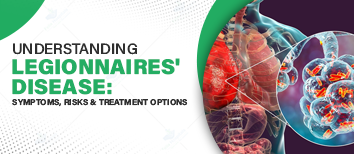
Legionnaires' disease is a serious lung infection caused by Legionella bacteria, often found in contaminated water systems. Symptoms include fever, cough, muscle aches, and shortness of breath.
Dr. Priyadarshi Jitender Kumar stands out as a leading expert in diagnosing and treating pulmonary embolism.


Subscribe to our
© Copyright 2026. All Rights Reserved by Felix Healthcare Private Limited
Design and development by :


 +(91)9667064100
 Emergency : +(91)9667064100