 Emergency:
  WhatsApp



Subscribe to our

Every month, millions of women across India experience the days before their period as something they simply have to "push through" the bloating, the mood swings, the fatigue, the irritability that arrives like clockwork and disappears just as reliably once the period starts. For most, this is PMS. Uncomfortable, predictable, manageable.
But for a significant number of women including many who visit the gynaecology department at Felix Hospital what they are experiencing is not PMS. It is something far more disruptive, more distressing, and far too often dismissed by both patients and clinicians as just "bad PMS."
It is called PMDD , Premenstrual Dysphoric Disorder. And the difference between PMS and PMDD is not a matter of degree. It is a matter of clinical significance, daily functioning, and in severe cases, safety. PMDD is not a character flaw; it is a neurobiological condition.
This guide explains both conditions clearly: what they are, how to tell them apart, what causes them, and what treatment actually looks like when done properly.
Premenstrual syndrome is characterised by the presence of both physical and behavioural symptoms that occur repetitively in the second half of the menstrual cycle and interfere with some aspects of a woman's life.
PMS is extraordinarily common. PMS occurs in approximately 13 to 18% of women of reproductive age, though broader estimates suggest up to 70 to 90% of menstruating individuals experience at least some premenstrual symptoms during their reproductive years.
The symptoms of PMS are real and can be disruptive but they are typically manageable and do not prevent a woman from going to work, maintaining her relationships, or carrying out her daily responsibilities. She may feel irritable, tired, or bloated. She may want to cancel plans. But she can usually function.
That distinction, the ability to still function, is central to understanding where PMS ends and PMDD begins.
The American Psychiatric Association defines premenstrual dysphoric disorder as a severe form of PMS in which symptoms of anger, irritability, and internal tension are prominent.
PMDD is a much more severe form of PMS. It is a severe and chronic health condition that needs attention and treatment. The exact cause of PMDD is not known. It may be an abnormal reaction to normal hormone changes that happen with each menstrual cycle. The hormone changes can cause a serotonin deficiency serotonin is a substance found naturally in the brain and intestines that can affect mood and cause physical symptoms.
With PMDD, you might have PMS symptoms along with extreme irritability, anxiety, or depression. These symptoms improve within a few days after your period starts, but they can be severe enough to interfere with your life.
PMDD is officially recognised in the DSM-5 the Diagnostic and Statistical Manual of Mental Disorders as a distinct psychiatric condition. It is not a personality trait. It is not "being oversensitive." It is a clinically defined disorder with specific diagnostic criteria, and it responds to specific treatment.
Approximately 2 to 6% of women of reproductive age have PMDD and it is often underdiagnosed. At Felix Hospital, our gynaecology team sees this under diagnosis regularly of women who have spent years being told their symptoms are "just hormones" when they were in fact experiencing a treatable condition.
The most important thing to understand is this: both PMS and PMDD are cyclical, hormonally linked, and real. But they are not in the same condition.
In contrast to PMS, PMDD causes symptoms that are severe enough to interfere with routine daily activities or overall functioning. PMDD is severely distressing, disabling, and often underdiagnosed.
Feature | PMS | PMDD |
Prevalence | 70–90% of menstruating women | 2–6% of menstruating women |
Mood symptoms | Mild to moderate irritability, mood changes | Severe depression, anxiety, rage, hopelessness |
Physical symptoms | Bloating, cramps, breast tenderness | Same but typically more intense |
Impact on daily life | Manageable can still function | Significant impairment at work, home, relationships |
Suicidal thoughts | Rare | Can occur in severe cases |
DSM-5 diagnosis | No formal criteria | Formally recognised diagnosis |
Treatment required | Lifestyle changes usually sufficient | Often requires medical treatment |
Duration of symptoms | Days before period | 1–2 weeks before period (luteal phase) |
While PMS and PMDD share many of the same symptoms, the key differentiator is the timing, duration, and intensity.
PMS symptoms typically begin 7 days before menstruation and resolve within 1–2 days of the period starting.
PMDD symptoms are more prolonged, often starting 10–14 days before a period (the luteal phase) and are severe enough to cause functional impairment.
Physical symptoms are often the first sign of premenstrual distress. While uncomfortable in PMS, they can become debilitating in cases of PMDD.
Bloating & Cramps: Abdominal discomfort and mild pelvic cramping.
Breast Changes: Tenderness or swelling.
Energy Levels: General fatigue and low energy.
Appetite: Cravings for carbohydrates or sweets.
Skin & Joints: Hormonal acne, skin changes, and joint or muscle discomfort.
Sleep: Difficulty falling asleep or sleeping slightly more than usual.
Physical symptoms of PMDD mirror those of PMS but are typically more intense and longer-lasting.
PMDD Exhaustion: Fatigue so severe it makes it difficult to concentrate or carry out daily tasks.
Intense Pain: Significant headaches, migraines, or severe joint pain.
Chronic Bloating: Marked abdominal discomfort that impacts clothing fit and physical mobility.
Severe Sleep Disturbances: Chronic insomnia or excessive oversleeping (hypersomnia) that disrupts work schedules.
The emotional shift is where the distinction between "manageable" and "disabling" becomes most clear.
Mood Fluctuations: Mild irritability, short temper, or tearfulness.
Social Impact: A desire to cancel plans or mild withdrawal from social activities.
Cognition: Slightly reduced concentration or "brain fog."
Anxiety: Mild feelings of tension or being "on edge."
Note: These symptoms do not typically prevent a woman from carrying out her daily responsibilities.
PMDD brings intense psychological distress that can disrupt work, relationships, and safety.
Severe Depression: Persistent low mood, feelings of worthlessness, or hopelessness.
Intense Anxiety: Panic attacks or a constant state of internal tension.
Rage & Irritability: Extreme anger that feels "out of proportion" to the situation.
Emotional Lability: Sudden, uncontrollable crying and marked mood swings, feeling fine one moment and devastated the next.
Loss of Control: Feeling overwhelmed or as if the brain has been "hijacked."
Clinical Warning Sign: In severe cases, thoughts of self-harm or suicide.
Important: Untreated PMDD can lead to clinical depression and, in severe cases, suicide. If you feel like a "different person" for two weeks every month, it is not a character flaw ,it is a medical condition that requires professional intervention.
Contrary to common belief, PMS and PMDD are not caused by abnormal hormone levels. Most women with PMDD have completely normal oestrogen and progesterone levels throughout their cycle. The problem is not the hormones themselves, it is how the brain responds to normal hormonal fluctuations.
Serotonin levels drop during the mid-to-late luteal phase, and the lower density of serotonin transporters results in abnormal serotonergic transmission. In women with PMDD, the brain appears to be unusually sensitive to these normal hormonal shifts and that sensitivity triggers a cascade of mood and physical symptoms.
Brain areas that regulate emotion and behaviour are studded with receptors for oestrogen, progesterone, and other sex hormones. These hormones affect the functioning of neurotransmitter systems that influence mood and thinking and in this way may trigger PMDD. Genetic vulnerability likely contributes. Other risk factors for developing PMDD include stress, being overweight or obese, and a past history of trauma or sexual abuse.
Anyone can develop PMDD, but the following people may be at increased risk: those with a personal or family history of depression, postpartum depression, or other mood disorders, and those with less access to education about the management and treatment of PMDD.
Additional risk factors include a personal history of trauma, abuse, or other highly stressful events, as well as a family history of PMS or PMDD.
In clinical terms PMDD is a condition where the brain's sensitivity to normal hormonal changes, combined with genetic predisposition and life history, produces symptoms that are disproportionately severe.
Diagnosis of these premenstrual disorders is by exclusion before making a diagnosis, other possible causes of symptoms must be ruled out, such as other mood disorders or medical conditions including thyroid disorders, anaemia, depression, anxiety, and substance use. In addition, the patient should have experienced symptoms during most of their menstrual cycles over the past year, ideally confirmed with at least two months of prospective monitoring with a symptom diary or calendar.
For PMS: PMS lacks formal DSM diagnostic criteria and is typically diagnosed based on symptom history alone. Your gynaecologist at Felix Hospital will review the pattern, timing, and severity of symptoms alongside a physical examination to confirm the diagnosis.
For PMDD: In general, to diagnose PMDD the following criteria must be met: over the course of a year, during most menstrual cycles, you must have 5 or more PMDD symptoms that have been present during the week before your period and stopping within a few days after your period starts.
The first stage of diagnosis involves monitoring symptoms over at least two menstrual cycles. This helps identify the cyclical pattern that defines PMDD symptoms that appear during the luteal phase and improve within a few days of menstruation starting. You can use a paper diary or a PMDD tracker app to log daily mood changes, sleep patterns, physical symptoms, and energy levels.
At Felix Hospital, our gynaecology team will conduct a thorough assessment that includes:
Detailed menstrual and symptom history
Review of a prospective symptom diary (at least two cycles)
Blood tests to rule out thyroid dysfunction, anaemia, and hormonal imbalances
Screening for underlying depression or anxiety disorder
Pelvic examination where clinically indicated
The diagnosis is the foundation of the right treatment. Jumping straight to hormonal contraception without a proper assessment which happens more often than it should often leads to inadequate relief and continued suffering.
No single treatment has proven efficacy for all women, and few women have complete relief with any single type of treatment. Treatment can thus require trial and error, as well as patience. Treatment is symptomatic and includes diet, complementary and alternative medicine, medications, cognitive behavioural therapy, and counselling.
At Felix Hospital, our approach to treatment is staged starting with the least invasive options and escalating based on symptom severity and response.
Lifestyle and Dietary Changes (First Line for PMS)
For most women with PMS, and as a foundation for PMDD treatment, the following lifestyle modifications make a measurable difference:
Regular aerobic exercise reduces overall severity of both physical and mood symptoms; 30 minutes most days is the clinical recommendation
Dietary adjustments reducing salt, refined sugar, caffeine, and alcohol in the luteal phase significantly reduces bloating, breast tenderness, and mood volatility
Sleep hygiene consistent sleep and wake times stabilize mood and reduce fatigue-driven emotional reactivity.
Stress management yoga, mindfulness, and structured relaxation have documented benefit for both PMS and PMDD symptoms.
Nutritional supplementation vitamins such as B-6 and magnesium may also reduce symptoms; calcium supplementation at 1,200mg daily has the strongest evidence base among supplements
Cognitive behavioral therapy and counselling are established treatment options for both PMS and PMDD. CBT is particularly effective when symptoms have a strong psychological component, severe anxiety, disproportionate anger, or catastrophic thinking in the premenstrual phase. Our clinical team at Felix Hospital can coordinate a referral when this is part of the recommended treatment plan.
Selective serotonin reuptake inhibitors are the gold standard for pharmacological treatment of PMS and PMDD.
The first-line treatments for PMDD are typically either antidepressant medications such as SSRIs, or oral contraceptives. Specifically, combined oral contraceptives containing drospirenone and ethinyl estradiol have the strongest evidence for PMDD. These work by suppressing ovulation and stabilising hormonal fluctuations removing the trigger that causes symptoms in the first place.
However, not all oral contraceptives work equally well for PMDD, and some progestin-containing pills can worsen mood symptoms in sensitive individuals. Your Felix Hospital gynaecologist will guide the selection carefully based on your specific profile.
For patients who do not respond to SSRIs or oral contraceptives after several cycles, more intensive options include:
GnRH agonists suppress the menstrual cycle entirely, eliminating the hormonal trigger. Used for severe, refractory PMDD but carry side effects requiring careful management
Oophorectomy surgical removal of the ovaries is reserved for the most severe cases, where no other treatment has provided relief and the condition is significantly affecting quality of life
These interventions are only considered after a thorough assessment by a specialist which is why the correct diagnosis and a structured treatment pathway matter so much from the outset.
Many women with PMDD spend years, sometimes more than a decade managing severe symptoms alone, assuming that what they experience is normal, or that nothing can be done. This is one of the most common and most damaging misconceptions our gynaecology team encounters.
Your premenstrual symptoms are significantly affecting your work, relationships, or daily functioning.
You feel like a "different person" in the days before your period in ways that feel frightening or out of control.
You are experiencing severe depression, hopelessness, or panic in the premenstrual phase.
You have thoughts of self-harm or suicide even fleetingly before your period.
Your symptoms have not improved with lifestyle changes after two to three cycles.
You have been managing with painkillers or self-medicating and the relief is inadequate.
A partner, family member, or colleague has noticed a significant change in your behaviour that correlates with your cycle
If symptoms seem severe and disabling, consider premenstrual dysphoric disorder which is often underdiagnosed. Ask patients to record symptoms for at least two cycles; for a diagnosis of PMDD, clinical criteria must be met.
The gynaecology team at Felix Hospital, Sector 137, Noida is experienced in the full assessment and management of premenstrual disorders from PMS to severe PMDD. We provide a compassionate, non-judgemental clinical environment where symptoms are taken seriously, investigated properly, and treated effectively.
PMS and PMDD share a timeline and some symptoms but they are fundamentally different in their impact on a woman's life. PMS is common and manageable. PMDD is a recognised clinical disorder that causes real, significant disruption and it responds to real, evidence-based treatment.
The first step is recognising that what you are experiencing is not something you simply have to accept. The second step is getting a proper diagnosis. The third and most important is knowing that treatment works, and that relief is possible.
Felix Hospital's gynaecology department is here for all three steps. Call us at +91 9667064100, or walk into Sector 137, Noida. Let us help you understand what your body is telling you and what we can do about it together.
Both conditions share premenstrual symptoms, but the key difference is severity and functional impact. PMS is common and manageable; most women can still work and function normally despite discomfort. PMDD causes severe mood symptoms, significant emotional distress, and impairment in daily life. PMDD is formally recognised in the DSM-5 as a distinct psychiatric disorder; PMS is not.
The most telling sign is whether your symptoms are preventing you from functioning at work, at home, or in your relationships. If you experience severe depression, rage, panic, or thoughts of self-harm in the days before your period, that is beyond typical PMS and warrants a proper clinical assessment. Tracking your symptoms for two cycles with a diary and bringing that record to your gynaecologist is the most effective first step.
Yes. In severe cases, PMDD can cause suicidal ideation during the luteal phase the two weeks before menstruation. This is a medical emergency. If you or someone you know is experiencing suicidal thoughts that correlate with the menstrual cycle, please seek immediate medical help.
PMDD is not caused by abnormal hormone levels. It appears to result from an unusual sensitivity of the brain particularly its serotonin system to the normal hormonal fluctuations of the menstrual cycle. Genetic predisposition, a history of trauma or depression, stress, and obesity are all known risk factors.
The gold standard pharmacological treatment is SSRIs selective serotonin reuptake inhibitors which benefit approximately 60% of women with PMDD. Hormonal contraceptives containing drospirenone are also first-line options. Lifestyle changes, cognitive behavioural therapy, and nutritional supplementation support medical treatment. The right combination depends on the individual patient and is determined through a structured clinical assessment.
Not necessarily. Because SSRIs work unusually quickly in PMDD faster than in depression they can be taken only during the luteal phase, from ovulation to the start of menstruation. This is called luteal-phase dosing. For women with more persistent depression or anxiety, continuous daily dosing may be more appropriate. Your gynaecologist will advise based on your symptom pattern.
For mild to moderate PMS, yes diet modifications, regular aerobic exercise, stress management, and supplements like calcium and Vitamin B6 can make a significant difference. For PMDD, lifestyle changes are an important foundation but are rarely sufficient on their own. Medical treatment SSRIs or hormonal therapy is usually required for meaningful symptom relief.
Not necessarily. PMDD is tied to the hormonal fluctuations of the menstrual cycle, so it typically resolves after menopause. During the reproductive years, it is a chronic cyclical condition but with proper treatment, symptoms can be very well controlled. Many women experience complete relief with the right treatment plan.
Yes this is a significant diagnostic challenge. The mood symptoms of PMDD, particularly the severe depression and mood swings, can closely resemble bipolar disorder or major depressive disorder. The distinguishing feature is timing: PMDD symptoms occur strictly in the luteal phase and resolve within days of menstruation. Tracking symptoms across cycles is essential to establish this pattern and avoid misdiagnosis.
Begin with our gynaecology department, which manages the full diagnostic workup and first-line treatment for both PMS and PMDD. Depending on the severity of your symptoms, our team may coordinate with psychiatry for CBT or medication management.
Dr. Charu Yadav is an obstetrician and gynecologist with 12+ years of experience, specializing in high-risk and twin pregnancies, ectopic pregnancy, and menstrual disorders. Trained in laparoscopic surgery, she provides care for pregnancy, infertility, menopause, and gynae procedures. She is also recognized among the Best Gynecologists in Noida for her patient-focused treatment.

पीसीओडी (PCOD) महिलाओं में होने वाली एक सामान्य हार्मोनल समस्या है जो पीरियड्स, वजन और फर्टिलिटी को प्रभावित कर सकती है।

Greater Noida mein PCOS/PCOD test ki cost lagbhag ₹1,500 se ₹5,000 tak hoti hai, jo test package aur lab par depend karti hai.
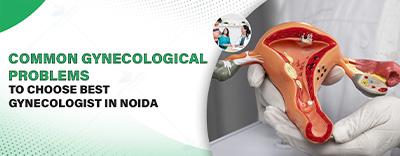
Know the common gynecological problems and the best tips to choose a trusted gynecologist in Noida


Subscribe to our
© Copyright 2026. All Rights Reserved by Felix Healthcare Private Limited
Design and development by :


 +(91)9667064100
 Emergency : +(91)9667064100