 Emergency:
  WhatsApp


Subscribe to our
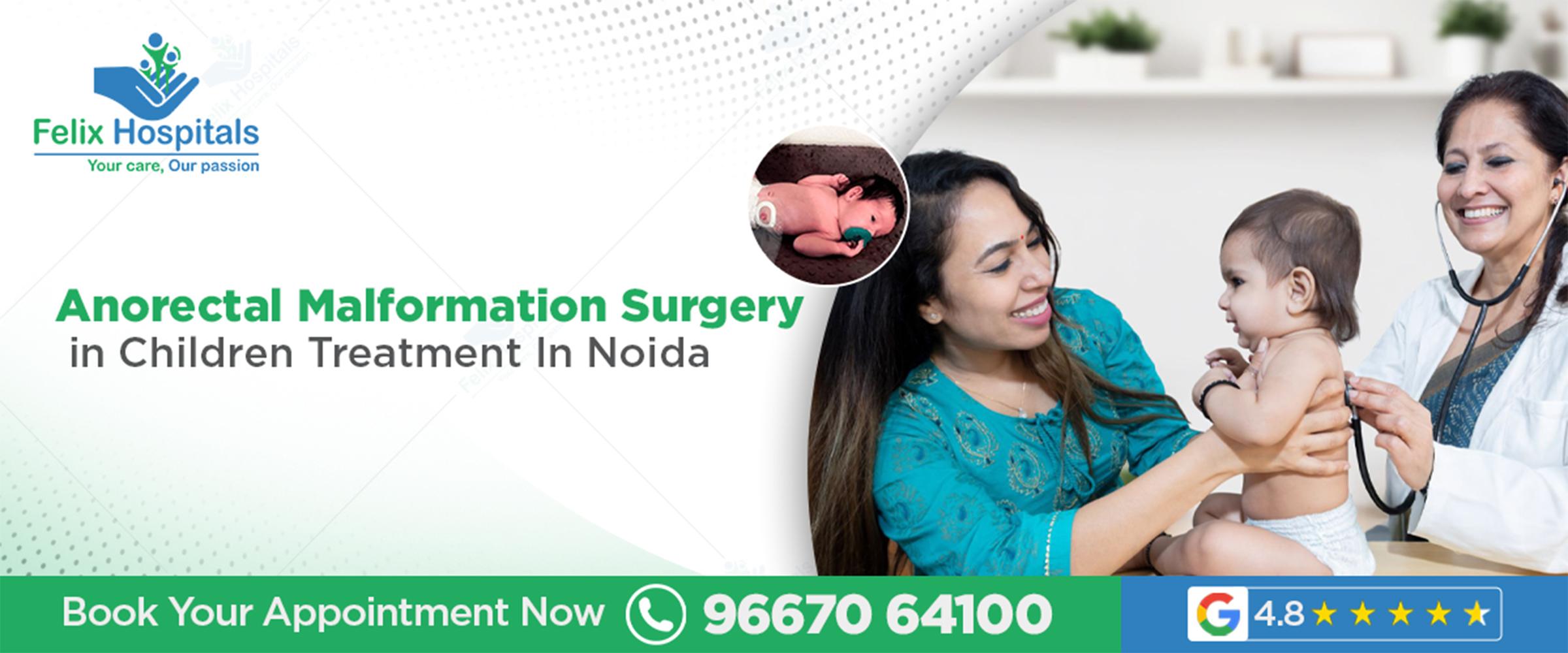
The arrival of a child is a great joy for all families, yet there are occasions when some congenital disorders demand precise medical care. Such a condition is anorectal malformation (ARM) — a malformation of a child's structure of the anus and rectum. It might cause a child some difficulty in excreting stool naturally and may demand corrective surgery shortly after birth.
Early diagnosis and early surgery for anorectal malformation in infants allow for normal digestive function and overall better quality of life for a child. Parents seeking specialist opinions about their child's condition may wish to approach a pediatric surgery hospital in Noida where state-of-the-art facilities and experienced pediatric surgeons are provided to manage delicate conditions like these.
Call us at +91 9667064100 to discuss your child's condition with experienced pediatric surgeons in Noida for sophisticated, safe, and caring treatment.
An anorectal malformation is a congenital defect of the rectum and anus, as it fails to develop normally. Sometimes, it is also missing altogether, or it is ectopically misplaced. It disrupts a normal passage of feces from the rectum to the body surface.
ARM can vary in severity. There are those children who may have a minor flaw that can be easily remedied and those who may have complicated abnormalities such as those to do with the urinary or the reproductive systems.
Knowledge of the type of ARM aids physicians to organize appropriate management of childhood anorectal malformation. The typical types are:
Imperforate Anus: The anus is missing or occluded.
Anal Stenosis: The opening of the anal is too tight.
Fistula Formation: A small abnormal tunnel may connect between the urinary tract/vagina and rectum.
Cloacal Malformation: It is a complex, congenital defect, more frequent among girls, in which the urinary, reproductive, and intestinal tracts converge into a common opening.
The parents may recognize symptoms soon after delivery of their child. Some of the symptoms are as below:
Lack of an anal opening.
Bloating of lower abdomen due to impacted feces.
Shedding feces via the genital outlet or vagina.
Inability to defecate or difficulty defecating.
Vomiting and feed intolerance.
In case of occurrence of any of these symptoms, it is necessary to receive immediate treatment at a pediatric surgery hospital in Noida for proper diagnosis and treatment.
The typical cause of ARM is seldom clear, but a number of factors are believed to contribute to its development during pregnancy's:
Genetic abnormalities: A few gene mutations potentially may increase the risk.
Environmental exposure: Radiation, infection, or medication during pregnancy may change fetal development.
Family history: ARM rarely runs in families.
Developmental abnormalities: Abnormalities during primary development of the embryo can occur during partial development of the rectum and anus.
Most of the times occur for no known reason, and parents should recognize that nothing they did caused the condition — it's just a developmental anomaly.
Diagnosis is normally performed soon after delivery by a pediatric surgeon through a clinical inspection. Sometimes, ARM is also identified even before delivery by a pre-natal ultrasound scan test.
To understand the seriousness and arrange repair of pediatric anorectal malformations, doctors might recommend:
Abdominal X-rays for verification of bowel gas patterns.
Ultrasound to evaluate urinary or reproductive tract involvement.
Either MRI or CT scanning for complex patients.
Contrast studies for localization of fistula communication.
These tests assist in determining the precise position and shape of the defect, thereby enabling surgeons to select the appropriate mode of treatment.
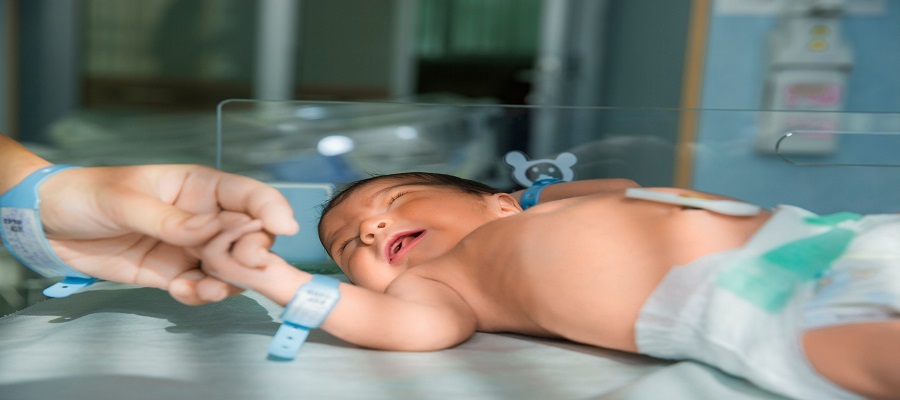
The management of anorectal malformation in a child is based on how severe and what kind of defect it is. Surgery is normally necessary to establish or relocate the anal opening and allow for normal defecation.
In infants who have a total blockage, a temporary colostomy might be constructed shortly after birth. A temporary colostomy involves cutting a hole in the belly through which stool drains into a bag. It helps prevent infection or rupture of the bowel until corrective surgery is possible.
Initially stable and healthy, a definitive anorectal surgery is accomplished — known also as a posterior sagittal anorectoplasty (PSARP), or pull-through operation.
The new anal opening is built by the surgeon at its correct site.
The newly formed anus is linked to the rectum.
Any fistulas are closed.
This delicate operation is performed under general anesthesia by a subspecialized pediatric surgery expert trained to handle complex congenital disorders.
Proper follow-up should follow surgery to prevent complication and allow for proper healing.
He is maintained on fluids at first, and feeds are gradually introduced.
Analgesics and antibiotics are available.
Parents are advised on anal dilatation treatment for maintaining a new opening's patency and prevention of narrowing.
Long-term follow-up guarantees appropriate bowel management during childhood growth.
With appropriate anorectal surgery at an early age and appropriate management, many children live normal, active lives. Others, however, need ongoing care to achieve a normal bowel habit.
Regular toilet training under medical guidance.
High fiber diet for constipation prevention.
Proper hydration for smooth passage of stools.
Regular follow-up appointments with the surgeon.
In a few, mild problems like occasional constipation or soiling persist, but are easily managed by advice from a doctor and lifestyle adjustment.
If surgery for children's anorectal malformations is delayed or forwent, serious outcomes are seen:
Long-standing constipation or intestinal obstruction.
Urinary tract infections.
Abdominal dist.
Fecal incontinence (loss of bowel control).
Psychological distress during childhood development.
Early screening and prompt corrective surgery in Noida may also avert long-term difficulties and guarantee your child's healthy confident future.
Recovery is dependent upon how complex the operation is. The majority of children settle down a few weeks after surgery, though it may be slow to achieve total bowel control. Long-term recovery is good if proper follow-up and care are exercised.
Due to current techniques and qualified pediatric surgeons available in Noida, success rates have increased immensely, and children are now capable of leading normal lives and doing everyday activities normally.
Early recognition and specialist treatment are what can make all of the difference to your child's recovery. Book an appointment by clicking here.
Pediatric anorectal malformations are daunting experiences for parents, yet if treated early and by a qualified surgeon, children end up living their lives absolutely normally. Prompt repair of pediatric anorectal malformations not only normalizes bowel function but also avoids future long-term morbidities involving digestion, growth, and even psychological health.
Parents should be optimistic and adhere to their doctor's advice for postoperative care and follow-up checkups. A choice of a reputable hospital for Pediatric surgery in Noida guarantees your child high-level, humane, and subspecialized care directed individually for their health.
Each child is entitled to a good start — and fortified by proper care, your young one can lead a bright, spirited, and confident life ahead.
Q1. What is the best timing of anorectal malformation surgery for children?
Ans: The operation is timed depending on how serious the defect is, and how healthy physically your child is. Surgery is very often done during the first few months of life for the best result.
Q2. Will a follow-up surgery be required by my child?
Ans: Other complicated cases involve two surgery procedures — one for a colostomy and lastly for repair work. Your surgeon determines the stages depending on your child's condition.
Q3. Will my child lead a normal life after surgery?
Ans: Yes, most of the children live a normal life following surgery with normal bowel control and daily care. Regular follow-up and dietary management are necessary for recovery.
Q4. What should be cared for at home after surgery?
Ans: They should keep clean, comply with wound care, feed normally, and maintain follow-up visits for anal dilatation and follow-up appointments.
Q5. Will anorectal malformation come again?
Ans: Recurrence is rare if follow-up and surgery are appropriate. Follow-up of bowel habit and regular clinical review, however, are required for long-term health.
Pediatric rheumatology focuses on diagnosing and treating autoimmune and inflammatory disorders affecting children’s joints, muscles, and connective tissues.

Learn key screening tests for early detection of colorectal cancer and polyps.


Subscribe to our
© Copyright 2026. All Rights Reserved by Felix Healthcare Private Limited
Design and development by :


 +(91)9667064100
 Emergency : +(91)9667064100