 Emergency:
  WhatsApp


Subscribe to our

Pancreatic cancer is one of the most challenging cancers to diagnose and treat due to its silent progression and late presentation. The pancreas is a vital organ responsible for producing digestive enzymes and hormones such as insulin. When cancer develops in this organ, it often goes unnoticed in the early stages, making timely diagnosis difficult. In India, the incidence of pancreatic cancer has been steadily rising, and delayed detection remains a major concern.
Early identification and access to advanced medical care significantly improve outcomes. With growing awareness and improved diagnostic facilities, patients seeking pancreatic cancer hospitals in Noida now have better options for timely treatment and long-term management.
For expert evaluation and advanced pancreatic cancer diagnosis in Noida, call +91 9667064100.
Pancreatic cancer occurs when abnormal cells grow uncontrollably in the tissues of the pancreas. Most cases arise from the ducts of the pancreas and are known as pancreatic ductal adenocarcinoma. Due to the deep location of the pancreas in the abdomen, tumors often grow without causing noticeable symptoms until they reach an advanced stage.
The disease tends to progress aggressively, which is why early diagnosis and specialized care from an experienced best oncologist in Noida play a crucial role in improving survival and quality of life.
Recognizing the symptoms and causes of pancreatic cancer early can make a significant difference in outcomes. Unfortunately, symptoms are often vague and easily overlooked.
Common symptoms include:
Persistent upper abdominal or back pain
Unexplained weight loss
Loss of appetite
Jaundice (yellowing of skin and eyes)
Dark urine and pale stools
New-onset diabetes or sudden worsening of diabetes
Several risk factors contribute to the development of pancreatic cancer, including smoking, chronic pancreatitis, obesity, long-standing diabetes, genetic predisposition, and increasing age. Long-term inflammation of the pancreas increases the likelihood of malignant transformation.
Pancreatic cancer is often diagnosed late because early tumors rarely interfere with digestion or hormone production. Additionally, symptoms such as indigestion or fatigue are frequently mistaken for minor gastrointestinal issues. By the time noticeable symptoms develop, the cancer may have already spread to nearby organs or lymph nodes.
This makes awareness, routine health evaluation for high-risk individuals, and access to advanced pancreatic cancer diagnosis facilities extremely important.
Accurate and timely diagnosis is the cornerstone of effective treatment. Advanced diagnostic tools allow doctors to confirm cancer type, stage, and spread.
Diagnostic methods include:
Blood tests including tumor markers like CA 19-9
High-resolution CT scans and MRI
Endoscopic ultrasound (EUS) with biopsy
PET scans for metastatic evaluation
These investigations help determine whether the cancer is localized, locally advanced, or metastatic, guiding the treatment approach.
Staging defines how far the cancer has spread and directly influences treatment planning:
Early-stage: Cancer confined to the pancreas
Locally advanced: Spread to nearby blood vessels or tissues
Metastatic: Spread to distant organs such as liver or lungs
Early-stage disease offers the best chance for surgical intervention, while advanced stages require a combination of therapies to control disease progression.
When detected early, surgical treatment for pancreatic cancer offers the best chance for long-term survival. Surgery aims to remove the tumor completely along with surrounding tissues if required.
Common surgical procedures include:
Whipple procedure (pancreaticoduodenectomy)
Distal pancreatectomy
Total pancreatectomy in select cases
Surgery is complex and requires a highly experienced surgical oncology team, advanced ICU care, and comprehensive postoperative monitoring.
Not all pancreatic growths are cancerous. Some patients are diagnosed with cysts or benign tumors that may still require intervention. Pancreatic cyst and tumor removal is recommended when there is a risk of malignant transformation or when symptoms interfere with normal digestion.
Minimally invasive and laparoscopic approaches are increasingly used, reducing recovery time and complications while maintaining surgical precision.
For patients who are not candidates for surgery, or when cancer is diagnosed at an advanced stage, treatment focuses on disease control and symptom relief. These options may include:
Chemotherapy to slow tumor growth
Radiation therapy for local disease control
Targeted therapy in selected cases
Supportive and palliative care to improve quality of life
A multidisciplinary approach ensures that treatment is tailored to the patient’s overall health and cancer stage.
Effective pancreatic cancer management requires collaboration between gastroenterologists, oncologists, surgeons, radiologists, and nutrition specialists. A comprehensive care model improves treatment accuracy, reduces complications, and supports patients physically and emotionally throughout their journey.
Choosing a specialized center for pancreatic tumor treatment Noida ensures access to coordinated care, advanced technology, and experienced specialists.
Recovery after pancreatic cancer treatment requires careful monitoring. Nutritional support is critical, as pancreatic dysfunction can affect digestion. Enzyme supplements, dietary planning, and regular follow-ups help maintain strength and prevent complications.
Long-term surveillance is essential to detect recurrence early and manage treatment-related side effects.
To consult a best oncologist in Noida for personalized pancreatic cancer treatment planning, call +91 9667064100.
Pancreatic cancer remains a serious and complex disease, but early detection and timely intervention can significantly improve outcomes. Awareness of symptoms, access to advanced diagnostic tools, and expert-led treatment are key to managing this condition effectively. Patients seeking comprehensive care at a trusted Gastroenterology hospital in Noida benefit from integrated treatment strategies and long-term support.
Prompt medical attention should never be delayed when symptoms persist. Early action saves lives.
Q1. Is pancreatic cancer curable if detected early?
A: Early-stage pancreatic cancer can be treated effectively with surgery followed by additional therapies when needed.
Q2. Are pancreatic cysts always cancerous?
A: No, many cysts are benign, but some require removal to prevent cancer development.
Q3. How long does recovery take after pancreatic surgery?
A: Recovery may take several weeks and depends on the extent of surgery and overall health.
Q4. Can pancreatic cancer be managed without surgery?
A: Yes, in advanced cases, chemotherapy and supportive care help control disease progression.
Q5. Who should get screened for pancreatic cancer?
A: Individuals with strong family history, chronic pancreatitis, or genetic risk factors should consult specialists for screening.
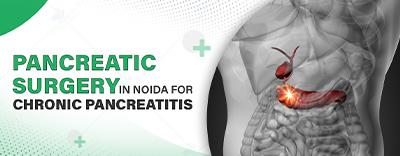
Expert pancreatic surgery for chronic pancreatitis is now available in Noida. Get advanced treatment options from experienced GI surgeons using minimally invasive techniques to reduce pain and improve quality of life.


Subscribe to our
© Copyright 2026. All Rights Reserved by Felix Healthcare Private Limited
Design and development by :


 +(91)9667064100
 Emergency : +(91)9667064100