 Emergency:
  WhatsApp

Subscribe to our
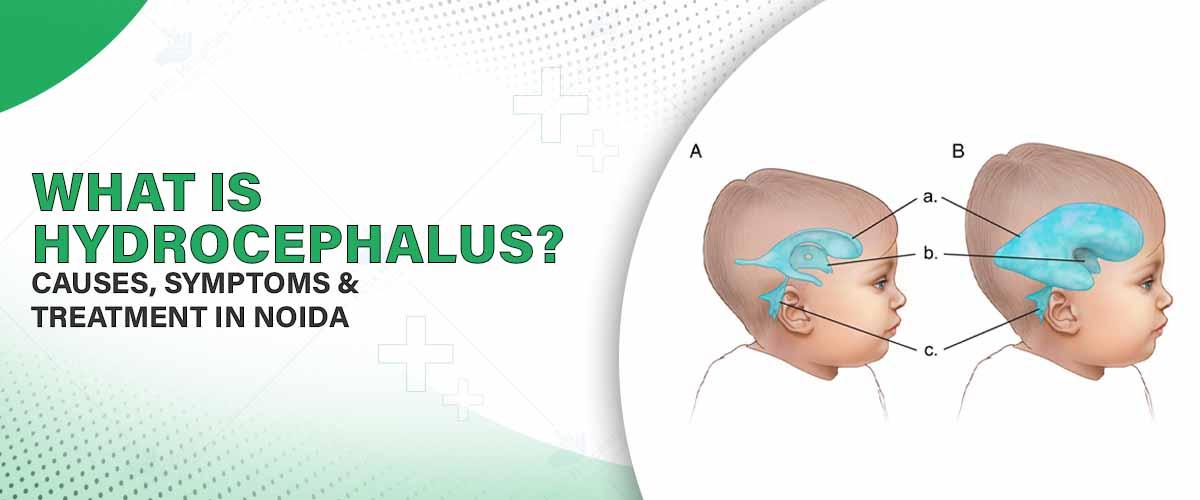
Hydrocephalus, which many people often refer to as "water on the brain," is a severe neurological condition which results from an excess accumulation of CSF (cerebrospinal fluid) within the brain. For families in search of the best care, Hydrocephalus treatment in Noida calls for skilled neurologists, state-of-the-art diagnostics and reliable surgical intervention. It is important to choose a hospital that offers hydrocephalus treatment in Noida to enable early detection of Hydrocephalus causes and symptoms and precise diagnosis with comprehensive treatment designed for the specific need of each patient.
Concerned about hydrocephalus symptoms? Call +91 9667064100 today and consult with trusted specialists in Noida.
Hydrocephalus is a neurological disorder characterized by excessive buildup of cerebrospinal fluid in the ventricles or cavities deep inside the brain. The extra fluid causes these ventricles to expand, which puts extreme pressure on the tissues of the brain.
It is also known as water on the brain and develops gradually as a result of damage or injury, or it may already present at birth or shortly after. The clear, colourless fluid called cerebrospinal fluid (CSF) surrounds and supports the brain and spine. The body normally generates and absorbs the same quantity of CSF daily. Excessive amount of CSF accumulation can impair brain function, result in brain damage, or could be fatal.
Hydrocephalus disease in adults and children is characterized by the build-up of cerebrospinal fluid (CSF) in the brain’s ventricles. It can be classified into many types based on its cause and characteristics. These include:
It is also referred to as non-obstructive hydrocephalus; this type arises when there is reduced cerebrospinal fluid flow but not a completely blocked flow within the brain’s ventricles.
The condition known as obstructive hydrocephalus and non-communicating hydrocephalus is caused by blockages in the flow of cerebrospinal fluid (CSF) within the ventricles of the brain.
An abnormal accumulation of cerebrospinal fluid (CSF) in the brain's ventricles (cavities) is known as normal pressure hydrocephalus (NPH). It happens when there's a blockage in the normal flow of CSF throughout the brain and spinal cord.
Hydrocephalus ex-vacuo occurs when brain damage caused by a stroke or injury leads to the shrinking of brain tissues surrounding the ventricles. As these tissues shrink, the ventricles become larger, creating a "hydrocephalus look-alike" condition. It is important to note that this is not a true form of hydrocephalus.
A rare disorder known as hypersecretory hydrocephalus occurs due to the brain producing too much cerebrospinal fluid (CSF). The most common cause is a tumour called plexus papilloma, which is more common in children. Sometimes, in rare cases, it leads to cancer.
The water on the brain symptoms or hydrocephalus symptoms can vary widely from person to person and are primarily influenced by age. Below are some of the clinical features of hydrocephalus:
A rapid increase in head size
Vomiting
Seizures
Sleepiness
A bulge on the soft spot (fontanel) on the top of the head
Feeding difficulties
Irritability
Unique eye movements (eyes that cannot turn outward or fixated downward ("sunsetting").
Vision issues
Nausea
Balance problems
Developmental regression
Cognitive changes or personality changes, including memory loss.
Hydrocephalus results from impaired cerebrospinal fluid (CSF) flow or absorption. It can develop for a number of reasons include:
Congenital hydrocephalus causes:
Spina bifida and neural tube defects
Aqueduct stenosis
Premature birth complications
Infections during pregnancy
Genetic factors
Traumatic brain injury (TBI)
Intracranial haemorrhage
Infections
Intracranial haemorrhage
Based on age, symptoms, and known or suspected abnormalities in the brain or spinal cord, hydrocephalus is diagnosed by a clinical neurological examination, brain imaging, and other procedures. Below are the steps involved in diagnosing hydrocephalus:
The neurological exam may include tests to assess:
Strength and reflexes of muscles
Balance and coordination
Vision, moving the eyes, and hearing
Mood and mental health
Ultrasound: Ultrasound is a useful tool for routine prenatal checkups because it can identify hydrocephalus in fetuses or unborn babies.
Magnetic resonance imaging (MRI): By using magnetic resonance imaging (MRI), one can evaluate the CSF flow, identify whether the ventricles are enlarged, and learn more about the brain tissue that surrounds the ventricles. The first test performed to diagnose adults is usually an MRI.
Computed tomography (CT): Shows ventricle enlargement and potential obstructions.
Spinal tap (lumbar puncture): A spinal tap, also known as a lumbar puncture, involves putting a needle into the lower back, extracting and analysing a portion of the fluid to allow clinicians to assess CSF pressure and analyse the fluid.
Intracranial pressure monitoring: A tiny pressure monitor is put into the ventricles or brain to measure the pressure and determine whether or not there has been any brain swelling.
The cause of hydrocephaly determines the treatment. The standard treatment for hydrocephaly is cerebrospinal fluid shunting, although additional medical therapies might be used either in addition to or instead of shunting. The following are the treatment methods:
Congenital hydrocephalus, which affects babies, and acquired hydrocephalus, which affects children or adults, usually require immediate medical attention to relieve pressure on the brain. The rise in pressure will harm the brain if hydrocephalus is not corrected. Shunt surgery or neuro endoscopy is used to treat both acquired and congenital hydrocephalus.
Shunt surgery: A tiny tube known as a shunt is inserted into the brain during shunt surgery. Through the shunt, extra cerebrospinal fluid (CSF) from the brain is sent to another area of the body, typically the stomach. It then gets absorbed into the blood. A valve within the shunt regulates the flow of CSF, preventing it from draining too rapidly. The valve feels like a bump under the scalp's skin.
Endoscopic Third Ventriculostomy (ETV): An endoscopic third ventriculostomy (ETV) is an alternative for shunt surgery. Instead of placing a shunt, the brain surgeon creates a hole in the brain's floor to release the trapped cerebrospinal fluid (CSF) and allow it to reach the surface of the brain, where it can be absorbed.
In cases of hydrocephalus, medical treatment is used to postpone the need for surgery. However, these treatments may not be effective for the long-term treatment of chronic hydrocephaly, but they can help to balance CSF dynamics with some of the hydrocephalus medications commonly used, such as:
Carbonic anhydrase inhibitors
Osmotic diuretics
Glucocorticoids
Untreated hydrocephalus leads to severe complications which affect individuals physical and cognitive development. Some of the complications are listed below:
Strabismus (where the eyes aren’t straight)
Gaze palsies (disorders of the brain systems that control eye movement)
Nystagmus (involuntary, rapid and repetitive movement of the eyes)
Learning disabilities
Speech problems
Memory problems
Short attention span
Problems with organizational skills
Difficulties with physical coordination
Epilepsy (long-term brain condition with repeated seizures)
There's no definitive way to prevent hydrocephalus from getting worse, but there are treatments that can help. If there is concern about the possibility of hydrocephalus and the plan to have further children, the paediatrician treating the baby might advise genetic counselling.
At Felix Hospital, we know how severe a condition like hydrocephalus and how essential is to deliver quick relief. Known for the best hospital for hydrocephalus in Noida, we provide state-of-the-art diagnostic services such as MRI, CT Scan and neurological tests to diagnose accurately. Our team of high volume neurosurgeons and neurologists specialize in both operative and nonoperative treatments. You will receive 24-hour monitoring, personalised care plans, support management and rehabilitation.
Looking for advanced and safe hydrocephalus treatment? Speak to our team at +91 9667064100.
Hydrocephalus is a complicated disease that requires prompt diagnosis and specialized treatment to prevent long-term complications. From speech and cognitive problems to physical limitations, untreated hydrocephalus can affect every aspect of life. However, with modern treatments, surgeries, and ongoing aftercare at the Best Super Speciality Hospitals Near Noida, patients can regain a healthier, more active life. If you or a loved one are experiencing symptoms of hydrocephalus, consult a healthcare provider as soon as possible to ensure timely intervention and expert care.

A concise guide explaining brain tumor surgery cost in Noida, including key factors, treatment options, and expert care.

Recognizing the symptoms of a brain stroke is critical for getting prompt medical attention. The acronym F.A.S.T. is often used to remember the most common Brain stroke symptoms.
Advanced neurosurgery improves treatment for brain and spine disorders with better outcomes.

The Blalock-Taussig-Thomas Shunt is a surgical procedure used to improve blood flow in children with certain congenital heart defects. Learn about the procedure, its advantages, and the associated costs.


Subscribe to our
© Copyright 2026. All Rights Reserved by Felix Healthcare Private Limited
Design and development by :


 +(91)9667064100
 Emergency : +(91)9667064100