 Emergency:
  WhatsApp


Subscribe to our
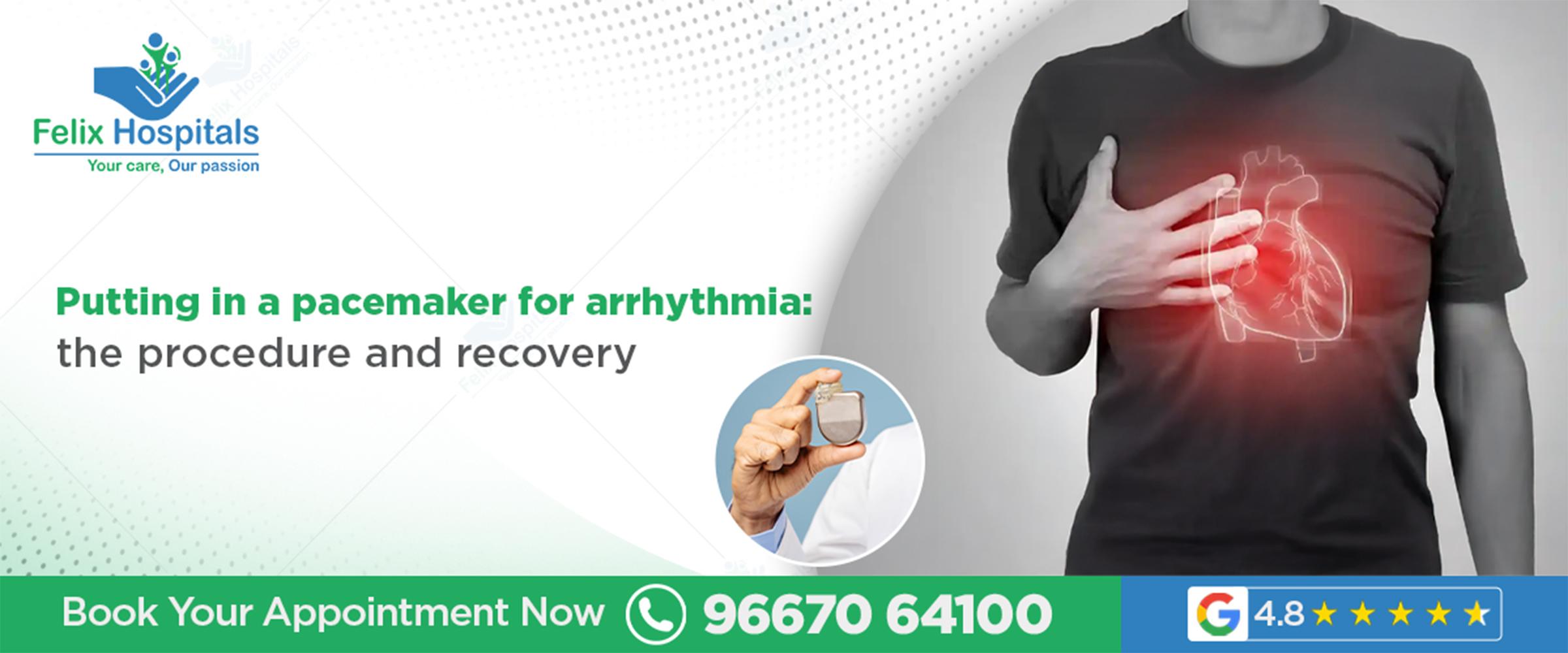
Stress, unhealthy habits, getting older, and heart disease are all making heart problems more common. The heart may not pump enough blood to the body if it beats too fast, too slowly, or in an irregular way. A pacemaker can save a person's life by restoring normal rhythm and preventing problems like stroke or heart failure in many cases. If your doctor has recommended this procedure, knowing how it works can help you feel less scared and get ready with confidence. Many people looking for advanced cardiac care look for the to make sure they get safe and effective care.
If you or someone you care about has an irregular heartbeat, don't wait to see a doctor. call +91 9667064100.
Electrical impulses control the heartbeat and make the heart work. Arrhythmia is the condition when these signals don't work right. Severe arrhythmia can cause dizziness, fainting, tiredness, or even problems that could prove fatal. Getting diagnosed and treated early by cardiac specialists can help keep your heart healthy and improve your quality of life.
A pacemaker is a small battery-powered device that is put under the skin near the chest to keep the heart from beating too fast or too slowly. In short, it sends electrical signals to keep the heart beating at the right speed and rhythm. Modern pacemakers are small, very advanced, and made to work with a person's level of activity. The American Heart Association says that more than 3 million people around the world have pacemakers, and every year, about 600,000 new ones are put in (Source: American Heart Association).
Doctors choose the device based on how sick the patient's heart is. The most common kinds are:
Single-chamber pacemaker: Sends electrical signals to one chamber of the heart.
A dual-chamber pacemaker controls two chambers to make them work better together.
Biventricular pacemaker—Used for people with heart failure
This classification is important for Understanding Arrhythmia and Its Risks because each type of arrhythmia needs a different way to pace it.
Arrhythmia is when your heart beats too fast, too slowly, or in an irregular rhythm. Arrhythmias can lead to stroke, cardiac arrest, or heart failure if they are not treated. When we think about the fact that untreated arrhythmia raises the risk of stroke by 5 times (Source: World Health Organization), it becomes clear how important it is to understand arrhythmia and its risks.
Some common signs of arrhythmia are:
Feeling like your heart is racing or fluttering
Breathlessness
Tiredness or weakness
Feeling faint or dizzy
Pain in the chest
Identifying symptoms early enhances treatment efficacy.
There are many health and lifestyle factors that can cause arrhythmia:
Heart disease in the coronary arteries
High blood pressure
Problems with diabetes and the thyroid
Using alcohol and smoking
Stress and sleep apnea
Understanding the causes helps doctors figure out Indications for Pacemaker Implantation and what the best treatment plan is.
Some arrhythmias don't need pacemakers. When the heart rhythm becomes dangerously slow or irregular, doctors recommend implantation. Indications for Pacemaker Implantation is one of the most important factors in making a treatment decision.
You might need pacemaker surgery if:
Bradycardia (a slow heart rate)
Blockage of the heart
Fainting because of problems with rhythm
Heart failure with a delay in conduction
Studies indicate that pacemakers enhance survival rates in severe bradycardia by 30–40% (Source: European Society of Cardiology).
Patients have to take a lot of tests before surgery to make sure the diagnosis is correct:
Monitoring with an ECG and Holter
Echocardiography
Tests on blood
X-ray of the chest
These tests help the heart doctors make plans for How Pacemaker Implantation is Performed safely and effectively.
Most of the time, the surgery is a minimally invasive procedure that is done with local anesthesia and mild sedation. How Pacemaker Implantation is Performed helps patients know what to expect.
Step-by-Step Instructions
A small cut is made below the collarbone.
Leads (thin wires) are put into the heart's chambers.
The pacemaker device is connected to leads.
The device is put under the skin.
Before closing the incision, the device's function is checked.
The whole process usually takes one to two hours, and most patients go home within 24 hours.
After surgery, doctors keep an eye on the heart's rhythm and how well the device works. Patients should rest and not move their arms too much for a few weeks. Recovery guidance naturally goes hand in hand with Recovery and Post-Procedure Care to make sure that healing goes smoothly.
According to the NHS UK, more than 90% of patients go back to their normal lives within 4 to 6 weeks of getting a pacemaker. Wound care, limits on activities, and follow-up visits are all part of recovery.
Keep the cut clean and dry.
Don't lift heavy things for four weeks.
Don't move your arms quickly.
Follow the doctor's orders when taking medications.
Following the instructions makes things less complicated and speeds up healing.
Pacemaker implantation is generally safe, but like any procedure, it carries some risks. The section on safety uses the phrase Risks and Complications of Pacemaker Surgery to teach patients about possible problems.
Some risks are:
Infection at the site of the implant
Swelling or bleeding
Moving lead
A very rare allergic reaction
According to the American College of Cardiology, serious problems happen in less than 3% of cases.
After the implant, most patients go back to living their normal lives. Today's technology makes sure that devices are strong and dependable. The talk about changing your lifestyle introduces Lifestyle Changes After Pacemaker Implantation to help patients feel more at ease with the changes. Things to do and not do in your life
Do:
Stay active physically
Eat a heart-healthy diet
Go to follow-up appointments
Stay away from:
Powerful magnetic fields
Pressure directly on the implant site
Too much alcohol and smoking
According to the World Health Organization, healthy habits can cut heart problems by up to 50%.
Working out regularly makes your heart healthier and gives you more energy. Some things you should do are:
Going for walks and rides
Yoga for beginners
Swimming after you are completely healed
Exercise guidance helps with Follow-Up and Long-Term Management by promoting long-term heart health.
Mental and emotional health
After implantation, a lot of patients feel anxious. Emotional support, counselling, and patient education can make recovery go better and improve quality of life.
According to the American Heart Association, cardiac rehabilitation can cut anxiety and depression by 40%.
A diet that is good for your heart helps you heal and keeps problems from happening in the future:
Fruits and vegetables that are fresh
Lean protein and whole grains
Foods that are low in salt and sugar
Nuts and olive oil are examples of healthy fats
A healthy diet is very important for long-term heart health.
Most electronic devices are safe to use. Some examples are:
Cell phones
Microwaves
TVs
But patients should keep their phones at least six inches away from the pacemaker.
If you experience any of the following symptoms, see a doctor:
Fever or swelling around the cut
Feeling dizzy or passing out
Heartbeats that aren't regular
Pain or redness that is very bad
Early intervention stops problems from getting worse.
Choosing experienced specialists and modern facilities is very important for safe treatment. Many patients depend on the Best Cardiology Hospital In Noida for advanced heart surgeries and full care.
When you see the Best Cardiologist In Noida, you will have a much better chance of success and a faster recovery because of their experienced staff and cutting-edge technology.
Pacemakers make a big difference in how long people live and how good their lives are. Some of the benefits are:
Better heart rhythm
Less likely to faint or have a stroke
More ability to be physically active
A better quality of life overall
According to the European Heart Journal, research shows that pacemakers can increase the life expectancy of people with severe arrhythmia by up to 35%.
Early diagnosis and timely pacemaker implantation can save lives and make hearts healthier. Make an appointment today call +91 9667064100
Putting in a pacemaker is a safe and effective way to treat arrhythmia and stop complications that could be deadly. Patients are better prepared when they know How Pacemaker Implantation is Performed. Following Recovery and Post-Procedure Care helps healing and lowers complications. Understanding Risks and Complications of Pacemaker Surgery keeps patients informed. Lifestyle Changes After Pacemaker Implantation ensure long-term heart health, while Follow-Up and Long-Term Management keeps the device working properly.
Choosing the Best Cardiology Hospital In Noida and consulting the Best Cardiologist In Noida ensures expert care, advanced technology, and better outcomes.
The procedure is done with local anaesthesia and doesn't require much cutting.
Yes, airports let you use pacemaker cards for safe screening.
Yes, but don't put it on the side with the implant.
Usually, it takes 7 to 12 years before the battery needs to be replaced.
Yes, but only after you are fully healed and your doctor says it's okay.
Dr. Rahul Arora is an experienced Interventional Cardiologist with 21+ years of expertise in advanced cardiac care, specializing in personalized, evidence-based treatment for heart diseases and improved patient outcomes.

Angiography is an important diagnostic test used to detect blockages or narrowing in blood vessels, especially in heart patients.
Experiencing frequent chest pain, shortness of breath, or irregular heartbeats? These may be warning signs that you need an angiography.


Subscribe to our
© Copyright 2026. All Rights Reserved by Felix Healthcare Private Limited
Design and development by :


 +(91)9667064100
 Emergency : +(91)9667064100