 Emergency:
  WhatsApp



Subscribe to our
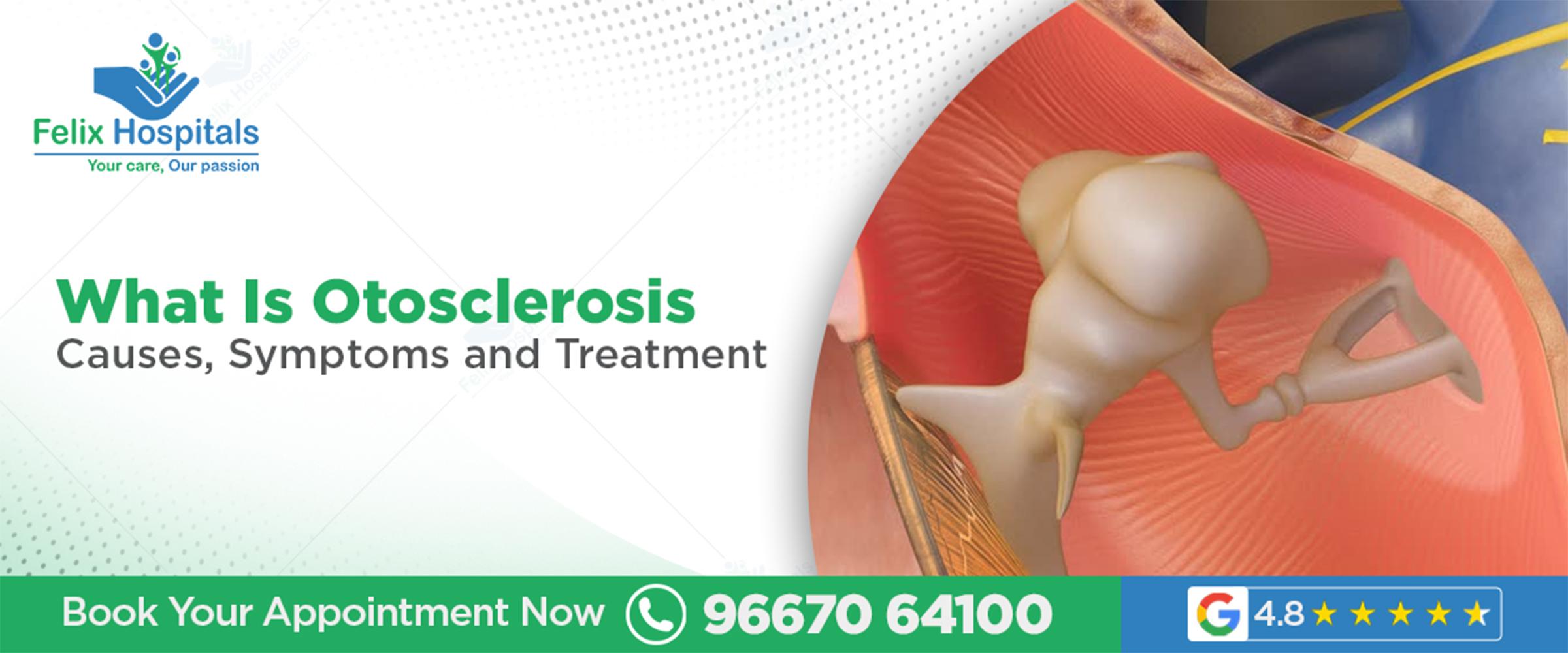
Hearing loss can make it hard to talk to people, lower your confidence, and lower your quality of life in general. Many people who go to the Best ENT Hospital In Noida find out they have conditions they have never heard of before. One of these conditions is What Is Otosclerosis? This condition affects the small bones in the middle ear and slowly makes it harder for sound to travel. The World Health Organization says that more than 430 million people around the world have hearing loss that makes it hard for them to hear. Early diagnosis of ear problems is very important for stopping long-term hearing loss. Patients who understand this condition can spot early signs and get treatment quickly.
Don't wait to get a diagnosis if you notice that your hearing is slowly getting worse or that your ears are ringing. To make an appointment for your consultation today, call +91 9667064100.
The ear is a complicated organ made up of three parts: the outer ear, the middle ear, and the inner ear. There are three small bones in the middle ear called ossicles that send sound waves to the inner ear. When these bones can move freely, sound signals get to the brain quickly. But when bones grow abnormally, it stops this process and causes hearing loss over time. According to the National Institute on Deafness and Other Communication Disorders, conductive hearing loss is responsible for almost 15% of all cases of hearing loss, and otosclerosis is one of the most common causes.
Important things for patients to know:
Hearing depends on the ear bones being able to move freely
Any stiffness in the ossicles affects how sound travels
Early detection stops the problem from getting worse
Getting treatment on time improves hearing outcomes
To know how this condition develops, you need to know What Is Otosclerosis? Otosclerosis is a condition in which bone growth around the stapes bone in the middle ear is not normal. This bone gets stuck and can't vibrate properly, which makes it hard for sound to reach the inner ear.
Important information:
It makes hearing loss worse over time
Over time, it usually affects both ears
Most common in people in their 20s
May run in families
Studies indicate that otosclerosis impacts 0.3–0.4% of the worldwide population.
Patients can better understand why they have otosclerosis if they know Causes of Otosclerosis. It's not always clear what the exact cause is, but there are a few things that make it more likely.
Some of the most common causes are:
Passing on genes
Viral infections like measles
Changes in hormones during pregnancy
Remodelling of bones that isn't normal
A family history of hearing loss
Research indicates that more than 50% of patients possess a familial history of the condition.
Recognizing Early Signs and Symptoms can help find the disease before it causes severe hearing loss.
Signs that come early:
Hearing loss that happens slowly
Trouble hearing sounds with low frequencies
Tinnitus, or ringing in the ears
Hard to hear in places with a lot of noise
Getting worse hearing loss in both ears
Feeling dizzy or having trouble with balance
Hearing your own voice very loudly
Between the ages of 20 and 40, about 70–80% of patients first notice that they have trouble hearing.
Patients learn how important it is to get treatment early when they understand How Otosclerosis Affects Hearing. As the stapes bone gets fixed, sound waves can't get to the inner ear as well.
Hearing effects include:
Hearing loss due to conduction
Less clear sound
Hard to understand speech
Need for more volume has grown
If otosclerosis is not treated, it can cause hearing loss in 50% of cases that is moderate to severe.
Knowing about Risk Factors and Complications helps find people who are more likely to get sick.
Things that put you at risk:
History of the family
Changes in hormones and pregnancy
Infections caused by viruses
Between the ages of 20 and 40
Being a woman
Some problems that may happen are:
Hearing loss that gets worse over time
Issues with balance
Not wanting to be around people and having trouble talking to them
Women are twice as likely to get this disease as men.
Early diagnosis is important to make sure of the condition and plan treatment. Patients who go to the Best ENT Specialist In Noida get a full hearing test.
Tests that help doctors figure out what's wrong include:
Ear exam with an otoscope
Audiometry of pure tones
Test of tympanometry
CT scan of the ear
Hearing tests can find changes early on, even before severe hearing loss happens.
Knowing the different Treatment Options for Otosclerosis helps patients pick the best one for their level of severity.
Common ways to treat it:
Hearing aids for mild cases
Fluoride treatment in the beginning stages
Regular checks on hearing
Surgery to fix things in more serious cases
Hearing aids make hearing better in up to 90% of mild cases.
Both medical and surgical treatments are important for getting better. The severity of the condition and the patient's preference determine whether surgery or non-surgery is the best option.
Options that don't involve surgery:
Aids for hearing
Therapy with drugs
Changes to your way of life
Hearing tests on a regular basis
Replaces the fixed stapes bone with a prosthetic one
Brings back sound transmission
Makes hearing much better
More than 90% of people who have stapedectomy surgery are successful.
Taking care of your hearing health makes life better and communication easier.
Some tips for living a healthy life:
Keep your ears safe from loud sounds
Go to regular hearing tests
Use hearing aids when they are given to you
Keep your ears clean
Early treatment stops the disease from getting worse and makes things better.
Get expert treatment and advanced ear care from experienced ENT doctors. Call a specialist right now at +91 9667064100 to protect your hearing.
Otosclerosis is an ear disease that gets worse over time and can slowly make hearing worse if not treated. Patients can get the care they need quickly and avoid severe hearing loss if they know What Is Otosclerosis?, Causes of Otosclerosis, Early Signs and Symptoms, and Treatment Options for Otosclerosis. Getting help from specialists at the Best ENT Hospital In Noida makes sure you get an early diagnosis, advanced hearing tests, and treatment that is right for you. Patients can get their hearing back and improve their quality of life with modern medical care, hearing aids, and surgery. Getting help from the Best ENT Specalist In Noida at the right time will lead to better treatment outcomes and long-term hearing protection.
Yes, more than half of the patients have a family history.
Severe cases that aren't treated can cause a lot of hearing loss.
Yes, stapedectomy is a safe and useful surgery.
They don't cure hearing loss, but they do make it much better.
Most often between the ages of 20 and 40.
Dr. Arvinder Pal Singh is an experienced ENT Specialist with 15+ years of expertise in diagnosing and treating ear, nose, and throat disorders, including nasal endoscopy, FESS, ear microsurgery, and hearing-related conditions.
ENT health is essential for proper breathing, hearing, speech, and balance. Early detection and expert care ensure a better quality of life and prevent chronic complications.

Learn about different types of nose surgery and advanced treatment options available in Noida for cosmetic and medical needs.

There has been a steep rise in hearing issues in the last 5 years. People who use earphones and headphones continuously for long duration are prone to become deaf.


Subscribe to our
© Copyright 2026. All Rights Reserved by Felix Healthcare Private Limited
Design and development by :


 +(91)9667064100
 Emergency : +(91)9667064100