 Emergency:
  WhatsApp


Subscribe to our
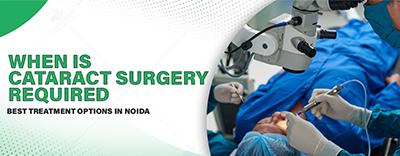
Hearing that you might need to undergo cataract surgery is certainly not a pleasant experience, is it? But actually knowing when it is time to take that step does change your life in a big way. Cataracts, obscuring the eye's lens, blur the eyesight increasingly until day-to-day functioning becomes troublesome. Fortunately, Cataract surgery in Noida is safer and more accessible now than it has ever been.
If it is difficulty in reading the newspaper or difficulty in driving at nights that has been bothering you, knowing the appropriate time for surgery is of assistance in making an informed decision. The guide takes you through the things to look for, the considerations to make prior to surgery, the mechanisms of the treatments you get and the advice on getting the best hospital in Noida.
book an appointment with Best Eye Doctor In Noida. Call now at +91-9667064100.
A cataract is a clouding of the normally clear intraocular lens in the eye. Imagine seeing through a foggy or frosty window – that's approximately what occurs when you develop cataracts.
The protein that comprises the natural eye lens is typically designed in a form that helps keep the lens clear and transparent and allows light to pass through it. With the passing of time and with advancing age, the protein may break down and clump together and form cloudy areas – a cataract.
Cataract patients often present with:
Blurred or misty vision refers to seeing through a cloudy pane of glass.
Difficulty with vision at night or in low light
Sensitivity to glare and light
Noticing "halos" around lights (most noticeable when you're driving at night)
Colors appearing pale or yellowed
Requirement of increased light intensity while reading
Frequent changes in eye glasses prescription
Double vision in a single eye
While cataracts are most common in people over 60, they can affect anyone. Most cataracts are age-related, but they can also result from:
Certain drugs (prolonged steroid therapy especially)
Illnesses such as diabetes
Prolonged UV exposure
Smoking
A few people are actually born with cataracts
The choice of undergoing cataract eye surgery is not something you hasten into but you do not necessarily dread either. Eye experts advise undergoing the operation when cataracts begin affecting how you lead your daily life and the quality of your life in general.
The strongest indicator that you need surgery is when vision issues become hazardous or challenging in performing normal tasks. This could involve being unable to read, struggling with face recognition, or not feeling secure driving – particularly at night when glare and halos from lights are issues.
First of all, more powerful eye glasses, increased light, or magnification devices might ease a cataract symptom. But a developing cataract responds less well to these techniques. After you've tried everything and the eye is getting progressively worse, the most logical option is surgery.
Cataracts put you at risk of falls and injury. If you're walking into things, judging distances wrongly, or giving up on activities you loved because of vision issues, then it is clear that surgery would absolutely do a world of good for safety and morale.
It often comes down to a choice of independence for many individuals. Whether staying active at work effectively, enjoying a hobby of writing or crafts, or just being able to safely prepare a meal at home, surgery is often able to restore the visual acuity necessary for an active, productive life.
Making the decision for cataract surgery involves weighing several important factors beyond just the severity of your vision problems.
Your overall health is very relevant to surgical planning. Some diseases such as diabetes, high blood pressure, or heart disease do not necessarily rule out surgery but demand careful pre- and postoperative care. Let the doctor know about all medications and health issues.
Consider your schedule and responsibilities. While recovery is frequently immediate, you will be limited in doing certain things for a period of a few weeks. Plan the operation when you can take time away from work in case you require it and support with daily activity in the early postoperative period.
Contemporary cataract operation is very successful but you must know what to anticipate. The majority of the patients see well but you will perhaps require glasses for specific activities. Talk freely with your surgeon so that expectations you hold will be in accord with probable results.
Standard cataract surgery is normally a coverage in the majority of insurance policies, but the upgraded lenses incur more out-of-pocket costs. Being specific on coverage and options in lenses will facilitate making a shrewd financial decision and a medical decision.
Cataracts typically form in both eyes, but often at different rates. Your surgeon will advise you on whether you require both eyes to be treated and the best time to do each operation if bilateral surgery is advised.
Modern cataract treatment has evolved dramatically, offering patients safer procedures and better outcomes than ever before.
The conventional method is to prepare a small cut in the cornea, take out the cloudy natural lens through phacoemulsification (ultrasound technology), and implant an artificial intraocular lens (IOL). The procedure is done on an outpatient basis and takes about 15-30 minutes per eye.
Lasers cataract surgery Noida is the newest development in treatment technology. Femtosecond lasers make precise cuts and soften the cataract before it is removed. This may speed up healing and make it easier to place the lens correctly. Even though this technology costs more than regular surgery, many patients appreciate how much more accurate it is.
Your choice of replacement lens significantly impacts your post-surgery vision:
Monofocal lenses function best at a set of distances (most commonly far), with near glasses frequently necessary for near activities
Multifocal lenses provide vision at more than one distance, possibly decreasing reliance on glasses
The toric lenses treat astigmatism and also cataracts
Corrective lenses try to replicate natural focusing power of the lens
The procedure is performed under local anesthesia with mild sedation, so you are calm but conscious. Most do not feel anything and get back home the same day. Improvement of vision typically begins in a few of days and complete recovery is typically achieved in 4-6 weeks.
Call us at +91 9667064100 to schedule a complete cataract evaluation and find the right treatment option for you.
Cataract surgery is now one of the most successful and commonly performed operations in medicine today and the vast majority of patients experience dramatic improvement in vision and quality of life. The key is in recognizing when you do require surgery and in selecting the right system for your individual needs.
The best eye treatment hospital in Noida with experienced doctors and the latest technology, whether you have early signs of cataracts or have already lost a lot of vision. There are more treatment options than ever before, from traditional surgery to cutting-edge laser techniques.
If you don't treat your cataracts, they will keep getting worse. It's usually better to treat them early rather than late, and you'll recover faster. With appropriate preparation and the appropriate medical personnel, you can get back the clear and convenient vision you require for the independence you enjoy and the things that are most important in life.
Don’t let cataracts come between you and a life well-lived – do something about it now and opt for the great options in the treatment of cataract in Noida. Call us today at +(91) 9667064100.
Find the links below:
Check the links below:
Q1. Will the procedure for the cataract be painful?
Ans: No, the operation is nearly harmless by virtue of sedation and the injection of regional anesthesia. The patients experience only gentle pressure and feel well during the entire procedure.
Q2. How long will I be forbidden from driving after cataract eye surgery?
Ans: Virtually all the patients are capable of driving in 24-48 hours post-operatively after getting cleared from the physician at the postoperative check-up visit. Driving at night may take a little while before comfort is regained.
Q3. Will you do the other eye at the same time?
Ans: Generally, surgeons like to do one eye at a time with a few weeks in between in order to allow the eye to fully heal and permit you to live with one good eye while you're healing.
Q4. Will I still require glasses after cataract surgery?
Ans: That depends on the type of implantable lens you select. With basic monofocal lenses, you will probably require glasses for reading purposes only but with multifocal implants you may decrease the usage of glasses entirely.
Q5. What will happen when I blink or turn my head?
Ans: A tiny device holds the eyelids back lightly and eye drops anaesthetise the eye to reduce the urge to blink. If you do shift a little bit, it does not matter - the surgeon is proficient in accommodating that.
Cataract surgery is essential to restore clear vision and prevent permanent blindness. It removes the cloudy lens and replaces it with an artificial one, helping patients regain normal sight and quality of life.
Cataract surgery can be a life-changing procedure, restoring clarity and enhancing the quality of life for those affected by cataracts.

Discover 10 lesser-known facts about cataract surgery, including treatment options, recovery tips, and costs. Learn what you need to know before undergoing surgery.


Subscribe to our
© Copyright 2026. All Rights Reserved by Felix Healthcare Private Limited
Design and development by :


 +(91)9667064100
 Emergency : +(91)9667064100