 Emergency:
  WhatsApp


Subscribe to our
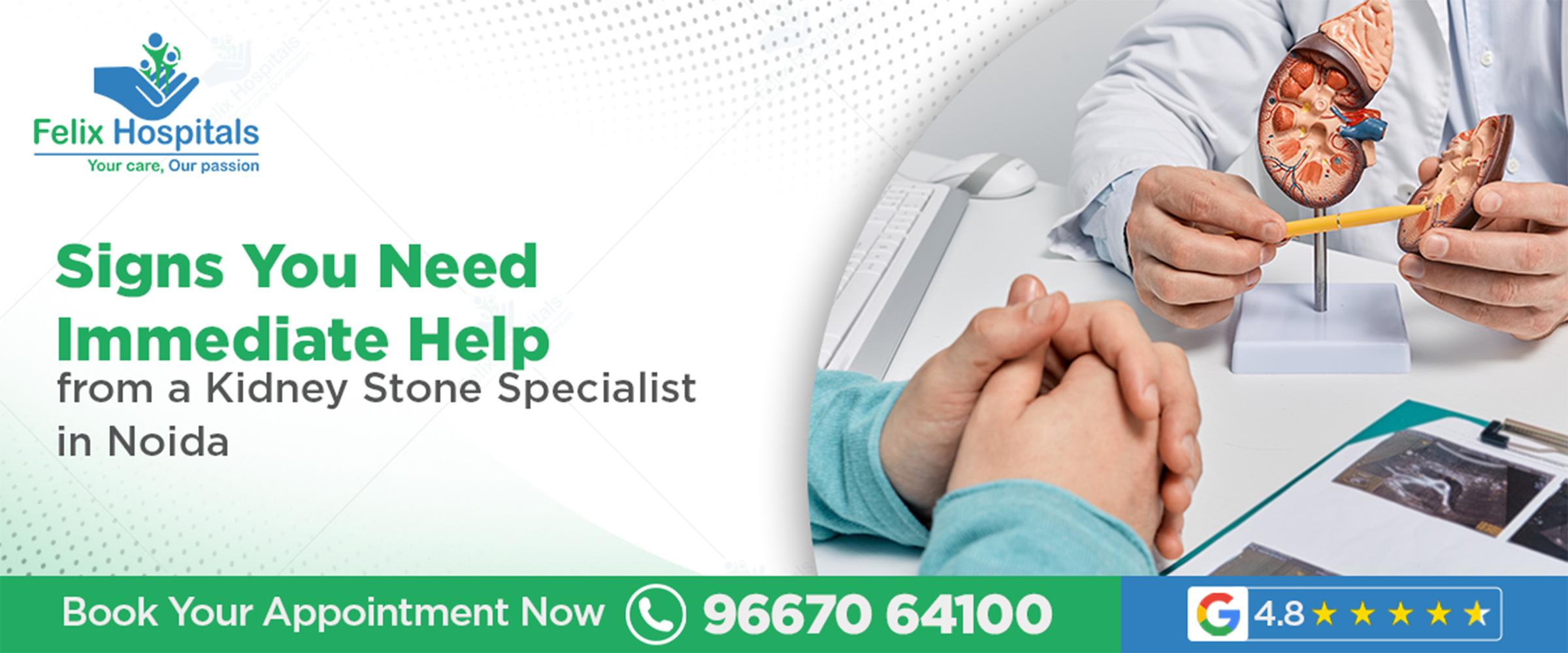
Kidney stones are solid deposits of minerals and salts that form inside the kidneys. While smaller stones may pass naturally, larger ones can cause severe pain, urinary problems, and even complications if not addressed promptly. Recognizing the signs early and seeking care from a kidney stone treatment in Noida specialist can prevent serious issues and ensure faster recovery. Felix Hospital provides expert guidance, modern diagnostics, and timely treatment for patients experiencing kidney stone problems.
Fever with kidney pain or unable to urinate? Recognize Signs You Need Immediate Help from a Kidney Stone Specialist in Noida! Dial +91 9667064100 urgently
Kidney stones develop when urine becomes concentrated, allowing minerals like calcium, oxalate, and uric acid to crystallize. They may vary in size—from tiny grains to stones large enough to block the urinary tract. While some stones remain symptomless, many lead to intense discomfort, prompting urgent medical attention.
Awareness of symptoms is vital, If you notice any of the following, you should immediately consult a kidney stone treatment in Noida expert:
Severe Flank Pain: Sudden, sharp pain in the lower back or side, often radiating to the groin.
Blood in Urine: Pink, red, or brown urine, which indicates bleeding caused by stone movement.
Nausea and Vomiting: Resulting from severe pain or blockage affecting digestion.
Frequent Urination or Urgency: A strong, persistent urge to urinate, sometimes with difficulty.
Fever and Chills: May indicate infection caused by blocked urinary tract, requiring urgent attention.
Even if symptoms seem mild initially, prompt evaluation is crucial. At Felix Hospital, kidney stone treatment in Noida combines precise diagnosis with minimally invasive therapies.
Consulting a specialist promptly can prevent stone growth and complications. Signs you need a kidney stone doctor include:
Pain lasting more than a few hours
Persistent nausea or vomiting
Inability to pass urine or severe urinary urgency
Recurrent kidney stone episodes
Signs of infection like fever or chills
Early intervention allows for less invasive procedures and a smoother recovery.
Understanding the type of stone can guide treatment:
Calcium Stones: Most common, often caused by calcium oxalate accumulation.
Uric Acid Stones: Linked to high protein diets, dehydration, or metabolic issues.
Struvite Stones: Usually related to urinary tract infections.
Cystine Stones: Rare, due to genetic disorders affecting amino acid metabolism.
Early signs often include dull back pain, mild urinary discomfort, or occasional blood in urine. Timely consultation with a kidney stone treatment in Noida specialist ensures stones are managed before they worsen.
Felix Hospital provides state-of-the-art diagnostic services:
Ultrasound: Non-invasive imaging to detect stones and blockage.
CT Scan: High accuracy in identifying size, location, and number of stones.
Urine and Blood Tests: Evaluate stone composition, kidney function, and infection risk.
Accurate diagnosis is critical for choosing the appropriate treatment method.
Kidney stone management depends on size, type, and severity:
Hydration Therapy: Increased fluid intake to help small stones pass naturally.
Medications: Pain relief, anti-inflammatory drugs, or medicines to relax urinary tract muscles.
Extracorporeal Shock Wave Lithotripsy (ESWL): Breaks stones into smaller pieces using shock waves.
Ureteroscopy: A small scope is used to remove or break stones in the ureter.
Percutaneous Nephrolithotomy (PCNL): Recommended for large or complex stones, involves a small incision to remove stones directly from the kidney.
Felix Hospital ensures that patients receive personalized treatment, minimizing recovery time and complications.
Preventing kidney stones is as important as treatment. Patients are advised to:
Stay well hydrated throughout the day
Limit high-sodium foods
Reduce intake of high-oxalate foods if prone to calcium stones
Maintain a healthy body weight
Regular follow-ups with a kidney stone treatment in Noida specialist help monitor stone recurrence and kidney health.
Cloudy urine & intense groin pain? Don't wait for Signs You Need Immediate Help from a Kidney Stone Specialist in Noida – call +91 9667064100
Kidney stones can cause severe pain and complications if ignored. Early recognition of symptoms such as flank pain, blood in urine, or urinary urgency is essential. Seeking immediate care from a kidney stone specialist in Noida expert at Felix Hospital ensures accurate diagnosis, timely intervention, and effective recovery. With advanced treatment options and patient-centric care, managing kidney stones becomes safer and more comfortable.
Q.1 Can small kidney stones pass without surgery?
Ans. Yes, many small stones pass naturally with hydration and medication, but monitoring is crucial.
Q. 2 How long does recovery take after kidney stone surgery?
Ans. Most minimally invasive procedures allow patients to resume normal activities within a few days to weeks.
Q. 3 Are kidney stones hereditary?
Ans. Yes, a family history can increase risk, along with lifestyle and dietary factors.
Q.4 Can diet prevent kidney stones?
Ans. Yes, maintaining hydration, reducing sodium, and avoiding high-oxalate foods help lower risk.
Q. 5 When should I visit a specialist immediately?
Ans. Seek urgent care for severe pain, blood in urine, fever, or inability to urinate.
Dr. Udit Gupta is an experienced Nephrologist with 10+ years of expertise in chronic kidney disease, kidney stones, dialysis, kidney transplantation, and hypertension-related renal disorders.
Obesity and excessive sugar consumption are widely recognized as major contributors to diabetes, heart disease, and high blood pressure.
Kidney dialysis is a life-saving treatment for patients suffering from chronic kidney disease or kidney failure. Understanding the dialysis cost in Noida helps patients and families plan treatment effectively. This article explains the factors affecting d
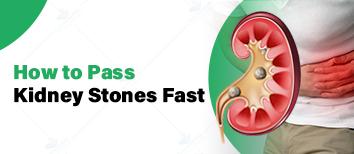
Find out the best methods to pass kidney stones quickly, ease pain, and protect your kidneys with proven home remedies and advanced treatment options.


Subscribe to our
© Copyright 2026. All Rights Reserved by Felix Healthcare Private Limited
Design and development by :


 +(91)9667064100
 Emergency : +(91)9667064100