 Emergency:
  WhatsApp




Subscribe to our

Kidney health is important for maintaining overall well-being but many times kidney diseases often go unnoticed until they reach advanced stages. When kidney diseases are detected early then the forthcoming complications can reduce the risk of kidney failure, and improve long-term outcomes. Experts emphasise that routine screening and awareness of early warning signs are essential for proactive kidney care. If you or your loved one is suffering from kidney disease and looking for a kidney specialist near me, then this blog post is meant for you.
Worried about kidney health? Call +91 9667064100 to schedule your consultation with the kidney specialist today.
We have two kidneys, each the size of an adult fist, positioned on both sides of our spine just under our chest area. Though small, your kidneys play important functions. Some of the ways your kidneys balance your entire body include:
Getting rid of natural waste products and excess water in your body
Helping make red blood cells
Balancing important minerals in your body
In what way might you help maintain your blood pressure
Keeping your bones healthy
Kidney diseases are a broad spectrum of disorders that affect the kidneys’ capacity to filter the blood and eliminate waste products. Chronic kidney disease, acute kidney injury, kidney infections, and structural problems are some of the most prevalent kidney disorders.
Kidney diseases can progress without symptoms until the damage is extensive. It is, therefore, important to detect kidney diseases early. Early signs of kidney disease and the necessary tests should not be therefore ignored. This blog post will help you to understand how you can detect kidney diseases early in order to prevent serious complications.
Kidney diseases monitoring or renal function monitoring can be recognised based on the following symptoms.
Fatigue or weakness
Swelling of the hands, feet, or face
Increased or decreased urination, or changes in urine color
Unexplained high blood pressure
Shortness of breath or nausea
Recognition of these symptoms enables nephrologists to advise patients on the need for early testing to avoid progression of the disease. A timely nephrologist appointment near me can make a difference.
Key blood tests for evaluating kidney health include estimated glomerular filtration rate (eGFR), serum creatinine, and Blood Urea Nitrogen (BUN). A few kidney tests that are recommended by doctors and are important for checking kidney health are mentioned below:
Creatinine is a waste product resulting from the breakdown of the proteins found in the food you eat and the normal breakdown of your muscle tissue. Your body gets rid of it through your kidneys. What is considered a normal amount of creatinine in your blood is difficult to state, as it can vary depending on your age, weight, and sometimes your sex. If you have high levels of creatinine in your body, you might have acute kidney injury and or chronic kidney disease. Not to forget, serum creatinine is one of the most routine tests for kidney problems.
Cystatin C is a protein made by cells in your body. It is also cleared from your body by your kidneys just like creatinine. It is not as common as the creatinine test; however, it may be more costly. Kidney tests recommended by doctors help detect issues accurately.
eGFR is a calculation of how well your kidneys are getting rid of waste products in the blood. It is based on your serum creatinine level, your age, and your sex. It can also be based on your cystatin C level. A “normal” eGFR depends on your age. It goes down as you get older. In general, an eGFR less than 60 means that the kidneys are not working properly. An eGFR less than 15 means kidney failure.
Urea nitrogen is a waste product in your blood that comes from the breakdown of protein in the foods you eat. It is removed from the body through the kidneys. The level of a “normal” BUN varies and tends to increase as one ages. Checking the level of BUN is generally not useful on its own. Therefore, your healthcare provider will probably compare your BUN level with your creatinine and eGFR levels when evaluating your kidney health.
A urinalysis is a rather simple test, analysing a small sample of urine for the presence of many varied substances. It is a simple urine test to detect kidney problems. First, an examination with the naked eye is performed, observing appearance, colour, and turbidity of the sample. Next, a dipstick-thin, chemically treated strip-is dipped into the urine sample. Colour changes on the strip signal the presence of abnormalities, which include high acid or albumin, bacteria, blood, pus, or sugar. Third, and last, the sample is examined under the microscope for further details, sometimes. These simple urine tests are useful for early kidney health monitoring.
People with diabetes, high blood pressure, heart disease, family history of kidney disease, or long-term painkiller use. Consulting a nephrologist appointment near me is recommended for high-risk individuals.
According to medical professionals, the following kidney function tests are recommended by doctors for high-risk patients or those above 40 years of age:
Blood pressure check
Blood creatinine and eGFR
Urine albumin-to-creatinine ratio (UACR)
Ultrasound of the kidneys
Comprehensive metabolic panel
Regular screening will help identify any issues before the symptoms progress.
In addition to regular testing, patients can also take the following steps to ensure that their kidneys remain healthy:
Keeping their blood pressure and sugar levels under control
Drinking plenty of water and cutting down on excessive salt consumption
Avoiding the overuse of pain medications and certain drugs
Eating healthy food, including plenty of fruits and vegetables
Exercising regularly
Noida provides world-class nephrology clinics and skilled kidney specialists who offer:
Thorough screening for high-risk patients
Early diagnosis of chronic kidney disease
Tailored care plans, including medications, diets, and lifestyle modifications
Specialised care for progressive kidney diseases
Seeking expert care will help in early treatment and averting kidney failure. Finding a kidney specialist near me ensures proper guidance and care.
Once kidney issues are detected, effective management may involve:
Adherence to the prescribed medication and diet
Regular follow-up tests to check the status of the kidneys
Avoidance of nephrotoxic substances such as NSAIDs
Staying hydrated and practicing healthy lifestyle choices
Regular follow-up appointments with a kidney specialist near me.
Protect your kidneys with early screening and expert care from top nephrology services in Noida. Call +91 9667064100 now.
It is important to detect kidney disease early to avoid irreversible damage and ensure optimal health. There are simple tests that can be done to check the health of the kidneys. Patients can detect any problems early before they become serious. Patients searching for a nephrologist appointment near me, especially belonging to Noida, should seek a right hospital with an established department of the Centre for Renal Sciences. With the right assessment and preventive measures, kidney disease can be controlled effectively.
In the initial stage, kidney diseases may not show any symptoms. Your kidneys compensate for this damage by working even harder. Lab tests, including urine and blood tests, are the only way to detect kidney disease at this early stage.
Medical management includes relieving symptoms. The treatment depends on the stage of chronic kidney disease. The main treatments include lifestyle changes in order to help you stay healthy.
Kidney failure means your kidneys no longer work, which causes toxins, waste products and fluid to build up in your body. There is no cure for kidney disease, but life-saving treatments like dialysis are available if your kidneys fail.
Dr. Manish Mahajan is an experienced kidney specialist with 8+ years of expertise in treating chronic kidney disease, kidney stones, dialysis cases, and renal transplants. Recognized among the Best Nephrologists In Noida, he is known for his compassionate care and patient-focused treatment approach.
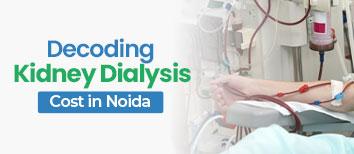
Kidney dialysis is a life-saving treatment for patients suffering from chronic kidney disease or kidney failure. Understanding the dialysis cost in Noida helps patients and families plan treatment effectively. This article explains the factors affecting d


Subscribe to our
© Copyright 2026. All Rights Reserved by Felix Healthcare Private Limited
Design and development by :


 +(91)9667064100
 Emergency : +(91)9667064100