 Emergency:
  WhatsApp


Subscribe to our

Autoimmune myositis is the most severe form, where the body’s defenses attack muscle cells. The inflammation resulting in it causes muscle weakness in the long run. Such cases often require time extended medicine and observation. The diagnosis should be completed at an early stage to avoid irreparable loss and problems with lungs or heart.
Experiencing persistent muscle weakness or pain? Consult experts at the Best Rheumatology Hospital in Noida. Call +91 9667064100 to book an appointment.
Diagnosing myositis combines a physical exam with a series of tests. First, doctors check the strength of muscles and discuss your symptoms. High muscle enzymes which result in inflammation can be revealed by blood tests. The diagnosis is proved by imaging and specialised tests excluding other disorders.
Diagnosis often includes:
Blood Tests — Inflamed muscles release certain enzymes into the blood. CPK (creatine phosphokinase) and aldolase are two important enzymes that doctors track. These are known to be high in patients with severe, active muscle damage. Specific autoantibodies — proteins that the immune system produces when it is inaccurately targeting the body’s own muscles — along with other blood tests help in identifying the specific type of myositis you have.
MRI Scan — You can get a detailed image of your muscles with an MRI without cuts, injections, or anything invasive. It can pinpoint exactly which muscles are inflamed, whether the damage is localized or generalized, and even whether any suspicious areas warrant additional research. MRI is very sensitive — it detects muscle inflammation in as much as 90 percent of a disease’s involved muscles, and is especially helpful in guiding the muscle to be biopsied.
Electromyography (EMG) — This test evaluates the electrical function of your muscles. Numerous tiny needles are pushed into the affected muscle, and the electrical signals are recorded. Inflammatory myopathy shows a characteristic abnormal pattern of electrical activity, which is greatly diagnostically helpful in confirming that the problem lies in the muscle itself and not in the nerves that supply the muscle.
Muscle Biopsy — The myositis muscle biopsy is the gold standard for diagnosis. A tiny piece of muscle tissue is removed usually from a weak or inflamed area identified by MRI and looked at under a microscope. It provides the most definitive confirmation of inflammation, indicates the degree of muscle damage and may help to confirm which type of myositis is involved. It is a small surgery performed under local anaesthesia.
Chest X-ray or CT Scan — Myositis can affect the lungs, particularly in the autoimmune types. A chest X-ray provides a broad examination, while a CT scan offers much more detailed information about lung tissue. These tests are performed to determine if the lungs have been affected, which is significant because lung involvement in myositis signifies the need for additional therapy and meticulous long-term surveillance.
These tests measure disease severity and help guide myositis treatment plan. The earlier the myositis diagnosis, the more positive are the results.
Treatment aims to reduce inflammation, rebuild muscle strength, and prevent complications. The personalisation of plans depends on the severity of the disease and its cause. Early treatment leads to better mobility and independence.
Medications: Medicine is typically the first-line intervention, and myositis treatment without medications is uncommon.
Corticosteroids — Corticosteroids are the first drugs that are prescribed. They rapidly reduce inflammation and allow the muscles to begin healing. They are the most commonly prescribed medications and rapidly reduce inflammation.
Immune-modulating drugs — Since myositis is an autoimmune condition, the immune system needs long-term treatment. Drugs such as methotrexate and azathioprine are prescribed for this. In order to keep the disease under control they are taken for months and sometimes for years.
Biologic therapies — For patients whose myositis does not respond to standard drugs, newer biologic agents are available. These are enabling us to target certain components of the immune system that are responsible for muscle damage.
For day-to-day pain relief, simple medications like paracetamol are used to take the edge off the discomfort whilst awaiting the effects of definitive treatment.
Rehabilitation — and Therapy Medications treat the disease, but therapy is what enables you to get your life back to normal.
Physical therapy — During physical therapy, a physiotherapist develops a personalised and gentle exercise plan to help rebuild muscle strength while avoiding further irritation. It starts slowly and gradually increases as your tolerance improves. Consistent physiotherapy is crucial to recovery.
Occupational Therapy — An occupational therapist can assist you with day-to-day activities that you find challenging such as dressing, cooking or using stairs. The suggest practical products and solutions to make life easier and safer on a daily basis.
Speech therapy — If the throat muscles have been involved and swallowing is difficult, a speech therapist will work to strengthen these muscles and make eating and drinking safer.
Rest and sleep — It is during sleep that your muscles undergo repair. Sleep duration of 7 to 8 hours per day is considered part of your therapy. Pushing through fatigue only worsens inflammation.
Healthy diet — Eating sufficient protein and other nutrients and anti-inflammatory food can help to maintain muscle and general strength. Your physician or dietitian can advise you about which foods will be best for you.
Sun protection — This is particularly important for dermatomyositis patients. Sunlight can increase or induce skin rash. Sunscreen and protective clothing, avoiding exposure to the sun during peak hours are a must every day.
Routine follow-ups — Myositis is a chronic disease that requires monitoring. Regular blood tests, check-ups and imaging allow your doctor to ascertain whether the inflammation is controlled or the treatment needs to be adjusted.
Physical therapy is essential to improve myositis treatment outcomes. Carefully managed light exercises maintain muscle strength. The programmes are made to suit you and record your tolerance which changes with improvement. Regular treatment substantially improves the quality of life and functioning on a daily basis.
The main advantages of physical therapy:
Living with myositis means you must commit to a long-term treatment plan and adjust your daily habits. You should strike a balance between exercising and also have sufficient rest in order to prevent excessive work on the muscles. Since the problem of chronic muscle weakness is heavy on your mood, emotional support is needed as well.
Challenges that may arise daily may include:
Stair climbing and ambulation problems
Dissociations in most areas of personal care
Fatigue management
Medication side effects
Emotional adjustment
By having proper medical attention and frequent cheque-ups, most individuals will be able to deal with the symptoms and be active. Some patients achieve relief, while others may need to continue treatment long-term.
Get accurate diagnosis and advanced care from the Best rheumatologist in Noida. Call +91 9667064100 today for specialist consultation.
Choosing the Best rheumatologist in Noida is crucial for long-term control. Specialist care provides access to:
Prompt special treatment usually prevents complications and enhances muscle performance in the long term. It has been found that patient results are better when they are observed within six months of symptoms.
Myositis is a serious inflammatory muscle disease that needs early recognition and expert care. Symptoms like muscle weakness, pain, and fatigue should not be brushed off as normal aging or overexertion. Knowledge of the cause, the mode of myositis diagnosis and the possible myositis treatment tools would enable you to get early medical assistance.
With expert management from the Best Rheumatology Hospital in Noida and guidance from the Best Rheumatologist in Noida, people with myositis can slow disease progression and improve their quality of life. The trick lies in the ability to identify the myositis symptoms on time and receive the expert assistance before the time to lose.
Not always. People with myositis often have good days and bad days. Just because you feel better for a while doesn't mean the inflammation has stopped. A lot of patients make the mistake of cutting back on or stopping their medication when they feel better, which makes the problem worse. Before making any changes to your treatment, you should always talk to your rheumatologist.
Yes. In some cases, like autoimmune myositis, the inflammation can go beyond the muscles and even affect the heart muscle itself. This is why long-term myositis management should include regular heart monitoring, even if muscle symptoms seem to be under control.
A lot of people with myositis that are well-controlled can still work normally. But jobs that require heavy lifting, standing for long periods of time, or doing physical work may need to be changed. Your rheumatologist and occupational therapist can help you find a way to balance work and taking care of your health that works for you.
Yes. Juvenile myositis affects kids under 18 years of age and is treated differently than adult myositis. Children respond well to treatment, but they need to be watched closely over time because the condition can affect their growth and development. They should see a paediatric rheumatologist for help.
Myositis has a small genetic part, but it is not passed down directly from parent to child like some other conditions. If you have a family member with myositis, your risk goes up a little, but that doesn't mean you will definitely get it. If you notice muscle weakness that lasts for more than a few weeks and you can't explain it, you should always get checked out right away.

Genetic testing helps identify inherited muscular disorders early by assessing your genetic risk.
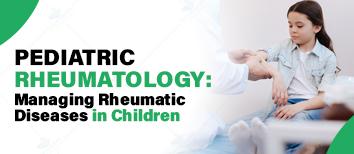
Pediatric rheumatology focuses on diagnosing and treating autoimmune and inflammatory disorders affecting children’s joints, muscles, and connective tissues.

Eating a balanced, nutrient-rich Arthritis diet plan can help manage inflammation and reduce symptoms of rheumatoid arthritis.


Subscribe to our
© Copyright 2026. All Rights Reserved by Felix Healthcare Private Limited
Design and development by :


 +(91)9667064100
 Emergency : +(91)9667064100