 Emergency:
  WhatsApp

Subscribe to our

Muscle stiffness is a common complaint that people face across age groups. It is sometimes felt as tightness, difficulty moving muscles, or pain when stretching muscles or performing daily routines. While it is normal to feel occasional stiffness after activity or sitting for an extended period of time, if the stiffness is persistent it could be a sign of muscular or neurological problems. A lot of people underestimate the initial signs and symptoms, thinking that the issue will just go away on its own.
In many situations, an early assessment and the best muscle stiffness treatment in Noida can aid in finding the cause and stopping the symptoms from progressing. A correct diagnosis also helps the doctors know if the stiffness is due to lifestyle reasons, muscle injury, nerve disorder or a long term disease that involves musculoskeletal system.
Experiencing tight muscles, reduced flexibility, or discomfort while moving? Consult a specialist for proper diagnosis and care. Call +91 9667064100 to book your appointment today.
By understanding the sources of causes of muscle stiffness, patients are able to identify what is causing them to feel tight muscles. Muscles can be stiff as a result of exertion, inflammation, restricted blood flow, or lack of use in some way.
Common causes include:
Overusing your muscles when exercising
Using bad posture when working or during your daily routine
Dehydration and electrolyte deficiency
Muscle disease or injury
Sedentary lifestyle
Certain diseases of the muscles or nerves
Musculoskeletal problems are a major contributor to physical disability globally and impair mobility, and hence the quality of life, says the World Health Organization.
It makes early diagnosis and treatment of muscle stiffness feasible. Signs may come on suddenly or slowly, depending on the cause of the problem. Common symptoms include:
Inability to move specific body parts
Tight or stiff muscles
Pain with stretching or bending
Loss of flexibility or range of motion restriction
Tenderness or swelling in the muscle
These symptoms can be worse at rest for a long time or during heavy work.
And sometimes fatigue and soreness occur alongside those muscle stiffness and weakness, impacting your ability to walk, hold things, or even stand up straight. Muscle weakness may cause joint instability and may result in increased stress to surrounding tissues.
Contributory factors may be:
Malnutrition (undernourishment)
Extendeded immobilization (bed rest after an injury or surgery)
Myositis Inflammatory (muscle disease)
Side impact of drugs in particular
An early assessment by a doctor helps to establish whether the stiffness is fleeting or part of a systemic disea
Accurate diagnosis is essential before beginning chronic muscle stiffness treatment. Doctors usually perform a detailed clinical examination to determine the cause and severity of symptoms.
Diagnosis methods:
Physical examination of muscle strength and flexibility
Observation of posture and motion
Blood tests are done for inflammation or deficiencies
Plain film or MRI among other imaging studies
If nerve involvement is suspected, neurologic examination
A proper diagnosis allows doctors to customize the treatment plan.
Diagnostic Test | Purpose |
Physical Examination | Evaluates muscle tone, strength, and flexibility |
Blood Tests | Detects inflammation, infection, or metabolic disorders |
MRI Scan | Identifies muscle injuries or nerve compression |
Electromyography (EMG) | Measures electrical activity of muscles |
Posture Assessment | Detects alignment problems affecting muscles |
These tests help specialists identify the exact cause of muscle stiffness and determine appropriate treatment strategies.
People with persistent symptoms who have not responded to treatment might need to be evaluated for chronic muscle stiffness treatment to treat continuing muscle tightness and discomfort. Treatment aims to enhance mobility and lessen muscle spasms.
Treatment may include:
Physical therapy and prescribed stretching
Anti-inflammatory drugs
Heat or cold application
Massage therapy
Lifestyle changes such as improved posture and exercise
The National Institutes of Health reports that focused physical therapy can also improve muscle pliability and decrease stiffness for a number of musculoskeletal disorders.
Expert physiotherapy for muscle stiffness in Noida is essential for the recovery of the muscles and the prevention of further damage. Physiotherapists are trained to treat tight muscles with specific exercises and hands-on techniques.
Popular physio methods are:
Stretching routines to increase flexibility
Exercises to strengthen muscle
Postural Correction Exercises
Joint mobilisation techniques
Therapeutic ultrasound or EMS
Physiotherapy at regular intervals can have a dramatic effect on your ability to move pain-free.
Knowing how to relieve stiff muscles may enable individuals to care for mild symptoms in their own home without the need for medical intervention, and help avoid further muscle discomfort.
Effective ways to do this are:
Light stretching upon waking
Warm baths, showers or heat packs
Drink plenty of fluids during the day
Light exercise to promote circulation
Adequate rest following significant physical activity
These techniques increase muscle flexibility and decrease muscle tension.
A few simple practical tips to prevent muscle stiffness are presented which could also possibly prevent the recurrence of muscle tightness and discomfort.
Preventive measures include:
Keep proper posture while working
Breaks for Long Periods of Sitting Still Well done! Soon it’ll be a habit
Doing some good stretches once in awhile can’t hurt
Get moving every day
Eat well and stay hydrated
If you adopt these habits, your bones, joints and muscles will stay healthy in the long term.
If you're struggling with muscles that just won't loosen up or is hard to move, professional treatment can help determine the cause and get you moving.
Consult experts for muscle stiffness treatment in Noida and personalized therapy options. Call +91 9667064100 to schedule your consultation today.
Muscle stiffness is often a signal that the body needs taken care of. Occasional stiffness may be due to temporary strain or inactivity, but chronic symptoms may be a sign of muscular or neurological conditions. Early identification of the cause will aid in preventing complications and lead to a better quality of life.
With the right diagnosis, physiotherapy and healthy lifestyle choices, people can regain muscle flexibility and avoid permanent suffering. Advice from your doctor in a timely manner will ensure that you are able to treat muscle stiffness effectively and safely.
Get expert care for muscle stiffness today at a trusted Multispeciality Hospital in Noida near you.
Yes. Inadequate fluid intake can impact muscle function and result in cramping or stiffness since muscles require hydration and electrolytes to function properly.
Some degree of stiffness upon waking can be caused by a lack of movement during sleep. However, if you have severe or persistent morning stiffness, see your doctor.
Yes. Stress, emotional and physical, can trigger muscle cramping and tension, particularly in the neck, shoulders and back. The tension can even translate into stiffness and pain.
Your muscles and joints may become less flexible as you get older, and if you don’t keep moving, you may find yourself stiffening up.
Seek medical advice if stiffness lasts longer than a week, progressively worsens, or interferes in your daily routine.
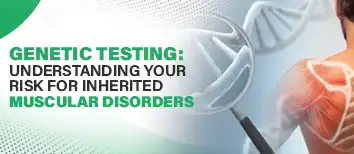
Genetic testing helps identify inherited muscular disorders early by assessing your genetic risk.
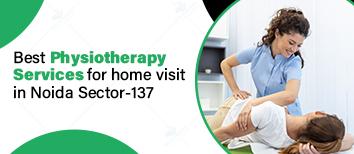
Get personalized care from experienced physiotherapists in the comfort of your home, tailored to meet your specific needs for faster recovery.
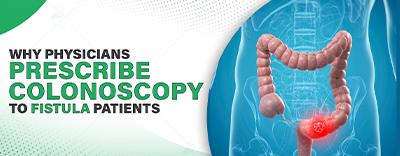
Physicians often recommend colonoscopy for fistula patients to identify underlying conditions like Crohn’s disease, detect infections, or rule out colorectal cancer.

Felix Hospital in Noida is well known for its general practitioners who offer holistic treatment for different health issues, like the common cold and coughs.


Subscribe to our
© Copyright 2026. All Rights Reserved by Felix Healthcare Private Limited
Design and development by :


 +(91)9667064100
 Emergency : +(91)9667064100