 Emergency:
  WhatsApp


Subscribe to our

Maintaining strong brain health is essential for adults of every age, especially in today’s fast-paced lifestyle where stress, digital overload, and unhealthy habits can affect cognitive performance. From memory and concentration to emotional balance and decision-making, your brain controls every aspect of daily functioning. Early care becomes even more important for individuals at higher risk of neurological issues or those seeking specialized treatment such as brain stroke treatment in Noida, brain tumor treatment in Noida, or services from a recognized brain tumor treatment hospital in Noida.
This blog explains the best evidence-based habits, nutritional choices, exercises, and lifestyle practices that support long-term brain health, along with available treatment options in Noida.
Your brain constantly processes information, regulates bodily functions, and helps you think, learn, and recall. As adults age, natural changes occur in memory, attention span, and problem-solving abilities. However, poor lifestyle choices, stress, nutritional deficiencies, and chronic medical conditions can accelerate cognitive decline.
Understanding the signs of poor brain health—such as forgetfulness, mental fatigue, mood imbalance, or difficulty focusing—can help individuals make timely lifestyle changes and seek medical guidance when needed.
Nutrition is one of the most influential factors in preserving cognitive strength. Several foods are known to directly support memory, attention, mood, and neuron protection.
Fish like salmon, sardines, and mackerel contain high levels of omega-3 fatty acids that support neuron structure and communication.
Blueberries, oranges, strawberries, and pomegranates reduce inflammation and oxidative stress—both linked to age-related cognitive decline.
Spinach, kale, and methi are rich in folate, vitamin K, and magnesium, essential for brain cell repair and neurotransmitter balance.
Walnuts, almonds, flaxseeds, and chia seeds are excellent brain boosters due to their healthy fats and antioxidant properties.
Brown rice, whole wheat, and oats improve blood flow to the brain, supporting sustained concentration and energy.
Consistently including these foods for brain health helps protect the brain, enhance mental clarity, and support long-term neurological wellness.
Physical and mental exercises play a crucial role in preserving cognitive function and preventing neurological decline.
Walking, cycling, swimming, or yoga increase blood flow to the brain and stimulate the growth of new neurons.
Puzzles, chess, sudoku, memory games, and problem-solving activities strengthen neural connections.
Dancing, tai chi, and simple balance drills help integrate the brain’s motor and sensory pathways.
Studies show that resistance exercises reduce inflammation and improve decision-making and memory.
These exercises for brain health help maintain sharpness, focus, and emotional stability.
Creating strong daily habits can significantly strengthen memory and reduce cognitive stress.
Adults need 7–8 hours of restorative sleep to enable memory consolidation and brain detoxification.
Chronic stress damages neural pathways, so practices like meditation, deep breathing, and mindfulness are essential habits for better memory.
Writing tasks, using reminders, and keeping daily routines structured help prevent mental overload.
Excessive device use leads to mental fatigue, reduced attention span, and sleep disturbances.
Regular interactions with friends or family keep emotional health balanced and reduce dementia risk.
Improving cognitive abilities requires a combination of lifestyle practices, mental stimulation, and nutritional support.
Learning a musical instrument, new language, or hobby enhances neural plasticity.
Dehydration can instantly affect attention and reasoning. Regular water intake is essential.
Taking short breaks during work enhances productivity and prevents cognitive overload.
Both significantly damage brain cells and reduce mental sharpness.
These evidence-based strategies clearly explain how to improve cognitive function in day-to-day life.
Age-related cognitive decline may not be fully reversible, but it can be delayed and slowed with the right preventive measures.
Thyroid disorders, vitamin deficiencies, hypertension, and diabetes can affect brain performance.
Chronic conditions increase the risk of stroke and memory issues.
Engaging in learning activities strengthens synapses and reduces dementia risk.
High cortisol levels shrink the hippocampus—the memory centre of the brain.
With consistent care, individuals can actively work on how to prevent cognitive decline, even in later years.
Recognizing early signs helps families seek timely care and prevent worsening symptoms. Common indicators include:
Frequent forgetfulness
Difficulty concentrating
Confusion or mental fog
Poor decision-making
Mood swings
Slow processing
Disturbed sleep
Reduced coordination
These symptoms may require medical evaluation to prevent further progression.
Individuals experiencing ongoing neurological symptoms may benefit from professional care, especially those who need brain health treatment hospital in Noida. Treatment options usually include:
A neurologist may conduct tests such as MRI, EEG, memory assessments, and cognitive screening.
Depending on the diagnosis, medicines may be prescribed for memory support, mood stabilization, sleep regulation, or seizure prevention.
Professional therapists help improve memory, reasoning, and problem-solving.
Neurologists may recommend personalized nutritional plans and activity schedules.
For conditions like stroke, tumors, or injury, rehabilitation improves recovery and independence.
Felix Hospital (mentioned only once here) offers specialized care for individuals seeking holistic neurological assessment and treatment.
Taking proactive steps toward brain wellness can significantly improve memory, focus, and emotional balance. Whether you are adopting healthier habits, improving your diet, or staying mentally active, consistent daily efforts play a major role in long-term cognitive health. Individuals experiencing persistent symptoms or neurological concerns may also require advanced care, especially those seeking brain stroke treatment in Noida, brain tumor treatment in Noida, or support from a reliable neurologist in Noida.
With timely intervention and healthy lifestyle practices, adults can maintain strong brain function and prevent early cognitive decline.
FAQs
Q.1. How can I tell if I’m experiencing cognitive decline?
Ans. Persistent forgetfulness, confusion, or reduced focus are early warning signs.
Q.2. Do brain-boosting foods really help?
Ans. Yes, omega-3s, antioxidants, and whole grains actively support brain cells.
Q.3. Can stress affect my memory?
Ans. Chronic stress harms the brain’s memory centers and slows thinking.
Q.4. Is poor sleep linked to weak brain health?
Ans. Absolutely—lack of sleep directly affects memory, mood, and clarity.
Q.5. When should I see a neurologist?
Ans. If dizziness, confusion, memory issues, or behavioral changes persist, consult early.
Advanced neurosurgery improves treatment for brain and spine disorders with better outcomes.

Brain-boosting foods rich in antioxidants, omega-3s, and vitamins support memory, protect brain cells, and may help reduce the risk of dementia and Alzheimer’s disease.
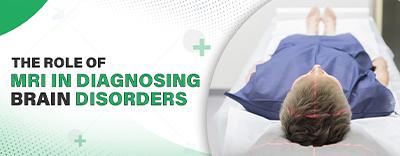
Magnetic Resonance Imaging (MRI) plays a crucial role in detecting and diagnosing various brain disorders, including tumors, strokes, multiple sclerosis, and neurodegenerative diseases.


Subscribe to our
© Copyright 2026. All Rights Reserved by Felix Healthcare Private Limited
Design and development by :


 +(91)9667064100
 Emergency : +(91)9667064100