 Emergency:
  WhatsApp


Subscribe to our
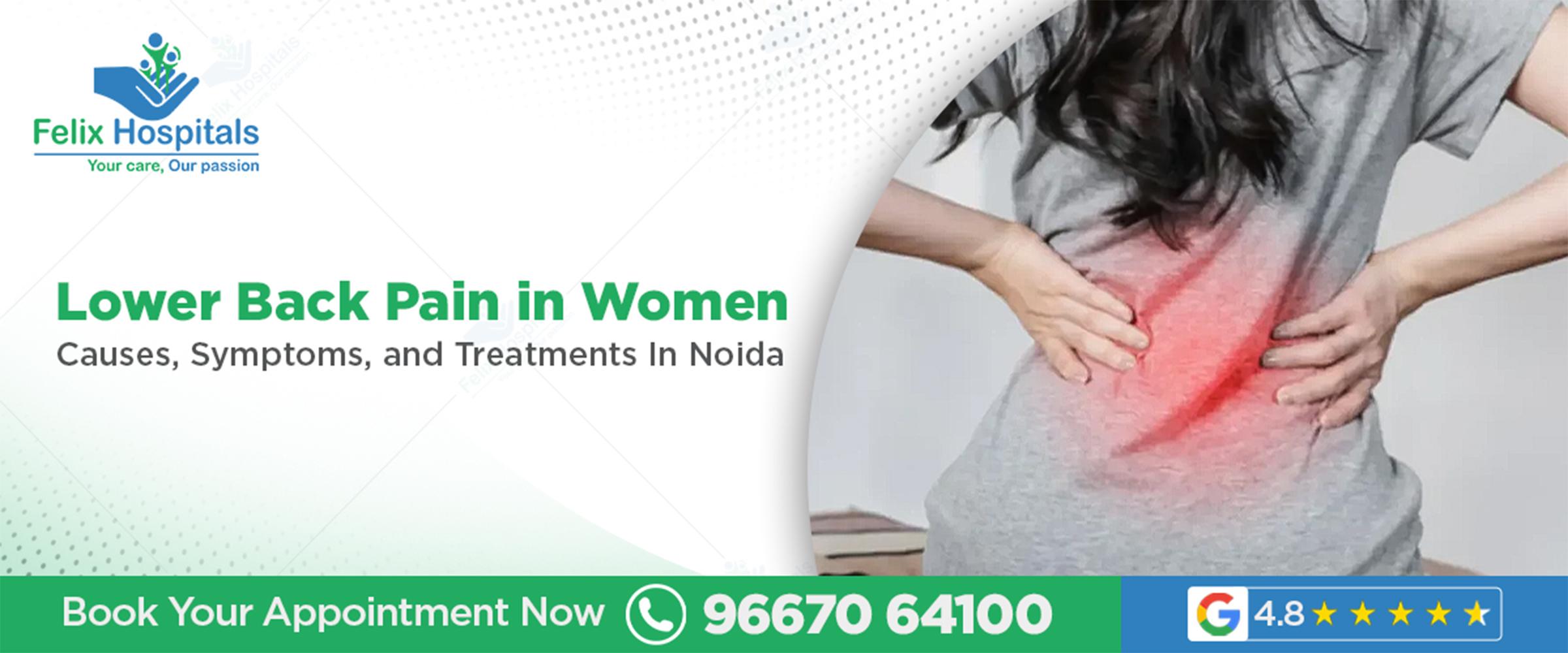
Lower back pain in women is a significant health problem and has effects on mobility, comfort, and quality of life. Hormonal changes, physical stress, pregnancy-related transformations, and the way women live their lives are among the diverse causes for women’s back pain. Although mild pain may go away with a period of rest, chronic pain can disrupt daily activities, such as sitting, walking or lifting items.
Despite the fact that many women suffering from back pain ignore it, treating it as a passing fatigue or bad posture, but many others do take it seriously. Fortunately, in many instances, early medical assessment and lower back pain treatment in Noida can lead to the diagnosis of the underlying cause and its reversal.
Experiencing persistent back pain or discomfort in the lower spine? Early evaluation can help identify the cause and prevent complications. Call +91 9667064100 to book a consultation today.
Causes of lower back pain in females contributes to the prediction of potential causative factors and aids in the management of the condition. Women’s back pain may be due to musculoskeletal or hormonal changes.
Sitting too much or working long hours in bad posture
Muscle strain from lifting something heavy or making an abrupt motion
Weak core muscles from lack of exercise
Hormonal changes that influence joint flexibility
Obesity, which adds extra weight on the spine
Spinal diseases, such as herniated disc or muscle spasms
Medical research has found that women are predisposed to certain musculoskeletal conditions, possibly because hormonal changes affect ligaments' elasticity and joint stability.
Awareness of the symptoms of lower back pain in women can identify the issue at an early stage and obtain medical treatment before the pain becomes unbearable.
The most usual symptoms:
Chronic pain or dull ache in the lower back
Stiffness after sitting or lying down for a prolonged period of time
Bending over, standing up or lifting things can be difficult
Pain traveling into the hips or thighs
Spasming muscles or muscle tightness in the back
The severity of these symptoms may also depend on the cause and the state of health of the person.
Women are more susceptible to lower back pain following pregnancy as result of the physical and hormonal changes experienced during and after gestation. As the body adjusts to carrying a growing baby, pregnancy is tough on the spine and the muscles surrounding it.
Weak abdominals following delivery of the baby
Postural adaptations during pregnancy
Relaxed ligaments due to pregnancy hormones
Weight gain while pregnant
Pressure on the joints in the pelvis and spine
Around half of women experience back pain during pregnancy or postpartum, and consulting a Back Pain Doctor in Noida can help ensure proper diagnosis and effective treatment.
Menstrual cycle and back pain are often associated, as menstrual hormones can affect pelvic tissue and muscle tension. Numerous females experience lower back pain in the days before they start their menstrual cycle.
Factors that may contribute include:
Uterine contractions during menstruation
Increased prostaglandin hormone levels
Pelvic inflammation
Reduced physical activity during menstrual discomfort
Increased sensitivity to pain signals
These factors may cause temporary back pain that usually resolves once the menstrual cycle ends.
Certain hormonal causes of back pain in women are linked to fluctuations in estrogen and progesterone levels. These hormones influence ligament strength and joint stability, which may affect spinal support.
Back pain can be caused by hormones including:
Hormonal changes during periods
Hormonal changes in pregnancy
Drop in estrogen at menopause
There may be a combination of these factors leading to the increased prevalence of musculo-skeletal pain in women.
While mild back pain can be treated conservatively, women with chronic lower back pain should consult a physician if the symptoms are debilitating or do not improve. although wait for the result of an x-ray image of my lumbar spine.
Warning Signs Are Included:
Pain lasting more than a few weeks
Severe back pain that limits activity
Numbness or tingling with pain
Problems standing, walking or bending over
Back pain after injury
Early medical intervention is needed to prevent complications and to ascertain if the upper airways are involved.
Accurate diagnosis is essential for identifying the cause of treatment for lower back pain in women and selecting the right therapy. Doctors usually begin with a detailed medical history and physical examination.
Test | Purpose |
Physical Examination | Evaluates spine movement and muscle strength |
X-ray | Detects structural problems in the spine |
MRI Scan | Identifies disc issues or nerve compression |
Blood Tests | Checks for inflammation or infections |
Bone Density Test | Detects osteoporosis or bone weakness |
These diagnostic methods help specialists determine the root cause of back pain and create personalized treatment plans.
A good treatment for lower back pain in women can be determined on the basis of causes of the pain, how bad the symptoms are, and the general health of the patient. Treatment started early can bring relief from pain and return motion.
Treatment may involve:
Pain medication prescribed by a physician
Physiotherapy to strengthen the back
Posture correction and ergonomic modifications
Massage for relaxing muscles using heat or cold
Lifestyle adjustments, such as weight loss
Intervention of specialist for complicated spinal problems if required
There is good clinical evidence that supervised physiotherapy/core stability exercises can improve outcome in a large proportion of episodes of back pain.
The above-mentioned good practices can not only prevent the incidence of low back pain in women from recurring but will also help to keep the spine in better shape as women get older.
Preventive measures include:
Using proper posture when you sit or work
Do regular stretching and strengthening exercises
Take breaks, don’t sit too long without getting up
These safeguards help protect your spine and prevent undue strain on your lower-back muscles.
For persistent pain in your back or trouble completing your day-to-day living, professional care can determine the root of your pain and assist you in regaining pain-free, enjoyable activities.
Consult specialists for lower back pain treatment in Noida at the best hospital for female back pain in Noida. Call +91 9667064100 to schedule your consultation today.
Lower back pain in women is a common health problem influenced by factors such as hormones, lifestyle habits, pregnancy strain, and spinal health. Although mild discomfort may occur occasionally, persistent pain should not be ignored as it may indicate underlying musculoskeletal or hormonal conditions. Consulting the best orthopedic doctor noida can help in accurate diagnosis and effective treatment.
With early diagnosis, appropriate treatment, and preventive lifestyle changes, women can effectively manage back pain and improve their overall quality of life. Timely medical care helps prevent complications and supports long-term spinal health.
Yes. Stress can cause muscles in the back and shoulders to tighten. Long-term stress may lead to persistent muscle tension and discomfort in the lower back.
Frequent use of high heels can change body posture and increase pressure on the lower spine. Over time, this may lead to muscle strain and back discomfort.
Yes. Weak core and back muscles provide less support to the spine. Regular exercise strengthens these muscles and reduces the chances of recurring back pain.
Yes. Osteoporosis weakens bones and increases the risk of spinal fractures, which may cause chronic back pain, particularly in post-menopausal women.
Yes. Poor sleeping posture or an unsupportive mattress may strain the spine during sleep. A supportive mattress and proper sleeping position can help reduce back discomfort.
Dr. Binay Kumar Sahu is an experienced Orthopedic and Traumatology specialist with 11+ years of clinical practice. He has extensive expertise in complex trauma, arthroscopy, arthroplasty, musculoskeletal tumors, and hand surgery. Recognized among the Best Orthopedics in Noida, he provides comprehensive and advanced orthopedic care.
Are you struggling with constant back pain that affects your daily life? Back pain can result from poor posture, long sitting hours, slip disc, muscle strain, or spinal problems.

Learn 10 simple and effective remedies to relieve post-C-section back pain. Improve posture, reduce discomfort, and speed up recovery with safe, doctor-recommended methods.
Endoscopic Spine Surgery in Noida offers a revolutionary, minimally invasive solution for chronic back and spine-related pain

Is your child complaining of back pain? Discover causes, symptoms, treatment, and prevention tips to protect your child’s spine and overall health.


Subscribe to our
© Copyright 2026. All Rights Reserved by Felix Healthcare Private Limited
Design and development by :


 +(91)9667064100
 Emergency : +(91)9667064100