 Emergency:
  WhatsApp



Subscribe to our

Klinefelter syndrome in men is one of the most common chromosomal conditions, yet it remains widely underdiagnosed for years - sometimes even decades. Named after Dr Harry Klinefelter, who first described it in 1942, this condition affects male development at the genetic level and can influence everything from fertility and hormone balance to physical growth and learning. Understanding Klinefelter syndrome in men begins with a simple fact: most men who have it look and live completely typical lives, which is exactly why early awareness matters so much.
This guide covers the full picture - what the condition is, what causes it, the range of signs a man or boy might notice, how doctors confirm the diagnosis, and what modern treatment can offer. Whether you are a parent who has just received a prenatal finding, an adult male piecing together years of unexplained symptoms, or a healthcare professional looking for a clear overview, this article is designed to give you medically accurate, easy-to-read information.
Klinefelter syndrome in men affects approximately 1 in 500 to 1 in 1,000 male births worldwide.
It is caused by the presence of one or more extra X chromosomes in males.
Most men with the condition lead completely normal, healthy lives with the right support.
Infertility is the most common reason adults seek a formal diagnosis.
Testosterone replacement therapy, started at the right age, prevents most long-term complications.
Early speech therapy and educational support significantly improve developmental outcomes in boys.
Klinefelter syndrome in men refers to a condition in which a male is born with one or more extra X chromosomes in addition to the standard XY pair. The most typical form is sometimes called XXY syndrome, where a male carries two X chromosomes and one Y chromosome, giving a total of 47 chromosomes instead of the usual 46. This extra X chromosome in males disrupts the normal development of the testes and the production of testosterone, leading to a wide spectrum of physical and hormonal effects.
Key things to understand about the condition at a glance:
It is not a disease - it is a chromosomal variation present from conception.
It is not inherited in the traditional sense; it arises from a random error during cell division.
No two individuals are affected in exactly the same way.
The common thread across all cases is an impact on male reproductive development and testosterone production.
Some men are diagnosed at birth, others in childhood, and many only when investigating infertility as adults.
The Klinefelter syndrome causes all trace back to a chromosomal error that occurs before birth, during the formation of reproductive cells in one of the parents. Neither parent does anything to cause it - it is entirely a matter of random biological error. Here are the three primary Klinefelter syndrome causes explained clearly:
This is the most common of all Klinefelter syndrome causes. During meiosis - the specialised cell division that produces eggs - the X chromosomes sometimes fail to separate correctly. This is called non-disjunction. When this faulty egg (carrying two X chromosomes) is fertilised by a normal Y-carrying sperm, the result is a 47,XXY embryo.
This accounts for roughly 50 to 60 percent of all Klinefelter syndrome cases.
Slightly more common when the mother is older, though it occurs at all maternal ages.
Entirely unpredictable and unpreventable.
The error can also originate in the father. When sperm cells are formed, the sex chromosomes should separate cleanly so each sperm carries either an X or a Y chromosome. If non-disjunction occurs during sperm formation, a sperm cell may carry both an X and a Y chromosome. If this fertilizes a normal egg, the result is again a 47,XXY embryo.
Accounts for approximately 40 to 50 percent of cases.
Not linked to paternal age in the same way maternal non-disjunction is linked to maternal age.
Completely random and not caused by any lifestyle or health factor in the father.
In mosaic Klinefelter syndrome, the chromosomal error does not occur during egg or sperm formation but during the very early cell divisions of the embryo itself. The result is that some cells in the body carry the typical 46,XY pattern while others carry the 47,XXY pattern.
Men with mosaic Klinefelter syndrome often have milder symptoms.
Fertility may be less severely affected than in the classic 47,XXY form.
The proportion of affected cells varies from person to person, influencing how much impact the condition has.
The Klinefelter syndrome symptoms vary considerably depending on the individual, the presence of mosaicism, and the degree of testosterone deficiency. Grouping the Klinefelter syndrome symptoms by life stage makes it easier for parents, individuals, and clinicians to know what to look out for at each phase of development.
Many babies with the condition show few outward signs, making early identification difficult. However, some early indicators include:
Undescended testes (cryptorchidism) at birth.
Smaller-than-typical penis size.
Low muscle tone (hypotonia), making the baby feel floppy.
Delayed motor milestones - sitting up, crawling, or walking later than expected.
Speech and language delays becoming apparent by preschool age.
Difficulty processing verbal instructions or finding the right words.
Puberty is when many of the most recognisable Klinefelter syndrome symptoms begin to emerge, because this is the stage when testosterone production should surge but cannot in boys with the condition. Signs to watch for include:
Delayed or incomplete puberty - voice may not deepen fully, facial and body hair may remain sparse.
Small, firm testes that do not grow to typical adult size.
Gynecomastia - development of breast tissue, which can cause significant emotional distress.
Tall stature with long legs relative to the trunk.
Arm span greater than total height.
Reduced muscle bulk and strength despite a tall build.
Difficulties with reading, attention, and social confidence at school.
Many men with Klinefelter syndrome in men are only identified as adults, typically when investigating infertility. Adult Klinefelter syndrome symptoms may include:
Azoospermia - no sperm found in semen analysis, making natural conception impossible without intervention.
Low testosterone causing fatigue, reduced libido, poor concentration, and mood changes.
Reduced bone density, increasing the risk of fractures and osteoporosis if left untreated.
Higher likelihood of metabolic syndrome, type 2 diabetes, and cardiovascular risk factors.
Sparse body and facial hair and reduced need for shaving.
Possible anxiety, depression, or low self-esteem, often linked to years of undiagnosed hormonal imbalance.
A confirmed Klinefelter syndrome diagnosis requires specific tests - clinical observation alone is not sufficient. Here is how the Klinefelter syndrome diagnosis process typically unfolds, step by step:
Karyotype Test (Chromosomal Analysis) - A blood sample is analysed to count and examine chromosomes. This is the definitive test. It clearly identifies the extra X chromosome in males, showing the 47,XXY pattern or rarer variants such as 48,XXXY.
Hormone Blood Tests - Testosterone, LH (luteinising hormone), and FSH (follicle-stimulating hormone) are measured. In Klinefelter syndrome, LH and FSH are elevated because the pituitary gland is overworking to stimulate the underperforming testes, while testosterone is low or borderline.
Semen Analysis - In adult men presenting with infertility, a semen test is performed. Azoospermia (no sperm) or severe oligospermia in a young man with compatible features almost always triggers a karyotype referral.
Additional Investigations - These may include bone density (DEXA) scans, blood glucose and lipid tests, and liver function tests to assess existing or emerging long-term complications.
Prenatal diagnosis is now increasingly possible through non-invasive prenatal testing (NIPT), which can detect extra sex chromosomes from a maternal blood sample as early as 10 weeks of pregnancy. Confirmation follows via amniocentesis or chorionic villus sampling. Earlier identification allows families to access genetic counselling and early intervention well before the child is born.
There is no cure that removes the extra chromosome, but Klinefelter syndrome treatment has advanced enormously and can address most of the condition's effects very effectively. The goals of Klinefelter syndrome treatment are to correct hormonal deficiency, support fertility where possible, address developmental needs, and prevent long-term complications. Here are the six core pillars of Klinefelter syndrome treatment:
Treatment Area | Approach | What It Achieves |
Testosterone Replacement Therapy (TRT) | Injections, gels, or patches from puberty or adulthood | Restores hormone levels; improves energy, mood, bone density, muscle mass, and libido |
Fertility Treatment (Micro-TESE + ICSI) | Surgical sperm extraction followed by IVF | Enables biological fatherhood for approximately 40 to 60 percent of men |
Speech and Language Therapy | Started early in childhood | Improves communication, reading, and language processing skills |
Educational Support | Learning support plans, IEP at school | Helps children reach academic potential despite processing difficulties |
Gynecomastia Management | Surgical reduction if significant | Reduces distress and long-term breast tissue complications |
Metabolic and Bone Health Monitoring | DEXA scans, blood glucose, lipid checks, vitamin D and calcium | Prevents osteoporosis, diabetes, and cardiovascular disease |
TRT is the cornerstone of Klinefelter syndrome treatment for adolescents and adults. Key facts about TRT:
Ideally started around age 11 to 12 years to align with natural puberty timing.
Available as intramuscular injections (every 1 to 3 weeks), daily topical gels, patches, or long-acting injections.
Improves energy, mood, bone density, muscle mass, body hair, and sexual function.
Does not restore fertility - sperm production is governed by the testes, not hormone levels alone.
Requires regular blood monitoring to keep testosterone within the normal range.
Infertility is one of the most emotionally significant aspects of Klinefelter syndrome in men. What modern medicine now offers:
Micro-TESE (microsurgical testicular sperm extraction) can retrieve sperm directly from testicular tissue.
Success rates of 40 to 60 percent for sperm retrieval in eligible men.
Retrieved sperm are used in ICSI (intracytoplasmic sperm injection), a form of IVF.
Younger age and higher testosterone levels tend to improve the chances of successful sperm retrieval.
A reproductive urologist experienced in Klinefelter syndrome in men should be consulted early.
Speech therapy started in the toddler years produces the most significant language gains.
Targets articulation, vocabulary, sentence formation, and reading readiness.
Regular sessions combined with home practice give the best results.
Many boys with the condition develop strong communication skills with consistent therapy.
An Individual Education Plan (IEP) tailored to the child's specific needs is highly effective.
Common areas of support include reading, written expression, attention, and processing speed.
Most boys with the condition have average or above-average intelligence - support unlocks potential, not a lower standard.
Teachers and school counsellors benefit from being informed about the condition.
Gynecomastia affects a significant proportion of adolescents with the condition.
Surgical reduction (mastectomy) is effective and produces lasting results.
Psychological counselling before and after surgery supports emotional wellbeing.
Men who feel self-conscious about their chest may avoid activities and social situations - early intervention helps.
Men with Klinefelter syndrome in men benefit from lifelong health monitoring because of their elevated risk for certain conditions:
Bone density scans every few years to detect osteoporosis early.
Annual blood glucose and HbA1c tests to screen for type 2 diabetes.
Lipid profile and blood pressure checks for cardiovascular health.
Vitamin D and calcium supplementation if levels are low.
Thyroid function testing, as autoimmune thyroid conditions are slightly more common.
With appropriate medical management, the life expectancy and quality of life of men with Klinefelter syndrome in men is broadly comparable to the general male population. These daily habits make a measurable difference:
Exercise Regularly - A mix of strength training and cardiovascular exercise protects muscle mass, bone density, and metabolic health, all of which are areas of concern in the condition.
Maintain a Healthy Weight - Excess body fat worsens testosterone metabolism and increases the risk of diabetes and cardiovascular disease.
Do Not Smoke - Smoking compounds the cardiovascular and bone health risks that already exist in the condition.
Attend Regular Check-Ups - TSH, testosterone, blood glucose, and bone density should be reviewed on the schedule your endocrinologist advises.
Seek Psychological Support When Needed - Living with a lifelong condition, particularly one that affects fertility and body image, can be challenging. A counsellor or peer support group can help significantly.
If you or someone you care about is showing signs that may be linked to Klinefelter syndrome in men - whether it is unexplained infertility, delayed puberty, low energy, or a recent genetic finding - the specialist team at Felix Hospital is here to help. Our endocrinology and urology departments offer:
Call us at +91 9667064100
No. The condition arises from a random chromosomal error during the formation of eggs or sperm and is not passed down through families in the traditional sense. Parents of a boy with the condition typically have completely normal chromosomes.
Yes, biological fatherhood is possible for many men through micro-TESE and ICSI, though not all men will have retrievable sperm. A fertility specialist experienced in Klinefelter syndrome in men can assess the likelihood based on age, hormone levels, and individual factors.
No. The condition does not cause intellectual disability. Most men have average or above-average intelligence. Some experience specific difficulties with language processing, reading, or attention, but these respond well to targeted educational support.
Yes. Klinefelter syndrome and XXY syndrome refer to the same condition. The term XXY syndrome describes the chromosomal pattern (47,XXY), while Klinefelter syndrome is the clinical name associated with that pattern.
Most endocrinologists recommend starting testosterone replacement around age 11 to 12 years to align with natural puberty timing. For men diagnosed later in life, TRT should begin as soon as low testosterone is confirmed and is causing symptoms.
Yes, though they do not replace medical treatment. A balanced diet rich in calcium and vitamin D, combined with regular strength training, supports bone density, metabolic health, and body composition - all of which are areas of particular concern in the condition.
Dr. Bhanwar Lal Barkesiya is an MCh Gold Medalist Urologist with 15+ years of experience in laser kidney stone surgery, TURP, PCNL, robotic urology, and complex urological care at Felix Hospitals, Noida.

Penile implants can restore erections but are not a permanent cure; underlying health issues may still need treatment.
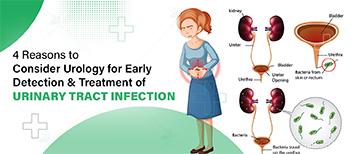
One of the best hospitals for urinary tract treatment in Noida offers comprehensive urology care, featuring expert urologists and advanced diagnostic and treatment facilities.

Expert urology care at Felix Hospital for bladder stones: causes, symptoms & treatments.


Subscribe to our
© Copyright 2026. All Rights Reserved by Felix Healthcare Private Limited
Design and development by :


 +(91)9667064100
 Emergency : +(91)9667064100