 Emergency:
  WhatsApp

Subscribe to our
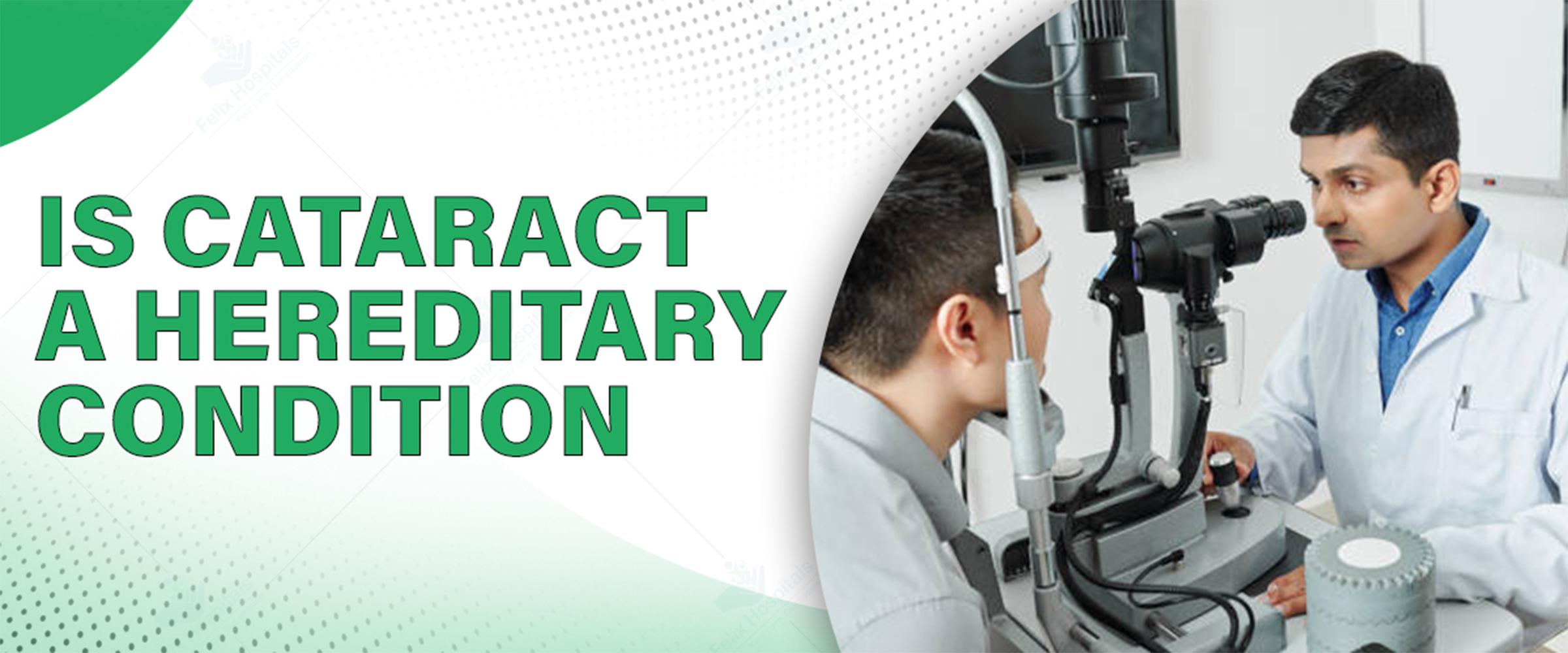
Cataracts are among the most prevalent eye diseases in the world, affecting millions of people as they age. Many are surprised to learn that cataracts are not strictly age-related — they can also be hereditary. If you or your grandparents have undergone cataract surgery, you might wonder: Is cataract a hereditary disease?
It is crucial to understand the connection between cataracts and genetics, as early awareness can help individuals take preventive measures. Consulting an eye specialist in Noida or an expert ophthalmologist can help maintain vision health and detect potential issues early. While age and environmental factors are major causes, medical studies show that a family history of cataracts can increase the risk.
Let’s explore how heredity, lifestyle choices, and other factors contribute to cataracts — and what steps you can take to protect your eyes effectively.
Call +91 9667064100 and consult an expert ophthalmologist and acquire expert guidance on how to prevent, diagnose, and treat cataracts.
A cataract is a condition that comes when the natural lens in the eye becomes cloudy, resulting in blurred eyesight, glare, fading colors, and difficulty seeing in the dark. It will otherwise focus the light to the retina to form clear, sharp vision. When proteins found in the lens of the eye begin to clump together due to various causes, the lens becomes opaque — and a cataract sets in.
Cataracts are progressive, meaning they worsen over time. Initially, they might not interfere much with vision, but as they grow, they can significantly impact daily activities such as reading, driving, or recognizing faces.
Although everybody tends to relate cataracts and old age, they can be a secondary outcome due to gene mutation, injury, disease, or prolonged intake of medicines.
The association between genes and cataracts is tighter than many know. Various studies discovered that some types of cataracts are likely to run in the family. I mean, if your immediate relatives — parents or siblings — have cataracts when they are young, chances are you have it too.
Genes can impact lens composition, lens protein stability, and how the eye reacts to age-related oxidative stress. Certain gene mutations, such as CRYAA, CRYBB2, and GJA8, have been found to be a cause of inherited forms of cataracts. These genes are crucial to lens clarity and function.
Few are actually caused by inherited gene defects. Either or both eyes may be affected and may occur as an isolated finding or as a feature of larger inherited syndromes.
But it's worth mentioning that not every cataract is inherited. Vast majority are a blend of age, environment (such as UV exposure), and genes — so that you can end up inheriting a susceptibility but unlikely to end up developing it unless other influences come into play.
The answer to the question "Are cataracts inherited?" must be a strict yes or no — it depends upon the type of cataract and the causation.
They are inherited at birth or in childhood and are, as a rule, due to a family history. If the parent carries specific gene mutations, there are probabilities that they are transmitted to the child.
Some individuals develop cataracts very young — in their 30s or their 40s — and have no other health issues. For those individuals, hereditary issues among family members may become a contributing factor.
Even though these cataracts are age-related, studies have shown that having a parental history of cataracts increases the likelihood that you'll come down with them earlier or to a more serious extent.
The bottom line: Heredity may play a role in the development of cataracts, but there are other things that make a difference, including protecting eyes against UV rays and controlling blood sugar.
Not having a family history of cataracts doesn't mean you'll never develop cataracts, but it does reduce your chances. It's similar to heart disease or diabetes — it can be inherited, genes can make you more prone, but it's environment and lifestyle that causes it.
Schedule regular eye checks: Eye checks can detect lens changes before symptoms become apparent.
Consume a healthy diet: Vitamin E and C containing foods, zeaxanthin, and lutein are good for the lens.
Wear eyewear when you are out: UV radiation is an important external cause of cataract.
Control medical conditions: Diabetic and hypertensive patients may accelerate cataract progression.
Do not smoke: Smoking amplifies lens injury and oxidative stress.
Prompt diagnosis and treatment can postpone the progression and preserve clear vision for years.
Whereas genes are involved, cataracts can be triggered as well by other non-hereditary factors. By recognizing these, you are able to reduce your overall risk.
Most common cause, as proteins in the eye lens slowly break down as we age.
Exposure to acute and chronic ultraviolet radiation could induce lens protein damage and cataract genesis.
Diseases like diabetes and thyroid disorders increase the risk of developing cataracts.
Extended administration of corticosteroids or some anti depressive medications can induce cataracts as a side effect.
History of previous surgery or eye injury can cause secondary cataract.
They both enhance the rate of oxidative stress, which gradually kills lens cells.
Early diagnosis of cataracts ensures successful control and timely treatment. Symptoms are slow in their course and may be:
Fuzzy or blurred sight
Greater susceptibility to glare or spotlights
Difficulty seeing in darkness
Fading of colors
Regular changes in eyeglass prescriptions
If you experience any of these changes, you may want to have a complete eye test which involves:
Visual acuity test – to evaluate sharpness of vision.
Slit-lamp examination – to examine intraocular structures under magnification.
Retinal testing – to observe the route which the light travels from the lens to the retina.
The ophthalmologist can determine the extent of cataracts and recommend whether surgery or nutritional changes are appropriate.
Once cataracts are affecting daily activity, surgery provides the best treatment. It consists of replacement of the cloudy lens with a man-made intraocular lens (IOL).
This surgery involves minimal incisions and ultrasound power (phacoemulsification) to take out the lens.
More sophisticated technique that provides higher accuracy and quick return. Cataract surgery is one of the safest and most successful procedures in medicine, returning clear vision to millions annually.
Even if you have a family history of cataracts, you'll have preventative measures to slow or stop their development:
Consume foods high in antioxidants (spinach, carrots, oranges).
Avoid smoking and excessive alcohol.
Wear eye protection when it is sunny.
Manage chronic ailments such as diabetes.
Get annual eye examinations once you have passed age 40.
Those little daily routines really do add up to healthy eyes for a lifetime.
You need to consult a specialist ophthalmologist if you have:
Repeated blurring or haziness of vision
Difficulty performing everyday tasks due to vision changes
Glare around lights or trouble driving at night
Vision that does not focus with glasses
Early referral can determine whether your cataract is progressing and whether treatment is required.
Clear vision begins with awareness—a step you can take today. Book your appointment now by clicking here or call us at +(91)96670 64100 to consult with our expert eye specialists.
Cataracts are not something that comes with age alone — most times, heredity and family history are to blame. It's true that cataracts are heritable, but how the disease progresses and matures has a lot to do with your lifestyle, environment, and overall health. By understanding the connection between cataracts and genetics, you gain an advantage toward early screening and preventive care.
If you have a family history of cataracts, it’s essential to stay vigilant. Regular eye checkups at the Best Eye Hospital in Noida, along with a healthy diet and protection from UV rays, can greatly reduce your risk. With prompt diagnosis and advanced surgical techniques, your vision can be effectively restored and preserved for the long term.
Q.1. Can cataracts be inherited from the family?
Ans. Yes, you can get cataracts if you are predisposed to certain gene mutations. But age and other lifestyles still have much to do with if and when they actually develop.
Q. 2. Will I definitely get cataracts when both my parents had the cataracts?
Ans. Not particularly. Heredity increases the risks, but not the certainty. Eye tests and precautionary measures by pre-emptive people reduce the chances.
Q. 3. When do I need to have my eyes screened for cataracts?
Ans. Regular eye tests are recommended to begin after age 40, or earlier if there has been a history of family or prior symptoms.
Q. 4. Can children have cataracts at birth?
Ans. Yes, congenital cataracts can occur due to genetic mutations or infections during pregnancy. They often require early surgery to prevent vision loss.
Q. 5. How are age-related cataracts and hereditary cataracts treated?
Ans. It is age-related and has a familial component, and age-related cataracts are a natural consequence of aging of the eye.
Q. 6. Will the dietary and lifestyle changes prevent cataracts if there is a family history?
Ans. Absolutely. Antioxidant-rich foods, UV protection, and avoiding smoking are proven ways to delay cataract development, even with a genetic predisposition.
Q. 7. How effective is cataract surgery for hereditary cases?
Ans. The surgery for cataract has a very successful outcome, both if the cataract is inherited or age-related. It restores clear vision in more than 95% of patients.
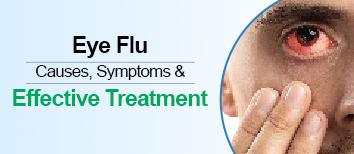
Eye flu, also known as conjunctivitis, is a common eye infection causing redness, irritation, and watering. Learn its causes, symptoms, and effective treatments.


Subscribe to our
© Copyright 2026. All Rights Reserved by Felix Healthcare Private Limited
Design and development by :


 +(91)9667064100
 Emergency : +(91)9667064100