 Emergency:
  WhatsApp

Subscribe to our

Quick Answer: What Should an Indian Pregnant Woman Eat?
A healthy Indian pregnancy diet should include a balance of complex carbohydrates, protein, iron, calcium, folate, and healthy fats across three meals and two to three snacks daily. Traditional Indian foods - dal, roti, rice, sabzi, curd, eggs, paneer, and seasonal fruits - provide most essential nutrients when eaten in the right combinations. Nutritional needs change each trimester, so a trimester-wise diet chart helps ensure both mother and baby get adequate nourishment at every stage.
Have a question right now? Call Felix Hospitals: +91-9667064100, 24x7 Women's Health and Gynaecology.
Pregnancy places significantly higher nutritional demands on the body. Everything the baby needs - from brain development to bone formation to immune function - comes directly from what the mother eats.
A well-planned Indian pregnancy diet helps:
Support fetal brain and organ development
Reduce the risk of neural tube defects, anaemia, and low birth weight
Manage common pregnancy discomforts like nausea, constipation, and fatigue
Support healthy weight gain within recommended limits
Prepare the body for labour, delivery, and breastfeeding
India has a high prevalence of iron-deficiency anaemia and calcium deficiency among pregnant women. A diet chart tailored to Indian foods and eating patterns can directly address these gaps.
Nutrient | Why It Matters | Indian Food Sources |
Folate / Folic Acid | Prevents neural tube defects | Palak, methi, dal, chana, broccoli |
Iron | Prevents anaemia, supports fetal growth | Rajma, lentils, ragi, chicken, eggs, dates |
Calcium | Bone and teeth formation in baby | Milk, curd, paneer, ragi, sesame seeds |
Protein | Builds fetal tissue and muscles | Dal, eggs, paneer, chicken, fish, soya |
Omega-3 Fatty Acids | Brain and eye development | Walnuts, flaxseeds, fish (rohu, salmon) |
Vitamin D | Calcium absorption, immune support | Sunlight, eggs, fortified milk, fish |
Iodine | Thyroid function and brain development | Iodised salt, dairy, eggs |
Vitamin C | Iron absorption, immunity | Amla, guava, tomato, citrus fruits |
Fibre | Prevents constipation | Whole grains, vegetables, fruits, dal |
Magnesium | Muscle function, reduces cramps | Bananas, nuts, seeds, whole grains |
Dietitian's Note: No single food provides all nutrients. Variety across food groups is the foundation of a healthy pregnancy diet. Pair iron-rich foods with Vitamin C sources at the same meal for better absorption. — Dt. Shiwani Ahlawat & Dt. Pratibha Goswami, Dietitians, Felix Hospitals
Pregnancy does not require eating for two in quantity — it requires eating smarter in quality.
First trimester: No significant calorie increase needed (approximately 1,800 to 2,000 kcal/day for most women)
Second trimester: Add approximately 300 to 350 kcal/day above pre-pregnancy intake
Third trimester: Add approximately 400 to 500 kcal/day above pre-pregnancy intake
These are general guidelines. Individual needs vary based on pre-pregnancy weight, activity level, and whether the pregnancy is single or multiple. Consult Dt. Shiwani Ahlawat or Dt. Pratibha Goswami at Felix Hospitals for a personalised pregnancy diet plan.
This is the most critical period for fetal organ and neural tube development. Folate, iron, protein, and Vitamin B12 are priority nutrients. Many women experience nausea and food aversions during this trimester, so small, frequent meals work better than large ones.
Key nutritional focus: Folate, iron, Vitamin B6, protein, Vitamin C
Meal | Vegetarian | Non-Vegetarian |
Early Morning | Soaked almonds (5–6) + 1 glass warm water with lemon | Same |
Breakfast | Poha with peas and peanuts + 1 glass milk | Egg bhurji (2 eggs) + 1 multigrain roti + milk |
Mid-Morning | 1 banana or 1 guava or a small bowl of papaya | Same |
Lunch | 2 rotis + 1 bowl dal + 1 bowl sabzi (palak/methi) + curd + salad | 2 rotis + chicken curry (small portion) + sabzi + salad |
Evening Snack | Roasted chana or a handful of walnuts + herbal tea | Boiled egg or roasted makhana + herbal tea |
Dinner | Khichdi with ghee + curd + steamed vegetables | Rice + dal + fish curry (small portion) + sabzi |
Bedtime | 1 glass warm milk with a pinch of turmeric | Same |
Tips for the first trimester:
Eat small meals every 2 to 3 hours to manage nausea
Include ginger in food or as ginger tea to ease morning sickness
Avoid spicy, oily, or very strong-smelling food if nausea is severe
Start folic acid supplement as prescribed by your doctor
Nausea usually subsides, appetite improves, and the baby begins growing rapidly. This is the time to increase protein, calcium, and iron intake significantly. The baby's bones, muscles, and brain are actively developing.
Key nutritional focus: Calcium, iron, protein, Omega-3, Vitamin D
Meal | Vegetarian | Non-Vegetarian |
Early Morning | Soaked methi seeds (1 tsp) in water + 4–5 soaked almonds | Same |
Breakfast | Moong dal chilla (2) + green chutney + 1 glass milk or lassi | 2 egg omelette with vegetables + 1 multigrain roti + milk |
Mid-Morning | 1 seasonal fruit + a small bowl of curd | Same |
Lunch | 2–3 rotis + rajma or chana curry + palak sabzi + rice + curd | 2 rotis + grilled chicken or fish + dal + curd + salad |
Evening Snack | Paneer cubes with chaat masala or a small bowl of sprouts chaat | Boiled chicken tikka (without heavy marinade) or sprouts |
Dinner | Vegetable pulao + dal tadka + raita + sabzi | Brown rice + dal + egg curry or fish + sabzi |
Bedtime | 1 glass warm milk with saffron (kesar) | Same |
Tips for the second trimester:
Increase calcium-rich foods — aim for 1,000 mg of calcium per day
Add ragi (nachni) rotis or ragi porridge for calcium and iron
Include iron-rich foods alongside Vitamin C sources to improve absorption (e.g., dal with amla or lemon)
Drink 8 to 10 glasses of water daily
The baby gains the most weight during the third trimester. The mother's body also prepares for labour and breastfeeding. Meals may need to be smaller as the growing uterus presses on the stomach, causing early fullness. Constipation and heartburn are common — fiber-rich and easy-to-digest foods help.
Key nutritional focus: Iron, calcium, protein, Omega-3, fiber, Vitamin K.
Meal | Vegetarian | Non-Vegetarian |
Early Morning | 1 glass warm milk + soaked walnuts (4–5) | Same |
Breakfast | Upma with mixed vegetables + coconut chutney + 1 glass milk | Scrambled eggs (2) + multigrain toast + 1 glass milk |
Mid-Morning | 1 small bowl of fresh fruit salad with chaat masala | Same |
Lunch | 2 rotis + palak paneer or dal makhani + brown rice + curd + salad | 2 rotis + fish curry or chicken soup + brown rice + curd |
Evening Snack | Makhana (fox nuts) roasted in ghee + coconut water | Same or boiled eggs |
Dinner | Soft khichdi with ghee + stir-fried vegetables + a small bowl of curd | Soft rice + dal + steamed fish + sabzi |
Bedtime | Warm milk with turmeric and a pinch of nutmeg | Same |
Tips for the third trimester:
Eat 5 to 6 small meals instead of 3 large ones
Avoid lying down immediately after meals — heartburn is common
Include dates (khajoor) — traditionally recommended in the final weeks to support cervical ripening
Stay well hydrated; coconut water is an excellent option
Avoid foods that cause gas and bloating (such as cabbage, cauliflower, and carbonated drinks)
Cereals and Grains Whole wheat roti, brown rice, oats, ragi, bajra, jowar — these provide energy, fibre, and B vitamins.
Pulses and Legumes Masoor dal, moong dal, rajma, chana, soya — excellent plant-based protein and iron sources.
Dairy Milk, curd, paneer, lassi, buttermilk — key sources of calcium, protein, and Vitamin B12.
Eggs A complete protein source also rich in choline, which supports fetal brain development.
Lean Meats and Fish Chicken, mutton (in moderation), rohu, catla, pomfret — provide protein, iron, zinc, and Omega-3 fatty acids.
Green Leafy Vegetables Palak, methi, bathua, sarson — rich in folate, iron, calcium, and fibre.
Fruits Banana, chikoo, guava, amla, mango (in season, in moderation), pomegranate — provide natural sugars, Vitamin C, and fibre.
Healthy Fats Ghee (in moderation), coconut, walnuts, flaxseeds, peanuts — support fetal brain development and fat-soluble vitamin absorption.
Ragi (Nachni): One of the richest plant sources of calcium
Moringa (Drumstick leaves / Sahjan): High in iron, calcium, and Vitamin C
Til (Sesame seeds): Rich in calcium and iron
Amla: Extremely high in Vitamin C; enhances iron absorption
Sattu: High-protein flour excellent for energy and digestion
Food / Drink | Reason to Avoid |
Raw or undercooked meat and eggs | Risk of Salmonella and Listeria |
Raw papaya (kacha papaya) | Contains papain; may stimulate uterine contractions |
Pineapple in large amounts | Contains bromelain; traditionally cautioned against in first trimester |
Unpasteurised milk and cheese | Risk of bacterial infection |
High-mercury fish (shark, swordfish, king mackerel) | Mercury harmful to fetal brain development |
Alcohol | No safe level during pregnancy |
Excess caffeine | Limit to under 200 mg/day (roughly 1 to 2 cups of tea or coffee) |
Processed and junk food | High salt, sugar, and trans fats with minimal nutrition |
Ajinomoto (MSG) | Best avoided; commonly found in Chinese food and packaged snacks |
Excess vitamin A supplements | High doses of retinol (animal-source Vitamin A) can cause birth defects |
Healthy weight gain during pregnancy depends on pre-pregnancy BMI:
Pre-Pregnancy BMI | Recommended Total Weight Gain |
Underweight (BMI below 18.5) | 12.5 to 18 kg |
Normal weight (BMI 18.5 to 24.9) | 11.5 to 16 kg |
Overweight (BMI 25 to 29.9) | 7 to 11.5 kg |
Obese (BMI 30 and above) | 5 to 9 kg |
Source: Institute of Medicine (IOM) guidelines, consistent with ACOG recommendations.
Weight gain should be gradual - approximately 1 to 2 kg in the first trimester and roughly 0.5 kg per week in the second and third trimesters for women with a normal BMI.
Water is often the most overlooked part of a pregnancy diet plan. Adequate hydration:
Supports increased blood volume during pregnancy
Prevents urinary tract infections (UTIs), which are common in pregnancy
Reduces constipation and helps nutrient absorption
Regulates body temperature
Aim for: 8 to 10 glasses (2 to 2.5 litres) of fluids per day, including water, coconut water, buttermilk (chaas), and milk.
Avoid: Sugary packaged juices, soda, and excessive chai or coffee.
Iron Deficiency Anaemia Among the most common pregnancy complications in India. Symptoms include fatigue, dizziness, pale skin, and shortness of breath. Dietary iron combined with prescribed iron supplements is the standard approach.
Calcium Deficiency Many Indian women, particularly vegetarians, do not meet the recommended 1,000 mg of calcium per day during pregnancy. Ragi, sesame seeds, milk, and curd are key dietary sources.
Vitamin D Deficiency Extremely prevalent across India despite high sun exposure, largely due to dietary gaps. Supplementation is often recommended alongside dietary sources such as eggs and fortified milk.
Folate Deficiency Critical in the first trimester for preventing neural tube defects. Folic acid supplementation is prescribed routinely, but dietary folate from green vegetables and pulses supports it significantly.
Consult your obstetrician or a registered dietitian if:
You have gestational diabetes — dietary management is critical
You have been diagnosed with anaemia or Vitamin D deficiency
You are carrying twins or multiples — calorie and nutrient needs differ
You are vegetarian or vegan and unsure about protein and B12 intake
You have pre-existing thyroid, kidney, or liver conditions
You are experiencing severe nausea, vomiting, or significant weight loss
Call Felix Hospitals: +91-9667064100, 24x7 Women's Health and Gynaecology to book a consultation with our obstetrics team or for a personalised diet plan with our dietitians — Dt. Shiwani Ahlawat or Dt. Pratibha Goswami.
Seek immediate medical attention during pregnancy if you experience:
Sudden severe swelling of face, hands, or feet
Severe headache or vision changes
Significant abdominal pain
Decreased or absent fetal movements
Heavy vaginal bleeding
Fever above 38.5°C
Persistent vomiting that prevents you from eating or drinking
Call +91-9667064100 immediately or visit our 24x7 maternity emergency.
Experienced Obstetrics and Gynaecology Team
Dr. Sangeeta Sharma (MBBS, DNB, FMAS, DMAS)
Dr. Charu Yadav (MBBS, MS OBG, FMAS, DMAS)
Dr. Sonia Kuruvilla (MBBS, MS OBG)
Dr. Nivedita Sinha (MBBS, MS)
Clinical Nutrition and Dietetics Team
Dt. Shiwani Ahlawat (MSc), Dietitian
Dt. Pratibha Goswami (BSc, MSc Nutrition), Dietitian
Comprehensive Antenatal Care
Trimester-wise antenatal check-ups
Nutritional counselling and personalised diet guidance
Gestational diabetes screening and management
High-risk pregnancy care
24x7 maternity emergency support
Patient-Centred Care
NABH-accredited hospital
NABL-certified laboratory
Transparent billing practices
24x7 emergency services
Call Felix Hospitals: +91-9667064100, 24x7 Women's Health and Gynaecology
A balanced Indian pregnancy diet includes whole grains, dal, sabzi, curd, paneer or eggs, seasonal fruits, and plenty of water — distributed across 5 to 6 small meals daily. Nutritional needs change each trimester, so a month-by-month diet chart tailored to your health condition is ideal.
In the first month, focus on folate-rich foods (palak, methi, dal, chana), protein sources (dal, eggs, paneer), and Vitamin C foods (amla, guava, citrus) to support early fetal development. Small, frequent meals help manage nausea.
Ragi, rajma, masoor dal, palak, dates, and moringa leaves are among the richest Indian dietary sources of iron. Pair them with Vitamin C sources like lemon or amla to improve iron absorption.
Yes. Rice is a safe and energy-giving staple. Prefer parboiled or brown rice for more fibre and nutrients. Avoid eating rice in very large portions if you have gestational diabetes — consult your doctor for portion guidance.
Yes, in moderation. Ghee provides fat-soluble vitamins (A, D, E, K), supports fetal brain development, and aids digestion. One to two teaspoons per day is generally considered appropriate.
Raw papaya and very large amounts of pineapple are traditionally cautioned against in pregnancy. Most other fruits are safe and beneficial when eaten in normal portions.
Aim for 8 to 10 glasses (approximately 2 to 2.5 litres) of fluids per day, including water, coconut water, chaas, and milk. Adequate hydration reduces the risk of UTIs and constipation.
Yes, provided it includes adequate protein (dal, paneer, soya, legumes), calcium (milk, curd, ragi, til), iron (green leafy vegetables, ragi, dates), and Vitamin B12 (dairy, fortified foods or supplements). Discuss supplementation with your doctor.
Dt. Shivani Ahlawat is a Dietician specializing in personalized nutrition plans, weight management, and healthy lifestyle guidance for overall well-being.

A trimester-wise pregnancy diet guide covering foods to eat, avoid, and essential nutrients for a healthy mother and baby.
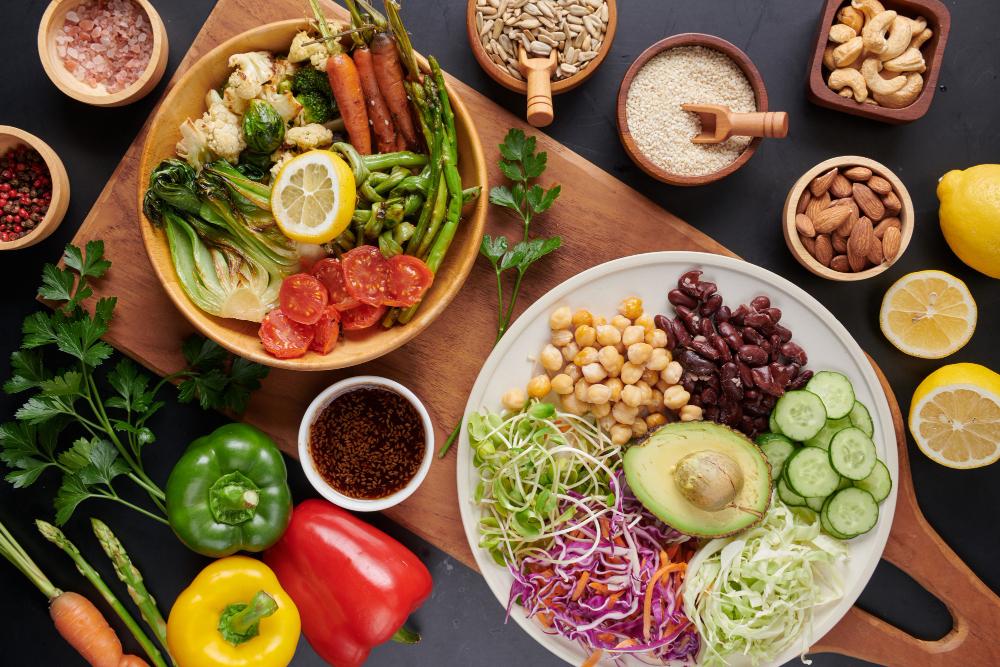
Mothers think a lot, when it comes to giving right nutrition to her baby. And she also has many questions like


Subscribe to our
© Copyright 2026. All Rights Reserved by Felix Healthcare Private Limited
Design and development by :


 +(91)9667064100
 Emergency : +(91)9667064100