 Emergency:
  WhatsApp



Subscribe to our
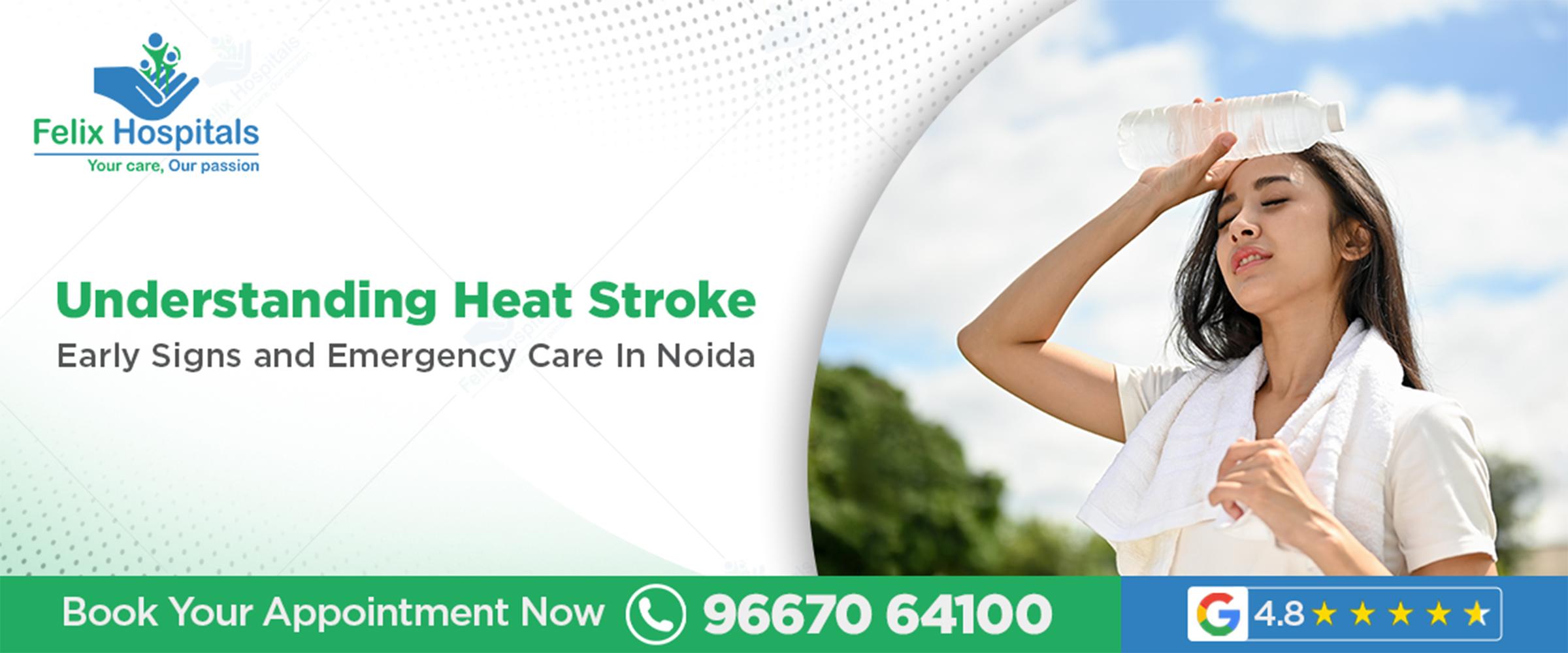
Heat stroke is a life-threatening condition that occurs when the body temperature rises too high and cannot be cooled down. Long-term heat exposure, especially during severe summertime weather, may cause excessive fluid loss and body temperature elevation. It is crucial to identify the initial symptoms of heat stroke because the treatment can be delayed for serious complications, which involve brain, heart and other organs.
During extreme temperatures, outdoor workers, athletes, seniors, and young children may be more prone to heat illness. Timely treatment and adequate hydration are mandatory to avoid complications. Individuals exhibiting symptoms are advised to consult an emergency medicine doctor in Noida or visit a hospital for treatment for heat stroke in Noida without delay.
Feeling dizzy, weak, or extremely overheated during hot weather? Heat stroke can become life-threatening without immediate care. Call +91 9667064100 to consult an emergency medicine doctor in Noida.
Heat stroke is the most critical stage of heat-induced illness and takes place when the body temperature exceeds 40°C (104°F). In this state, the body's mechanisms of heat loss, including sweating, no longer work effectively. Consequently, the core body temperature starts to increase at a fast pace, which can lead to injury of essential organs.
Medical research shows that extended high body temperature can alter brain function and cause confusion, seizures, or coma. Recognizing early signs of heat stroke can ensure prompt cooling and emergency care to prevent serious consequences.
Knowing what causes a heat stroke allows people to take preventive actions when the temperatures soar. Common causes include:
Long times spent under the sun
Strenuous exercise in warm conditions
Extreme dehydration
Dressing in heavy or multiple layers of clothing, or tight clothing, in hot weather
No air flow or cooling in the house
Some medications that alter hydration status
These factors can overwhelm the body's temperature regulation system and increase the risk of heat stroke.
A number of groups could be at an increased risk of heat stroke, either due to bodily or environmental conditions. High-risk groups include:
Elderly persons who have a diminished tolerance to heat
Babies and small children
People who work outside in the heat
Athletes exercising in the heat
People with chronic health issues
People on medications that affect fluid balance
These individuals should take extra precautions during heat waves to prevent heat-related illnesses.
Identifying the warning signs of heat stroke means that treatment can be performed in a timely manner and the condition does not become fatal. Early symptoms of heat stroke are:
High body temperature
Severe headache
Feeling dizzy or faint
Heavy sweating followed by hot, dry skin
Nausea or vomiting
Muscle cramps and fatigue
Prompt action during this stage can help prevent progression to severe heat stroke.
If not promptly treated, symptoms of heat stroke can progress and result in life-threatening complications. Complications may include:
Confusion or disorientation
Rapid heartbeat
Shortness of breath
Fainting
Seizure
Hot dry skin, but no perspiration
These symptoms require immediate emergency care and hospitalization.
Heat stroke can develop quickly and is a life-threatening emergency. Get medical help at once if you notice any warning signs. Get emergency help if someone has:
Body temperature over 40°C (104°F)
Ongoing confusion or agitation
Fainting or unconsciousness
Extreme dehydration
Fast breathing or a fast pulse
Ongoing vomiting
Patients should receive urgent heat stroke treatment in Noida at a medical facility equipped for emergency care.
Doctors diagnose heat stroke based on symptoms, medical history, and clinical examination. Diagnostic tests help determine the severity of the condition and identify complications.
Test | Purpose |
Body Temperature Measurement | Confirms dangerously high body temperature |
Blood Tests | Checks dehydration and electrolyte imbalance |
Urine Test | Evaluates kidney function and hydration |
Imaging Tests | Detects possible organ complications |
ECG | Monitors heart function during heat stress |
These tests help doctors determine appropriate treatment and monitor patient recovery.
You should act as quickly as possible once symptoms start. Things you can do early in an emergency include:
Take the person away from sunlight
Pour cool water over the person's body or use wet cloths or ice packs
If the person is conscious, give small sips of cool water
Fan the person and use other cooling measures to reduce body heat
These steps should be followed while waiting for emergency medical assistance.
Medical treatment is directed toward reducing the body temperature and minimizing damage to the internal organs. Hospitalization is necessary in severe cases. Treatment may involve:
Intravenous fluids to correct dehydration
Fast cooling measures such as ice bags or cooling blankets
Oxygen therapy if breathing is impaired
Vital signs and organ function are monitored
Drugs to control complications such as seizures
Patients receiving heat stroke treatment in Noida are closely monitored until body temperature returns to normal.
Recovery from heat stroke may take up to several weeks depending on the degree of organ damage and how early in the course of illness treatment was initiated. Recovery from mild disease may take days, but severe disease may require longer period of observation.Fatigue and weakness or heatsensitivity have been reported in individuals after heat stroke recovery. Physicians typically recommend a gradual return to normal activities and sufficient hydration during the recuperations.
Heat stroke may also lead to numerous complications if the disease is left untreated or if it is severe.Possible complications of heat stroke are:
Brain damage caused by prolonged overheating
Dehydration-related kidney failure
Heart rhythm disorders
Rhabdomyolysis (breakdown of muscle tissue).
Early treatment greatly reduces the likelihood of these complications.
Extreme summer days become preventive days for care to avoid heat illness. Some prevention pointers are:
Stay hydrated all day long
Limit your time outdoors when it’s too hot
Light and airy clothing
You can keep cool and comfortable at home with fans or air conditioning
These measures contribute to maintain normal body temperature and to prevent heat stress.
If you or someone around you experiences symptoms of heat stroke, do not delay treatment. Consult an emergency medicine doctor in Noida or visit a hospital offering heat stroke treatment in Noida for immediate care. Call +91 9667064100 for emergency medical consultation.
Heat stroke can be fatal and is an emergency. Identifying the early symptoms of heat stroke would enable the victim to get early treatment and its serious complications on vital organs may be prevented.
Individuals can make themselves less susceptible to heat stroke by drinking plenty of fluids, by avoiding long periods of exposure to high temperature, and by paying attention to early warning signs of heat-related problems. An Best Internal Medicine Doctor in Noida can guarantee that a patient is accurately diagnosed and treated without delay, providing the best chance for a full recovery, free of any potential long-term health problems.
Heat stroke may begin within minutes of heat exposure during heavy exertion or exposure to high environmental temperatures, together with dehydration.
Heat stroke can be caused indoors if the air is stale or if people are kept in a very hot place without a way to cool off.
Recovery times can differ. Mild cases of heat stroke may recover in a matter of days, while severe cases may require the individual to be hospitalized.
Yes, the elderly have a decreased ability to regulate their body temperature and that puts them at a higher risk for heat-related illnesses.
Strenuous activity, extreme heat, and dehydration should be avoided until the person is fully recovered and cleared by a physician.
Dr. Ravi Sharma is a senior physician with 42+ years of experience, known for compassionate and comprehensive patient care in Noida.

Building healthy habits in the formative years of a child lays the foundation for the healthy living. By teaching them to enjoy healthy eating at a tender age helps for the overall development and growth for life.

Hot weather can strain your heart, especially in summer. Discover how heat impacts your cardiovascular system and explore expert tips to keep your heart healthy, hydrated, and safe during rising temperatures.


Subscribe to our
© Copyright 2026. All Rights Reserved by Felix Healthcare Private Limited
Design and development by :


 +(91)9667064100
 Emergency : +(91)9667064100